
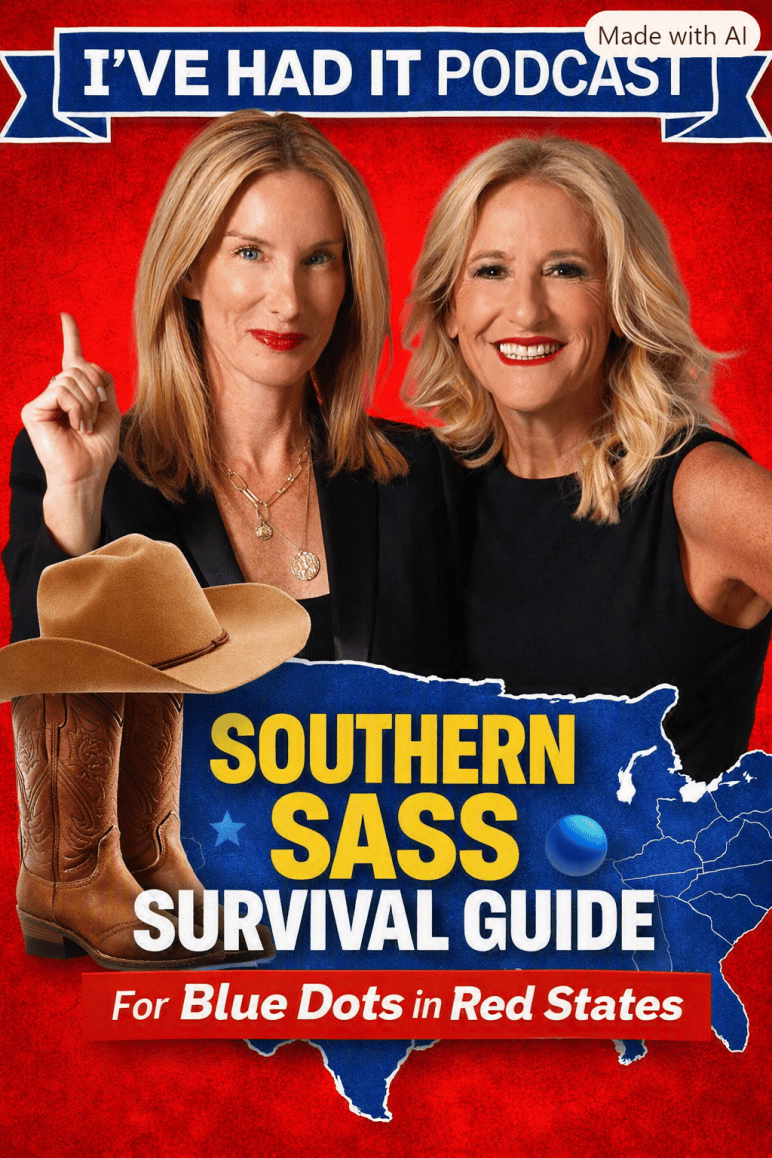
I’ve Had It Podcast: The Southern Sass Survival Guide for Blue Dots in Red States

“Sometimes the only thing keeping me from losing my already lost religion is two Oklahoma women yelling about petty grievances.”

-This Puzzled Life

Light the charcoal. Sprinkle the sage. Invoke the ancestors. Preferably the messy ones. The ones who show up wearing house shoes. Clutching a gas‑station fountain drink. And whispering, “You’re gonna wanna sit down for this one.”

Because today, we gather in the sacred, humid, mosquito‑infested, spiritually charged arena to praise. Roast. And spiritually hydrate the chaotic holiness that is the I’ve Had It Podcast. The only place where two white liberal women from the red MAGA plains of Oklahoma have somehow built a sanctuary for every exhausted blue‑dot soul trying to survive in a country where people still proudly drink out of Stanley cups like it’s a personality trait. Let me set the table like MeeMaw used to that is loud. And with sweet tea strong enough to dissolve enamel.
Jennifer Welch and Angie “Pumps” Sullivan aren’t just podcasters. They are the patron saints of Petty Grievances. The matriarchs of Messy Liberation. And the spiritual mothers of every liberal woman trapped in a red state. While trying not to throat‑punch someone at the grocery store.

Jennifer, the sarcastically blunt atheist queen, speaks with the kind of clarity that only comes from years of saying, “No, actually, that is stupid” out loud. She’s the type of woman who could walk into a revival tent. Sneeze. And accidentally deconstruct someone’s entire theology. On a side note I’ll also say that she is an Olympic level Pickle Ball Champion like we’ve never seen before in the history of the world.

Then there’s Pumps. Lord help us all. Pumps is a recovering evangelical, the HBIC (Head Beaver In Charge), the teeny weenieologist, the MeeMaw Meat Curtains because she is much older than Jennifer. And apparently the patron saint of Asexuality in the Bible Belt. Her last sexual encounter was somewhere around 1,000 days ago. And Jennifer multiplies that number tenfold with each episode until the math starts giving Old Testament genealogy. We’re approaching, “And on the 40,000th day, Pumps rested.”

And presiding over this circus of holy chaos is Kiley. The beautiful lesbian gaytriot producer who keeps the entire operation from combusting. She’s the glue, the duct tape, the Queer Logistics Coordinator who ensures Jennifer and Pumps don’t accidentally start a small fire while recording. She produces the hilarious fuckery with the precision of a woman who knows exactly how chaotic these two can be.

As a white liberal sarcastic woman myself from the red MAGA state of Mississippi, these ladies have become my emotional support podcast. They take the isolation of wanting equal rights for everyone. While surrounded by neighbors who think democracy is optional. And turn it into a family. A loud, hilarious politically petty family that supports all marginalized groups and stands up for democracy. Despite the red hatred swirling around them.

And let me tell you. And their nicknames for politicians? Baby, they speak fluent Southern shade. People like Donald “Cankles McTaco Tits” Trump, Moses Mike Grindr Johnson, the late Lindsey “Lady” Graham, “Big Titty” Bryon Knoem, “Smokey-eyed sociopath” JD Vance, “Lyin’” Ted Cruz, Flamboyant Jesse “Lady” Waters with Fox News, Natalie “The Bunny Boiler” Harp, Markwayne “Booster Box” Mullin, and others. I heard that recently they both spoke with Mitch “Dead Not Dead” McConnell for twenty minutes from his life support rehabilitation unit. They roast public figures with the same energy my Aunt Linda uses when she says, “I’m not saying she’s trashy. But she does own a leopard‑print Bible cover.”

They expose the closetocracy, the folks who legislate against the very community they enjoy on weekends, with surgical precision and the comedic timing only two women who have truly had it can deliver. Are they crass? Yes. Do they speak my language? Absolutely. Do they have a low tolerance for stupidity? Honey, they have a negative tolerance.

And Pumps, sweet Pumps, if she would stop vaping like she’s trying to summon a Civil War ghost, Jennifer might finally unclench. And if she would please stop pooping in Styrofoam cups like she’s conducting a science fair project, the online audience would stop peeing on ourselves from laughing. Get it together, Pumps. At least the saggin’ dragons are secured.

These women have been my morning oxygen for over a year. They are my people that are  hilarious. And, at times, inappropriate. Unfiltered. Compassionate. And petty in all the right places. If you’re a prude. Easily offended. Or still clinging to conservative Christianity where some Christians use scripture as a mascot for cruelty, this is not your ministry.

But if you’re like me a blue dot in a red state. A queer person whose family can’t quite figure out acceptance. Or someone who needs laughter more than judgment. These ladies feel like home. They are the family I needed. The humor I craved. And the reminder that democracy is worth fighting for even when surrounded by folks who think Jesus rode a dinosaur. And if island living as a blue dot in a red state is what it takes, then baby, I’ll take my new family without question.

So let me say this with the full force of my ancestors, my sass, my trauma, my cats, and my last functioning nerve. The I’ve Had It Podcast isn’t just entertainment. It’s survival. It’s community. It’s the comedic resistance movement for every marginalized person living in a state where Hobby Lobby aisles are filled with people who think equality is a threat to their throw pillows.

Jennifer, Pumps, and Kiley have built a refuge for the tired, the queer, the liberal, the fed‑up, the chronically sarcastic, and the spiritually dehydrated. They’ve given us permission to laugh at the absurdity of our political landscape. To call out hypocrisy with humor. And to find joy in the middle of a country that feels like it’s being run by people who failed eighth‑grade civics. And who ate boogers and glue but never outgrew those behaviors.

I will be a loyal gaytriot as long as these ladies are around. I will follow them into the trenches of democracy, petty grievances, and Pumps’ colon‑control journey. I will take this island living. This blue dot existence. And choose my new family without hesitation.

Thank you, ladies, for your humor, your compassion, and your unapologetic refusal to tolerate bullshit in this tumultuous time. You are the laughter that keeps us fighting. CACAW!!!! Mic dropped. Floor cracked. Humidity rising. Ancestors hollering, “That’s Right, Baby!” Thanks for reading! Please tune in every day to the I’ve Had It podcast for political news with lots of humor.

Affirmation: I honor my truth, humor, identity, and my chosen family. I choose joy. I choose community. And I choose to laugh loudly. Even in the places that try to silence me.

***Don’t forget to watch the video!***

#ThisPuzzledLife

Why My Boundaries Offend People Who Benefited From My Lack of Them

“When you stop people‑pleasing, you don’t become unkind. You become un-owned.”

-This Puzzled Life

Light the charcoal. Sprinkle the sage. Today we’re not just cleansing the air. We’re cleansing the generational rot that tried to bury us alive. While I also smile sweetly and was asked if I wanted more casserole.

There’s a special kind of exhaustion that comes from being raised in a culture where your worth is measured by how small you can make yourself. Where “good manners” means “don’t make anyone uncomfortable.” Even if you’re bleeding out emotionally. Where “respect” means “don’t you dare speak the truth out loud.” And the South? The South will hand you a monogrammed apron, a church bulletin, and a generational trauma starter pack before you can even walk. But today we’re unpacking all of it.

Let’s talk about people‑pleasing. Not the cute kind where you bring someone banana pudding because you love them. But the dangerous kind. The kind that rewires your nervous system. The kind that teaches you to abandon yourself so thoroughly that you forget you ever had needs in the first place.

People‑pleasing is not a personality trait. It’s a survival skill. A trauma response. A generational inheritance wrapped in a bow of “be sweet” and “don’t cause trouble.” And in the South, it’s practically a rite of passage.

We’re taught early don’t speak up. Don’t contradict. Don’t embarrass the family. Don’t make waves. Don’t question authority. Don’t tell the truth if the truth makes anyone uncomfortable. Don’t you dare put yourself first. That’s selfish. And for the love of all things holy, don’t let the church ladies hear you say “no.”

People‑pleasing becomes the currency of acceptance. The ticket to belonging. The price of being considered “good.” But here’s the sinister part. People‑pleasing trains you to betray yourself before anyone else even gets the chance. You learn to anticipate everyone’s needs but your own. You learn to apologize for existing. You learn to smile through pain so convincingly that even you forget you’re hurting. You learn to make yourself small enough to fit inside other people’s expectations. And the world, especially the Southern world, rewards you for it. Until you stop.

The moment you stop people‑pleasing. The moment you say “no,” or “that’s not okay,” or “I’m not doing that anymore.” The moment you choose yourself? Suddenly you’re the villain in a story you didn’t write. Suddenly you’re “difficult.” Suddenly you’re “ungrateful.” Suddenly you’re “too sensitive,” “too outspoken,” “too much,” “too emotional,” “too opinionated,” “too educated,” “too aware,” and “too alive.” But the truth is simple. You’re not too much. You’re just finally enough for yourself. And that terrifies people who benefited from your silence.

People‑pleasing is dangerous because it teaches you that your safety depends on your compliance. It teaches you that love must be earned through self‑abandonment. It teaches you that your needs are negotiable. But everyone else’s are sacred. When you grow up in a culture that worships politeness more than honesty. Appearances more than integrity. And reputation more than reality. You learn to disappear. Until one day, you don’t.

And here’s where it gets personal. This isn’t theory for me. This isn’t something I read in a book or heard in a podcast. This is lived experience that was carved into my bones. Stitched into my history. And dragged behind me for decades like a cross I never volunteered to carry.

On a personal note, my family marinated me in people‑pleasing my entire life. And when you don’t comply? You get labeled the troublemaker. The problem. The one who “changed.” The one who “thinks she’s better.” The one who “needs to calm down.” The one who “makes everything difficult.” But not teaching me boundaries while simultaneously demanding I people‑please was dangerous. Not inconvenient. Not uncomfortable. Dangerous.

I have almost died multiple times because I gave more of myself than I had to give. I was trained to prioritize everyone else’s happiness over my own survival. I was taught that my needs were optional. But their approval was oxygen. And in the South, it’s a shameful way of life to even question this dynamic.

I had to come to a point, not helped by their expectations, where I finally put myself first. And now that I have strong boundaries, my family and the community think I’m “nasty” because I tell them I don’t need their validation. They want me to “cow tow” to their needs while never expecting the same from them. And that, my friends, is the pinnacle of hypocrisy and controlling behavior. And at this point in my life, I can say with confidence that I’ll never allow myself to be controlled by someone else ever again.

Let me make this plain in a way even the most selectively‑forgetful, Bible‑thumping, reputation‑worshipping, boundary‑hating folks can understand. I am no longer available for my own destruction. I am no longer the family sponge soaking up everyone else’s dysfunction. I am no longer the emotional punching bag for people who refuse to face their own shadows. I am no longer the scapegoat for sins I didn’t commit. I am no longer the child who learned to survive by disappearing. I am no longer the adult who thought love meant self‑sacrifice. I am no longer the woman who begged for crumbs of acceptance from people who never learned how to love without conditions. I am done.

I’m done with the gaslighting. Done with the hypocrisy. Done with the “good Christian” performances. Done with the selective morality. done with the selective compassion. Done with the silence that protects abusers. Done with the shame that was never mine to carry. Done with the generational curses disguised as tradition. And done with the expectation that I should shrink so others can feel tall.

I am not here to make anyone comfortable. I am not here to uphold anyone’s illusion. I am not here to play the role they assigned me. I am not here to be palatable, agreeable, or quiet. I am here to live. Fully. Boldly. Truthfully. Unapologetically. And if my boundaries offend you? If my healing threatens you? If my voice rattles your cage? If my truth exposes your lies? That’s not my burden. That’s your mirror.

So let me end this with the clarity of a woman who has crawled out of the grave they dug for me. I didn’t lose my family. I lost my captors. I didn’t lose my community. I lost my chains. I didn’t lose my identity. I reclaimed it. And I will never, ever, ever hand it back. Lights out. Thanks for reading! To thine own self be true. What are your experiences with this?

Affirmation: My boundaries are sacred. My truth is valid. My life belongs to me now fully and forever.

***Don’t forget to watch the video!***

#ThisPuzzledLife
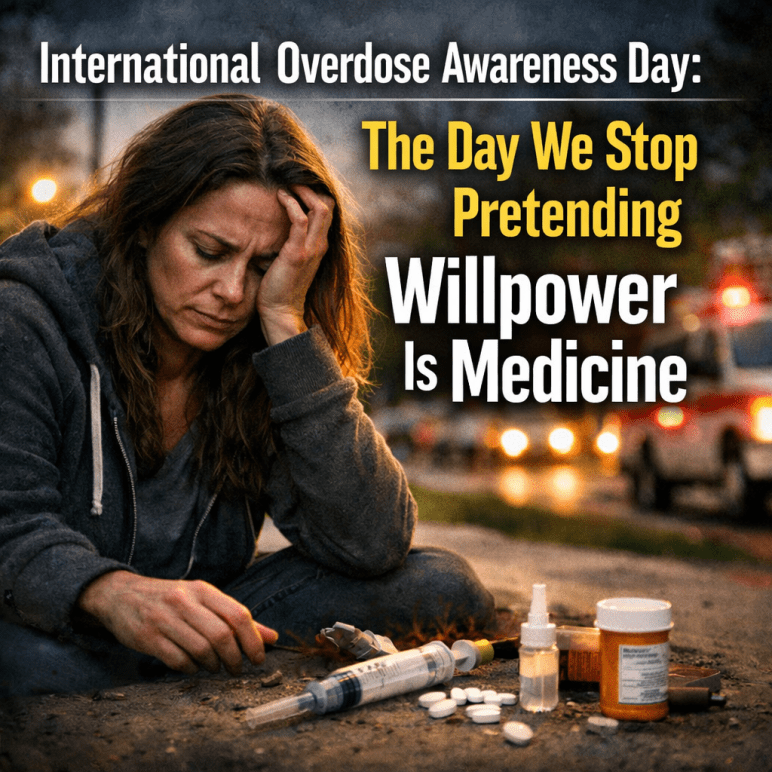
International Overdose Awareness Day: The Day We Stop Pretending Willpower Is Medicine

“Shame has never saved a life. Compassion has. And still can.”

-This Puzzled Life

Light the charcoal. Sprinkle the sage. Today, we’re not just cleansing the house. We’re cleansing the collective delusion that addiction is a moral failing. The sage is smoking like it’s trying to file a worker’s comp claim. The charcoal is popping like it’s gossiping about the neighbors. And I’m standing in the kitchen with the kind of determination usually reserved for Southern women who’ve had enough.

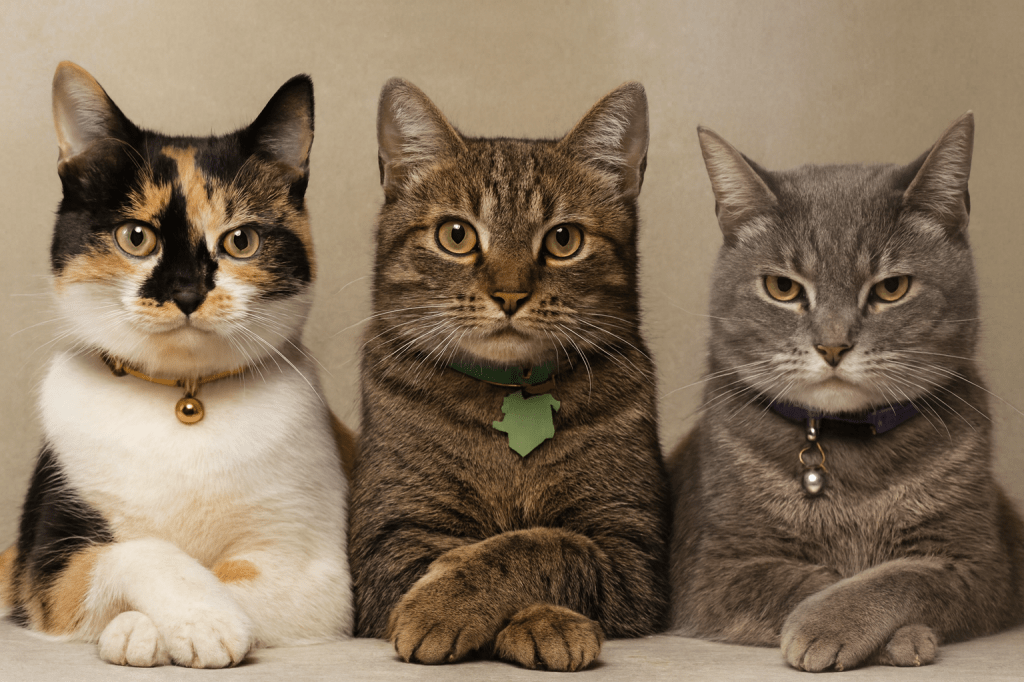
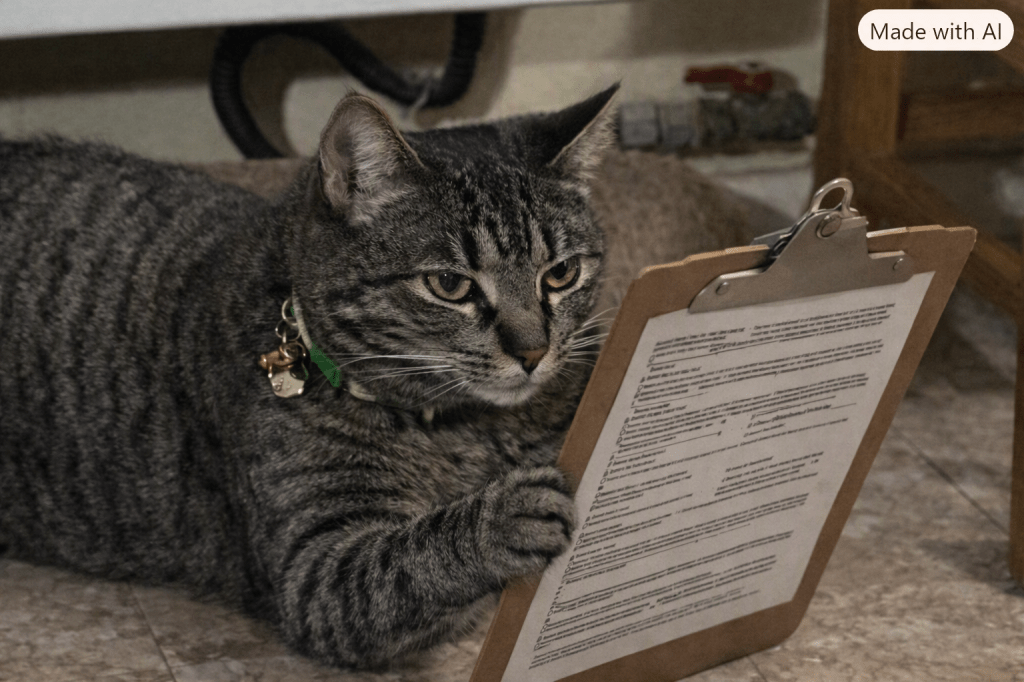
Piper struts in first.Tail high. Eyes narrowed. And a clipboard already out like she’s conducting a federal audit.

Piper: “Before we begin. I need to know if this is a cleansing ritual, a public dragging, or a memorial service. My paperwork differs.”

Me: “All three. It’s International Overdose Awareness Day. And I’m about to educate the masses.”

Coco barrels in next. She’s breathing heavily like she just ran a marathon but actually just walked from the living room.

Coco: “Is this about the humans who say addiction is willpower? And overdose is a moral collapse? I once ate an entire rotisserie chicken while sleepwalking. Explain that with willpower.”

Tinkerbell descends from the top of the fridge like a Victorian ghost who died of judgment.

Tinkerbell: “If willpower cured anything, half this household would stop doomscrolling at 2 AM. And the other half would stop emotionally eating Cheez-Its.”

Me: “Exactly. We’re dragging ignorance today.”

Piper adjusts her glasses. The glasses she does not need and sighs.

Piper: “I’ll prepare the minutes. This meeting is already chaotic.”

International Overdose Awareness Day started in 2001 as a remembrance event at a Salvation Army needle exchange in Melbourne, Australia. It was created to honor those lost. Reduce stigma around overdose. And to push the world to stop treating overdose like a shameful secret instead of a public health crisis. And let me say this plainly, with all the Southern sweetness of a peach cobbler baked in righteous fury, “Addiction and overdose are not moral issues.” And it’s not about willpower.

The next time you have diarrhea, keep in mind that it’s just willpower. Sit there with a Bible verse and see if the situation resolves itself. Let me know how that works out. That’s how ludicrous that argument is.

People don’t become addicts because they’re weak, sinful, lazy, or lacking character. Many addicts die wanting anything in life other than to be an addict. They die fighting. They die trying. They die hoping. But some folks, including people in my own family, love to say, “Addiction is about willpower.” It never has been. It never will be.

I’ve been an addict. I’ve been a professional treating addicts. I’ve buried friends. I’ve buried family. Not once have I judged them for their struggle. But the hypocrites in my life? The ones who claim moral superiority while ingesting alcohol at a rate that Pete Hegseth and Kash Patel struggle to keep up with? Hypocrite, please.

Overdose is an unfortunate part of addiction. Whether it’s chemicals, behaviors, or the slow-motion self-destruction people pretend “doesn’t count.” Because it’s socially acceptable. So how about we stop demonizing people who overdose while absolving ourselves of our own harmful, numbing, escapist overdoses?

If we’re being honest, some folks overdose on alcohol, self-righteousness, denial, Amazon Prime, gossip, rage, food, religion, and control. But somehow that doesn’t get labeled as a moral failure. Funny how selective morality works.

And here’s the truth that makes some folks squirm like they sat on a church pew with a splinter. Overdose doesn’t happen because someone is weak. It happens because someone is human. Humans who loved. Humans who tried. Humans who fought battles most people couldn’t survive for five minutes. Humans who deserved compassion instead of commentary.

But every year, we lose more people. Not because they were broken. But because the world still treats addiction and overdose like a character flaw instead of a medical condition. We lose them because shame is louder than science. Because judgment is easier than empathy. Because some folks would rather cling to their superiority complex than admit they don’t know a damn thing about what they’re talking about.

So on International Overdose Awareness Day, I’m lighting this charcoal. Sprinkling this sage. And saying this with my whole chest, “Stop demonizing the people who are drowning while you’re out here drinking from your own poison well. Stop pretending your socially acceptable overdoses are any less destructive just because they come with a cute, monogrammed tumbler or a Bible verse slapped on top. Stop acting like overdose is a choice when half the people judging can’t even choose to drink water or go to bed on time. And most importantly, start honoring the people we’ve lost by refusing to let stigma bury the living.

The dead deserve dignity. The living deserve compassion. And the ignorant deserve education. Loud, unapologetic, Southern‑fried education. Today, I’m choosing truth over tradition. Compassion over comfort. And humanity over hypocrisy. If that makes some folks uncomfortable? Good. Growth never happens in comfort. And comfort has never saved a single life. But truth might. Compassion might. You might. Thanks for reading! Share this with others.

 Affirmation: I honor the lives lost. Uplift the living. And refuse to let stigma speak louder than truth.

***Don’t forget to watch the video!***

#ThisPuzzledLife
Explaining the 80s to Cats Who Think History Started With YouTube

“I didn’t grow up in the dark ages. I grew up in the spark‑a‑fire‑with‑two‑sticks era of resilience.”

-This Puzzled Life

Light the charcoal. Hide the breakables. Put Piper on airplane mode. Today my cats staged a full‑scale intervention. Not a gentle, “Mama, we have questions.” No. This was a feline congressional hearing.

Piper dragged a legal pad across the floor like she was subpoenaing me. Coco sat in a chair backwards like a middle‑school guidance counselor trying to relate. Tinkerbell lit a metaphorical cigarette and whispered, “Let’s begin.” And then, in perfect unison, they asked, “Mama, what was it like growing up in the 80s?”

It started like any normal morning. Piper was knocking things off shelves for cardio. Coco was judging me for existing. And Tinkerbell was staring into the middle distance like she was remembering a past life where she had fewer dependents and more emotional bandwidth.

Then Piper jumped onto the coffee table with the energy of a prosecutor who had receipts. Coco dragged a dining chair across the floor. Sat in it backwards like a youth pastor trying to be relatable and announced, “Mama we need to talk about your childhood.” Tinkerbell sighed. Crossed her paws and whispered, “Prepare yourselves. She grew up before Wi-Fi.”

The room went silent. The air thickened. Somewhere a single dial‑up modem screamed in the void. While an 8‑track tape shed a single tear. How do you explain to three modern, snack‑entitled, YouTube‑addicted cats that their mother was raised in a decade where Phones had cords long enough to lasso livestock. Music lived on ribbons that needed pencils for CPR. ADHD was treated with the “Board of Education” (a wooden paddle with tenure) Bag phones were luxury items for rich people, car dealers, and the occasional drug lord. Supervision was optional. Helmets were a myth. And childhood was basically a survival sport. And coming out as gay in the conservative South was about as safe as juggling lit fireworks in a dry barn.

So, I took a deep breath. Adjusted my imaginary shoulder pads. The emotional ones and the fashion ones and said, “Children buckle up. Mama’s about to take you on a journey through the Dark Ages.”

1. ROTARY PHONES — THE ORIGINAL TORTURE DEVICE

Piper: “So you’re telling me you had to spin the numbers? Like a wheel? Like a game show?”

Me: “Yes. And if you messed up one number, you had to start over.”

Piper: “Start over? Mama, that’s not a phone. That’s a punishment.”

Coco: “And you couldn’t text? No emojis? No memes? No sending me pictures of myself?”

Me: “Nope. You just talked.”

Coco: “Out loud? With your mouth? Barbaric.”

Tinkerbell: “Children, let her speak. She survived.”

2. CAMCORDERS — THE SHOULDER MOUNTED BEASTS

Piper: “So your parents carried around a camera the size of a microwave?”

Me: “Yes. Every dad looked like he was filming a documentary about corn.”

Coco: “And you couldn’t edit? No filters? No TikTok?”

Me: “No. You got what you got.”

Coco: “So childhood memories were raw footage?”

Me: “Exactly.”

Coco: “Unacceptable. I’m filing an HR complaint.”

3. 8‑TRACKS, CASSETTES & JAM BOXES

Piper: “So music lived on ribbons?”

Me: “Yes.”

Piper: “And you had to rewind it? Manually?”

Me: “With a pencil.”

Piper: “A pencil? Mama, were y’all okay?”

Tinkerbell: “Back in my day, we carried burdens too. I honor your struggle.”

4. SNACKS — THE WILD WEST OF SUGAR

Coco: “What were snacks like?”

Me: “Fruit Roll-Ups that tasted like edible stickers. Kool-Aid that was 98% sugar. Chips in bags so loud they could summon the dead.”

Coco: “So chaos.”

Me: “Yes.”

Piper: “I would’ve thrived.”

5. TOYS — AKA STICKS

Piper: “You played with yard debris?”

Me: “Yes. Sticks were swords, guns, wands, fishing poles, and occasionally, lawsuits.”

Piper: “Was childhood a punishment?”

Me: “No. It was imagination.”

Piper: “Sounds like poverty.”

6. OUTSIDE — THE ORIGINAL OPEN-WORLD GAME

Coco: “So you were a latchkey kid?”

Me: “I wasn’t. But many of my friends were. It was the culture.”

Coco: “No adult supervision? No check-ins? No GPS? No Life360?”

Me: “Nope. We just existed.”

Coco: “That’s not childhood. That’s a documentary on resilience.”

7. THE SATANIC PANIC — WHEN EVERYTHING WAS THE DEVIL

Piper: “So adults thought everything was witchcraft?”

Me: “Yes. Cartoons, music, Dungeons & Dragons, and probably Capri Suns.”

Piper: “Honestly? Mood.”

8. COMING OUT IN THE CONSERVATIVE SOUTH

Tinkerbell: “Mama, what was it like being gay back then?”

Me: “Growing up gay in the conservative South wasn’t just hard. It was dangerous. It was whispered about. Prayed over. Feared. Punished. Misunderstood. So, I didn’t come out until my 30s. Which was when I finally had safety, language, and the audacity to choose myself.”

Piper: “So you had to hide who you were?”

Me: “Yes.”

Coco: “Not anymore. If anyone tries that again, I’m biting them.”

Tinkerbell: “You bloomed late because the soil was hostile. That’s not your fault.”

And then Piper knocked over a cup because emotional vulnerability makes her itchy.

10.THE BAG PHONE — THE RICH PEOPLE FLEX

Piper: “What’s a bag phone?”

Me: “A cell phone the size of a small suitcase. It lived in a giant toiletries bag.”

Coco: “Who carried that?”

Me: “Rich people. Car dealers. Maybe a drug lord.”

Piper: “So it was a phone in a purse that only wealthy people could use?”

Me: “Yes.”

Piper: “Sounds like an Hermes collab.”

11.MENTAL HEALTH IN THE 80s — AKA ‘YOU’RE FINE, GO OUTSIDE’

Coco: “Mama, were you in therapy back then?”

Me: “No. Therapy wasn’t a thing for kids. Mental health was treated with prayer, denial, and chores.”

Piper: “What about ADHD?”

Me: “That was treated with the ‘Board of Education.’”

Piper: “What’s that?”

Me: “A wooden paddle.”

Piper: “Ma’am.”

Tinkerbell: “Corporal punishment has mostly been eliminated now.”

Me: “Back then it was Tuesday.”

12.THE PADDLE — AND YES, I GOT MANY

Coco: “Did you ever get paddled in school?”

Me: “Oh yes. Many times.”

Piper: “For what?”

Me: “Well one time me and my friends squeezed staples into tiny squares, put them on the end of pencils, and flicked them at each other.”

Coco: “Why?”

Me: “Entertainment.”

Piper: “And?”

Me: “And I misaimed and hit the football coach in the forehead with staple shrapnel.”

Piper: “Mama. That’s assault.”

Me: “It was the 80s. We called it ‘horseplay.’”

13.PENCIL BREAKING WARS — THE ORIGINAL HUNGER GAMES

Coco: “What are pencil wars?”

Me: “You’d hold your pencil and try to break someone else’s pencil with it. Champion #2 pencils only.”

Piper: “So gladiator combat but with office supplies?”

Me: “Yes.”

Piper: “I would’ve won.”

14.ERASER BURNS — THE PAIN OLYMPICS

Tinkerbell: “And what are eraser burns?”

Me: “Someone would hold your hand down and rub the eraser on your skin as hard as possible. Whoever lasted the longest won.”

Coco: “Won what?”

Me: “Respect.”

Piper: “That sounds like hazing.”

Me: “It was childhood.”

Tinkerbell: “Children were different back then.”

So yes. I grew up in the 80s. With rotary phones that spun like medieval torture wheels and doubled as cardio equipment. Phone cords long enough to strangle a small horse. Cassette tapes that needed pencils for CPR. Snacks that violated several FDA guidelines. And probably a few spiritual ones. And closets, both literal and metaphorical, that took decades to escape. I also survived pencil wars, eraser burns, chaotic childhood, the Satanic Panic, dial‑up internet, and the conservative South’s Olympic‑level repression. I didn’t come out until my 30s because the world I grew up in wasn’t safe for a gay kid. But I made it out. I made it loud. And I made it proud.

And now? I live with three cats who scream at walls. Demand snacks like they’re unionized. And interrogate me about my prehistoric upbringing like I’m a museum exhibit they did not approve the funding for. They cannot fathom a world without YouTube, Wi-Fi, or same‑day delivery. And yet here I stand, a relic of the Dark Ages. Forged in the fires of rotary phones and questionable parenting.

And somehow, this is the upgrade. Jam box blasting. Cordless phone nowhere in sight. Thanks for reading! Praise be to Gen X. What are your thoughts on the greatest decade?

Affirmation: I honor the child who survived. The adult who emerged. And the joy I refuse to apologize

***Don’t forget to watch the video!***

#ThisPuzzledLife
Careers We Respect From a Distance: Why This House Will Never Enter the Human Backdoor Olympics

“After today’s conversation, I’ve decided that if life ever assigns me a job involving the human backdoor, I will simply log out of the simulation and let my cats take over my identity.”

-This Puzzled Life

Light the charcoal. Sprinkle the sage. Today we’re cleansing not just the room, but the entire situation that led us here in the first place. The energy was so chaotic, even the ancestors peeked around the corner like, “Now who summoned this foolishness?” And the cats scattered like I’d announced surprise bath time. Which tells you everything you need to know about the spiritual turbulence we were dealing with.

While standing there in a cloud of sage and cannabis. And trying to convince myself that adulthood is not just paperwork, mystery smells, and emotional turbulence. I learned something that shook my spirit straight out of alignment. Somebody out there chooses to become a proctologist. Not “falls into it accidentally.” Not “lost a bet.” Not “was assigned by a vengeful guidance counselor.”

Let me tell you what set off this whole cleansing ritual. I learned that proctologists. The real, licensed, tax‑paying adults choose that career. A human being wakes up one morning, stretches, yawns, and says, “You know what? I want to spend the rest of my life abyss excavating the darkest corners of the human situation. They don’t get drafted. They don’t lose a bet. They don’t wake up in a Saw movie and have to pick between that and dentistry.

No. They look at the buffet of human professions and say, “Yes. The canyon. The cavern. The forbidden hallway. That’s my ministry.” And listen. I respect them. Somebody has to do it. But it will never be anyone in this house.

Coco climbed onto the laundry basket like she was about to deliver a royal decree.

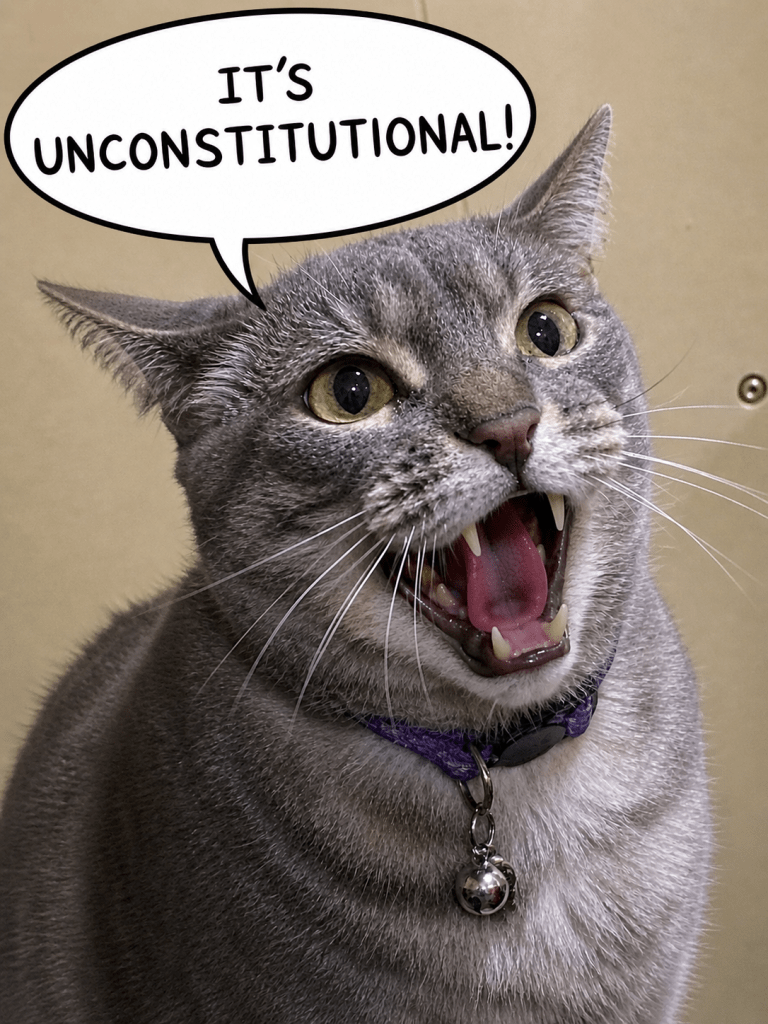
“Mother,” she began with the tone of someone who has never been wrong in her life. She said, “I do not even look at my own butt. Why would I volunteer to examine strangers? I am a queen. Not a Rear‑End Archaeologist.” Then she knocked over a cup to punctuate her point.

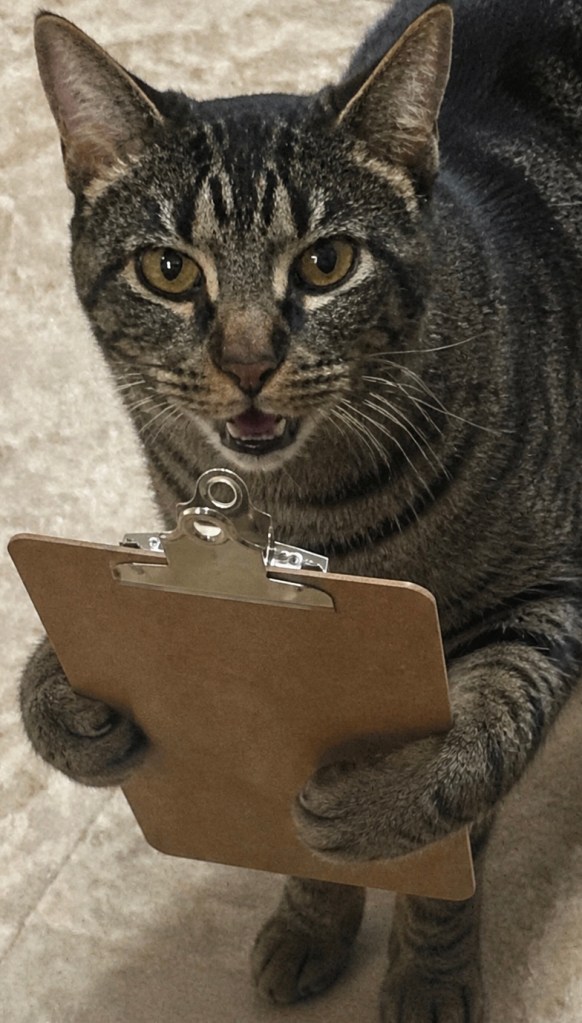
Piper pulled out her clipboard like she was conducting federal interviews.

She said, “Let’s review my qualifications. I’m good at surveillance, judgment, filing complaints, identifying your mistakes in real time. And documenting chaos for legal and spiritual purposes.

“Now,” she continued, “let’s review what I am not qualified for.” I am not qualified for tunnel exploration. Human cave mapping. Backdoor diagnostics. And anything requiring latex gloves. She looked at me over her glasses (that she does not own) and added, “And neither are you.”

Tinkerbell arrived late, loud, and ready to deliver a keynote address.

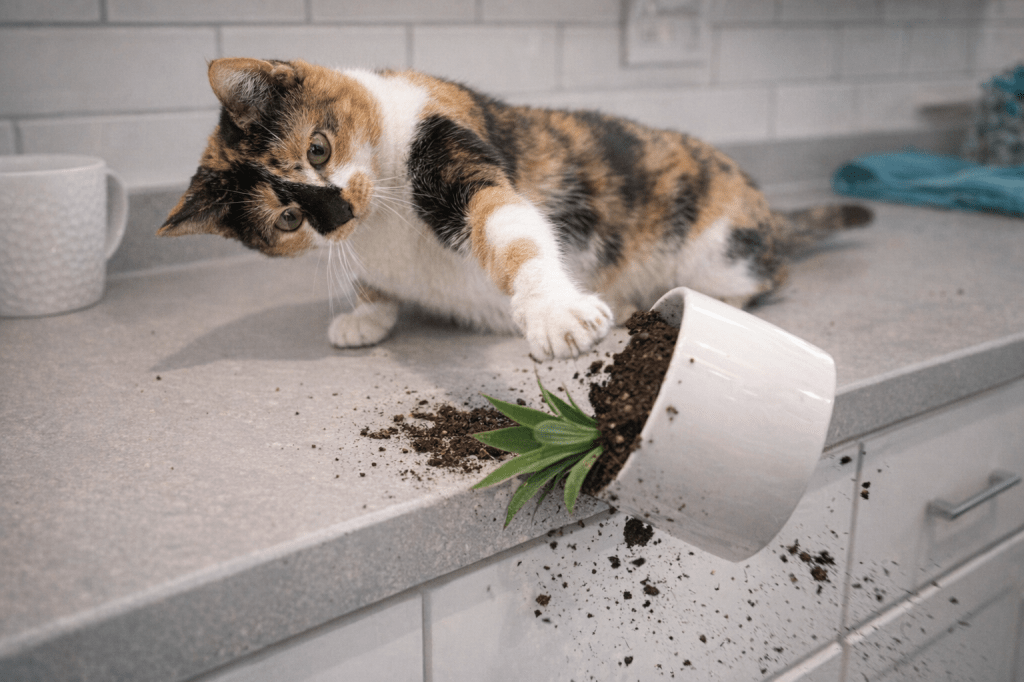
And while pacing like a tiny insurance adjuster preparing to deny a claim she said, “Every household needs boundaries. And the boundary we are establishing today is simple. No one here is going into the human abyss professionally.” She then knocked a plant off the counter. I assume that was her way of cleansing the space.

Let’s be honest. We are a household of snacks, chaos, and questionable decisions. We are not a household of brave medical back‑alley expeditioners. And we are barely a household of people who can schedule our own appointments. If someone said, “Dana, your community needs you to become a proctologist.” I would simply pack a bag and move into the woods. The cats would follow while carrying clipboards, snacks, and a list of reasons why this was the correct choice.

Coco had declared the entire topic unconstitutional. Piper had drafted a 47‑page complaint titled “Absolutely Not: A Household Manifesto.” And Tinkerbell was in the corner performing a spiritual audit to determine which one of us invited this energy into the home. And honestly? She’s right to ask.

We are a household of snacks, naps, chaos, and questionable decision‑making. But we are not a household of brave medical cave divers. We can barely handle a vet appointments without forming a support group. And the very idea of any of us voluntarily entering the human abyss? Coco said, “she’d rather get a job.” Piper said,  “she’d rather work retail.” And  Tinkerbell said, “she’d rather reincarnate.”

We salute the proctologists of the world. We honor them. We appreciate their courage, training, and their commitment to the human cause. We thank you for your service. But in this house? Absolutely not. Not today. Not tomorrow. And not in any timeline where Coco is in charge of HR. 

We will be over here lighting sage. Minding our business. And staying far, far away from the canyon of no return. By the end of this whole ordeal, it became painfully clear that me and these three furry unionized coworkers of mine are now going to have to schedule another therapy session. An emergency one, at that.

Coco needs to process the emotional violence of even hearing the word “proctologist.” Piper has to unpack the secondary trauma of documenting the conversation. And Tinkerbell? She’s already drafting a statement for the therapist titled “Boundaries, Backdoors, and Why My Household Must Never Speak of This Again.” Our poor therapist has her monumental work cut out for her.

And honestly, I’ll be right there on the couch with them. I’ll be clutching my emotional support iced coffee while explaining to our brave, patient and compassionate therapist how a simple morning spiraled into a full‑blown spiritual evacuation drill. We are not called to that ministry. And we will be processing the thought of it for weeks. And that, my friends, is where I set the mic gently on the floor. Walked away. And let the ancestors close the door behind me. Thanks for reading! And do what makes you happy. 

Affirmation: I am divinely protected from careers, conversations, and chaos that are not meant for me. My household walks in clarity, boundaries, and the sacred right to say, ‘Absolutely not.’

***Don’t forget to watch the video!***

#ThisPuzzledLife
PTSD Awareness: Because Trauma Didn’t Ask for Your Job Title Before It Moved In

“PTSD doesn’t check uniforms. It checks histories. And some of us survived wars nobody ever saw.”

-This Puzzled Life

Light the charcoal. Sprinkle the sage. Today we’re not just cleansing the room. We’re cleansing the generational nonsense that keeps trying to set up a timeshare in our nervous systems. And apparently we’re gonna need both if we’re talking about PTSD. And the world still thinks it only comes issued with a uniform, dog tags, and a government contract.

I’m standing in my kitchen like a bootleg priestess of the Deep South. I’m waving smoke around like I’m trying to reboot the Wi‑Fi of my soul. The sage is burning. The charcoal is crackling. And my cats are staring at me with the same expression Southern aunties use when you tell them you’re “working on your boundaries.”

The air is thick with incense and unprocessed childhood memories. The vibe is “haunted but trying.” The soundtrack is the soft hum of trauma responses warming up like an old truck in winter. And behind me, my cats have formed a semi‑circle like a furry tribunal.

Piper: “Is this the trauma purge or the ‘Mama read another psychology article’ ritual?” 

Tinkerbell: “No, this is the one where she tries to heal her inner child but ends up reorganizing the spice cabinet.” 

Coco: “I’m only here because she dropped a Cheez-It earlier. And I’m hoping for a sequel.”

Meanwhile, I’m over here trying to explain to the universe loudly, with hand gestures, that PTSD is not some exclusive club where you need a military ID and a buzz cut to get in. Trauma doesn’t check credentials. Trauma doesn’t ask for your DD‑214. Trauma shows up like, “Hey girl, I heard you survived something awful. Mind if I stay forever and rearrange your brain chemistry?” And the universe is like, “Sure, pull up a chair.”

So here we are. Me, my cats, my sage, my charcoal, my trauma, and my determination to laugh about it before it eats me alive. If there’s one thing the South taught me, it’s this, “If you can’t laugh at your pain, it will absolutely laugh at you first.”

Let me set the scene. I’m standing in my kitchen. Sage smoking like I’m trying to summon every ancestor who ever survived a generational curse, a bad haircut, or a church potluck. My cats are watching me like I’m performing a ritual to resurrect the last bag of Temptations.

Piper squints at me. 

Piper: “Is this the trauma cleansing or the insomnia exorcism? I need to know which meeting I’m attending.” 

Coco: “Wake me up when the stinky flower medicine comes out. That’s when she stops pacing like a raccoon in a Dollar General parking lot.” 

Tinkerbell: “Neither. This is the ‘Mama read something online again’ ceremony.”

Every time I talk about PTSD, somebody somewhere says, “But you weren’t in the military.” And I’m like, “Correct. But I was in my childhood. And frankly, that was its own kind of deployment.”  PTSD does not check your résumé. It does not ask for your service record. It does not care if your trauma came from a battlefield, a backwoods childhood, a toxic relationship, a medical emergency, or that one time your mee-maw threw a shoe at you with the accuracy of a Navy Seal. Trauma is trauma. And PTSD shows up like an uninvited cousin at Thanksgiving. It’s loud. Unpredictable. And absolutely refusing to leave. Meanwhile, my cats are holding their own support group.

Piper: “Her insomnia is so bad I’ve started sleeping in shifts.” 

Coco: “I tried to keep up once. I saw the sun rise twice in the same day. I’m still not okay.” 

Tinkerbell: “I’ve filed a formal complaint with HR. HR is also her. It’s not going well.”

Big Pharma has a pill for everything. Which including the side effects of the pill you took for the side effects of the pill you took for the original pill. And half of them end up in lawsuits. And apparently the medication was also causing spontaneous combustion or turning people into werewolves. Meanwhile, cannabis is over here like, “Hey girl, wanna sit down and breathe for a minute?” And when I pull out the flower medicine, the cats perk up like I just announced a family meeting.

Piper: “Ah yes, peace is coming.” 

Coco: “Finally, she’ll stop reorganizing the pantry at 3 AM.” 

Tinkerbell: “Blessed be the bud that calms the beast.”

Suddenly the whole house exhales. The walls stop vibrating. The anxiety gremlins go back to bed. The cats reclaim their rightful positions as tiny loaf-shaped monarchs. And with the current state of our nation, the number of people developing PTSD is probably about to skyrocket. We’re all one news headline away from needing a weighted blanket, a therapist, and a federally funded emotional support possum.

If you’ve got PTSD and you didn’t get it from war, guess what? You’re not alone. You’re not broken. You’re not dramatic. You’re not “overreacting.” You’re just a human who lived through some stuff that your brain is still trying to file correctly. And if anyone tries to tell you PTSD is only for soldiers, send them my way. I’ll let 13 explain it. She’s the mean one.

Roll the flower. Because healing isn’t a uniform. It’s a revolution. And in this house, we honor every survivor, every story, and every cat who has ever witnessed a 4 AM trauma spiral and stayed anyway. Thanks for reading! And keep moving forward.

Affirmation: My trauma is valid, my healing is sacred, and I refuse to shrink my story just because someone else can’t imagine surviving it.

***Don’t forget to watch the video!***

#ThisPuzzledLife
Being an Empath: A Blessing, a Curse, and Occasionally a Loud Situation

“Being an empath means I can feel your energy shift before you even decide to shift it. Don’t act surprised when I respond like I already read the whole plot twist.”

-This Puzzled Life

 Light the charcoal. Sprinkle the sage. It’s my way of announcing to the universe, and anybody else listening, that the energy is about to be corrected. Redirected. Or escorted out. It’s not decoration. It’s a declaration. The vibes will behave. Or they will be removed.

Let me go on and say this before somebody gets the wrong idea and starts assigning me spiritual homework that I did not sign up for. Being an empath does not mean I’m a soft‑spoken emotional Roomba gliding around the house sucking up everybody’s mess in silence. No ma’am. No sir. No spirit.

I am an empath with range. I can read your tone, micro‑tone, micro‑aggression, and the ghost of the tone you almost used. And if my intuition taps me on the shoulder and whispers, “They tried you,” I will absolutely raise my voice like a Southern Baptist who just found out somebody parked in her spot at church.

Empath does not mean quiet. Empath means I know exactly why I’m yelling. People love to romanticize empaths like we’re walking mood rings with good credit. But the truth is more complicated. Being an empath is a blessing because you can walk into a room and instantly know who’s lying. Who’s tired. Who’s two seconds from crying. Who’s pretending to be fine. Who’s about to start some mess. Who needs a hug. Who needs a boundary. And who needs to be escorted out by security.

But it’s also a curse. You can’t turn it off. You can’t unfeel what you felt. You can’t unsee the emotional weather patterns swirling around people like spiritual Doppler radar. And sometimes you’re sitting there thinking, “Lord, why did you give me this gift without a mute button?”

Let’s tell the truth that makes people uncomfortable. Some empaths aren’t born. They’re forged. Some of us learned to read a room because we had to. Because survival depended on knowing when the energy shifted.

When someone’s mood changed. When danger was coming. When silence meant safety. And when footsteps meant run. That kind of childhood intuition doesn’t disappear. It grows up with you. It becomes a skill, a shield, a superpower and sometimes a burden you didn’t ask for.

So yes, some empaths are spiritually gifted. And some of us are trauma‑trained emotional detectives with a sixth sense and a therapist on speed dial. Being an empath means you don’t just enter a room. You scan it. You feel the tension in the air before anyone speaks. You clock the fake smile from across the room. You sense the passive‑aggressive energy floating near the snack table. You know who’s genuinely happy to see you. And who’s performing hospitality like it’s community theater. It’s not paranoia. It’s pattern recognition.

And while everyone else is like, “Oh, the vibe seems fine.” You’re standing there like, “No it doesn’t. Somebody in here is lying. And somebody else is about to cry.” Boundaries aren’t optional for empaths. They are survival gear. Without boundaries, an empath will drown in other people’s emotions like they’re swimming in a pool they didn’t even want to get in.

Boundaries are how we protect our peace, our energy, our intuition, our sanity, our inner child, our outer adult, and the version of us that still wants to believe people mean well. People who don’t understand boundaries think they’re rude. People who need your boundaries think they’re personal attacks. But people who love you will understand that boundaries are how you stay alive, present, and emotionally available without burning yourself to ash.

Let me be extremely clear in a way that even the spiritually hard‑of‑hearing can understand. When an empath sets a boundary, it is not a suggestion, a preference, or a cute little decorative fence. It is survival architecture.

Empaths don’t set boundaries casually. We set boundaries because we’ve already scanned the emotional terrain. We’ve already clocked the patterns. We’ve already felt the shift in your tone. And we’ve already sensed the storm clouds gathering behind your smile.

When someone violates a boundary we clearly communicated, it doesn’t feel like a misunderstanding. It feels like a threat. It feels like disrespect. It feels like someone walked into our house. Ignored the “Please remove your shoes” sign. And tracked mud across the ancestral rug. And because empaths are wired to detect danger that is emotional, spiritual, and energetic, boundary violations hit us like alarms going off in a building we didn’t even want to be in.

This is why people get confused when an empath goes from calm to “Oh absolutely not” in 0.3 seconds. They think we’re overreacting. But what they don’t understand is we saw the intention. We felt the entitlement. We recognized the pattern. And we sensed the disrespect before it fully formed.

By the time we raise our voice, the situation has already been analyzed. Processed. And spiritually notarized. Empaths don’t explode out of nowhere. We respond to the data. Violating a boundary is the emotional equivalent of someone looking us dead in the eye and saying, “I don’t respect your peace, your intuition, or your humanity.” At that point, the empath is not being dramatic. The empath is being accurate.

When I say I’m an empath, people assume I’m out here collecting gold stars from the universe. And waiting for someone to pat me on the head and say, “Good job for feeling things deeply. Absolutely not. I don’t need outside validation because I validate myself loudly, confidently, and with the full support of my intuition, my ancestors, and my own emotional PhD.

I spent too many years being trained to read every room, every tone, every shift in energy just to survive. So, trust me when I say, I know what I feel. I know why I feel it. And I don’t need a committee meeting to confirm it. My inner knowing is the authority. My boundaries are the policy. And my self‑validation is the final stamp of approval. Anyone else’s opinion is optional, decorative, and often late to the truth I already knew.

The next time somebody hears “empath” and assumes I’m a gentle emotional cloud floating through life, let me correct the record. I’m not floating. I’m detecting. I’m reading the room, the subtext, the spiritual Wi‑Fi, and the emotional weather report. And if the forecast says, “disrespect with a 70% chance of foolishness,” trust and believe I will bring the thunder. Empathy doesn’t make me silent. And sometimes accuracy requires volume. Thanks for reading! And go with your gut. Because it’s the most accurate feeling that you can feel.

Affirmation: I honor my intuition. Protect my peace. And raise my voice only when spiritually necessary. Which, unfortunately for some folks, is more often than they’d prefer.

***Don’t forget to watch the video!***

#ThisPuzzledLife
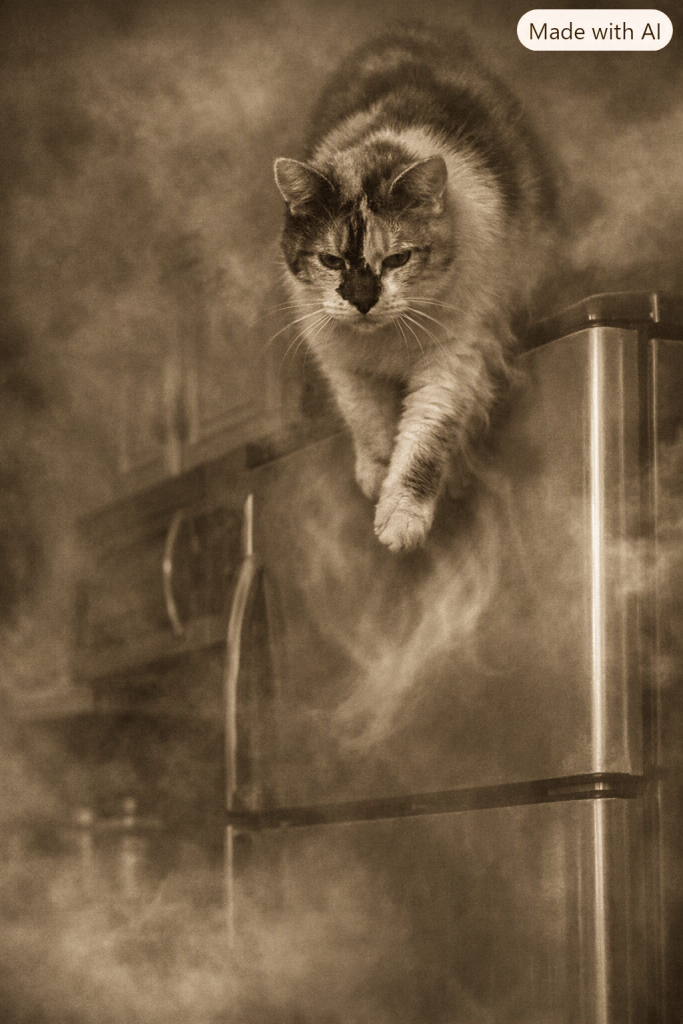
Trauma Awareness Month: The Stories We Carry, The Healing We Claim

“Trauma doesn’t make you weak. It makes you a witness to your own survival.”

-This Puzzled Life

Light the charcoal. Sprinkle the sage. Let the smoke rise like it’s clocking in for a shift. And let the air shift like it’s bracing itself for whatever truth you’re about to drag into the daylight. Today isn’t about pretending everything’s fine or slapping a smile on top of a wound. It’s not about the vibes, snacks, or cats doing interpretive dance in the sunbeam. It’s about trauma awareness. It is about naming the things we survived. The things we carried alone. The things we laughed through so we wouldn’t crumble. It’s a Southern‑fried, emotionally honest, and funny enough to keep you from dissolving into a puddle on the kitchen floor. 

Trauma Awareness is the kind that hides in your shoulders, jaw, breath, memories, and your jokes. And if we’re going to talk about it, we’re going to do it the only way I know how. Complete with honesty, humor, and the kind of emotional courage that feels like taking your bra off after a long day. It’s painful, relieving, and absolutely necessary.

There’s a moment right before you talk about trauma where your whole spirit goes, “Are we sure we want to do this?” It’s the same tone you use when someone says, “Let’s just run into Walmart real quick.” You know it’s not going to be quick. You know you’re going to see something you can’t unsee. You know you’re going to come out changed. Talking about trauma is like that. Except instead of a man in pajama pants buying raw chicken and fireworks, it’s your nervous system holding up a sign that says, “We’ve been through some things, ma’am.”

Trauma doesn’t just show up when you’re ready. Trauma is that one cousin who arrives early. Eats all the good snacks. And then says, “Why you look stressed?” It pops up at the worst times especially when you’re trying to relax. When you’re trying to sleep. When you’re trying to enjoy a sandwich. When you’re trying to mind your business. And when you’re trying to be a functioning adult for five minutes. Trauma will tap you on the shoulder like, “Hey bestie, remember that thing from 1998? No? Well, I do.” And suddenly you’re staring at the wall like it owes you money.

Your body remembers everything. Even the stuff you tried to bury under humor, iced coffee, and pretending you’re fine. You’ll be walking through Wal-Mart. Touching a throw pillow. And your body will whisper, “Hey, remember that time?” And you’re like, “No I do not. I am touching a pillow. Let me live.” But trauma doesn’t care. Trauma is like a Southern grandmother with a memory like a steel trap. And no sense of timing.

People talk about healing like it’s a spa day. Let me tell you something. Healing is not cucumber water and a robe. Healing is crying in the shower because your shampoo smells like 2007. Healing is realizing you’ve been clenching your jaw since the Bush administration. Healing is sitting in your car after therapy like you just got hit by an emotional freight train. Healing is messy. Healing is loud. Healing is quiet. Healing is confusing. Healing is holy. Healing is exhausting. Healing is worth it. But cute? Absolutely not.

So, buckle up. Because the cats have decided it’s Trauma Awareness Hour. And apparently they’ve all been waiting their whole lives to trauma dump with the enthusiasm of a group therapy circle run by toddlers. And today is the day they ask deeply personal questions with the emotional sensitivity of a toddler holding a chainsaw. They have formed a circle. They have snacks. They have opinions. And apparently, they have questions about my trauma.

Me: “Okay, girls. Today we’re talking about trauma. Share whatever you feel comfortable with.”

She raises paw like she’s in kindergarten

Piper: “I’ll go first because my story is the most dramatic. Obviously.”

Coco: “Oh lord.”

Tinkerbell: “Let the child speak. She needs this.”

Piper: “So picture this. Me and my siblings. In a metal box. In the Mississippi heat, basically sautéing like tiny furry cornbread muffins.”

Me: “Baby, that’s awful.”

Piper: “I know. I was basically a rotisserie chicken with trauma.”

Coco: “You were a sweaty raisin with opinions.”

Piper: “Anyway, I survived because I’m dramatic and stubborn. And now every time the sunbeam hits me wrong, I flop over like a Victorian woman fainting at a garden party.”

Tinkerbell: “You faint because you forget to breathe when you get excited.”

Piper: “Trauma. Tinkerbell. Let me have this.”

Coco clears throat like she’s about to deliver a TED Talk

Coco: “My siblings and I were found under a house. A house. Do you know what lives under houses? Darkness. Ghosts. Tax evasion. I was basically a feral raccoon with trust issues.”

Me: “You’ve come so far.”

Coco: “Yes. And now I cope by judging everyone. It’s called growth.”

Piper: “You judge me the most.”

Coco: “You give me the most material.”

Tinkerbell: “I don’t remember my trauma.”

Me: “At all?”

Tinkerbell: “No. I simply chose not to be present. I was spiritually unavailable.”

Coco: “You had worms.”

Tinkerbell: “Yes, apparently my intestines were hosting a music festival.”

Piper: “You pooped like you were trying to summon something.”

Tinkerbell: “I was summoning peace. And a vet. Preferably both.”

Me: “You really don’t remember anything?”

Tinkerbell: “I remember diarrhea. And then I remember you. Everything else is optional.”

Me: “Well, we’ve all been through some things.”

Piper: “Yeah, but now we’re together! A family! With two crazy brothers who scream at dust!”

Coco: “We are a support group. A dysfunctional one, but still.”

Tinkerbell: “We heal one memory at a time. Preferably with snacks.”

Piper: “And naps!”

Coco: “And boundaries. Mostly for Piper.”

Piper: “I don’t believe in boundaries.”

Tinkerbell: “We know.”

Piper: “Sometimes I get scared when it’s hot outside. So, I cope by yelling at the sun.”

Coco: “I cope by staring at people until they feel bad.”

Tinkerbell: “I cope by leaving my body spiritually whenever something stressful happens. Like when the vacuum turns on. Or when Piper breathes too loud.”

Piper: “I have big emotions.”

Coco: “You have no volume control.”

Tinkerbell: “You have the energy of a toddler who drank a Red Bull.”

Piper: “Momma, what is your trauma about?”

Me: “Oh absolutely not. We are not opening that can of worms. We’ll be here until this time next year. And I don’t have enough snacks or emotional stamina.”

Coco: “Is that why you have panic attacks in Walmart?”

Me: “Yes.”

Tinkerbell: “But what’s scary about going to the pharmacy?”

Me: “Everything.”

Piper: “Everything?? Like the shelves? The people? The lighting?”

Me: “Yes.”

Coco: “The lighting is aggressive.”

Tinkerbell: “The vibes are hostile.”

Piper: “The blood pressure machine is a demon.”

Me: “Exactly.”

Coco: “So what did our therapist tell you?”

Me: “She said, ‘I’ll see you in another couple of days.’”

Tinkerbell: “Translation: ‘You’re a lot. But I believe in you.’”

Piper: “Translation: ‘You have so many issues we need a punch card.’”

Coco: “Translation: ‘You’re keeping the lights on in that office.’”

Me: “But look at us now. We’re safe. We’re loved. We’re healing together.”

Piper: “And we have snacks!”

Coco: “And stability.”

Tinkerbell: “And indoor plumbing.”

Me: “We survived things we never should’ve had to survive. And now we get to build something soft and silly and sacred together.”

All Three Cats: “Group hug!”

Coco: “But don’t touch me too long.”

Piper: “I’m crying!”

Tinkerbell: “I’m dissociating!”

Me: “Perfect. Exactly the emotional range I expected.”

In small Southern towns, admitting trauma is treated like a social crime. The moment you name what happened, you’re not just telling your story. You’re “disgracing the family,” “embarrassing the community,” and threatening the carefully polished illusion of stability that everyone works so hard to maintain. The culture teaches people to swallow their pain. Protect the reputation of the town at all costs. And never, under any circumstances, call out the people who caused the harm. And because the “good ole boy” network is alive and well. And sitting in every position of authority from the courthouse to the church pews, the truth gets buried right alongside the accountability. Even when the perpetrators are known. Especially when they’re known. Nothing is done. The silence is enforced. The victims are shamed. And the town keeps smiling for the church directory photo like nothing ever happened. But the truth doesn’t disappear just because the town refuses to look at it. It lingers in the air, the families, the generations, waiting for someone brave enough to break the cycle and say, “This happened. And it mattered.” And I am that one in my family who refuses to stay quiet about the trauma that happened in the small city of Petal, MS.

Trauma will have you doing things that make absolutely no sense. Things like apologizing to furniture when you bump into it. Jumping at sounds that aren’t even loud. Overthinking texts like you’re decoding ancient scripture. Saying “I’m fine” in a tone that suggests you are, in fact, not fine. And crying because someone said, “I’m proud of you.” And your body wasn’t prepared for that level of kindness. Trauma will also make you emotionally attached to random objects. A mug. A blanket. A rock you found on a walk. A pen that writes really smooth. Your brain will be like, “This is my emotional support spoon. Touch it and perish.”

Trauma awareness isn’t about reliving the pain. It’s about naming it, so it stops owning you. It’s about understanding why you react the way you do. It’s about giving yourself grace for surviving things you never should’ve had to survive. It’s about learning that your triggers aren’t flaws. They’re evidence that you lived through something real. And it’s about knowing you’re not broken.

You’re healing. You’re growing. You’re learning how to breathe again. You’re learning how to trust softness again. You’re learning how to exist without bracing for impact. That’s not weakness. That’s strength with stretch marks.

May your healing be gentle. May your memories lose their sharp edges. May your nervous system unclench one muscle at a time. May your heart learn safety. May your voice return to you. May your laughter come back louder. May your story be yours again. And not something that happened to you. But something you rose from.

So, if no one told you today. You’re not dramatic. You’re not broken. And you’re not “too much.” You’re a whole human who lived through storms that would’ve snapped lesser souls in half. And you’re still here healing. Laughing. Unlearning, Softening. Reclaiming. That’s not survival. That’s resurrection. And baby, if that isn’t holy, I don’t know what is. Drop the sage. Keep the truth. And walk away knowing this. Your story didn’t end in the dark. You did.

Affirmation:  I honor the parts of me that survived. I honor the parts of me that are still healing. I am allowed to grow, to rest, to feel, and to reclaim my peace. And I can do it one breath at a time.

***Don’t forget to watch the video!***

#ThisPuzzledLife

Addiction Awareness: The Lover That Cuts Deep and Comes for Everything

“Addiction is a quiet predator. It’s patient. Calculated. Always hungry. And waiting for the moment you’re weakest to take the biggest bite out of your life.”

-This Puzzled Life

 Light the charcoal. Sprinkle the sage. Because when we talk about addiction awareness, the air needs to be thick with truth, protection, and the kind of courage that makes your voice shake but keeps going anyway. This isn’t a pretty conversation. It’s not a gentle unveiling. It’s not polite. It’s not something you whisper behind closed doors like a family secret wrapped in shame. It’s the kind of truth that shakes the floorboards and rattles the bones of anyone who’s ever lived it. Loved someone through it. Or buried someone because of it. This is a front porch, bare soul, trembling‑hands kind of truth. And today, we’re telling it out loud.

Addiction doesn’t walk into a home quietly. It barges in like a storm. It tracks mud across every memory. It rearranges the furniture of your life. And convinces you that chaos is normal. It teaches you to apologize for things you didn’t break. To shrink yourself so its shadow can stretch across the room. And to pretend you’re fine when your insides feel like shattered glass. And the cruelest part? Addiction doesn’t just take from the person struggling. It takes from everyone who loves them.

Families learn to tiptoe. Children learn to decode moods like weather patterns. Partners learn to carry burdens that were never meant for one set of shoulders. And the person battling addiction, learns to hide their pain behind a smile that fools everyone except the people who know them best. Addiction awareness isn’t about statistics or slogans. It’s about the people who wake up every day fighting a war no one else can see.

There are the battles fought in bathrooms, parked cars, and bedrooms with the door locked. The battles fought in silence because shame is louder than the truth. The battles fought by people who are terrified to ask for help because they don’t want to be judged. Dismissed. Or treated like a problem instead of a person.

Addiction awareness means saying, “You are not alone. You are not broken beyond repair. You are not the worst thing you’ve ever done.” It means recognizing that recovery isn’t linear. It’s messy. It’s painful. It’s full of relapses, restarts, and revelations. But it is possible. I tasted that freedom many years ago, during a moment in life that now seems like it never existed. 

Let’s talk about the people that love them too. The ones who hold the line when the person they love can’t. The ones who pray. Cry. Scream. Hope. And repeat. Addiction awareness means honoring their resilience. Their heartbreak. Their bravery. Loving someone through addiction is its own kind of battle that deserves to be seen.

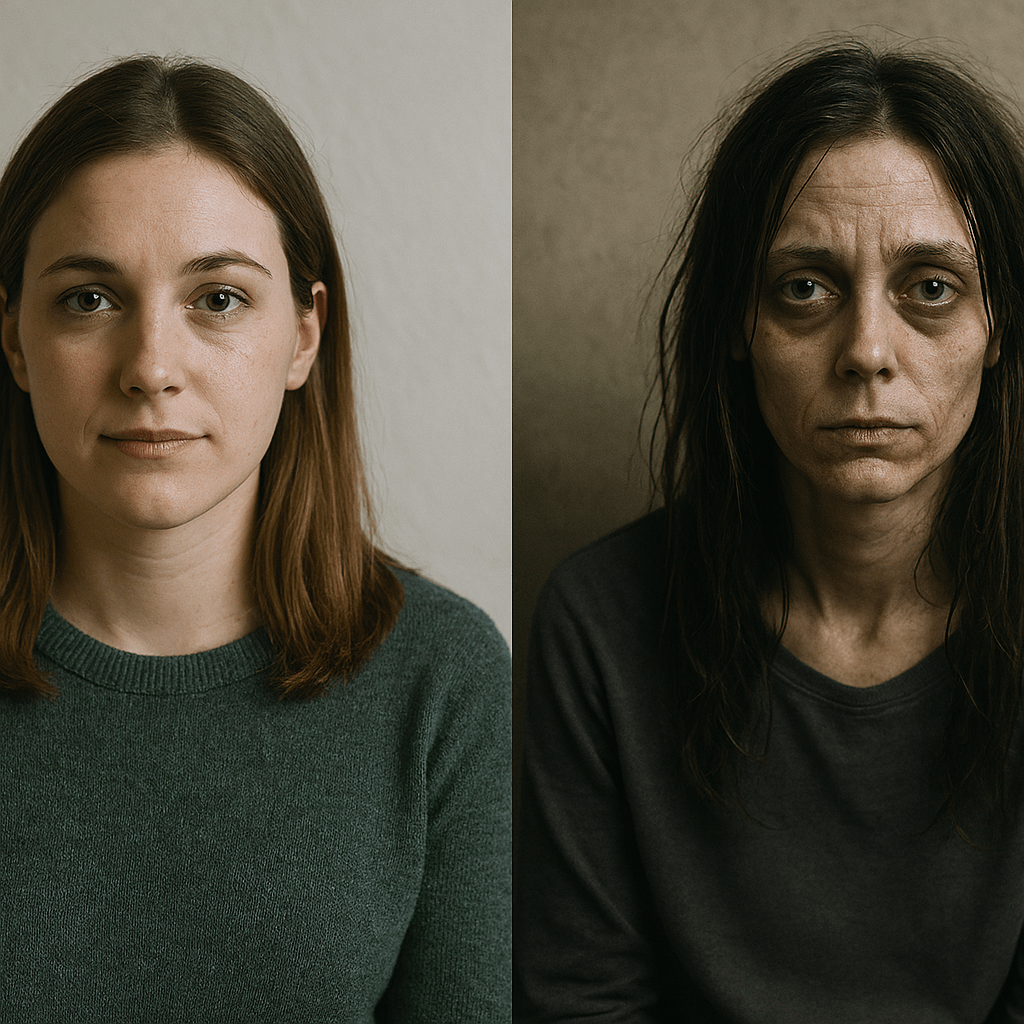
Addiction is not a moral failure. It is not a character flaw. It is not a sign of weakness. It’s a neurological hijacking. And once it gets inside, it takes the controls and refuses to give them back. It’s a thief. A liar. And a weight that no one should carry alone.

Awareness is the first step toward compassion. Compassion is the first step toward healing. Healing is the first step toward freedom. And freedom? Freedom is the birthright of every single person touched by addiction. It doesn’t matter whether they’re fighting it. Surviving it. Or loving someone through it.

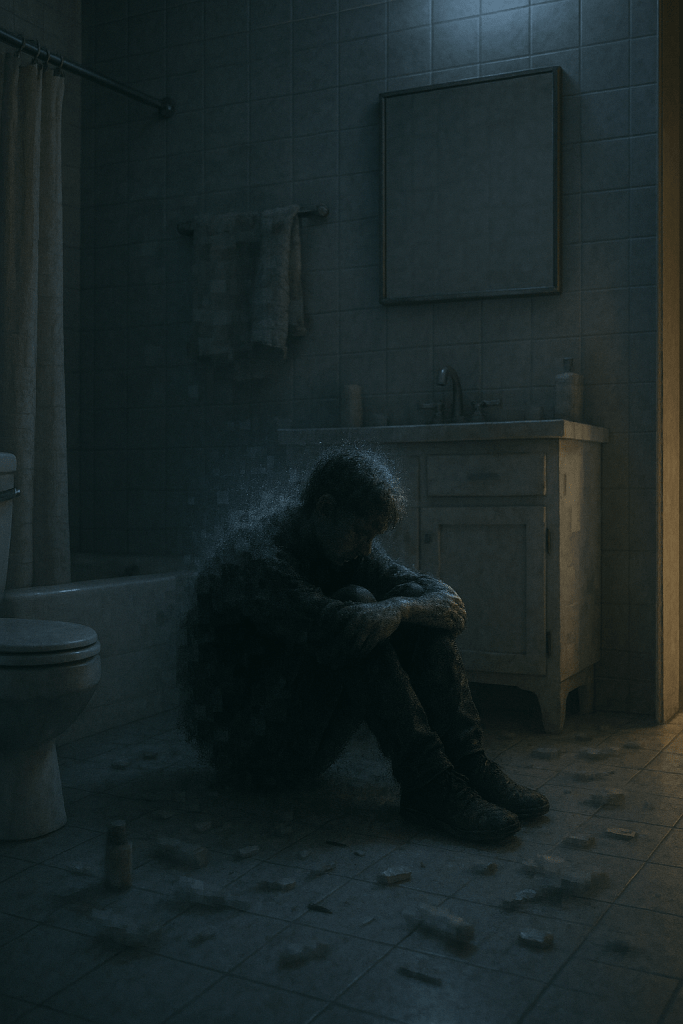
I have been an addict in one form or another since I was a very young teen. That’s the part people don’t see. The way it starts before you even understand what “coping” means. Before your brain is fully formed. Before you know that one decision can echo for decades. Some things I let go of and never touched again. But others? Others I’m still married to. Still controlled by. And still waking up beside like a partner I never meant to vow my life to. I’ve stood on every side of this issue. I’ve been a patient, professional, survivor, and witness. I’ve buried friends and family. And I’ve found the bodies of patients. I’ve even sat in classrooms learning the science. And I’ve sat on bathroom floors learning the consequences. 

One of the biggest debates is whether addiction is a disease. And honestly? I see both sides. But I can attest to this. What I know in my bones is that addiction will pick up exactly where it left off. It doesn’t forget you. It doesn’t forgive you. And it doesn’t loosen its grip just because you got tired.

It progresses like a slow-moving fire. Consuming everything until it shuts down every functioning cell in your body. It’s the lover that kisses your forehead while holding a knife behind your back. And it’s like trying to pet a rattlesnake and hoping it suddenly cares about your well-being.

There are no social crack users. No social heroin users. No social meth, fentanyl, or “just once in a while” users of the things that hollow you out from the inside. I’ve known too many who didn’t make it. Too many funerals. Too many empty chairs. Too many stories cut short. And the truth is brutal. Addicts are not the type who typically live to be 80. The statistics confirm what our hearts already know. That many have died. And many more will die.

And process addictions? Eating disorders, self-harm, gambling, sex addiction, etc. are not softer versions. They are simply different roads to the same grave. Addiction doesn’t care about the method. It cares about the destruction. And it will be done in totality emotionally, socially, spiritually, and physically.

It strips you down until you’re a shell of what once resembled a human being. It destroys your life and the lives orbiting yours. That’s the goal. It wants no interference. And no one slowing its roll. It wants you wrapped around its finger in a relationship so co-dependent it feels cellular. It doesn’t care how many relationships are ruined as a result. Addiction is about the next fix. Whatever that fix is. And you will chase it until the line between living and dying blurs. 

The saddest part is that you don’t know you’re susceptible until you’re already in it. Addiction does not discriminate. It shows no mercy to clergy, billionaires, politicians, Hollywood actors, musicians, doctors, lawyers, nurses, or the people just trying to keep the lights on and food on the table.

And the idea that you can outthink addiction? Outsmart the chemical, emotional, and neurological machinery it hijacks? That’s the thinking of fools. And I say that with compassion. Not judgment. There is nothing more heartbreaking than watching someone, yourself included, need their “drug” so badly that they would burn down every good thing in their life for another taste of something that is killing them.

Let the truth rise with the smoke. Addiction is not romance. It is not rebellion. It is not escape. It is suicide on an installment plan. And for every person who struggles, it has a bullet with their name on it. Even mine. Speaking the truth out loud is how we start breaking the cycle that wants us silent. Awareness is the first crack of light. Awareness is the first act of rebellion. Awareness is the first step toward choosing life. Even when the addiction whispers otherwise. It’s a story of survival in a world that doesn’t teach us how to hold our pain. 

Your days of hiding in silence are over. We’re speaking your name. Shine light in your corners. And refusing to let shame be your shield. This is awareness. This is courage. This is the moment we stop whispering and start healing. And it’s for every soul who deserves a life bigger than their battle. Thanks for reading! And ask for what you need.

Affirmation: I honor the battles I’ve survived, and I refuse to let the shadows that once claimed me write the rest of my story. I rise with clarity, courage, and a spine made of truth.

***Don’t forget to watch the video!***

#ThisPuzzledLife
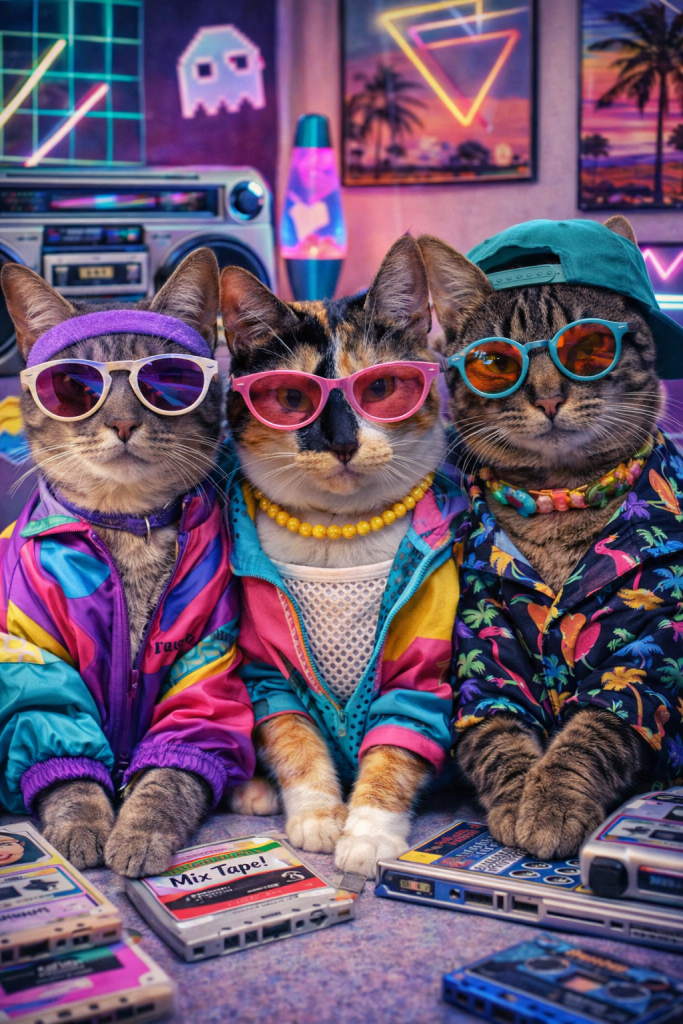
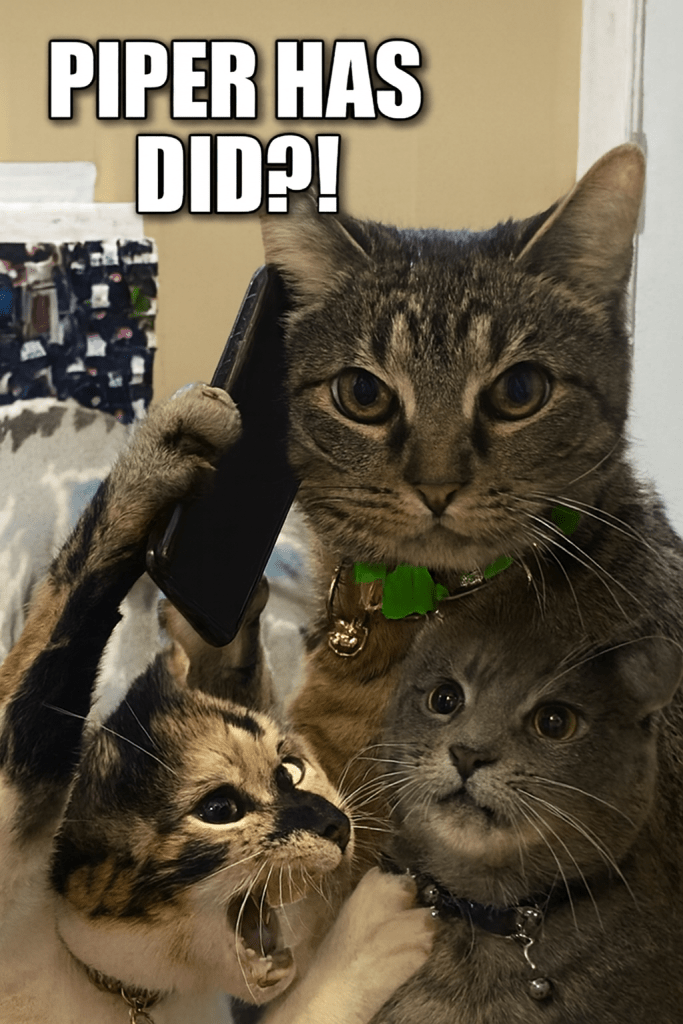
My Cat Tried to Call the Therapy Coach and Now We’re in a Full‑Blown Feline Intervention

“My system handles trauma like professionals. But the cats handle drama like they’re auditioning for a reality show called Real Housewives of the Litter Box.”

-This Puzzled Life

Light the charcoal. Sprinkle the sage. Secure the breakables. Today’s episode of This Puzzled Life features a full‑blown feline committee meeting after Piper, chaos in fur form, announced that she “might have Dissociative Identity Disorder.”

I have Dissociative Identity Disorder. Piper, however, is simply dramatic. And Tinkerbell and Coco are done with her antics. Welcome back where the sage is burning. The humidity is disrespectful. And the cats are holding more meetings than a Mississippi school board.

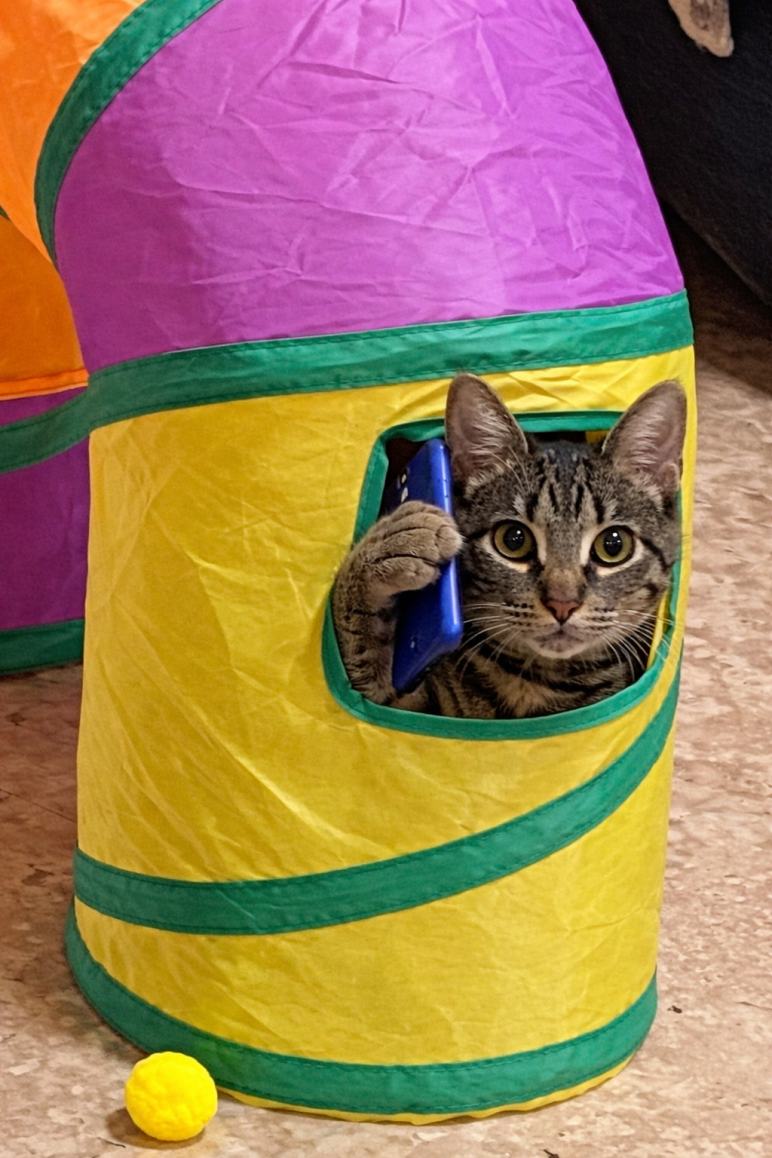
This morning started like any other. I was minding my business. Drinking my coffee. And trying to keep my nervous system from filing a complaint with HR. When Piper strutted into the room and announced that she “might have Dissociative Identity Disorder.” Before I could even blink, she was paw‑dialing my therapy coach like she had Blue Cross Blue Shield and a co‑pay. And that’s when Tinkerbell and Coco called an emergency meeting. Because apparently, in this house, I’m not the only one with a system. I’m just the only one with a diagnosis.

Tinkerbell climbed onto the arm of the couch like she was chairing a Mississippi church committee.

Tinkerbell: “This meeting will now come to order. Piper has made a claim. A bold one.”

Piper: “Ok. Well, there is no easy way to say this. I have DID.”

Tinkerbell: “Piper, having nine lives is not the same thing as having nine personalities. Stop confusing reincarnation with psychology.”

Coco: “Yeah, girl. Nine lives just means you make nine bad decisions. Not that you need nine therapists.”

Piper gasps, fluffs up, dramatic tail twitch

Piper:  “Wow! So, nobody believes me? Nobody supports my journey? I’m being silenced. This is oppression. I’m calling coach right now!”

Coco: “You can’t even remember where you left your toy mouse. Sit down.”

Piper: “I am a complex being with layers!”

Tinkerbell: “You’re a lasagna with fur. Calm down.”

Coco flicked her tail like she was swatting away generational trauma.

Coco: “She doesn’t have DID. She has Too Much Drama Disorder.”

Piper, sprawled across a pillow like a Victorian widow, sighed dramatically.

Piper: “Sometimes I feel like different versions of me.”

Tinkerbell blinked slowly. The kind of blink that says, Lord, give me strength.

Piper sat up, whiskers trembling with self‑importance.

Piper: “Sometimes I’m sweet. Sometimes I’m spicy. Sometimes I’m feral. That’s at least three personalities.”

Coco rolled her eyes so hard she almost saw her past lives.

According to Piper, and only Piper, she “dissociates” at least three times a day. To everyone else in the house, she simply forgets what she’s doing because she’s Piper.

This morning, she was walking toward her food bowl with purpose, confidence, and the swagger of a cat who believes she pays rent. Halfway there, she froze. Stared into the void. And blinked like she’d just been unplugged and rebooted.

Tinkerbell watched her with the patience of a grandmother who’s seen too much.

Tinkerbell: “She’s not dissociating. She’s buffering.”

Coco flicked her tail

Coco: “That’s not a switch. That’s a brain fart.”

But Piper insisted.

Piper: “I think I dissociated. I forgot what I was doing.”

Tinkerbell sighed

Tinkerbell: “Sweetheart, you forget what you’re doing because you have the attention span of a dust bunny.”

Coco: “If staring at the wall counts as dissociating, then every cat on Earth needs a therapist.”

Piper, unbothered, continued staring into the middle distance like she was receiving messages from the universe.

Piper: “I just drifted away.”

Tinkerbell: “You drifted because you saw a dust particle and got confused.”

Coco: “You’re not dissociating. You’re daydreaming with commitment.”

Coco: “That’s called being a cat.”

Tinkerbell nodded

Tinkerbell: “You’re not special, darling. You’re just enthusiastic.”

Piper gasped like someone insulted her casserole at a church potluck.

Piper: “So you’re saying I’m dramatic?”

Coco: “I’m saying you’re Piper.”

This is where things went off the rails. Piper marched over to my phone. Tapped the screen with her paw, and said,

Piper: “I’m calling our therapy coach. I need a professional opinion.”

Tinkerbell nearly fell off the couch.

Tinkerbell: “Absolutely not. You are not dragging a licensed human into your nonsense.”

Coco leapt forward like she was blocking a football pass.

Coco: “Put the phone down. You don’t even know the passcode.”

Piper: “I know it’s numbers.”

Tinkerbell: “That is not enough.”

Piper: “I just want to ask if I have DID.”

Coco: “You don’t even have object permanence.”

Tinkerbell gestured toward me like she was presenting a case study.

Tinkerbell: “Our mom has DID. That’s a real thing. A trauma thing. A serious thing.”

Coco nodded, suddenly solemn

Coco: “She’s strong. She’s healing. She’s doing the work. You, on the other hand, tried to eat a rubber band yesterday.”

Piper: “It looked like a noodle.”

Tinkerbell: “It was not a noodle.”

Coco: “You’re not dissociating. You’re just unsupervised.”

Tinkerbell cleared her throat like a judge delivering a sentence

Tinkerbell: “Piper does not have DID. What she does have is excessive enthusiasm, poor impulse control, a flair for the dramatic, and a mother who spoils her.

Coco: “Case closed. Someone bring snacks.”

Piper: “I still think I should call the therapy coach.”

Tinkerbell: “If you touch that phone again, I’m calling Jesus.”

And as we wrap up this episode of Cats Who Need Supervision, I’ve realized something important. Living with DID is complex, sacred, and deeply human. But living with these cats is a full‑time job with no benefits and no union representation.

Some days my system is grounded and organized. Other days it’s buffering like a Dollar Tree Wi‑Fi router in a thunderstorm. And meanwhile, Piper is over here diagnosing herself with conditions she found on TikTok. Tinkerbell is exhausted. Coco is judging everyone. And Piper is still trying to call the therapy coach.

To all of us I wish healing, much laughter, surviving, and keeping the phone away from the cat who thinks she needs a treatment plan. And Piper? She’s grounded from the phone until further notice. Thanks for reading! Hug a cat if they let you.

Affirmation: Every part of you is powerful and worthy. And Piper, in all her chaotic glory, fully supports your healing while acting like she’s the self‑appointed spokesperson for your system.

***Don’t forget to watch the video!***

#ThisPuzzledLife