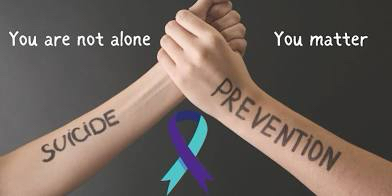

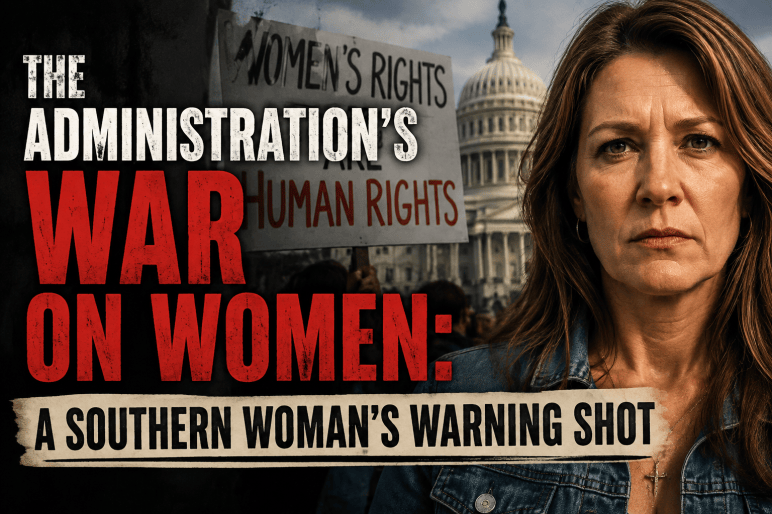
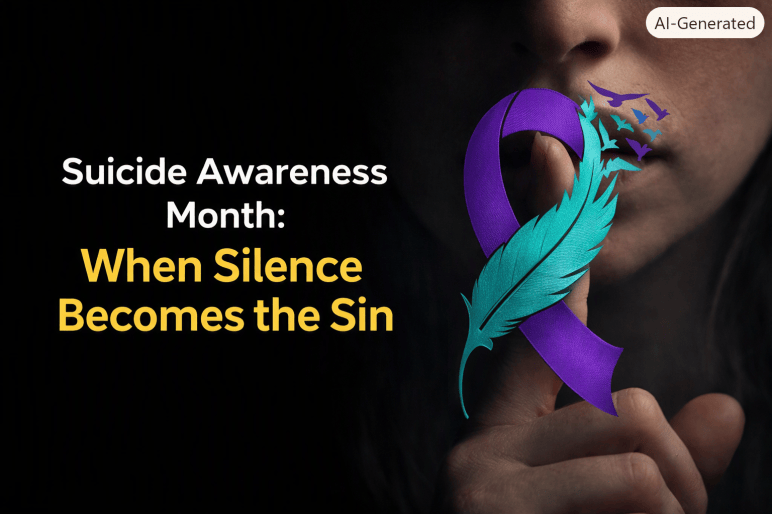
Suicide Awareness Month: When Silence Becomes the Sin

“I don’t blame the people we lost. I blame the silence that swallowed them.”

-This Puzzled Life

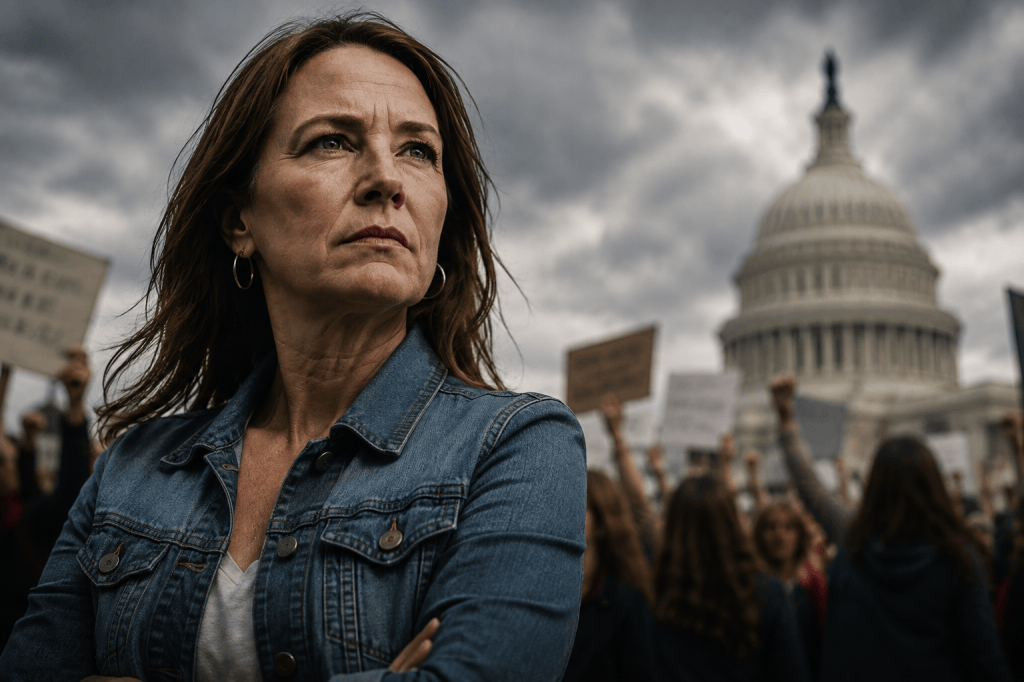
Light the charcoal. Sprinkle the sage. Lord knows, if we’re gonna talk about Suicide Awareness Month in the Deep South, we’re gonna need all the spiritual reinforcements we can get. The air gets thick. The whispers get quieter. And the truth starts pacing the room like it’s looking for a way out.

Let me set the scene. It’s September in the Deep South. Humidity thick enough to baptize you against your will. Church signs flashing Bible verses like spiritual traffic tickets. Every conversation about mental health wrapped in a casserole dish of denial. Then Suicide Awareness Month rolls around. And the way conservative Southern Baptists respond? You’d think someone asked them to admit they’ve been depressed since Reagan.

They hit you with the classic, “Thoughts and prayers.” And that’s the entire statement. Full stop. Period. End of sentence. End of conversation. If you try to talk about suicide beyond that? Oh, honey that happens behind closed doors. Whispered like gossip. Treated like sin. And buried under shame so thick you’d need a backhoe to dig it out. That’s how the shaming works down here. Not by yelling. But by refusing to speak at all. And I’m tired of silence being the loudest killer in the room. Suicide isn’t a “them” problem. It’s an all of us problem. And the numbers don’t lie. Even when the people in power do.

Over 49,000 people died by suicide in 2023. And that’s one death every 11 minutes. Suicide rates have climbed back to their previous peak after years of fluctuation. But some groups are hurting more than others. https://www.cdc.gov/suicide/facts/data.html?, 2026

1.American Indian & Alaska Native Communities

These communities have some of the highest suicide rates in the nation. Youth in these groups are disproportionately impacted due to historical trauma. Lack of access to care. And systemic neglect. 

2.LGBTQIA+ Youth

LGBTQIA+ youth face significantly higher suicide risk due to rejection, discrimination, and lack of safe spaces. And let’s be honest. The current political climate isn’t helping. Policies targeting queer and trans youth only increase fear, isolation, and hopelessness.

3.Black Youth

Black youth suicide rates have been rising with unique stressors tied to racism, community stigma, and lack of culturally competent mental health care. 

4.Veterans

Veterans continue to face elevated suicide risk due to PTSD, trauma, homelessness, and lack of adequate support. The VA reports long‑term patterns of high suicide rates among veterans. Especially those facing mental health and substance use disorders. 

5.Young People (15–24)

Suicide is the second leading cause of death for young people. In 2024 alone, nearly 5,915 young people died by suicide. 

I don’t write this from a distance. I write this from the front row of grief and personal struggle.

My life has been touched by suicide from more angles than I ever wanted. I’ve seen it happen to friends and family. People I loved. People I tried to reach. People I didn’t know were hurting until it was too late. And let me say this clearly. I am not mad at them. I do not hate them. I am not angry at what they did.

I am just deeply, sorry that they weren’t able to be reached. Sorry that the world failed them. Sorry that shame kept them silent. Sorry that help wasn’t accessible, safe, or welcoming. Sorry that they believed the lie that their pain was a burden. They deserved better. And so do the people still here.

I’m not here to sugarcoat this. Our nation’s mental health crisis is rising in part because of the current administration’s policies. And the harm they inflict on marginalized communities. When leaders create fear. Strip rights. Target vulnerable groups. And normalize cruelty. The emotional fallout is real. People feel unsafe. People feel hopeless. People feel hunted. And hopelessness is fertile ground for despair. This isn’t partisan. It’s human. And the statistics reflect the pain people are living through.

And here’s the thing I keep coming back to, over and over, like a hymn that won’t leave my bones. We are losing people because we refuse to talk. We are losing people because shame is easier to hand out than compassion. We are losing people because silence is the South’s favorite weapon. And its most deadly.

I grew up watching folks whisper about suicide like it was a scandal instead of a tragedy. I watched churches pray for “healing” while refusing to name the wound. I watched families bury their children and still pretend nothing was wrong. I watched people I loved slip through cracks that should never have existed in the first place. And I’m done pretending that this is normal. I’m done pretending that this is holy. I’m done pretending that this is anything but deadly.

Because the truth is this. People don’t die from weakness. People die from isolation. People die from shame. People die from being told their pain is an inconvenience. And if that stings, good. Some truths are supposed to.

 I have lost people I loved. People I laughed with. People I prayed for. People I would’ve driven across state lines for if I had known they needed me. And I don’t carry anger toward them. I don’t carry resentment. I don’t carry judgment. What I carry is sorrow. A deep, marrow‑level sorrow that they didn’t feel reachable. That they didn’t feel safe. That they didn’t feel like this world had room for their pain. And I will never stop wishing they had stayed. Not because their leaving was wrong. But because they deserved a world that didn’t make leaving feel like the only option.

 Let me say this plainly. Because I’m not sugarcoating a damn thing today. Our country is hurting because our leadership is hurting us. Policies that target the vulnerable create despair. Cruelty from the top trickles down like poison in the water supply. And if that makes someone uncomfortable, they can go ahead and sit with that discomfort. Maybe it’ll teach them something. I’m not here to protect feelings. I’m here to protect lives.

 This is my altar call, benediction, my Southern‑fried truth served hot and holy. We cannot pray away what we refuse to confront. We cannot heal what we refuse to name. We cannot save people we refuse to see. If we want to stop losing our loved ones, we have to stop hiding behind “thoughts and prayers” like they’re bulletproof. We have to talk. We have to listen. We have to show up. We have to fight for the living with the same passion we mourn the dead. Because every single person lost to suicide deserved a world that didn’t break them. So, if you hear me. If you really hear me. Then stand up. Even in the back. Even if your knees pop like bubble wrap. And say it with your whole chest. Thanks for reading! How can you relate to this?

 Affirmation: My voice is a lifeline. My truth is a lantern. I speak so others don’t have to suffer in the dark.

***Don’t forget to watch the video!***

#ThisPuzzledLife
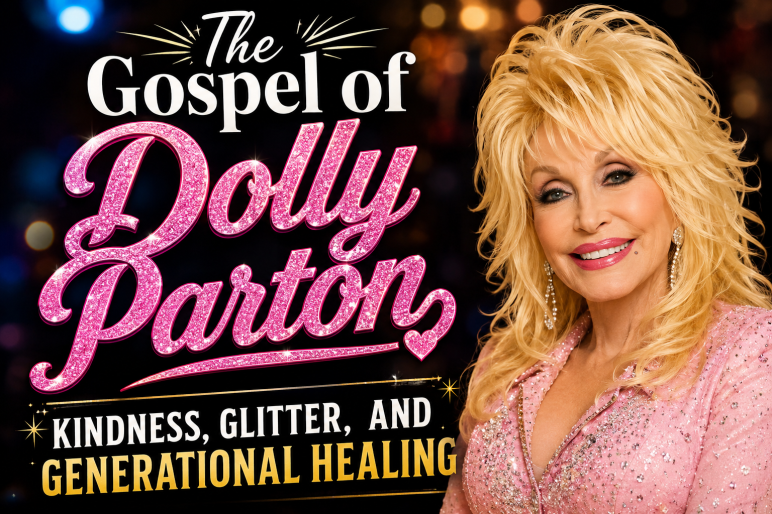
The Gospel of Dolly Parton: Kindness, Glitter, and Generational Healing

“Find out who you are and do it on purpose.” 

-Dolly Parton

Light the charcoal. Pull up a chair. And let’s call the ancestors. Today, we’re about to talk about a woman whose legacy smells like warm biscuits, rhinestones, and generational healing. Dolly Parton wasn’t just a country singer. She was a walking love letter to humanity. A Southern phoenix who rose from the Smoky Mountains with a voice full of honey and a heart full of fire. And Lord, did she use that fire to light the way for all of us.

When we speak Dolly Parton’s name, we’re not just telling a story. We’re summoning a legacy stitched into the bones of the South, the nation, and every child who ever held a book and felt their world crack open with possibility.

Dolly wasn’t just a singer. She was a healer. A mountain-born miracle. A Southern woman who took her own childhood that was poor, barefoot, brilliant, and turned it into a mission to make sure no child, anywhere, ever felt small because of their circumstances.

She carried the Smoky Mountains in her voice. It was the sass of every Southern auntie who ever said, “Bless your heart. But fix your life.” And the tenderness of a mama who knows what it means to struggle and still show up with love. And when it came to children, Dolly didn’t play. She built an empire of hope one book, one song, one act of kindness at a time.

10 Things Dolly Did for All Communities (Especially the Ones Society Overlooked)

  • She created the Imagination Library, sendingover 200 million free books to children in rural, urban, poor, wealthy, Black, white, immigrant, Indigenous, disabled, LGBTQ+ families, and everyone. Dolly said literacy wasn’t a privilege. It was a birthright.
  • She made sure those books were culturally inclusive. They featured stories with diverse characters, languages, and experiences so every child could see themselves reflected in the pages.
  • She funded vaccine research by helping save lives during a global crisis without needing applause or credit.
  • She uplifted LGBTQ+ communities by loving loudly. Defending boldly. And showing up long before it was “safe” or trendy.
  • She championed women’s empowerment by proving you can be glamorous, soft, and still run an empire with steel in your spine.
  • She protected Appalachian culture by honoring the stories, music, and people who shaped her. And making sure the world respected them too.
  • She donated millions to disaster relief, especially in overlooked Southern and rural communities that often get left behind.
  • She built Dollywood, creating thousands of jobs and economic stability for families who needed hope and opportunity.
  • She supported literacy and education beyond books, funding scholarships, schools, and programs for children who grew up like she did full of potential but lacking resources.
  • She modeled radical kindness, showing the world that compassion is not weakness. It’s world-changing power.

Dolly didn’t just give books. She gave children a future. She gave parents hope. She gave communities pride. She gave generations a chance to dream bigger than their circumstances.

Dolly Parton walked through this world like a rhinestone-wrapped blessing. She didn’t ask permission to shine. She just did. And she made sure everyone around her felt the warmth of that glow. She was the kind of woman who could take her own childhood poverty and turn it into a global literacy movement. Who could take her pain and turn it into poetry. Who could take her sass and turn it into strength.

She taught us that kindness is a revolution. She taught us that generosity is a legacy. She taught us that beauty is not about perfection. It’s about authenticity. She taught us that you can be underestimated your whole life and still outwork, out love, and outshine every last person who doubted you. She didn’t just leave behind songs. She left behind libraries. She left behind hope. She left behind a blueprint for how to live with grace, humor, and unapologetic sparkle.

So, light the charcoal. Let the ancestors hum. Let the mountains echo her name. Because Dolly Parton didn’t just change country music. She didn’t just change philanthropy. She didn’t just change the South. She changed humanity one child, one book, one act of love at a time. Mic dropped. Sequins scattered. Legacy eternal.

Affirmation: I shine boldly. Give generously. And build a legacy of love just like Dolly taught me.

***Don’t forget to watch the video!***

#ThisPuzzledLife
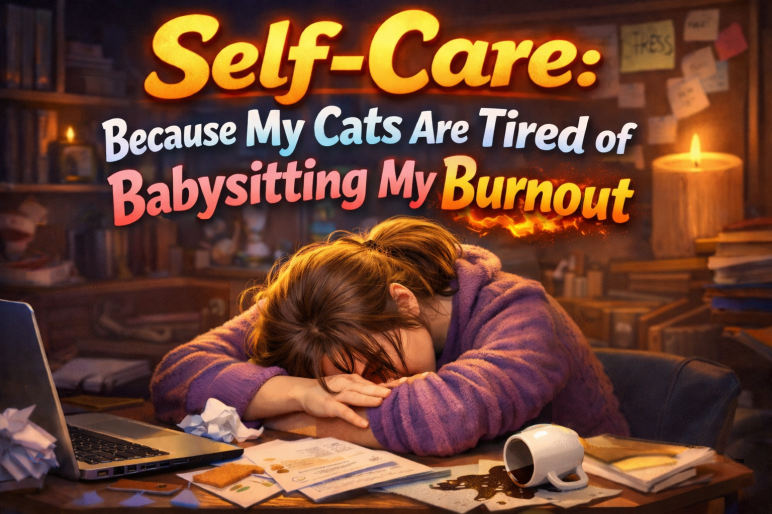
Self‑Care: Because My Cats Are Tired of Babysitting My Burnout

“I’m not tired. I’m Southern‑tired. Which means my soul needs a nap. My spirit needs a snack. And my cats need me to stop acting like I’m immortal.”

-This Puzzled Life

Light the charcoal. Sprinkle the sage. Let the ancestors clock in for their shift. Today’s energy walked in here barefoot. Tracking mud across my spirit. And my Southern cats have already filed a complaint. Listen. If self‑care were a Southern woman, she’d be standing on your porch right now. Her hands on hips. Church finger raised saying, “Baby, you look tired. Not regular tired. The kind of tired where even your shadow needs to sit down.”

Let me tell you something right now. Self‑care is not optional. Self‑care is not a luxury. Self‑care is not “I’ll get to it after I finish these 47 tasks and emotionally babysit three grown adults.” Self‑care is a requirement like sweet tea at a funeral. Or humidity in July. And if you don’t believe me, that’s fine. The cats do. And they’ve unionized. The cats are inside holding a family meeting about your wellbeing like, “Bless her heart. She tried to drink coffee for hydration again.”

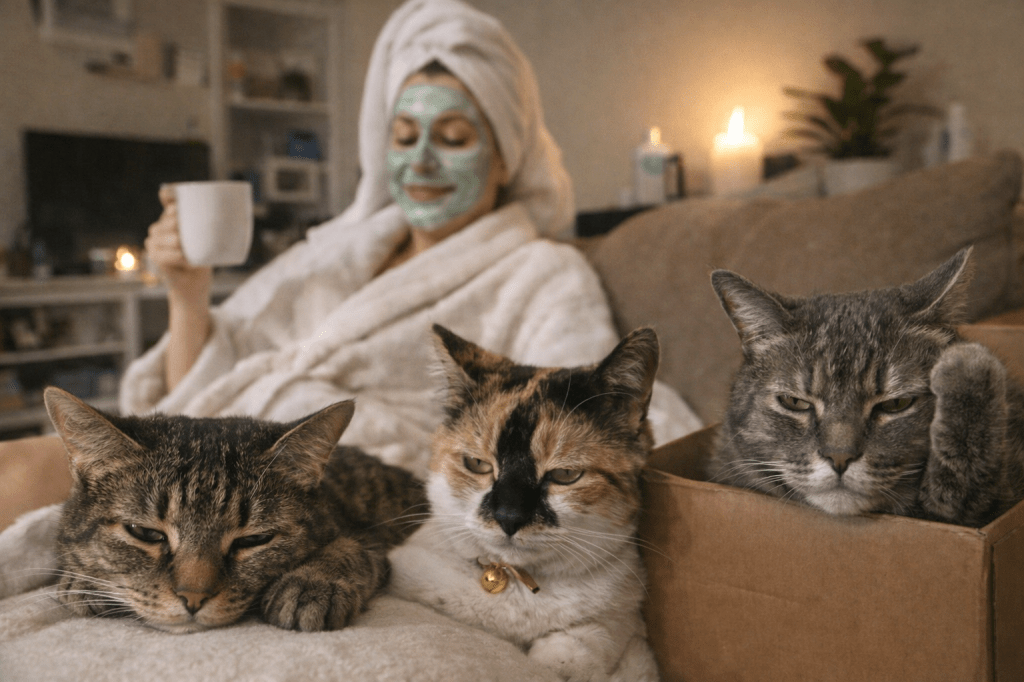
This is not a drill. This is a wellness emergency. This is FEMA‑level fatigue with a side of “I’ll rest when I’m dead.” And the cats have decided they will NOT be attending your funeral if you don’t get it together. Piper has already drafted a strongly worded letter to the universe. Coco is practicing her disappointed stare in the mirror. And Tinkerbell is pacing like she’s preparing to deliver a eulogy she absolutely does not have time for. They’re unified. They’re fed up. And they’ve declared you a Code Red Hot Mess until further notice.

Piper is perched on the counter like a tiny porch‑sitting auntie whispering, “Baby, cleanse this house before the chaos gets ideas.” Coco is circling my feet like she’s smudging the perimeter with her attitude alone. And Tinkerbell has taken her position by the window. And she’s staring into the horizon like she’s negotiating with forces I can’t see. We reclaim the room, the mood, and the moment. Negative energy gather your belongings and exit like you were raised right.

It started last Tuesday when I sat down on the couch. I was exhausted. And holding a cup of coffee that tasted like it had given up on life. Piper hopped up beside me, stared directly into my soul, and said (in fluent Southern telepathy),“Ma’am. When was the last time you drank water?”

Coco strutted in behind her like a wellness coach who charges $300 an hour and doesn’t take insurance. “And when,” she added, “was the last time you sat down without clenching your jaw like you’re trying to crack a pecan with your molars?” Tinkerbell didn’t say a word. She just placed one paw on my knee which is the universal sign for, “Baby, you’re running on fumes and spite.”

People hear “self‑care” and think it means a spa day, a $90 candle, or a bath bomb that promises enlightenment. But real self‑care is things like drinking water before your kidneys file a complaint. Saying “no” without writing a three‑paragraph apology. Resting because your body is not a rental car. Eating something green that didn’t come from a gummy bear. And getting enough rest so that your mind and body has time to digest what’s going on throughout our nation. It’s the quiet, unglamorous maintenance that keeps you from turning into a feral possum in a Dollar General parking lot.

Getting enough rest is not optional. It’s the bare‑minimum maintenance required to keep you from turning into a sleep‑deprived cryptid haunting your own kitchen. Your body is not a 24‑hour Waffle House. And yet you keep acting like folks can wander in at any hour demanding emotional hash browns “scattered, smothered, and covered.” Meanwhile, your Southern cats are watching you shuffle around the house like a ghost who missed their exit to the afterlife.

Piper keeps blinking slow like she’s trying to Morse‑code “go lay down.” Coco has already dragged a blanket onto the couch in protest. Tinkerbell is perched on the armrest while giving you that look that says, “If you don’t rest voluntarily, we will stage a wellness coup.” Rest is not laziness. Rest is strategy. Rest is how you keep your spirit from filing for divorce.

Piper naps 19 hours a day and feels no shame. Coco refuses to let anyone touch her unless she specifically requests it. Tinkerbell meditates by staring at the wall like she’s communing with the ancestors. These cats have boundaries so strong they could stop a hurricane. And here I am, letting people text me “hey u up?” at 6 AM like I’m a Waffle House.

Down South self‑care also means ignoring your phone like it’s a bill collector. Sitting on the porch and letting the breeze baptize you. Lighting a candle and telling the ancestors, “Handle it. I’m tired.” And eating a biscuit because joy is medicinal. And yes, sometimes it means telling your entire family, “I love y’all. But I’m off duty today. Please direct all emotional emergencies to Jesus or the group chat.”

Piper says, “Hydrate or diedrate.” Tinkerbell says, “Rest is resistance.” And Coco says, “If you don’t take care of yourself, I will sit on your chest until you do.” Honestly, that last one felt like both a threat and a blessing. You deserve rest. You deserve softness. You deserve to take care of yourself without guilt gnawing at your ankles. Self‑care is not selfish. Self‑care is how you stay alive. Stay sane. And stay Southern without cussing out the entire tri‑county area. This means that I also need to do better at self-care. 

So, here’s the truth. And it’s delivered with the force of a cast‑iron skillet hitting a countertop. If you don’t start taking care of yourself, your cats will file a formal complaint with the ancestors. And they will win. Rest. Hydrate. Set boundaries. Do it like your sanity depends on it because it does. We’ve still got many months of with this horrible administration.

Now go practice some self‑care before Piper drafts a PowerPoint. Coco calls HR. And Tinkerbell summons the spirits to intervene. And that’s on sweet tea, porch swings, and minding your blessed business. Thanks for reading! And know that you’re worth it.

Affirmation: I honor my rest. Protect my peace. And let my body recharge without guilt. Because even my ancestors and my cats agree that a well‑rested me is a powerful me.

***Don’t forget to watch the video!***

#ThisPuzzledLife
Suicide Awareness And Prevention Groups

“Grit your teeth and let it hurt. Don’t deny it. Don’t be overwhelmed by it. It will not last forever.”

-Harold Kushner

Light the charcoal. Sprinkle the sage. Negative energy go away. Keeping in line with suicide awareness, I thought I would talk about a couple of groups that reflect awareness and prevention. There are so many groups out there that stay along these same lines. And I wish that I could spotlight them all.

To Write Love On Her Arms

This group is a nonprofit group dedicated to presenting hope and finding help for people struggling with depression, addiction, self-injury, and suicide. Jamie Tworkowski set out only to help a friend and to tell her story. When he met Renee Yohe, she was struggling with addiction, self-injury, and suicidal thoughts. He wrote about spending five days with her prior to her entering a treatment facility. And he began selling t-shirts to help fund her treatment by posting them on Myspace. Soon people from all over the world began contacting him and telling him about their struggles and heartbreaks. And in 2007, TWLOHA became an official organization. 

Here are some numbers associated with their organization:

·       210,000 messages from individuals in over 100 countries.

·       3.8 million miles have been traveled to meet people in their communities.

·       1,100+ blog posts and launched a podcast.

·       56,000 find help tool searches.

·       27,000 fulfilled merch orders

·       $3 million donated to treatment and recovery.

WE BELIEVE:

You were created to love and be loved.

People need other people.

Your story is important.

Better days are ahead.

Hope and help are real.

(www.twloha.com, 2025).

The Semicolon Project

It is an online community that began in 2013, when Amy Bleuel created it to honor her father, who died by suicide. The organization centers around mental health awareness and suicide prevention. The World Health Organization (WHO) reports a 25% increase in anxiety and depression during the first year of COVID-19. That combined with the nation’s political instability characterized by protectionism and unilateralism has led to strained international relations. And the stress funnels down to our families and personal stories. 

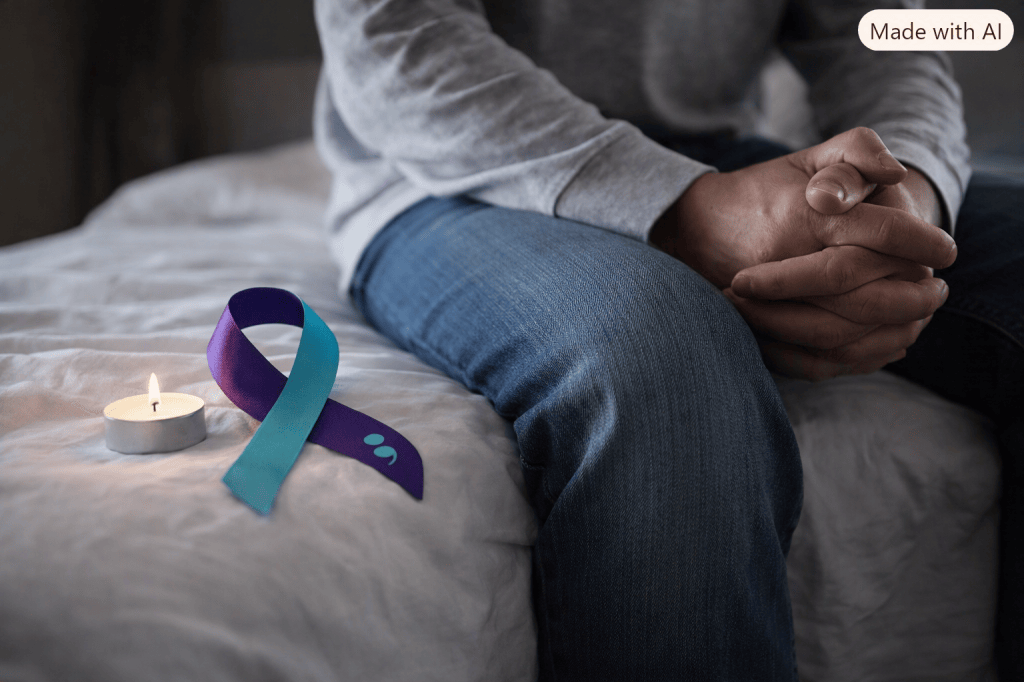
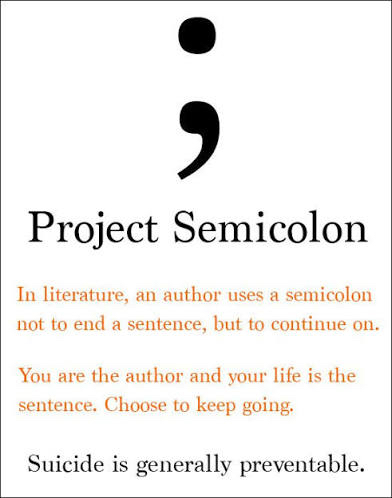
The semicolon represents a continuance of life where a period could have easily ended the story. There have currently been over 89,000 assessments completed. 5,336 journal entries shared. And have provided direct support to 214 individuals. Semicolon badges in Apex Legends and Call of Duty has reached over 1.3 million gamers and additionally 50 new chapters. And 84% of Project Semicolon members report that the organization has saved with lives in times of crisis (www.projectsemicolon.com, 2025). 

Mission Statement

Our mission is to empower individuals with mental health experiences to embrace their journey and recognize that their story is far from over.

I hope that you can take something from this information. Please take what you can use and leave the rest. And please pass along the information to someone who can benefit. Even if that someone is you. Keep smiling! And do not be afraid to reach out for help.

Affirmation: There are other ways to end my pain, even if I cannot see them right now.

***Don’t forget to watch the video!***

#Thispuzzledlife

LGBTQ+ And Suicide

“Our country is grappling with a youth mental health crisis, and it is particularly pronounced for LGBTQ+ youth.”

-Ronita Nath

 Light the charcoal. Sprinkle the sage. Negative energy, go away. Today, keeping in line with the topic of suicide, I want to discuss suicide in the LGBTQ+ community. 

The prevalence of suicide in the LGBTQ+ community is nothing new. The risk for suicide attempts and suicidal ideation can be 3 to 6 times greater for lesbian, gay and bisexual adults according to the National Institutes of Health. But there are also other statistics to keep in mind.

In 2024, 39% of LGBTQ+ youth considered attempting suicide according to The Trevor Project’s national survey. 1 in 10 of LGBTQ+ youth attempted suicide in the past year. And LGBTQ+ youth are more than four times likely to attempt compared to heterosexual youth. I can tell you that personally, I’ve been suicidal many times because of rejection from my family as a lesbian woman.

Transgender and Nonbinary identified individuals are at an even higher rate of suicide. And almost half seriously considered suicide in the past year. In 2022, 80% of transgender people had considered suicide and 40% had attempted. These statistics while staggering are not surprising. These demographic struggles are way more than they should be with little compassion from society.

Bisexual identified individuals are 1.5 times more likely to report thoughts and attempts compared to gay and lesbian individuals. And 2.98 times more likely to have  a suicide-related event compared to heterosexuals according to a 2022 study. And  the LGBTQ+ youth of color report higher rates of suicidal ideation and attempts compared to white peers (www.therevorproject.org, 2025). And there are several contributing factors such as:

·        Discrimination and Prejudice:discrimination, harassment and violence due to sexual orientation or gender identity increases the risk of suicide.

·        Lack of Support Systems: Limited social support from family, peers and community exacerbates the mental health challenges. 

·        Mental Health Disparities: LGBTQ+ individuals are more likely to experience depression and may face barriers to accessing mental health services (https://mhanational.org, 2025).

For someone who is a member of the LGBTQ+ community, I can tell you that I’ve considered suicide many times. The rejection from family and friends are sometimes more than I can bare. And having worked with someone in therapy many years ago, who was not sensitive to the needs of someone in these communities, there was little progress made. Mainly, because I couldn’t trust her. And she was extremely judgmental.

Since collaborating with coach for almost a decade, I can tell you that I have been able to fully accept the fact that I’m gay, despite my family’s disapproval. And then the religious communities also seem to greet us with bible verses telling how many ways we are going to hell. We all know that “choosing” to be gay is such an easier way of life. There the secret is out. 

With the current political administration taking away the rights and freedoms that the Stonewall riots stood against, and the lack of funding for suicide hotlines for LGBTQ+ youth, these rates will only climb. Our families, friends, churches, and government should be ashamed of standing by people who are ok with the policies set in place. We are the same as we ever were. We just wear rainbows now. 

There are those beautiful allies out there who remain the strength and backbone of our continual fight for equality. We are youth, parents, aunts, uncles, cousins, husband, and wives who just want to be recognized as equals in the eyes of the law. But where reputations and political agendas are from the far right, we must be even more solidified as a community. If someone is for rights with some and not others, I have no room for them in my life. But it’s taken me years to come to this conclusion. 

Is it lonely? At times, yes. However, I want people in my life who not only support me but also my friends. The suicide hotline is something that our community not only wants but needs. Many of us have non-supporting families and mine is no different. But I do have a place to live currently. But that does not constitute me putting up with homophobia or fragile masculinity and femininity.

The very few “true” friends I have, understand that being gay is not a “choice.” It’s who I am. And if that’s too much for someone to manage, that’s just too damn bad. To my fellow allies and community members, keep up the good fight. We must take up the original Pride flag are carry on. I love our colors. And I’m proud to call myself a member of the LGBTQ+ community.

Keep smiling. Keep shining. Knowing you can always count on me, for sure. That’s what friends are for. We are seen. And we are heard. And….WE ARE FABULOUS! Thanks for reading. Take what you can use and leave the rest.

Affirmation: I am proud of myself and will continue to strive to do well.

***Don’t forget to watch the video!***

#Thispuzzledlife

Suicide Awareness And Prevention Month

“This life. This night. Your story. Your hope. It matters. All of it matters.”

-Jamie Tworkowski

Light the charcoal. Sprinkle the sage. Negative energy go away. Thank God, we have made it through most of the hottest months of the year. September is another sticky, humidity filled month before the beginning of the cool down. September is also Suicide Awareness and Prevention Month. I know, it’s another upbeat topic. I think that the topic of suicide shouldn’t be taboo. It’s an unfortunate dark part of nearly every culture. And, yes, it has also affected my life in many ways which I’ll share.

Suicide has always been referred to as “the easy way out,” “selfish action,” a  “total disregard for friends and family,” and the most hurtful “a sin.” And it’s really easy for people to throw out opinions that help no one when they are struggling. That is minimizing their pain and abuse.

Having been not only a patient in the mental health system for the majority of my life, and working in the mental health field as a professional, I have also seen and been on most sides of this problem. People are so quick to judge what they don’t understand. And, sadly, suicide is a topic that tends to be discussed in judgment versus with compassion.

I have been chronically suicidal since I was a teenager. I was being abused and put on display for others to see for an entire year in school. I was also locked in a closet in that same room while being verbally abused in any way imaginable. I tried to tell adults about what was going on. However, I was made to feel like it was my fault. This helped the teacher to further perpetrate her abuse. My parents also made me apologize to her for comments that I made to her. But as their child, I was not protected by them or the administration. I was in a difficult situation without the possibility of brighter days ahead for the future.

My suicidal feelings got the best of me one day at school when I took forty aspirin. I had no idea, at that time, that it wouldn’t work. But the thought of continuing one more day at the hands and mouth of s purely evil woman was more than I could deal with. My parents were called and made aware. Nothing was ever done. I was never provided with any kind of help. Maybe it was the “standard” of the late 1980s. I was not given the emotional support to sort out my trauma. 

What I did begin doing was self-harm. I had no idea what it all meant, at that time. But I knew that it made things better even if for just the moment. As I’ve stated about my family’s dysfunctional dynamics, I was told just to make it through the year and everything would be fine. It wasn’t. Yes, the abuse ended. But I was not fine.

By my freshman year in high school, I was “balls to the wall” in addiction. Addiction that presented itself in drugs, alcohol, eating disorders and self-harm. The strongest addiction being self-harm. And 35 years later, it continues.

The depression, anxiety and suicidal ideations never subsided as I was told. One day I finally told my mother that had I had access to a weapon, I was going to kill myself. Instead of offering help, of any kind, I was met with anger and told that I was being selfish. My thoughts were anything but selfish. I was hurting in ways that no one knew. And no one seemed to care. So, I suffered in silence for many years.

As a child/teenager when traumatic events occur, your mind goes directly to self-preservation. You do whatever you can to either tolerate the darkness or end the pain. Meanwhile, the trauma of life continued at a level that no one is capable of dealing with alone. My next real relationship was abuse that lasted 14 years. And again, I felt trapped.

If you don’t understand the concept of Pavlov’s dogs, then you don’t understand what it’s like to be held mentally captive while the world sees your situation with an easy out. And the sad part about it, is that they think that you deserve everything you get because you don’t just leave. My parents attributed all of the chaos of that relationship as being something that religion could fix. So, we got involved in church. If anything, the abuse got much worse because now his weapon was a Bible that he read and used as justification that I should be “submissive” to his every demands. Mentally, I was trapped again without any way out. And my self-harm was not about survival. It was about making the pain end. 

I would reach a mental breaking point and would stand out in the front yard where we lived and pointed a gun at my chest and pulled the trigger. The strange part was that I seemed to be witnessing rather than taking an active role. I watched that whole event as a spectator. I don’t expect you to understand the power of dissociation. Most people, in fact, are very ignorant about it. Again, I was met with anger from my mother. She kept saying, “Hush! Hush! Do you want to go back to Pine Grove?” That is the local mental health facility. And at that moment all I needed was compassion. But again, I faced anger and judgment. I wasn’t trying to “take the easy way out” or be “selfish.” I just wanted the pain to end. And everyone seemed to lose sight of that reality but me.

The bullet went into my shoulder only a few inches from my heart. And even hospital staff treated me as though I was taking up space much better suited for someone else. Self-harm became a way of life for me. It’s been there when people should’ve been there. But self-harm doesn’t always mean “suicide attempt.”  And this is a very sore subject among family members. But I sit as an outcast by my family who want nothing more than the family name to not be tainted by abnormality. They acknowledge that bad things happen. But they just want it to disappear and to quit bringing shame to the family name and instead just move on with life. But the biggest factor, is that they don’t want to be perceived as “parental failures.” It’s still all about the reputation of the family.

 People that is not how trauma works. And saying, “We just didn’t know how to help you” is “shit”of an excuse. I was a child when it began. You were in the position to help protect your daughter and you didn’t. Remember, the part of the story where I said, “Just make it out of the 8th grade and everything will be better.” It’s 35 years later and it’s not better. It has crippled me as an adult. And has stolen my hopes and dreams. And I still deal with suicidal ideations on a daily basis. Those never went away either. So, I guess feeling like a “burden” to those who say that they love me but treat me as such will forever be the unhealthy narrative. I’ve asked them to do therapy to help with our relationship. But again, it’s of no importance. And the unspoken belief that I’m unworthy continues.

I wrote this blog to say this, “Quit making someone’s struggle with suicidal thoughts and actions be all about you. You are not helping anything. You only make it worse.” Simply say to them, “Your thoughts and beliefs are valid. Let’s find some compassionate help that will help you thrive. Throwing Bible verses in their face is not helpful. Telling them that they will go to hell is not helpful. They are already living in an emotional hell. 

This is not rocket science! Just don’t be an asshole as a rule of thumb. I have been in the position of being the last one to talk to a person moments before they completed suicide. I can tell you this, “I’m not mad at that person. I don’t condemn their actions. I don’t say, “Well I guess they’re in hell now. How selfish of them.” I simply say, “I hate that they were in so much pain that nothing anyone said could break through the cloud of despair.”

Until you’ve been in that position, you have no idea how strong emotions and thoughts are. And if the person felt like they had exhausted all of their means of trying to end the pain in an acceptable fashion, then they see no other way out. Judgmental comments about, “well, they didn’t seek out every source of help” is you seeing in from your perspective only. If you can’t see it from their perspective, you’re one of the lucky ones. Thanks for reading! Take what you can use and leave the rest.

Affirmation: I’m always healing and never alone.

***Don’t forget to watch the video!***

#Thispuzzledlife

Why Pretending You’re Ok Is Dangerous?

“I was tired of pretending that I was someone else just to have a good relationship with people, for the sake of having friendships.”

-Kurt Cobain

Light the charcoal. Sprinkle the sage. Negative energy go away. Okie dokie! I thought today, while staying in line about mental health awareness, it would be a clever idea to explore why we pretend that we are ok when we aren’t. And what are the reasons for doing this?

When someone asks, “How are you doing?” Most of the time they just expect the typical answer, “I’m fine.” Truthfully, though, most people do not don’t give a shit about how you are really doing. And when you tell them, you are met with an instant cellular retraction. You are seen as boundaryless or too overbearing. The truth, however, is that most people don’t know how to deal with anything that’s perceived as abnormal. My opinion is, “You asked how I was doing? So, guess what? I’m going to tell you exactly how I’m doing.” I do that sometimes just to see the reaction of others. 

When I was doing my undergraduate studies, one of my beloved professors explained this very thing. And ever since, I’ve assessed those theories only to prove them right repeatedly. I am not saying this as a blanket statement. But the truth is the truth. People back away from what they don’t understand. That’s about them, not you.

It does not speak about you as a human being. We have been conditioned as human beings, as a species, to be accepted and wanted despite the personal cost. Social media is all about presenting something that the average person considers useful in some way. It does not mean that what you witness is how someone is truly feeling. The conditioning that is implied is that without millions of followers, gets labeled as unworthiness. So, we put on a happy face and try to stay in some form of societal compliance as “normal” which doesn’t have a definitive definition. But do you know what the term “normal” actually is? It’s a setting on a washing machine. The term “normal” is actually a subjective term that doesn’t have a concrete definition. It’s nothing more than someone’s interpretation and social constructs of mainstream behavior. 

When we tell people we are ok when we really aren’t, is a “hail Mary” attempt at acceptance. But when we do that, we deny our true feelings and experiences. A big turn off when dealing with people is how they tell me how I should or shouldn’t feel about a situation. What this does is minimize the person’s feelings. It’s not up to you to tell them that their feelings are “ridiculous.”  However, the damage has been done. You just sent an unspoken message to the individual who asked the question, that they are not worthy of your time. And it’s incredibly hurtful. And since they aren’t a therapist trained on how to respond appropriately and therapeutically, the damage that is potentially caused can be catastrophic. So, instead of a positive act of vulnerability, the vulnerability is now covered in shame. We can develop a fear of vulnerability based on that one experience. And we also tend to prematurely judge every person and conversation thereafter in the same light.

I can’t tell you how many times I have been told that my fears and phobias are preposterous. But the situation that caused the fear was in fact very real. And its people, who have never gone through the same precipitating factors nor situation, who seem to have all the “correct” answers. I have been told some of those very things when it took everything I had to just be vulnerable enough to tell someone what happened. It has created so many therapeutic  “pitfalls” because of the fear and shame that I was left with from the very beginning of my trauma history. So many times, I could’ve gotten help sooner, but I suffered in silence because of how unworthy I felt trying to tell the wrong person that I needed help. And sadly, there are many people who die by their own hand. Shame was the killer.

Sometimes all you need to do is just hold a “non-judgmental” space for someone to talk. You don’t have to, nor do you need to have the answers. You are NOT a therapist. You are a “sounding board” at best. However, “non-judgmental” space is usually not common unless you’re sharing space with a competent therapist who understands the powerful and most sought-after form of safety that deserves the utmost respect.

The most supportive thing you can say to someone who approaches you needing that “sacred space,”  is, “I might not know how to help you, but your feelings are valid and I will listen supportively until we can find a mental health professional to help you.” That simple statement can change the course of someone’s life. You don’t have to be smart. You just have to be a HUMAN. Thanks for reading! Keep smiling!

Affirmation: I am a work in progress, and that is okay.

***Don’t forget to watch the video!***

#Thispuzzledlife