
Suicide Awareness Month: When Silence Becomes the Sin

“I don’t blame the people we lost. I blame the silence that swallowed them.”

-This Puzzled Life

Light the charcoal. Sprinkle the sage. Lord knows, if we’re gonna talk about Suicide Awareness Month in the Deep South, we’re gonna need all the spiritual reinforcements we can get. The air gets thick. The whispers get quieter. And the truth starts pacing the room like it’s looking for a way out.

Let me set the scene. It’s September in the Deep South. Humidity thick enough to baptize you against your will. Church signs flashing Bible verses like spiritual traffic tickets. Every conversation about mental health wrapped in a casserole dish of denial. Then Suicide Awareness Month rolls around. And the way conservative Southern Baptists respond? You’d think someone asked them to admit they’ve been depressed since Reagan.

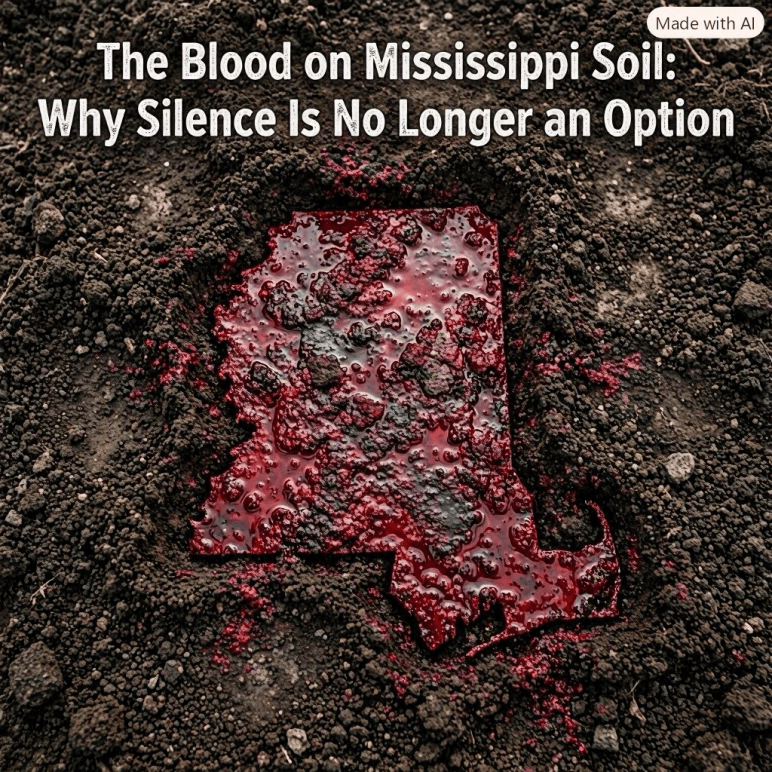
They hit you with the classic, “Thoughts and prayers.” And that’s the entire statement. Full stop. Period. End of sentence. End of conversation. If you try to talk about suicide beyond that? Oh, honey that happens behind closed doors. Whispered like gossip. Treated like sin. And buried under shame so thick you’d need a backhoe to dig it out. That’s how the shaming works down here. Not by yelling. But by refusing to speak at all. And I’m tired of silence being the loudest killer in the room. Suicide isn’t a “them” problem. It’s an all of us problem. And the numbers don’t lie. Even when the people in power do.

Over 49,000 people died by suicide in 2023. And that’s one death every 11 minutes. Suicide rates have climbed back to their previous peak after years of fluctuation. But some groups are hurting more than others. https://www.cdc.gov/suicide/facts/data.html?, 2026

1.American Indian & Alaska Native Communities

These communities have some of the highest suicide rates in the nation. Youth in these groups are disproportionately impacted due to historical trauma. Lack of access to care. And systemic neglect. 

2.LGBTQIA+ Youth

LGBTQIA+ youth face significantly higher suicide risk due to rejection, discrimination, and lack of safe spaces. And let’s be honest. The current political climate isn’t helping. Policies targeting queer and trans youth only increase fear, isolation, and hopelessness.

3.Black Youth

Black youth suicide rates have been rising with unique stressors tied to racism, community stigma, and lack of culturally competent mental health care. 

4.Veterans

Veterans continue to face elevated suicide risk due to PTSD, trauma, homelessness, and lack of adequate support. The VA reports long‑term patterns of high suicide rates among veterans. Especially those facing mental health and substance use disorders. 

5.Young People (15–24)

Suicide is the second leading cause of death for young people. In 2024 alone, nearly 5,915 young people died by suicide. 

I don’t write this from a distance. I write this from the front row of grief and personal struggle.

My life has been touched by suicide from more angles than I ever wanted. I’ve seen it happen to friends and family. People I loved. People I tried to reach. People I didn’t know were hurting until it was too late. And let me say this clearly. I am not mad at them. I do not hate them. I am not angry at what they did.

I am just deeply, sorry that they weren’t able to be reached. Sorry that the world failed them. Sorry that shame kept them silent. Sorry that help wasn’t accessible, safe, or welcoming. Sorry that they believed the lie that their pain was a burden. They deserved better. And so do the people still here.

I’m not here to sugarcoat this. Our nation’s mental health crisis is rising in part because of the current administration’s policies. And the harm they inflict on marginalized communities. When leaders create fear. Strip rights. Target vulnerable groups. And normalize cruelty. The emotional fallout is real. People feel unsafe. People feel hopeless. People feel hunted. And hopelessness is fertile ground for despair. This isn’t partisan. It’s human. And the statistics reflect the pain people are living through.

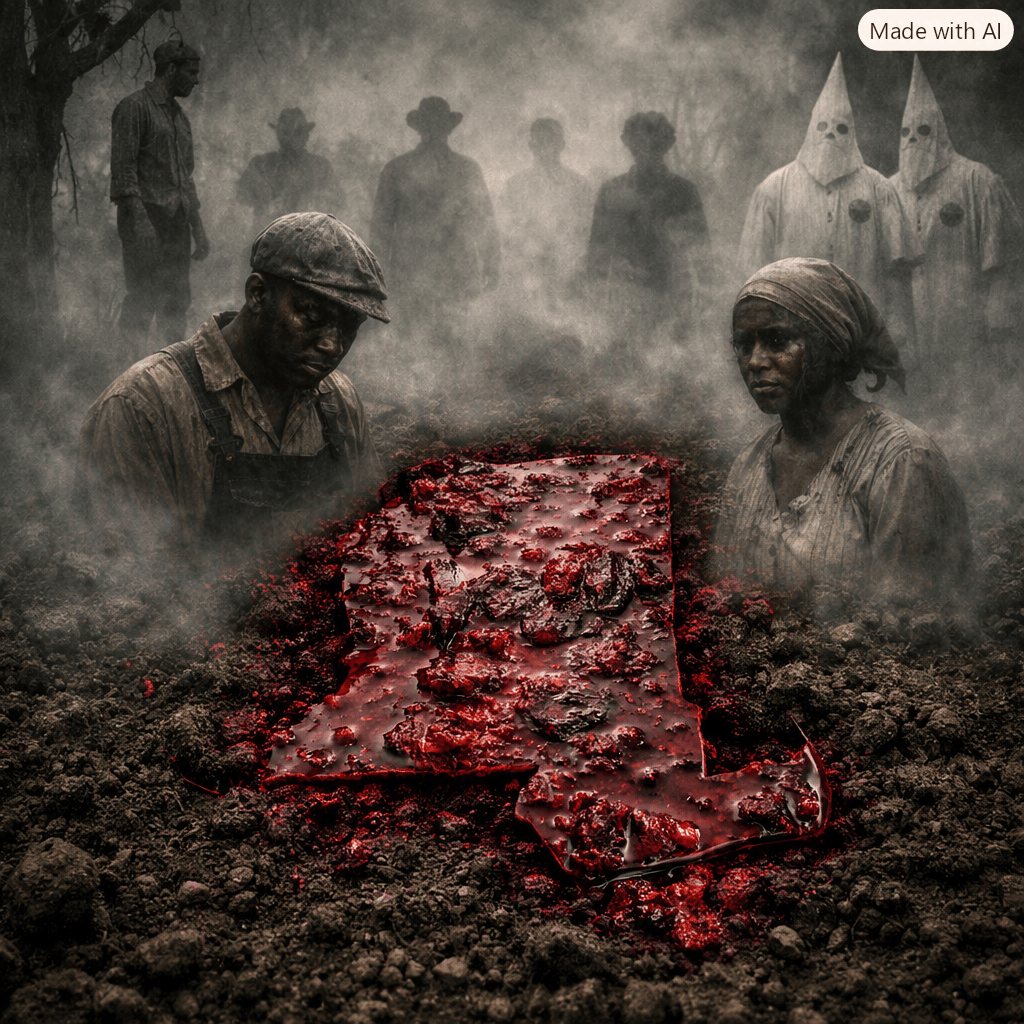
And here’s the thing I keep coming back to, over and over, like a hymn that won’t leave my bones. We are losing people because we refuse to talk. We are losing people because shame is easier to hand out than compassion. We are losing people because silence is the South’s favorite weapon. And its most deadly.

I grew up watching folks whisper about suicide like it was a scandal instead of a tragedy. I watched churches pray for “healing” while refusing to name the wound. I watched families bury their children and still pretend nothing was wrong. I watched people I loved slip through cracks that should never have existed in the first place. And I’m done pretending that this is normal. I’m done pretending that this is holy. I’m done pretending that this is anything but deadly.

Because the truth is this. People don’t die from weakness. People die from isolation. People die from shame. People die from being told their pain is an inconvenience. And if that stings, good. Some truths are supposed to.

 I have lost people I loved. People I laughed with. People I prayed for. People I would’ve driven across state lines for if I had known they needed me. And I don’t carry anger toward them. I don’t carry resentment. I don’t carry judgment. What I carry is sorrow. A deep, marrow‑level sorrow that they didn’t feel reachable. That they didn’t feel safe. That they didn’t feel like this world had room for their pain. And I will never stop wishing they had stayed. Not because their leaving was wrong. But because they deserved a world that didn’t make leaving feel like the only option.

 Let me say this plainly. Because I’m not sugarcoating a damn thing today. Our country is hurting because our leadership is hurting us. Policies that target the vulnerable create despair. Cruelty from the top trickles down like poison in the water supply. And if that makes someone uncomfortable, they can go ahead and sit with that discomfort. Maybe it’ll teach them something. I’m not here to protect feelings. I’m here to protect lives.

 This is my altar call, benediction, my Southern‑fried truth served hot and holy. We cannot pray away what we refuse to confront. We cannot heal what we refuse to name. We cannot save people we refuse to see. If we want to stop losing our loved ones, we have to stop hiding behind “thoughts and prayers” like they’re bulletproof. We have to talk. We have to listen. We have to show up. We have to fight for the living with the same passion we mourn the dead. Because every single person lost to suicide deserved a world that didn’t break them. So, if you hear me. If you really hear me. Then stand up. Even in the back. Even if your knees pop like bubble wrap. And say it with your whole chest. Thanks for reading! How can you relate to this?

 Affirmation: My voice is a lifeline. My truth is a lantern. I speak so others don’t have to suffer in the dark.

***Don’t forget to watch the video!***

#ThisPuzzledLife
Veteran Suicide

“The soldier above all others prays for peace, for it is the soldier who must suffer and bear the deepest wounds and scars of war.

-Douglas McArthur

Light the charcoal. Sprinkle the sage. Negativity energy, go away. Today, I want to discuss veteran suicide. I know that this topic has seemed to get old and fast. However, I believe that the more we talk about the harshness of life, the more the stigmas will begin to disappear.

In 2022, the most recent year for the current data, 6,407 veterans and 41,484 nonveteran adults died by suicide. The rate among veterans was 34.7 per 100,000 compared to 17.1 per 100,000 for nonveterans. Since 2005, veteran suicide has risen faster than any other group. And these rates are unacceptable.

The veterans who died by suicide in that year, 40% were under the care of the Veterans Health Administration. Among those patients, who were also diagnosed with a mental health disorder or substance abuse disorder, there were 56.4 per 100,000, which was twice the rate of those without a diagnosis. And among 1,548 veterans who died by suicide 64% were diagnosed with depression, 43% had an anxiety disorder, 40% had PTSD, and 32% had an alcohol use disorder. However, the highest suicide rates were associated with veterans who had sedative use disorder which include benzodiazepines, barbiturates, and opiates (www.rand.org, 2025). And the stigma about mental health in the military further increase this problem.

Aspects of Veteran Mental Health stigma:

·       Fear of judgment and perception:  Veterans worry about how seeking help will affect all areas of their lives and especially on career repercussions.

·       Military culture: The “warrior ethos” which emphasizes self-reliance and stoicism create barriers to seeking help.

·       Loss of security clearance: Some fear that seeking mental health treatment will lead to revocation of security clearances.

·       Impact on treatment: stigmas can lead to untreated mental health conditions, substance abuse and increased risk of suicide.

·       Self-stigma: Veterans may internalize negative societal views about mental health which can lead to shame, self-blame, and more reluctance to seek help (https://oxfordtreatment.com, 2025).

As an advocate for medical cannabis, I believe that our veterans should be given an ounce of cannabis the minute their feet hit US soil upon returning from active duty. As I personally deal with PTSD, there is not another medication on the planet that can bring me relief like cannabis can. And it’s such a safer alternative to alcohol, opiates, and benzodiazepine medications.

Currently,  the Safe Healing Act, which was introduced on February 4, 2025,  is designed to prohibit the Secretary of Veterans Affairs from denying a veteran benefit administered by the Secretary by reason of the veteran  participating in a State-approved marijuana program and other purposes. But unfortunately, there is only a 3% chance of being enacted (www.govtrack.us, 2025). And I consider this utterly ridiculous. There is an unmistakable problem with veteran suicide. It appears Big Pharma is still in the way of progress. I wonder how many people who oppose this bill must suffer, daily, with the horrible effects of PTSD, anxiety, and chronic pain that “Big Pharma” can’t seem to help?

Our returning soldiers are faced with horrors that no one understands until they’ve been there. And though I have never served our country, I can tell you that the above-mentioned mental health disorders have also almost taken my life many times. The symptoms are horrific in nature. Put chronic pain in the mix and suicide often seems like the only answer to have a break, though it be permanent, for even a moment of peace.

Veterans, in my eyes, should be held to the utmost respect. They should be the highest paid employees before professional athletes. And we as a country should make sure that the best treatment is available to them for the rest of their lives. Some have paid the price of their lives on the battlefield. And a high percentage of others pay with their lives when they return home. But instead of treating them like the heroes like they are, they are often discarded by the government that they so proudly serve. 

Is cannabis the only answer? Not at all. However, while they find the modality that works for them, I think that cannabis could lighten the load and make their futures seem a little brighter. Discarding them along with all the judgmental stigmas only adds to the problem. And until this is rectified, we will continue to lose those beautiful people who are willing, at any moment, to lay down their lives for our freedoms. Shame on the United States of America for treating them like that!

I know reading this is not easy. But we as a nation must stand up for these individuals who continue to pay the price every time, they open their eyes. Let’s get past the “reefer madness” ignorance and allow our veterans the opportunity to extend their lives at home. A special thanks and salute to one of my favorite veterans who I’ll call Joe. Thanks for reading! And God Bless America!

Affirmation: Bring out your inner warrior

***Don’t forget to watch the video!***

#Thispuzzledlife

Common Myths About Suicide

“When you feel like giving up, just remember why you held on for so long.”

-Hayley Williams

Light the charcoal. Sprinkle the sage. Negative energy go away. Today, I want to talk about some myths regarding the topic of suicide. I was first exposed to suicide at the age of thirteen. One of my friends and classmate committed suicide when we were in the eighth grade. As a child, how do you manage that? I can tell you that among all of the major events in my life that has changed me in some way, the day that I lost my friend to suicide will always rank high on my list. I think, though, that the biggest impact for me was how our teachers and school administrators dealt with the situation.

I grew up in the 1980’s when child and adolescent mental health was rarely recognized. And, honestly, my generation was sort of left with the attitude of “figure it out yourself.” Situations that left gaping wounds were merely glossed over. And so, me and other friends and classmates turned to a life of addiction and suicide. As a teen who was being abused daily by a teacher, and the complete lack of protection from the adults, I was forced to just “figure it out.” I did it in total “self-preservation mode.” The behaviors that I developed were not healthy, but they were there when no one else was.

In the 35 years since my friend’s suicide, I have lost a lot more friends. And sadly, I have built walls all throughout my life that continue to help me through my pain. The one thing that has seemed to resonate through the years is how religion constantly attacks those who have been through the most. And I grew up being marinated in the ideology that suicide was “selfish,” “a sin,” “immediate condemnation to hell,” “the easy way out” and the most “self-centered” act known to man. 

A lot of the “indoctrinating messages” I was raised to believe, life made me realize how very untrue and damaging they are and will continue to be. I have been on all sides of suicide. And from a personal standpoint, those beliefs couldn’t be any farther from the truth. Below are a few common myths regarding suicide.

Myth 1: Talking about suicide increases the chance a person will act on it.

Fact: Talking about suicide can reduce rather than increase suicidal ideations. It improves mental health related outcomes and increases the likelihood that someone will seek treatment.

Myth 2: People who talk about suicide are just seeking attention.

Fact: People that die from suicide have often told someone about not wanting to live anymore. And it’s always important to take it seriously. In my own family, these statements have rung true. Or most often, those statements are ignored.

Myth 3: Suicide can’t be prevented.

Fact: Suicide is preventable but unpredictable. Most people have experienced intense emotional pain, hopelessness and a negative view on life and the future. Suicide is a product of genes, mental illnesses and environmental risk factors. Intervention can and does save lives.

Myth 4: People who take their own lives are selfish, cowardly or weak.

Fact: People don’t die of suicide by choice. The emotional pain that they experience makes it difficult to consider different views. Have you ever turned a gun on yourself? I have.

Myth 5: Teenagers and college students are the most at risk of suicide.

Fact: Suicide rates for that age group is below the national average. The age groups with the highest rate of suicide in the U.S. are women 45-64 and men 75 and older. Suicide is a problem among all ages and groups.

Myth 6: Barriers on bridges, safe firearm storage and other actions that reduce access to lethal methods of suicide don’t work.

Fact: Limiting access to lethal means of harm is one of the most straightforward strategies to decrease the chances of suicide.

Myth 7: Suicide always occurs without warning. 

Fact: There are almost always warning signs before a suicide attempt.

Myth 8: Talk therapy and medications don’t work.

Fact: Treatment can and does work. I don’t agree with big pharma for many reasons. I guess, though, “life over limb.” Lives are saved with both therapy and medication. Therapy has saved my life for many years now. But finding the right one to work with can be taxing. Most people who are in the helping profession do help rather than harm (mayoclinichealthsystem.org, 2025).

Myth 9: You have to be mentally ill to think about suicide.

Fact: 1 in 5 people have thought about suicide at some time in their life. Not all people who die by suicide have mental illnesses at the time they die.

Myth 10: People who are suicidal want to die.

Fact: The majority of people feeling suicidal do not actually want to die; they just want the situation they’re in or the way they’re feeling to stop.

Myth 11: Most suicides happen in the winter months.

Fact: Suicide is complex and not just related to seasons or the climate. Suicide is more common in the spring and a noticeable peak on New Year’s Day.

Myth 12: You can’t ask someone if they’re suicidal.

Fact: Evidence shows that asking someone if they’re  suicidal could protect them (Samaritans.org, 2025).

Myth 13: Strong faith prevents suicidal thoughts.

Fact: Many deeply religious figures including biblical figures have experienced suicidal thoughts. The misconception that strong faith eradicates mental despair is false. Faith doesn’t guarantee protection from difficult emotions and struggles.

Myth 14: Suicide indicates a lack or abandonment of faith.

Fact: Suicidal ideation is viewed from different perspectives. Suicide does not inherently mean that someone has abandoned their faith.

Myth 15: Fear of religious repercussions is a sufficient deterrent for suicide.

Fact: For some maybe the fear of divine punishment can be a factor. However, many faith communities emphasize grace and forgiveness, even for those who die by suicide. And personally, I have rarely seen grace and forgiveness on this topic.

Myth 16: Religion or faith alone is enough to prevent suicide.

Fact: Studies show inconsistent findings regarding the protective effect of religious affiliation on suicide risk. It is crucial to understand that faith alone is not a guarantee against suicide and should not replace professional mental health interventions when needed (https://pmc.ncbi.nim.nih.gov, 2025).

I hope at the very least that some of the myths regarding suicide have been explained. My own personal suicidal feelings have been dismissed the majority of my life. And no amount of “bible beating” has ever helped. It has only made things much worse than they already are. And some of the statements made disguised as “help” by family members, are not help. The statements are just toxic. Saying that you have “x” amount of years living and never considered suicide isn’t helpful. Please don’t play therapist when you’re not one.

Put harmful judgments in the trash where they belong. Love and appreciate those that you love. Because it can all change in an instant. Quit making “their” suicidal feelings about “you.” Because it’s not. And always remember, “Just because someone has a smile on their face doesn’t mean that they’re not suicidal.” Thanks for reading! As always, take what you can use and leave the rest.

Affirmation: I am overcoming depression one step at a time.

***Don’t forget to watch the video!***

#Thispuzzledlife

Suicide Awareness And Prevention Month

“This life. This night. Your story. Your hope. It matters. All of it matters.”

-Jamie Tworkowski

Light the charcoal. Sprinkle the sage. Negative energy go away. Thank God, we have made it through most of the hottest months of the year. September is another sticky, humidity filled month before the beginning of the cool down. September is also Suicide Awareness and Prevention Month. I know, it’s another upbeat topic. I think that the topic of suicide shouldn’t be taboo. It’s an unfortunate dark part of nearly every culture. And, yes, it has also affected my life in many ways which I’ll share.

Suicide has always been referred to as “the easy way out,” “selfish action,” a  “total disregard for friends and family,” and the most hurtful “a sin.” And it’s really easy for people to throw out opinions that help no one when they are struggling. That is minimizing their pain and abuse.

Having been not only a patient in the mental health system for the majority of my life, and working in the mental health field as a professional, I have also seen and been on most sides of this problem. People are so quick to judge what they don’t understand. And, sadly, suicide is a topic that tends to be discussed in judgment versus with compassion.

I have been chronically suicidal since I was a teenager. I was being abused and put on display for others to see for an entire year in school. I was also locked in a closet in that same room while being verbally abused in any way imaginable. I tried to tell adults about what was going on. However, I was made to feel like it was my fault. This helped the teacher to further perpetrate her abuse. My parents also made me apologize to her for comments that I made to her. But as their child, I was not protected by them or the administration. I was in a difficult situation without the possibility of brighter days ahead for the future.

My suicidal feelings got the best of me one day at school when I took forty aspirin. I had no idea, at that time, that it wouldn’t work. But the thought of continuing one more day at the hands and mouth of s purely evil woman was more than I could deal with. My parents were called and made aware. Nothing was ever done. I was never provided with any kind of help. Maybe it was the “standard” of the late 1980s. I was not given the emotional support to sort out my trauma. 

What I did begin doing was self-harm. I had no idea what it all meant, at that time. But I knew that it made things better even if for just the moment. As I’ve stated about my family’s dysfunctional dynamics, I was told just to make it through the year and everything would be fine. It wasn’t. Yes, the abuse ended. But I was not fine.

By my freshman year in high school, I was “balls to the wall” in addiction. Addiction that presented itself in drugs, alcohol, eating disorders and self-harm. The strongest addiction being self-harm. And 35 years later, it continues.

The depression, anxiety and suicidal ideations never subsided as I was told. One day I finally told my mother that had I had access to a weapon, I was going to kill myself. Instead of offering help, of any kind, I was met with anger and told that I was being selfish. My thoughts were anything but selfish. I was hurting in ways that no one knew. And no one seemed to care. So, I suffered in silence for many years.

As a child/teenager when traumatic events occur, your mind goes directly to self-preservation. You do whatever you can to either tolerate the darkness or end the pain. Meanwhile, the trauma of life continued at a level that no one is capable of dealing with alone. My next real relationship was abuse that lasted 14 years. And again, I felt trapped.

If you don’t understand the concept of Pavlov’s dogs, then you don’t understand what it’s like to be held mentally captive while the world sees your situation with an easy out. And the sad part about it, is that they think that you deserve everything you get because you don’t just leave. My parents attributed all of the chaos of that relationship as being something that religion could fix. So, we got involved in church. If anything, the abuse got much worse because now his weapon was a Bible that he read and used as justification that I should be “submissive” to his every demands. Mentally, I was trapped again without any way out. And my self-harm was not about survival. It was about making the pain end. 

I would reach a mental breaking point and would stand out in the front yard where we lived and pointed a gun at my chest and pulled the trigger. The strange part was that I seemed to be witnessing rather than taking an active role. I watched that whole event as a spectator. I don’t expect you to understand the power of dissociation. Most people, in fact, are very ignorant about it. Again, I was met with anger from my mother. She kept saying, “Hush! Hush! Do you want to go back to Pine Grove?” That is the local mental health facility. And at that moment all I needed was compassion. But again, I faced anger and judgment. I wasn’t trying to “take the easy way out” or be “selfish.” I just wanted the pain to end. And everyone seemed to lose sight of that reality but me.

The bullet went into my shoulder only a few inches from my heart. And even hospital staff treated me as though I was taking up space much better suited for someone else. Self-harm became a way of life for me. It’s been there when people should’ve been there. But self-harm doesn’t always mean “suicide attempt.”  And this is a very sore subject among family members. But I sit as an outcast by my family who want nothing more than the family name to not be tainted by abnormality. They acknowledge that bad things happen. But they just want it to disappear and to quit bringing shame to the family name and instead just move on with life. But the biggest factor, is that they don’t want to be perceived as “parental failures.” It’s still all about the reputation of the family.

 People that is not how trauma works. And saying, “We just didn’t know how to help you” is “shit”of an excuse. I was a child when it began. You were in the position to help protect your daughter and you didn’t. Remember, the part of the story where I said, “Just make it out of the 8th grade and everything will be better.” It’s 35 years later and it’s not better. It has crippled me as an adult. And has stolen my hopes and dreams. And I still deal with suicidal ideations on a daily basis. Those never went away either. So, I guess feeling like a “burden” to those who say that they love me but treat me as such will forever be the unhealthy narrative. I’ve asked them to do therapy to help with our relationship. But again, it’s of no importance. And the unspoken belief that I’m unworthy continues.

I wrote this blog to say this, “Quit making someone’s struggle with suicidal thoughts and actions be all about you. You are not helping anything. You only make it worse.” Simply say to them, “Your thoughts and beliefs are valid. Let’s find some compassionate help that will help you thrive. Throwing Bible verses in their face is not helpful. Telling them that they will go to hell is not helpful. They are already living in an emotional hell. 

This is not rocket science! Just don’t be an asshole as a rule of thumb. I have been in the position of being the last one to talk to a person moments before they completed suicide. I can tell you this, “I’m not mad at that person. I don’t condemn their actions. I don’t say, “Well I guess they’re in hell now. How selfish of them.” I simply say, “I hate that they were in so much pain that nothing anyone said could break through the cloud of despair.”

Until you’ve been in that position, you have no idea how strong emotions and thoughts are. And if the person felt like they had exhausted all of their means of trying to end the pain in an acceptable fashion, then they see no other way out. Judgmental comments about, “well, they didn’t seek out every source of help” is you seeing in from your perspective only. If you can’t see it from their perspective, you’re one of the lucky ones. Thanks for reading! Take what you can use and leave the rest.

Affirmation: I’m always healing and never alone.

***Don’t forget to watch the video!***

#Thispuzzledlife