

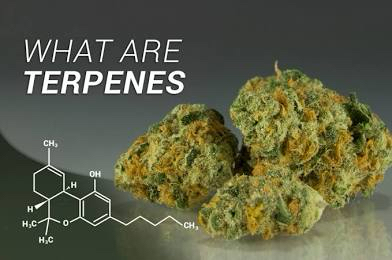
“Terpenes can enhance the effects of cannabinoids when combined or take with them.”
-Montana Department of Revenue
Light the charcoal. Sprinkle the sage. Negative energy, go away. Today, I want to talk to you about terpenes. I am going to do my best to break it down in the easiest way possible.
In plants, terpenes are a natural defense against herbivores and pests. They also play a part in the attraction of beneficial organisms ensuring plant survival and reproduction. Some terpenes protect the plants from environmental stressors like heat and UV radiation. They also function as signaling defense mechanisms (www.nature.com, 2025).
Terpenes are organic compounds responsible for the aromas and flavors of cannabis strains and other plants. And cannabis has over 150 identified terpenes in the plant. However, many exist in such low concentrations that there may not significantly contribute.
Beyond aromatic qualities terpenes are also studied for therapeutic benefits like pain relief, anti-inflammatory, and anti-anxiety effects, among others. The factors that influence terpene profiles are genetics, growing conditions and the plant’s developmental stage. Here are a few terpenes and explanations.
§ Myrcene: known for earthy flavors and associated with pain relief and relaxation. This is one of the main terpenes that I look for in my medicine. It is a big one that helps with chronic pain.
§ Caryophyllene: has the “pepper like” flavor that also helps with pain relief.
§ Limonene: responsible for the citrusy aroma. And helps with mood elevation.
§ Pinene: correct! This one is responsible for the pine scent which can also help to elevate mood. I will tell you that most of the negative anxiety experiences that I have with cannabis is due to this “panic attack provoker.” And that is why I tend to enjoy hybrids.
§ Linalool: responsible for flora aromas and relaxation. Helps with the ability to combat stress and ease body aches, reduce muscle spasms, relieve pain, and anxiety.
§ Humulene: is used for inflammation and weight control. And helps to tame those terrible munchies.
§ Terpinolene: has been shown to help inhibit tumor growth and have positive effects on cardiovascular disease (www.cannaflower.com, 2021).
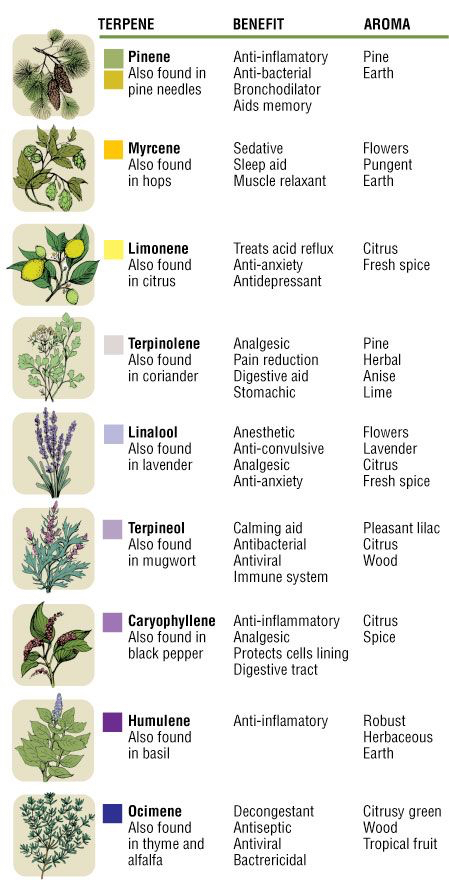
Terpenes and other medical benefits:
§ Aromatherapy and Flavoring: Terpenes are used in essential oil, perfumes, and food.
§ Potential Therapeutic Effects: Research indicates potential health benefits include:
o Anti-inflammatory: Helps with chronic inflammation
o Analgesic: pain relief
o Anti-anxiety and antidepressant:they promote calming effects and improve mood. Linalool is found in lavender.
o Antioxidant: Protects cells against damage
o Antimicrobial and antifungal combat bacterial and fungal infections
o Sleep improvements: Terpenes like myrcene have sedating effect and promote relaxation.
o Neuroprotective effects:Potentially help protect neurons from damage and degradation.
o Cancer research: Early studies suggest potential anticancer properties (www.medicalnewstoday.com, 2025).
All these points describe how the terpenes in cannabis and other plants can be so helpful to us and to our ecosystem. I invite you to know the terpenes that work best for you even if you are not personally use cannabis. They are an essential part in healing and management of various debilitating conditions. Thanks for reading! And Know Your Terpenes!
Affirmation: I will allow myself to accept my pain today and embrace the things that relieve it.
***Don’t forget to watch the video!***
#Thispuzzledlife

