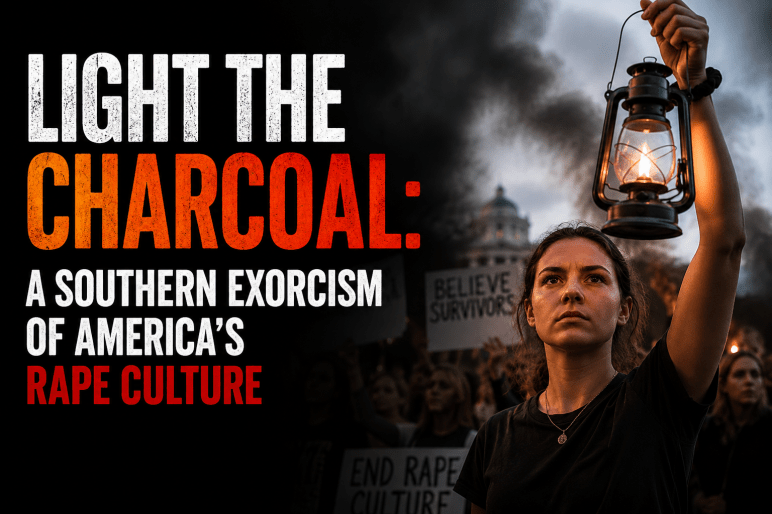


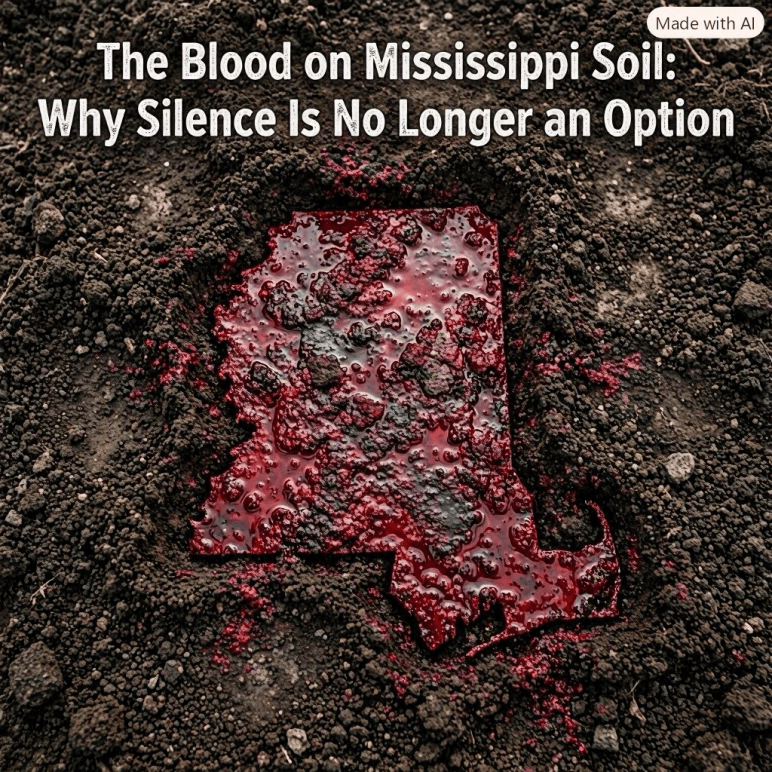
Light the Charcoal: A Southern Exorcism of America’s Rape Culture

“Rape culture doesn’t survive because predators are powerful. It survives because communities are silent.”

-This Puzzled Life

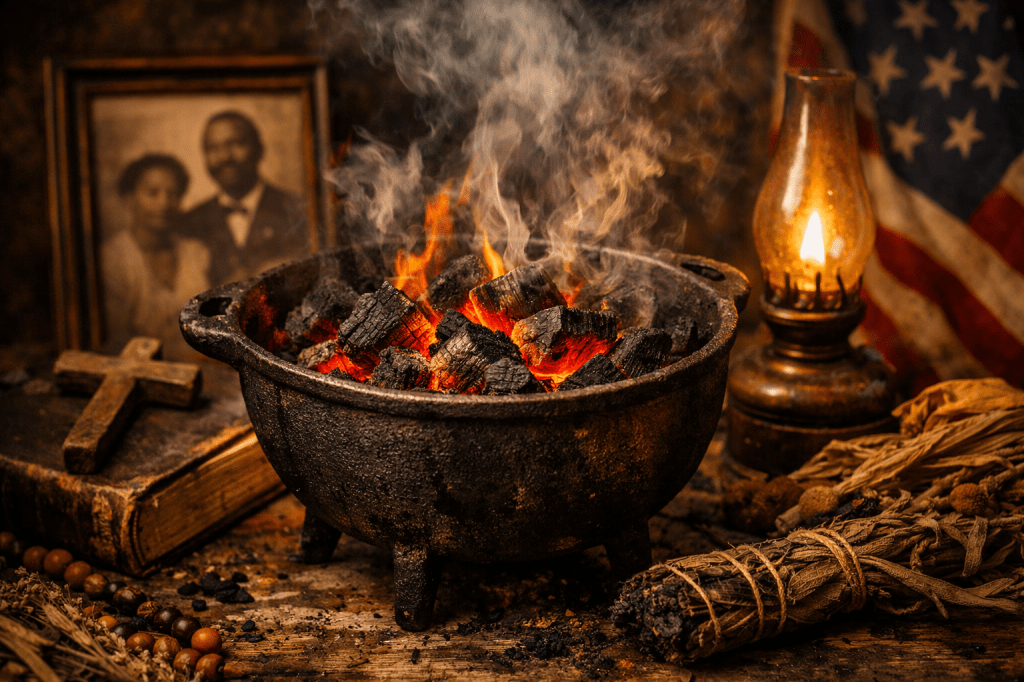
Light the charcoal. Call the ancestors. Summon the willfully blind Christians. And the politicians who pretend not to hear. We need to talk about rape culture in America. The one our government, our churches, and our “good Christian families” keep blessing with silence, excuses, and casseroles. And yes, I said “blessing.” Because at this point the way folks defend predators looks less like morality. And more like a full‑blown revival service for the unholy.

Let’s be real. The state of rape culture is a national embarrassment with a prayer chain. If any case even remotely resembled the Epstein files in another era, investigators would’ve been sprinting like their pensions depended on it. They would’ve been flipping mattresses. Interrogating houseplants. And subpoenaing the family dog.

But now? Now we’ve got a chunk of society the red hats, pearl‑clutchers, and “I did my own research” prophets. Who are bending over backwards to excuse behavior that would’ve made the Old Testament God pull out the smiting stick. And the churches? The churches are quieter than a deacon caught with his hand in the offering plate.

Pastors out here preaching “love thy neighbor” while refusing to even look at the neighbors who’ve been raped. Abused. Trafficked. Or discarded. Why? Because calling out evil might upset Brother Bob and Sister Brenda. The ones who tithe big and sin bigger. They’re terrified of making their donors have uncomfortable fee‑fees in their tum‑tums.

Meanwhile the Jesus they claim to follow? He would’ve flipped those tables. Reset them. And flipped them again like a CrossFit workout. But modern conservative Christianity? They’re too busy protecting their reputations and their potlucks to protect actual people. The hypocrisy is Olympic‑level.

They brag saying, “We donated clothes!” “We gave canned goods!” “We helped an organization!” But ask them, “Have you gone into homeless camps?” “Have you met LGBTQ+ folks and learned their needs?” “Have you talked to gang‑involved youth?” “Have you gone into prisons?” “Have you sat with a rape survivor and listened without judgment?” The answer is always, “No, but we thought about donating more socks.”

And the truth is this. They don’t want the stories. They don’t want the truth. They don’t want the discomfort. They want selective compassion. The kind that doesn’t require them to confront their own cowardice.

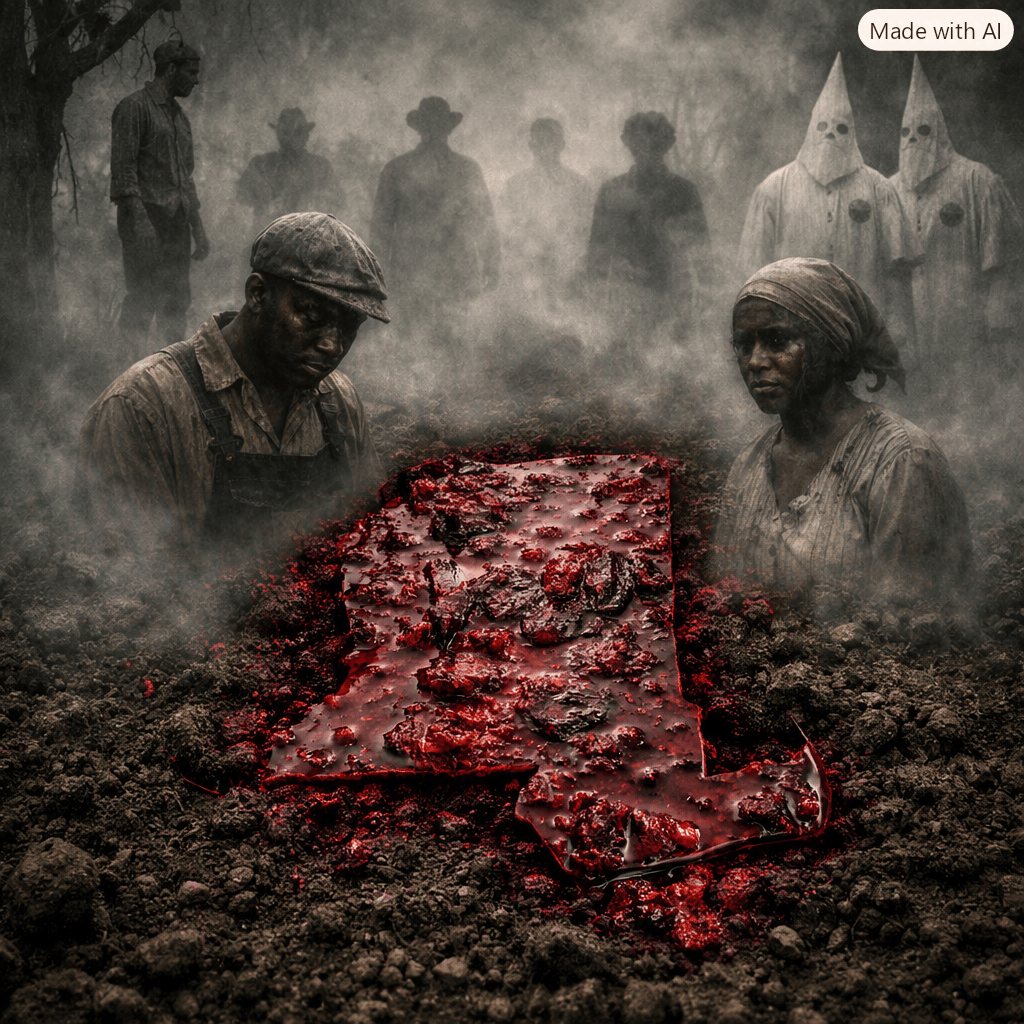
In the Deep South, especially places like Petal, Mississippi, silence is a religion all its own. People will gossip about who bought a new lawnmower. But mention rape, molestation, trafficking, or abuse and suddenly everyone’s got laryngitis. Your own family? They’d rather call you dramatic than confront the truth that predators thrive in silence. And that silence is a community project.

They’ll say, “That was a long time ago.,” “Why didn’t she tell someone earlier?,” “You need to move past it.” Or my personal favorite, “That’s water under the bridge.” Ma’am that “bridge” is built out of victims’ bones. And me a survivor who endured years of marital rape, stalking, gas lighting, humiliation, sexual perversion, coercion, and religiously‑justified abuse is still paying the price while they protect their comfort.

We live in a country where victims are interrogated. Predators are defended. Power is worshipped. Accountability is optional. And “locker room talk” is treated like scripture. People will twist themselves into pretzels to excuse the powerful. Even when over 1,000 children were harmed by the Epstein network, according to released documents. But sure. Let’s keep pretending the real threat is drag queens reading books.

I’ve worked with the hardest populations. The ones society throws away. And I’ve seen what happens when someone finally shows them compassion. The anger softens. The armor cracks. The humanity shows. The tears fall. And the healing begins just like it did with me after years of facing condemnation over compassion.

But conservative Christianity? They’d rather cling to superiority than step into the mess where Jesus actually lived. Jesus wasn’t selective. But they are. Jesus didn’t avoid the “dirty people.” But they do. Jesus didn’t say “somebody will help them.” But they do.

Let the truth rise like smoke. If America insists on normalizing rape culture through silence, excuses, politics, and selective morality, then let it be known, “We will not be quiet. We will not be polite. We will not protect predators. We will not bow to cowardice disguised as Christianity.” We stand on the side of consent, truth, survivors, and actual justice. Not the watered‑down, donor‑approved version preached from pulpits.

And to every person who says, “Why didn’t she leave?” “Why are you still talking about it?” Here’s your answer. Silence is how rape culture survives. And speaking is how we burn it to the ground.

And since we’re already in the deep end, let me go ahead and say the quiet part out loud. I’ve got people in my own family, bless their self‑appointed expertise hearts, who genuinely believe that if they weren’t physically present for the rape, then it simply did not occur. As if trauma requires a witness. As if my pain needs their signature to be valid. As if the only crimes that count are the ones they personally supervise.

Apparently they’ve never heard of how perpetrators keep victims silent. The threats. The manipulation. The shame. The fear. The isolation. The psychological warfare that could make a grown oak tree curl in on itself. They don’t know. Nor do they want to know what happens to a victim’s character the moment she speaks up. The smear campaigns. The disbelief. The “are you sure?” The “don’t ruin his life.” The “you’re exaggerating.” The “you must want money.” The “you’re being dramatic.” The “that was so long ago.”

Look no further than the current political climate. And the biases people cling to like life rafts. Truth is dangerous because truth destroys propaganda. Truth makes people wrong. Truth forces accountability. And Lord knows some folks would rather swallow a cactus whole than admit they were wrong. 

Not all religious people. But let’s be honest about the ratios. This isn’t a blanket statement about every religious person or every church. I’ve met the ones who actually step into the uncomfortable places. The ones who sit with survivors. Walk into homeless camps. Support LGBTQ+ youth. Visit prisons. And show compassion without needing applause.

Those people? They’re angels in work boots. They don’t need a spotlight. They don’t need a plaque. They don’t need a Facebook post. But they are the minority. The majority? They’re too busy polishing their image. Protecting their comfort. And pretending that if they ignore the suffering long enough, it’ll politely disappear like a casserole dish after a funeral.

Most people can’t handle the truth because the truth would force them to confront their own biases. Their own silence. Their own complicity. Their own selective morality. Their own willingness to defend power over people. And that’s why they cling to denial like it’s a family heirloom. Because if they admit the truth, my truth, your truth, the truth of millions of survivors, then they have to admit that the world they defend is built on harm. And that’s a reckoning they’re not ready for.

In my life, I have paid a very big price. And I’m still paying it with every day, every breath, every memory that wasn’t mine to still carry 29 years later. But it got stapled to my soul anyway. Because a culture built on silence and excuses decided my pain was inconvenient.

And this is what rape culture does. It hands the bill to the victim. And gives the perpetrator a coupon code for sympathy. In a world shaped by the likes of Jeffrey Epstein, Ghislaine Maxwell, Donald Trump, and their other active participants. And a political environment where some people normalize. Excuse. Or minimize harm. I’m over here begging folks to simply stand on the side of consent. Not on the side of “well, boys will be boys” or “that’s just locker room talk.”

Because let’s be honest. It’s not. There’s a whole slice of society that treats sexual violence like a PR inconvenience instead of the life‑shattering trauma it is. A whole slice that will twist themselves into pretzels to defend power, wealth, and status. Even when the harm is undeniable. Be the person who stands with survivors. Not the person who shrugs at abuse. Simply because the abuser is someone you voted for. Prayed with. Or admired on TV.

Be the person who actually says, “No. Consent matters. People matter. Accountability matters.” The alternative is the cultural shrug. The political excuses. The religious silence is exactly how rape culture stays alive and well. And I refuse to pretend otherwise. We’re done whispering. The fire is lit. And my voice is getting louder. Thanks for reading! What are your experiences with this?

Affirmation: My truth is not too heavy. My story is not too late. My voice is not too loud. I am the fire that exposes what others fear to face.

***Don’t forget to watch the video!***

#ThisPuzzledLife
What Are The Streets Saying? Head Shops vs. Smoke Shops

“It’s 420 somewhere.”

-Unknown

Light the charcoal. Sprinkle the sage. Negative energy go away. Okie dokie! Today, I want to talk to you about the differences in head shops and smoke shops. There is a noticeably significant difference. Some people refer to these types of businesses as the same. They are not.

First of all, we need to discuss why they are called “Head Shops.” The term was actually used during the ‘sixties in the U.S. It was based off a statement people used at that time called “getting your head right.” And more specifically among pot heads. While most headshops today carry a variety of products. Initially head shops only carried a few pipes, bongs, rolling papers. And as you can discern the products and interior of the shops specified cannabis culture. They also eccentric records, psychedelic posters and books consistent with the hippie movement. These types of smoking products were considered illegal paraphernalia and had to be concealed. 

When I was much younger there was a local headshop that I used to frequent that was run by two old hippies. And it was the coolest store that really catered to local hippies and the cannabis culture. I loved to go look around especially in the dark room that was draped with a beaded curtain. They had some really impressive psychedelic posters complete with the rich smell of pachouli incense burning. As the shop owners aged, the shop was eventually closed. 

It wasn’t until I became a medical cannabis patient that I began to seriously look at the products in these types of stores. There was nothing better than going in a looking at the new glass pieces and other smoking accessories. I would eventually learn about dab rigs and cannabis concentrates. I had no idea that bongs were actually called “water pipes.” I went inside and asked the employees where the bongs were located. They said, “You can’t use that term because it refers to paraphernalia. We sale “water pipes” used to smoke tobacco.” I told them, “Well, I’ve never heard them called anything but a bong.” At that point, I was asked to leave. I had no idea what had just transpired. Apparently, using the term “water pipe” was the loophole in the law regarding legal paraphernalia. And you could not even mention terms like “bongs” and still be allowed to continue shopping.

What I would eventually learn is how many “designer drugs” were being sold out of those stores. I was thinking the whole time, I could’ve gotten myself in a lot more trouble with addiction had I realized what all types of products were sold at some. I also realized that I had to learn about everything that were being sold legally because of that loophole. I will cover some of those dangerous substances in future blog posts.

The modern head shops are now able to release a lot of those anxieties about selling cannabis culture items. The main reason is that the stigmas about smoking marijuana have largely dissipated with the legalization of both medical and recreational cannabis. However, there are still dangerous substances that continue to be sold to teens who have absolutely no idea what some of those substances contain nor the damage they can do. I am in no way demonizing head shops. I personally still love going shopping in them and looking at the newest products. And I have bought several items that compliment my personal cannabis use.

Smoke shops are businesses that sell tobacco and accessories for smoking tobacco. These include cigars, cigarettes, pipes, loose tobacco, hookah accessories, e-cigarettes and e-liquids. Smoke shops have to abide by state and federal regulations regarding tobacco sales. Which include not selling tobacco or related products to customers under the age of twenty-one. 

When it comes to 420 celebrations, headshops are the way to go. But as a word of caution, do your own research about products that you hear are the newest fads. Most of the time the rigorous testing that is required to sell medical or recreational cannabis is not required on “designer drugs.” So, you never quite know what companies are actually using to enhance the psychoactive substances that are in the products. The smoking accessories that I’ve bought are not included in the dangers. It’s the substances that are not regulated that carrying the sometimes-devastating dangers unknown to the public. When all else fails, buy your cannabis from a reputable dispensary. And then go home and get faded in the safety of your home.

“The true face of smoking is disease, death and horror-not the glamour and sophistication the pushers in the tobacco industry try to portray.”

-David Byrne

***Don’t forget to watch the video!***

#Thispuzzledlife

Are You A “Cycle Breaker?”

“Never underestimate a cycle breaker. Not only did they experience years of generational trauma, but they stood in the face of the trauma and fought to say, “This ends with me.” This comes at a significant cost. Never underestimate a cycle breaker.”

-Nate Postlewait

Light the charcoal. Sprinkle the sage. Negative energy go away. Okie dokie! Today, I want to talk about being a “cycle breaker.” This has been one of the most difficult areas of my life. There have been and still are areas of my life where I’m determined to break the cycle of unhealthy thoughts, behaviors and relationships. Even if you think that your family should be the “example family” for the community, there are probably still issues within your particular family system that has left a legacy of a behavioral way of life. Sometimes this is healthy, dysfunctional or toxic. Even if it appears to primarily affect one person, it’s still an unhealthy family cohesiveness.

I think we first must understand what a “cycle breaker” is. This individual is intentionally trying to change multi-generational family patterns. They have to get down in the gutters into family origins of the behaviors to seek out unhealthy patterns. This person must achieve deep introspection and intentional behavior changes. And “Oh how very frustrating this can be.”

I have already written many times about how familial patterns can affect us all. What frustrated me as a minor was that I felt completely powerless to change anything including myself. What I did was take on the role of a survivor in any way possible. I fought back in ways that scared people. I have fought back in ways that isolated myself. Sometimes I get so triggered by a tone, word or a statement that it throws me back into that fighting stance. And I developed armor that worked so incredibly well for self-preservation. By the time I reached adulthood, the armor that my mind created for itself was one that knew no bounds. Every day of my life involved a fight for survival. But even when I removed myself from the abuse, my brain still thought that it was “fight time.” So, the chaos followed me everywhere I went. I so desperately wanted away from the chaos. But the fact of the matter was that I didn’t know how to operate in healthy relationships.

When I met Mel, I had just left my ex-husband. I had my goal of completing my education and there was nothing that would prevent me from finishing. Somehow, I just knew that education would make a significant difference in my life. What we soon realized was how very deeply rooted my lifetime of trauma was in my ability to function as a professional, spouse, mother, friend and family member. I honestly thought that once I left “him” things would go back to a healthier version of normal. But it absolutely did not! I would have uncontrollable rages that scared everyone that I came in contact with. Many times, I have no recollection of this happening. Then Mel started videoing me when I was like that to show professionals what was happening. She would also show me the video and I was horrified. I clearly remember telling her, “I would never do something like that!” But frame by frame I watched it happen repeatedly. Perplexed by the whole situation, I began trying to really understand my behavior. I didn’t have a therapist, at the time, who could tell me what was happening. I did eventually receive the diagnosis of Dissociative Identity Disorder which answered many questions.

The more I studied myself, the more that I realized that I was carrying on the cycle of past traumas. While my armor worked for many years, it had suddenly become very detrimental. I looked at Mel one day and said, “Oh My God! I’m treating you like he treated me.” To come to that realization was the defining moment of when I decided that I would be a “cycle breaker.” And what a terribly slow and arduous process it has been. I didn’t know how to think. I didn’t understand the intense emotions that I was feeling. And I couldn’t stop the rage no matter what I did. I saw the destruction that I was causing and the effects that it was having on both me and Mel. And it was honestly one of the most devastating points in my life.

I initially had a very compassionate therapist in Albuquerque. Though the depth of my trauma needed more specialization. So, I went to another therapist, who was extremely narcissistic, and began emotionally abusing me. She knew all of my trauma history, but she still dominated me emotionally. And I “cow towed” to her like I was still being controlled by the ex. I stayed much longer than I should’ve. And the damage that was done was colossal.


Mel contacted a professional at a facility and told her about how dire our situation was. It was over a year before I finally decided to go to treatment. I have had some horrible experiences with mental health facilities. And the trauma of that also made me strike out in fear and anger. It’s almost like having a baby with a colic. No matter where I turned, I was scared, and it showed. But through my trauma, I learned that nicely asking someone to stop or leave me alone didn’t work. What did seem to work was aggression. However, now there were no actual threats. They were perceived threats. I felt like I could trust no one. I was drowning in shame and regret. And I was literally dying.

The therapist that I would work with at that facility was absolute fire. She sat with me and truly made a place that was emotionally very safe for me. She provided boundaries that were firm but compassionate. She didn’t show fear about the anger that I was exhibiting. And unbelievably, I was furious that she cared. Because in my mind, everyone has a dark side even those who say their “safe.” And this spicy lady knew her stuff. After my experiences, I saw where the power difference was threatening. I was scared to be vulnerable, yet again, knowing that I could get hurt.

That woman is someone I still call my “coach.” We have been working together for almost 9 years, and because I eventually stepped out into vulnerability and realized that she was truly a “safe” person that she claimed, I started wanting to change the person that I had become. I needed to know the love and compassion in a way that only a stranger can exhibit. And I needed to know that the difficult road ahead would not be one that I would walk alone. I needed to know that when things got bad, she wouldn’t leave me standing with the pieces of my shattered soul in disbelief that it could and would happen again. And she’s been my “ride or die” ever since. 

The process has been going on for almost a decade of trying to break the cycle of abuse. It has been more difficult than I care to admit. Along the way, many times the only thing I was able to do in a day was breathe. She stepped up when others said, “Hell No,” to helping me. And despite so many times that I have tried to push her away, she has stayed right there witnessing the miracle happening. 

Our families of origin often have problems with healthy functionality. Instead of addressing issues within the system, they say, “Oh we’ll just let it all die down and eventually the issue will go away.” But it doesn’t. In my experience of helping addicts who usually also have mental health issues, the families are often times sicker than the “problem child.” There have been generations of a one-way type of thinking that families think and assert their beliefs that it should continue simply because it’s familial. However, when you look closer the “cycle breaker” , they are sometimes seen as a troublemaker because they step out from the familial shadows and say, “Enough is enough. I will no longer buy into that way of thinking. I will no longer allow unhealthy behaviors to be swept under the rug  and conform like I’m expected to do.”

I have had members in my family that have looked at me crazy and run me in the ground for speaking my truth the minute I walk away. And there are some who won’t even acknowledge my existence. These issues never get resolved and are the perfect breeding ground for anger and resentment. And it has continued to fester in my family. Whenever you become vulnerable and stand in your truth, there will be those who inevitably do not like it. Because challenging unhealthy behaviors isn’t easy. It requires a level of vulnerability and self-awareness that most individuals and families want but aren’t willing to do the work to achieve it.

For me, breaking the cycle of dysfunctional thinking and living has been paramount to my survival. I realized that I had to be willing to look at some difficult areas of my life. And to understand many of their origins. I have cried more tears than I can count in doing this work. My relationship with Mel was severely damaged because I wasn’t able to undo the destruction that I had caused. No matter how much I didn’t understand it. No matter how much I didn’t want it to happen. It still did.

I came back from that treatment facility, and I told her, “She’s the one.” And about a year later, I told Mel, “If I don’t move to Texas and do this work, I won’t be alive much longer.” So, as difficult as it was to leave her, I left for Texas. I’ve never regretted my decision. I am living because I got “sick and tired of being sick and tired.” And now when I see red flags about chaos, I do my best to avoid it. However, I will not be pushed around emotionally. I will not have my reality questioned because others are not self-aware enough to realize their own dysfunctional behaviors. That, my friends, is all the confirmation that I need to know that, YES, I am a “cycle breaker.” I might not can change everything. But I can change me. I have the power to break the cycle, and I am doing it. It is becoming my greatest legacy for myself, my children and a little corner of humanity.

“It’s up to us to break generational curses when they say, “it runs in the family” you tell them, “this is where it runs out!”

The Minds Journal

***Don’t forget to watch the video!***

#Thispuzzledlife