
This Puzzled Life is a mental health and recovery blog exploring addiction, trauma healing, LGBTQ experiences, humor, and the strange moments that shape us.
“Gen X: Because someone had to survive the 80s so the rest of y’all could have feelings.”
-This Puzzled Life
Light the charcoal. We’re about to summon the spirits of Gen X. We were the only generation that survived metal playground equipment, unfiltered hose water, and parents who thought “supervision” was something only rich people did.
Let’s talk about the 80s. The decade where every child was basically a free‑range chicken with a bike. And nothing captures the chaos of our upbringing better than the rotary phone. That thing wasn’t just a communication device. It was the first escape room. A psychological puzzle. A patience test. A spiritual trial. A full‑body workout. A rite of passage.
Listen. If you didn’t grow up in the 80s, you will never understand the emotional damage of mis‑dialing the last number on a rotary phone. You’d get all the way to the ninth digit. Your finger trembling. Your soul leaving your body. And then slip. Back to the beginning. Do not pass go. Do not collect $200. Do not call your friend to see if they can come outside.
Rotary phones were the original “Are you smart enough to escape this room?” challenge. Except the room was your grandmother’s kitchen. The puzzle was a plastic wheel from 1952. And the prize was getting to talk to someone whose mom might pick up and yell, “Hello? Who is this?” And Gen X? We were forged in that fire.
We survived:
Phone cords long enough to lasso a sibling, a dog, and a passing station wagon.
Busy signals, which were basically the universe saying, “try again later, loser.”
Parents screaming “Get off the phone, I’m expecting a call!” even though they weren’t.
The fear of calling a friend and having their dad answer with a voice that sounded like he ate gravel for breakfast.
Kids today will never know the terror of dialing a crush’s house and praying their mother didn’t answer with the tone of a woman who had already raised three children and was done.
And while we’re at it, Gen X childhood wasn’t just rotary phones. It was metal slides hot enough to brand livestock. Monkey bars designed by someone who hated children. Halloween costumes made of plastic so flammable they violated the Geneva Convention. Riding in the back of pickup trucks like we were in a Marlboro commercial. Snacks made of 98% Red Dye No. 5. Being left alone for 12 hours with nothing but a bike, a stick, and a vague sense of danger.
We didn’t have helicopter parents. We had “figure it out” parents. We didn’t have screen time limits. We had “go outside and don’t come back until the streetlights come on.” We didn’t have anxiety. We had character development. And now? We’re raising kids who need a snack, a water bottle, a fidget toy, a weighted blanket, and three emotional support apps just to go to Target.
So yes. We are Gen X. We survived rotary phones, lawn darts, metal slides, Satanic Panic, latchkey childhood, and parents who thought seatbelts were “optional suggestions.” We escaped the escape room. We solved the puzzle. We lived to tell the tale. And now we’re out here trying to raise children who cry if the Wi‑Fi blinks for three seconds.
Meanwhile, we’re still laughing. Still standing. Still unbothered. Because we were raised by chaos, danger, and a phone that required upper‑body strength. Cord tangled. Streetlights on. Gen X forever. Thanks for reading! What do you remember about growing up in the 80’s?
Affirmation: “I am a resilient, sarcastic, rotary‑phone‑forged masterpiece. And nothing in this modern world can intimidate me.”
“Our childhood wasn’t supervised. It was witnessed.”
-This Puzzled Life
Light the charcoal. Bless the yard. We’re summoning the spirits of a generation raised on asbestos, sugar, and unmonitored chaos. A generation that survived childhoods so reckless they now qualify as folklore. Welcome to Growing Up in the 80s: A Survival Guide for the Barely Supervised. It’s where the toys were weapons. The adults were tired. And the safety standards were “Godspeed, child.” Get comfortable while we take a stroll through the hilarity of growing up Gen X in the 1980s.
Playgrounds: Where Childhood Went To Die.
The playground wasn’t a place to have fun. It was a government‑approved death trap. The metal slide? Forged in the fires of Mount Doom. By noon it was hot enough to brand cattle. You’d climb up. Sit down. And immediately lose three layers of thigh skin. And the equipment? Not equipment. Artifacts. One day a giant industrial truck tire would just appear. No explanation. No installation. Just a 400‑pound rubber monolith that rolled off an 18‑wheeler and onto the playground like, “Here. Climb inside this tomb and see what happens.”
I cannot end this part without mentioning the merry‑go‑round. It was a device clearly invented by someone who wanted to test the limits of the human skull. This wasn’t the cute, slow, musical carousel at the mall. No. This was a rusted metal centrifuge powered entirely by children with no impulse control. You’d hop on. Hold the bar with sweaty little hands and pray. The moment the older kids grabbed the rails and started running, you were no longer a participant. You were payload.
They’d spin that thing so fast your soul would leave your body and hover above the playground like, “Welp. This is how we meet Jesus.” If you lost your grip? You were slung off in a blaze of glory. Bouncing across the gravel like a loose hubcap on I‑10, while collecting rocks, dirt, and possibly a mild concussion.
And the adults? They didn’t intervene. They didn’t slow it down. They didn’t even look concerned. They’d just shrug and say, “That’s why you hold on tighter next time.” Meanwhile, the teachers assigned to playground duty were spiritually absent. You could be actively being decapitated. And they’d shout from across the field,“ If you’re bleeding, go to the office!”
Lawn Darts
Lawn darts were literal spears marketed as toys. You’d throw them into the sky and pray they didn’t come down in your skull. Parents watched from lawn chairs. And were drinking Tab and saying, “Be careful!” As if that would stop a 2‑pound metal projectile from piercing your femur.
Halloween: The Budget Was $3 and a Prayer
Our costumes were plastic trash bags with a picture of the character printed on the front. And a mask that smelled like melted crayons and carbon monoxide. The eye holes were never aligned with actual human eyes. So, we trick‑or‑treated like drunk raccoons bumping into mailboxes.
And the horror movies? Low‑budget masterpieces. Special effects made from ketchup packets and someone’s uncle’s old Halloween wig. But we watched them anyway. Because we were latchkey kids with no adult supervision. And a VCR that ate tapes like a hungry goat.
The Rotary Phone: A Weapon, A Workout, A Trap
Kids today will never know the terror of dialing a friend whose number had multiple 9s in it. You’d start dialing at 3 PM and finish sometime around dusk. And that phone cord? It could stretch from the kitchen. Through the living room. Out the front door. Down the driveway. And halfway to the neighbor’s house. Then it would wrap around your body like a boa constrictor with a grudge. And would drag you to the floor while your mom yelled, “Don’t you dare hang up! I’m talking to Aunt Sarah.”
Cigarette Smoke Everywhere
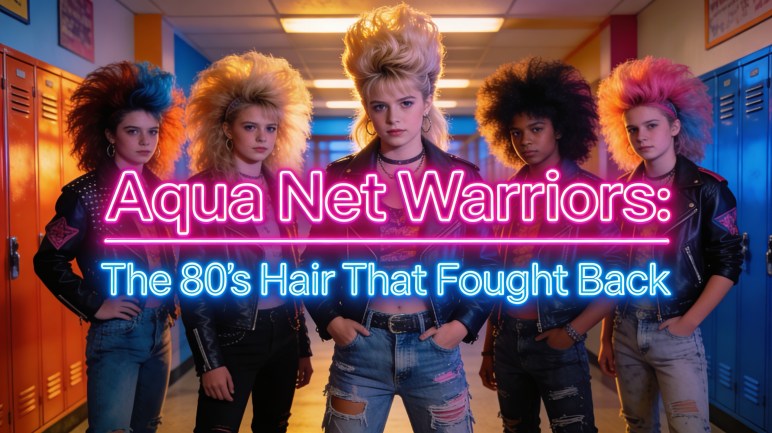
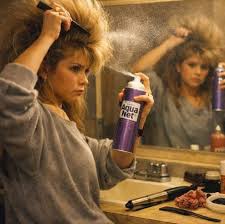
The 80s smelled like nicotine, Aqua Net, and generational denial. Restaurants had “smoking” and “non‑smoking” sections separated by a single fern. Airplanes had smoking sections. Hospitals had smoking sections. Your pediatrician? He’d walk in with a cigarette and say, “Your lungs sound tight.” Sir, I wonder why.
Tv Antennas
If you wanted to watch cartoons, someone had to climb onto the roof. Usually a child. Your dad would yell, “Turn it a smidge!” All while you clung to the chimney like a tiny lineman in a lightning storm. You would say, “Is it better now?” And they would reply, “No, you made it worse!” You were one gust of wind away from meeting Jesus.
Cereal With Enough Sugar To Stop A Hummingbird’s Heart
Our cereal wasn’t “part of a balanced breakfast.” It was diabetes in a box. The milk at the bottom turned into neon syrup that could power a small generator. And the commercials promised superpowers, speed, and happiness. They were all lies, but delicious ones.
Riding In The Back Of Pickup Trucks
Seatbelts? Not in the back of a truck. We’d bounce around like human popcorn. While our friend’s dad took corners at 40 mph. We waved at strangers like we were the Grand Marshals of the Unsupervised Children’s Parade.
Public Pools
Swimming in an 80s public pool was already a gamble. Public pools were cloudy cauldrons of mystery. You couldn’t see your own legs. The bottom was a rumor. And the smell of chlorine could peel paint off a Buick. You’d inevitably bump into something and pray it wasn’t a Band‑Aid or a rogue diaper.
But every now and then, the universe would spice things up with a code‑brown catastrophe. You’d be dog‑paddling through that murky soup. When suddenly the lifeguard, a sunburned 16‑year‑old, who hadn’t cared about anything all day. And would rather die than get in the water. Would suddenly come alive. They’d blow their whistle like they were signaling the end times, waving their arms, and screaming, “Everybody Out! Everybody Out Now!”
And then you’d see it. Floating. Majestic. Unbothered. A lone turd drifting across the surface like it was the captain of its own ship. And charting a course straight through the deep end. Kids would scatter. And they were climbing out of the pool like panicked wet cats. Slipping. Screaming. And traumatized. Moms would grab their children like they were rescuing them from a burning building. And the lifeguard? They’d stand there. Whistle still in their mouth. And staring at the water like, “I don’t get paid enough for this.” We didn’t have sharks in pools. We had floaters.
Mosquito Trucks & Ice Cream Trucks
Southern summer evenings in the 80s had two sacred sounds. The jingle of the ice cream truck. And the low, ominous rumble of the mosquito truck rolling through the neighborhood like a mobile cancer dispenser. The mosquito truck would creep down the street. While spraying a thick, white fog of chemicals so potent it could kill a roach at 50 yards. And what did we do? We ran toward it.
We’d get two steps from the bumper. Arms outstretched. And inhaling that cloud like it was the breath of life itself. Kids today have essential oils and organic bug spray. We had government‑issued carcinogens and the lung capacity of Olympians. We’d dance in that fog like feral woodland spirits. Coughing, laughing, and probably shaving five years off our lifespan. While our parents stood on the porch waving like, “Y’all stay where we can see you!”
And then. The moment the fog cleared. The ice cream truck would appear like a reward for surviving the chemical baptism. We’d sprint toward it. Pockets full of sweaty quarters. Ready to buy a popsicle shaped like a cartoon character whose eyes were always crooked. And whose flavor was “red.” Poison cloud, then ice cream. A perfect system.
Stranger Danger Training
Our entire safety curriculum was, “Don’t get in a van.” That was it. Then they’d send us outside for 10 hours with no supervision, no sunscreen, and no water bottle. We roamed the neighborhood like feral raccoons with bikes. And helping ourselves to anyone’s yard that had a visible garden hose.
No YouTube, No Cell Phones, No Dollar Tree
My 10‑year‑old hears this and acts like I grew up in the prehistoric era. Back in my day, if you wanted to learn something, you had to ask a grown‑up (who might lie). Ask a friend (who would definitely lie). Or check the encyclopedia (which was older than your grandma). And Dollar Tree? Didn’t exist. If you wanted cheap toys. You had to wait for a gas station to put something on clearance. Usually because it had faded into a new color.
The Satanic Panic: Southern Edition
The South in the 80s was convinced the devil lived in rock music, Dungeons & Dragons, black clothing, and Halloween, Oh, and anyone who didn’t go to church three times a week. You couldn’t even be friends with a Methodist without someone whispering, “Don’t you go sellin’ your soul now.”
Big Hair Bands
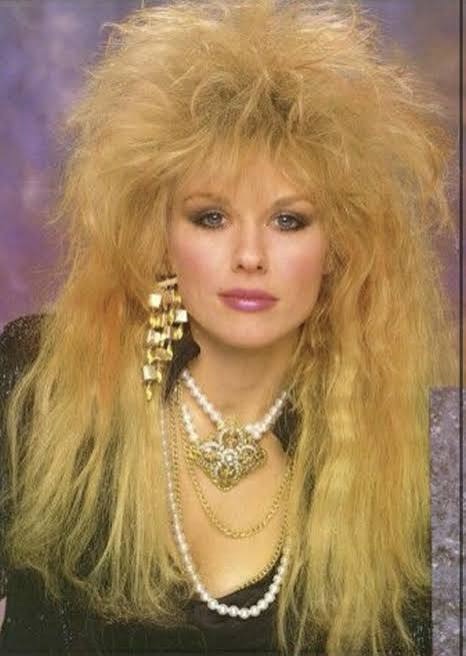
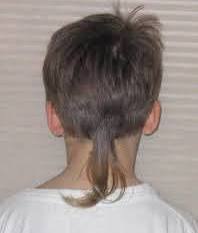
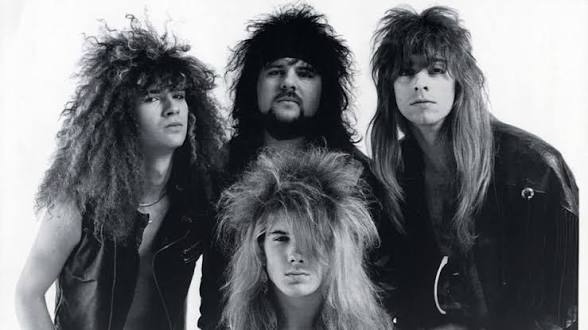
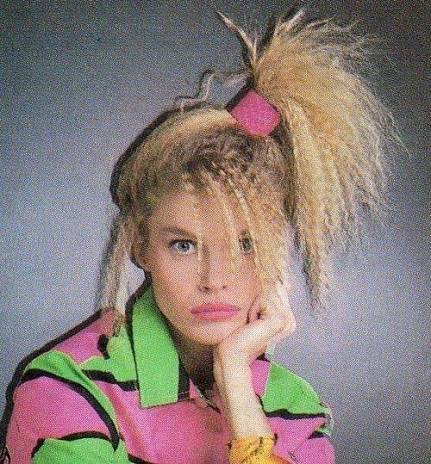
Men wore eyeliner, leather pants, and hair so teased it could block a doorway. Nobody questioned it. We said, “This is masculinity. This is art. This is culture.” And then there was R&B. Those songs were so sensual you needed birth control just to listen to them. You’d be nine years old hearing lyrics that made you blush and wonder if you needed to talk to a priest.
Nature As Weaponry
We didn’t have Nerf guns. We had sticks. Sticks that became Spears, Rifles, Swords, Magic wands, and occasionally, a snake. We played cowboys and Indians, cops and robbers, and dramatic death scenes worthy of an Oscar.
Childhood Mental Health Was A Mythical Concept
If you were stressed, anxious, or overwhelmed, adults said, “Go outside.” “Stop crying.” “You’re fine.” “Kids don’t get stressed.” Meanwhile, we were out here processing trauma with a Capri Sun and a bike with no brakes.
Prank Calls
Before caller ID, we were chaos. We’d flip through the phone book. Which was an actual book. And call someone named Margarita to ask if her husband was Jack Daniels and her dog was Tequila. Or we’d call strangers at 1 AM and ask, “Do you know how to cook a blueberry pie?” And we did all this sober. Because we had to create our own fun without electronics.
Cameras
Taking pictures was a gamble. You’d take 24 photos. Wait three weeks. Pay $12.99. And discover blurry faces and closed eyes. Sometimes thumbs over the lens. A strange photobombing. Or the entire roll blank because someone forgot to load the film. There was no delete button. Just shame.
And now here we are. Veterans of the 80s. We have scars both physical and emotional. And needing therapy where we now have to process our entire lives. All while trying to survive our own children. Who now need hydration schedules, emotional check‑ins, and sunscreen applied with the precision of a NASA engineer. We watch helicopter moms circling the playground. Adjusting knee pads. Putting toddlers on leashes. And we just smile. Because we know the truth. We survived the 80s. We can survive anything. Even this. Thanks for reading! And I hope this was the brightest spot of your day. Please leave a comment about other hilarious things from the 80’s that we Gen X might remember.
Affirmation: I honor the feral resilience that raised me. I survived metal slides, mosquito fog, and lawn‑dart warfare. So, today’s challenges don’t scare me. I am built from grit, humor, and pure Gen X immortality.
“How many stoners does it take to screw in a lightbulb? None, we got lighters.”
-Unknown
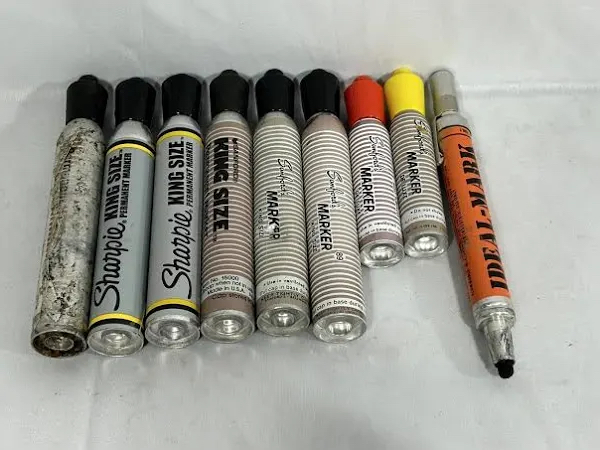
Light the charcoal. Sprinkle the sage. Negative energy go away. Today, I want to tell you about a strain that I’m grouping under 80’s names. And what Gen X’er doesn’t remember sniffing the permanent markers accidentally left around the room by the teacher. Ok, maybe it was a little strange to those who never did this. But we Gen X’ers sniffed random markers as part of our childhood daily life.
The very first thing I noticed about this strain is that familiar aroma and taste of diesel fumes. So maybe it doesn’t exactly smell like the highly sought after ink smell but it’s one that you will remember without a doubt. The genetic line is lengthy so pay attention. This strain is a 70%/30% indica-dominant strain. The genetic cross is Biscotti x Jealousy x Sherbet BX strains. Biscotti is a cross between Gelato 25 x Sour Florida OG. Jealousy is a cross between Gelato 41 x Sherbet BX1. And finally, BX strain are a backcross Sherbet strain. And a backcross strain is s hybrid strain that is bred back to a parent strain. The main reasons this is done that I will simplify is related to particular strain trait reinforcement and genetic stability. There are other reasons but those are just a couple.
The major terpenes in this strain are Myrcene, Limonene, Caryophyllene. Patients report from such conditions as chronic fatigue, PMS, cramps, depression, mood swings, chronic stress, and PTSD. I had this strain as a vape cart. But if you like the taste of diesel you’ll sure to love this strain and its potency. This strain was voted Leafly Strain of the Year in 2023. Keep blazin’!
“I didn’t grow up in the dark ages. I grew up in the spark‑a‑fire‑with‑two‑sticks era of resilience.”
-This Puzzled Life
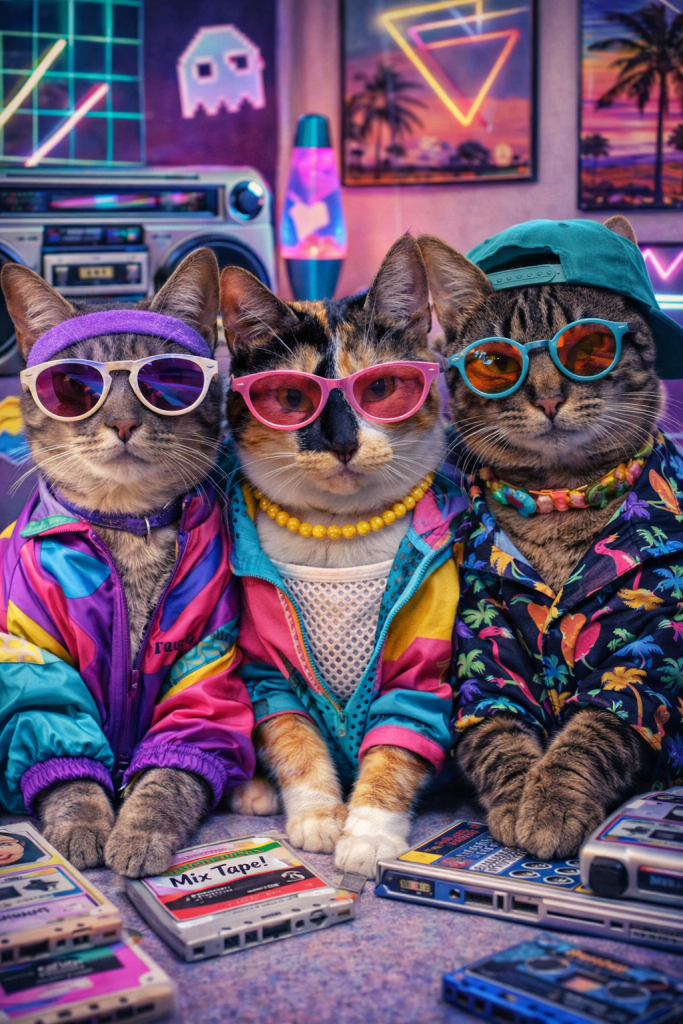
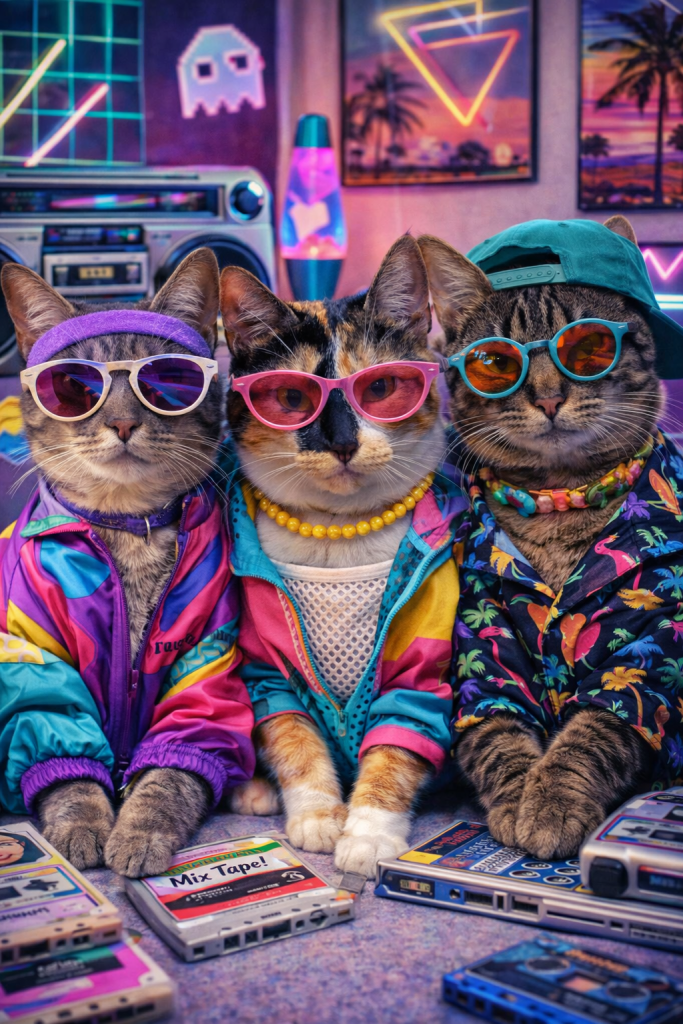
Light the charcoal. Hide the breakables. Put Piper on airplane mode. Today my cats staged a full‑scale intervention. Not a gentle, “Mama, we have questions.” No. This was a feline congressional hearing.
Piper dragged a legal pad across the floor like she was subpoenaing me. Coco sat in a chair backwards like a middle‑school guidance counselor trying to relate. Tinkerbell lit a metaphorical cigarette and whispered, “Let’s begin.” And then, in perfect unison, they asked, “Mama, what was it like growing up in the 80s?”
It started like any normal morning. Piper was knocking things off shelves for cardio. Coco was judging me for existing. And Tinkerbell was staring into the middle distance like she was remembering a past life where she had fewer dependents and more emotional bandwidth.
Then Piper jumped onto the coffee table with the energy of a prosecutor who had receipts. Coco dragged a dining chair across the floor. Sat in it backwards like a youth pastor trying to be relatable and announced, “Mama we need to talk about your childhood.” Tinkerbell sighed. Crossed her paws and whispered, “Prepare yourselves. She grew up before Wi-Fi.”
The room went silent. The air thickened. Somewhere a single dial‑up modem screamed in the void. While an 8‑track tape shed a single tear. How do you explain to three modern, snack‑entitled, YouTube‑addicted cats that their mother was raised in a decade where Phones had cords long enough to lasso livestock. Music lived on ribbons that needed pencils for CPR. ADHD was treated with the “Board of Education” (a wooden paddle with tenure) Bag phones were luxury items for rich people, car dealers, and the occasional drug lord. Supervision was optional. Helmets were a myth. And childhood was basically a survival sport. And coming out as gay in the conservative South was about as safe as juggling lit fireworks in a dry barn.
So, I took a deep breath. Adjusted my imaginary shoulder pads. The emotional ones and the fashion ones and said, “Children buckle up. Mama’s about to take you on a journey through the Dark Ages.”
1. ROTARY PHONES — THE ORIGINAL TORTURE DEVICE
Piper: “So you’re telling me you had to spin the numbers? Like a wheel? Like a game show?”
Me: “Yes. And if you messed up one number, you had to start over.”
Piper: “Start over? Mama, that’s not a phone. That’s a punishment.”
Coco: “And you couldn’t text? No emojis? No memes? No sending me pictures of myself?”
Me: “Nope. You just talked.”
Coco: “Out loud? With your mouth? Barbaric.”
Tinkerbell: “Children, let her speak. She survived.”
2. CAMCORDERS — THE SHOULDER MOUNTED BEASTS
Piper: “So your parents carried around a camera the size of a microwave?”
Me: “Yes. Every dad looked like he was filming a documentary about corn.”
Coco: “And you couldn’t edit? No filters? No TikTok?”
Me: “No. You got what you got.”
Coco: “So childhood memories were raw footage?”
Me: “Exactly.”
Coco: “Unacceptable. I’m filing an HR complaint.”
3. 8‑TRACKS, CASSETTES & JAM BOXES
Piper: “So music lived on ribbons?”
Me: “Yes.”
Piper: “And you had to rewind it? Manually?”
Me: “With a pencil.”
Piper: “A pencil? Mama, were y’all okay?”
Tinkerbell: “Back in my day, we carried burdens too. I honor your struggle.”
4. SNACKS — THE WILD WEST OF SUGAR
Coco: “What were snacks like?”
Me: “Fruit Roll-Ups that tasted like edible stickers. Kool-Aid that was 98% sugar. Chips in bags so loud they could summon the dead.”
Coco: “So chaos.”
Me: “Yes.”
Piper: “I would’ve thrived.”
5. TOYS — AKA STICKS
Piper: “You played with yard debris?”
Me: “Yes. Sticks were swords, guns, wands, fishing poles, and occasionally, lawsuits.”
Piper: “Was childhood a punishment?”
Me: “No. It was imagination.”
Piper: “Sounds like poverty.”
6. OUTSIDE — THE ORIGINAL OPEN-WORLD GAME
Coco: “So you were a latchkey kid?”
Me: “I wasn’t. But many of my friends were. It was the culture.”
Coco: “No adult supervision? No check-ins? No GPS? No Life360?”
Me: “Nope. We just existed.”
Coco: “That’s not childhood. That’s a documentary on resilience.”
7. THE SATANIC PANIC — WHEN EVERYTHING WAS THE DEVIL
Piper: “So adults thought everything was witchcraft?”
Tinkerbell: “Mama, what was it like being gay back then?”
Me: “Growing up gay in the conservative South wasn’t just hard. It was dangerous. It was whispered about. Prayed over. Feared. Punished. Misunderstood.So, I didn’t come out until my 30s. Which was when I finally had safety, language, and the audacity to choose myself.”
Piper: “So you had to hide who you were?”
Me: “Yes.”
Coco: “Not anymore. If anyone tries that again, I’m biting them.”
Tinkerbell: “You bloomed late because the soil was hostile. That’s not your fault.”
And then Piper knocked over a cup because emotional vulnerability makes her itchy.
10.THE BAG PHONE — THE RICH PEOPLE FLEX
Piper: “What’s a bag phone?”
Me: “A cell phone the size of a small suitcase. It lived in a giant toiletries bag.”
Coco: “Who carried that?”
Me: “Rich people. Car dealers. Maybe a drug lord.”
Piper: “So it was a phone in a purse that only wealthy people could use?”
Me: “Yes.”
Piper: “Sounds like an Hermes collab.”
11.MENTAL HEALTH IN THE 80s — AKA ‘YOU’RE FINE, GO OUTSIDE’
Coco: “Mama, were you in therapy back then?”
Me: “No. Therapy wasn’t a thing for kids. Mental health was treated with prayer, denial, and chores.”
Piper: “What about ADHD?”
Me: “That was treated with the ‘Board of Education.’”
Piper: “What’s that?”
Me: “A wooden paddle.”
Piper: “Ma’am.”
Tinkerbell: “Corporal punishment has mostly been eliminated now.”
Me: “Back then it was Tuesday.”
12.THE PADDLE — AND YES, I GOT MANY
Coco: “Did you ever get paddled in school?”
Me: “Oh yes. Many times.”
Piper: “For what?”
Me: “Well one time me and my friends squeezed staples into tiny squares, put them on the end of pencils, and flicked them at each other.”
Coco: “Why?”
Me: “Entertainment.”
Piper: “And?”
Me: “And I misaimed and hit the football coach in the forehead with staple shrapnel.”
Piper: “Mama. That’s assault.”
Me: “It was the 80s. We called it ‘horseplay.’”
13.PENCIL BREAKING WARS — THE ORIGINAL HUNGER GAMES
Coco: “What are pencil wars?”
Me: “You’d hold your pencil and try to break someone else’s pencil with it. Champion #2 pencils only.”
Piper: “So gladiator combat but with office supplies?”
Me: “Yes.”
Piper: “I would’ve won.”
14.ERASER BURNS — THE PAIN OLYMPICS
Tinkerbell: “And what are eraser burns?”
Me: “Someone would hold your hand down and rub the eraser on your skin as hard as possible. Whoever lasted the longest won.”
Coco: “Won what?”
Me: “Respect.”
Piper: “That sounds like hazing.”
Me: “It was childhood.”
Tinkerbell: “Children were different back then.”
So yes. I grew up in the 80s. With rotary phones that spun like medieval torture wheels and doubled as cardio equipment. Phone cords long enough to strangle a small horse. Cassette tapes that needed pencils for CPR. Snacks that violated several FDA guidelines. And probably a few spiritual ones. And closets, both literal and metaphorical, that took decades to escape. I also survived pencil wars, eraser burns, chaotic childhood, the Satanic Panic, dial‑up internet, and the conservative South’s Olympic‑level repression. I didn’t come out until my 30s because the world I grew up in wasn’t safe for a gay kid. But I made it out. I made it loud. And I made it proud.
And now? I live with three cats who scream at walls. Demand snacks like they’re unionized. And interrogate me about my prehistoric upbringing like I’m a museum exhibit they did not approve the funding for. They cannot fathom a world without YouTube, Wi-Fi, or same‑day delivery. And yet here I stand, a relic of the Dark Ages. Forged in the fires of rotary phones and questionable parenting.
And somehow, this is the upgrade. Jam box blasting. Cordless phone nowhere in sight. Thanks for reading! Praise be to Gen X. What are your thoughts on the greatest decade?
Affirmation: I honor the child who survived. The adult who emerged. And the joy I refuse to apologize
“PTSD doesn’t check uniforms. It checks histories. And some of us survived wars nobody ever saw.”
-This Puzzled Life
Light the charcoal. Sprinkle the sage. Today we’re not just cleansing the room. We’re cleansing the generational nonsense that keeps trying to set up a timeshare in our nervous systems. And apparently we’re gonna need both if we’re talking about PTSD. And the world still thinks it only comes issued with a uniform, dog tags, and a government contract.
I’m standing in my kitchen like a bootleg priestess of the Deep South. I’m waving smoke around like I’m trying to reboot the Wi‑Fi of my soul. The sage is burning. The charcoal is crackling. And my cats are staring at me with the same expression Southern aunties use when you tell them you’re “working on your boundaries.”
The air is thick with incense and unprocessed childhood memories. The vibe is “haunted but trying.” The soundtrack is the soft hum of trauma responses warming up like an old truck in winter.And behind me, my cats have formed a semi‑circle like a furry tribunal.
Piper: “Is this the trauma purge or the ‘Mama read another psychology article’ ritual?”
Tinkerbell: “No, this is the one where she tries to heal her inner child but ends up reorganizing the spice cabinet.”
Coco: “I’m only here because she dropped a Cheez-It earlier. And I’m hoping for a sequel.”
Meanwhile, I’m over here trying to explain to the universe loudly, with hand gestures, that PTSD is not some exclusive club where you need a military ID and a buzz cut to get in. Trauma doesn’t check credentials. Trauma doesn’t ask for your DD‑214. Trauma shows up like, “Hey girl, I heard you survived something awful. Mind if I stay forever and rearrange your brain chemistry?” And the universe is like, “Sure, pull up a chair.”
So here we are. Me, my cats, my sage, my charcoal, my trauma, and my determination to laugh about it before it eats me alive. If there’s one thing the South taught me, it’s this, “If you can’t laugh at your pain, it will absolutely laugh at you first.”
Let me set the scene. I’m standing in my kitchen. Sage smoking like I’m trying to summon every ancestor who ever survived a generational curse, a bad haircut, or a church potluck. My cats are watching me like I’m performing a ritual to resurrect the last bag of Temptations.
Piper squints at me.
Piper: “Is this the trauma cleansing or the insomnia exorcism? I need to know which meeting I’m attending.”
Coco: “Wake me up when the stinky flower medicine comes out. That’s when she stops pacing like a raccoon in a Dollar General parking lot.”
Tinkerbell: “Neither. This is the ‘Mama read something online again’ ceremony.”
Every time I talk about PTSD, somebody somewhere says, “But you weren’t in the military.” And I’m like, “Correct. But I was in my childhood. And frankly, that was its own kind of deployment.” PTSD does not check your résumé. It does not ask for your service record. It does not care if your trauma came from a battlefield, a backwoods childhood, a toxic relationship, a medical emergency, or that one time your mee-maw threw a shoe at you with the accuracy of a Navy Seal. Trauma is trauma. And PTSD shows up like an uninvited cousin at Thanksgiving. It’s loud. Unpredictable. And absolutely refusing to leave. Meanwhile, my cats are holding their own support group.
Piper: “Her insomnia is so bad I’ve started sleeping in shifts.”
Coco: “I tried to keep up once. I saw the sun rise twice in the same day. I’m still not okay.”
Tinkerbell: “I’ve filed a formal complaint with HR. HR is also her. It’s not going well.”
Big Pharma has a pill for everything. Which including the side effects of the pill you took for the side effects of the pill you took for the original pill. And half of them end up in lawsuits. And apparently the medication was also causing spontaneous combustion or turning people into werewolves. Meanwhile, cannabis is over here like, “Hey girl, wanna sit down and breathe for a minute?” And when I pull out the flower medicine, the cats perk up like I just announced a family meeting.
Piper: “Ah yes, peace is coming.”
Coco: “Finally, she’ll stop reorganizing the pantry at 3 AM.”
Tinkerbell: “Blessed be the bud that calms the beast.”
Suddenly the whole house exhales. The walls stop vibrating. The anxiety gremlins go back to bed. The cats reclaim their rightful positions as tiny loaf-shaped monarchs. And with the current state of our nation, the number of people developing PTSD is probably about to skyrocket. We’re all one news headline away from needing a weighted blanket, a therapist, and a federally funded emotional support possum.
If you’ve got PTSD and you didn’t get it from war, guess what? You’re not alone. You’re not broken. You’re not dramatic. You’re not “overreacting.” You’re just a human who lived through some stuff that your brain is still trying to file correctly. And if anyone tries to tell you PTSD is only for soldiers, send them my way. I’ll let 13 explain it. She’s the mean one.
Roll the flower. Because healing isn’t a uniform. It’s a revolution. And in this house, we honor every survivor, every story, and every cat who has ever witnessed a 4 AM trauma spiral and stayed anyway. Thanks for reading! And keep moving forward.
Affirmation: My trauma is valid, my healing is sacred, and I refuse to shrink my story just because someone else can’t imagine surviving it.
“A nation that forgets its fallen has already surrendered its soul.”
-This Puzzled Life
Light the charcoal. Today, ancestors, I need you close. I need every grandmother who prayed over folded flags. Every great‑uncle who never made it home. Every lineage‑bearer who stood against tyranny with nothing but grit, fear, and a trembling hope that their sacrifice would mean something. I need them all gathered around this fire with me. Because my heart is breaking in a way I can feel in my teeth.
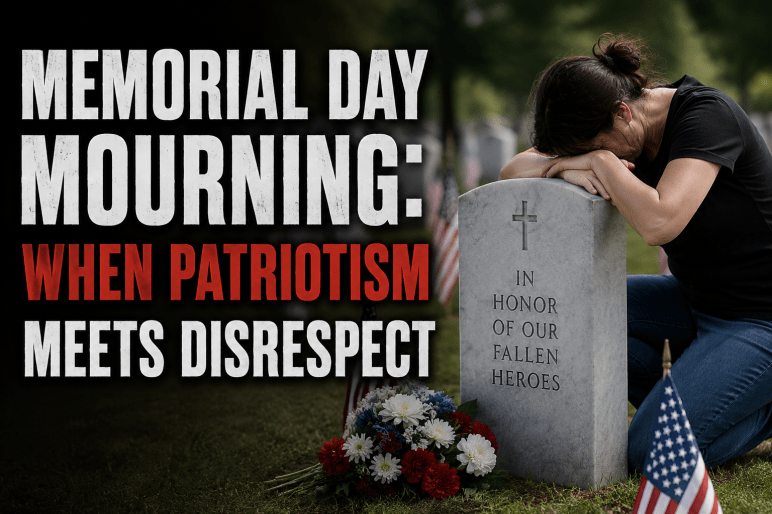
Memorial Day is supposed to be sacred. A day of reverence. A day where the air itself feels heavy with memory. A day where we whisper “thank you” to the ones who went in our place. I don’t care how they voted. What bumper sticker they had. Or what political arguments they hollered at the TV. They went. They stood in the line of fire so I didn’t have to. They carried the weight of a nation on their backs. And some never came home to tell the story.
And now. We are living in an era where their sacrifices are being mocked. Minimized. And twisted into political theater. Where illegal war chew up American lives for reasons that don’t hold water. Where the Commander‑in‑Chief has openly called fallen soldiers “losers” and “suckers,” according to multiple reports from former officials. And I swear, ancestors, I can feel you shifting in your graves like, “We did NOT fight fascism for this.”
Let me be clear. This isn’t about politics. This is about decency, honor, and basic human respect. And they are the qualities that should never be partisan. And yet here we are. Watching behavior that would’ve gotten any of our mamas slapped with a sandal for raising someone so disrespectful. Here are examples that are widely reported. Documented. And discussed. They are of how Donald Trump has disrespected veterans and fallen soldiers.
Calling fallen soldiers “losers” and “suckers”– reported by multiple sources which including former senior officials. My ancestors just collectively rolled their eyes so hard the earth tilted.
Skipping a WWI cemetery visit in France because “it was raining.” Sir, they fought in trenches full of mud, blood, and rats the size of emotional support animals. You can handle a drizzle.
Attacking Gold Star families-families who lost loved ones in service. The audacity. The disrespect. The spiritual malpractice.
Mocking Senator John McCain’s capture-“I like people who weren’t captured.” My ancestors are now pacing the room with hands on hips.
Using the military as political props-something every veteran I know despises. Because service is not a campaign backdrop.
Delaying military aid for political leverage-which put actual soldiers at risk. The ancestors have now lit their own charcoal.
And the emotional stability? Lord. It’s giving “someone sprinting down the interstate with their bra and underwear on the outside of their clothes.” It’s giving me chaos. It’s giving “not a single ancestor signed off on this behavior.” And the compassion? About as present as a cactus at a cuddle party.
This is not how you honor the fallen. This is not how you respect the living. This is not how you lead a nation that has buried far too many of its children. My ancestors fought authoritarianism with their bare hands. Their last breaths. Their prayers whispered into the dirt. And now authoritarianism is parading through our streets wearing a red hat and a tantrum. While insisting it’s the second coming of patriotism. It’s not patriotism. It’s performance. And it’s breaking my heart.
And so, on this Memorial Day. I stand here with the charcoal lit. And the ancestors gathered like a celestial neighborhood watch, I have to say it plainly. America cannot honor its fallen while allowing a man who dodged the draft five times to strut around pretending to be the patron saint of patriotism. America cannot claim to respect sacrifice while elevating someone who avoided service with the infamous “bone spurs” excuse. A condition that miraculously healed the moment the danger passed and the privilege resumed. America cannot pretend to value courage while applauding someone whose greatest battle was apparently against accountability.
Because let’s be honest. The disrespect being hurled at our veterans and fallen soldiers isn’t coming from a place of strength. It’s coming from a place of entitlement so bloated it could have its own gravitational pull. It’s coming from a man who has never had to work for anything. Who has never known the terror of a battlefield. Who has never stood in the boots of the people he mocks.
And the behavior? Hold my sweet tea. We are watching a grown man. A man who holds the highest office in the land. Who is behaving with the emotional steadiness of someone who discovered social media for the first time and decided to treat it like a 3 a.m. confessional booth. Extended blinking sessions like he’s buffering. Late‑night ranting on whatever platform will still have him like Temu Twitter. And typing like a raccoon who found a phone in a staff member’s purse at a memory care facility. And is now live‑blogging its escape attempt.
And the consistency? The only thing consistent is the stench both literal and the metaphorical odor of disrespect, chaos, and ego that follows him like a cloud of Axe body spray applied by a teenager who doesn’t understand dosage.
Meanwhile, our fallen soldiers. The ones who actually knew sacrifice. Who actually faced danger. Who actually gave everything. Are being used as props in a performance that dishonors everything they stood for. My ancestors fought tyrants who believed they were above the people. Above the truth. And now, authoritarianism is parading through our streets loud. Petty. Self‑obsessed. And wrapped in a flag it does not deserve to touch.
So, hear me clearly. I honor our fallen. I honor our veterans. I honor every soul who went in my place so I could live free. But I will not and cannot stay silent while their memory is dragged through the mud by someone who never carried anything heavier than his own ego. This Memorial Day, I stand with the ancestors, the fallen, and the truth. And to the one disrespecting them? Your performance is over. Your act is tired. And the nation you claim to love deserves better. Thanks for reading! God bless those who lost their lives and took a stand against fascism and tyranny. What are your thoughts?
Affirmation: I honor the brave. I speak the truth. And I stand with the ancestors who fought for freedom before me.
“Grief doesn’t just break you. It reshapes you by carving out new rooms in your spirit where strength, memory, and love learn to live together.”
-This Puzzled Life
Light the charcoal. Sprinkle the sage. Grief has once again decided to walk into my life like she owns the deed, the land, the mineral rights, and the emotional infrastructure. She didn’t knock. She didn’t call. She didn’t even send a courtesy text like, “Hey girl, you got a minute to fall apart?” No. She just barged in with her suitcase full of memories. Her purse full of triggers. And set them right in the middle of my spirit like I have nothing else going on.
Grief is bold like that. She shows up when you’re finally catching your breath. She shows up when you’re laughing again. She shows up when you’ve just folded the last load of laundry and dared to feel steady. And suddenly, there she is, sitting on your chest. Rearranging your heartbeat. And whispering reminders you thought were long gone.
People talk about grief like it’s one thing, one feeling, one moment and/or one season. But grief is a whole ecosystem. A weather pattern. A climate shift. A spiritual renovation of which you were unprepared. Grief manifests like this.
The Fog
You’re moving. But everything feels slow. You’re functioning. But nothing feels real. You’re present. But you’re also floating somewhere three feet behind your own body.
The Fire
Sudden anger. Sudden frustration. Sudden “why is this cabinet door looking at me wrong” energy. You’re not mad at the world. You’re mad at the hole the world left behind.
The Wave
You’re fine until you’re not. You’re washing dishes. And suddenly you’re crying into the silverware. You’re driving and suddenly the road looks blurry. You’re folding towels and suddenly you’re remembering a laugh you’ll never hear again.
The Tornado
Everything hits at once. Memories. Regrets. Love. Loss. All swirling so fast you can’t tell which emotion is which. You’re just holding on to the nearest emotional tree trunk hoping you don’t get swept away.
The Quiet Ache
The softest one. The one that sneaks in when the house is still. The one that sits beside you like a shadow. The one that reminds you that grief is love with nowhere to go.
Grief isn’t a sign of weakness. It’s a sign that you dared to love deeply. It’s proof that your heart was brave enough to attach itself to something real. And grief doesn’t leave. It changes shape. It softens. It becomes something you learn to carry. Not because you want to. But because you’re strong enough to. And on the days you feel like you’re not, grief reminds you that surviving is still a form of courage.
Healing doesn’t mean forgetting. Healing means learning to breathe around the empty spaces. Healing means honoring what was while still choosing what will be. Healing means letting yourself feel everything. Even the parts that don’t make sense. And if you’re grieving in ways that feel messy, unpredictable, or inconvenient? You’re doing it right.
Grief may think she’s the main character. But she clearly forgot whose story this is. I’ve walked through storms that tried to swallow me whole. I’ve rebuilt myself from pieces I didn’t even know were still usable. I’ve risen from ashes so many times the ancestors started calling me their favorite phoenix.
Grief can knock me down. But she can’t keep me there. She can shake my voice. But she can’t silence it. She can bend my spirit. But she can’t break it. Every time grief shows up, I rise again. Sometimes I’m slower. And sometimes I’m softer. But always stronger than before. I rise with more compassion. I rise with more clarity. I rise with more fire in my bones and more truth in my chest.
If grief wants to stay awhile, fine. She can sit on the porch and mind her manners. But she doesn’t get to run the house. She doesn’t get to rearrange the set up. And she doesn’t get to dim my light. I am the one steering this healing. I am the one choosing the pace. I am the one deciding what grows from the ashes. And if grief doesn’t like it? She can take it up with my ancestors. Because they already told me I’m built for this. Thanks for reading! And grieve as much as you need to.
Affirmation: I honor every way grief moves through me. I honor the loud, the quiet, the confusing, and the tender. Each feeling is proof that my heart loved deeply and still knows how to rise.
“The truth didn’t break my family. The pretending did.”
-Unknown
Here’s the bigger picture. I didn’t grow up in a family that heals. Problems don’t get solved. They get buried alive. And then resurrected during holidays like emotional zombies. Now that me and my sister are adults, childhood resentments still pop up like whack‑a‑mole. And nobody wants to pick up a mallet. Let’s all smile in public so we don’t “defame the family.” Which honestly, does a fantastic job defaming itself.
And my family isn’t special. Dysfunction is everywhere. I have enough mental health education in my background to recognize the patterns. But they’ll swear I’m the problem. If you look past the church smiles, the whole system is sick. I would genuinely rather be hit by a car than attend “family time.” And because my kids were born into a lesbian family, they get treated like they came with a moral recall notice.
You can’t throw money at children and then take no active part in their lives the rest of the time. Especially, when you do the opposite with the other children in the family. The kids notice. I’ve tried talking about it for 17 years. And the truth is this. They just don’t care.
I have a master’s degree in counseling psychology. Yet somehow I’m the ignorant one. They don’t want insight. They don’t want help. They want silence. And mine has officially expired. I defend myself and my kids however I see fit. Respectfully? No. Effectively? Absolutely.
They want healing without effort. They’re emotional pillow princesses that want the benefits of growth while doing absolutely nothing but blinking dramatically. And when truth bruises their egos, accountability never shows up. Meanwhile, my dad plays messenger pigeon flying information back and forth between me and the rest of the family so that the dysfunction stays perfectly preserved.
Here’s the part they’ll never admit. Family therapy requires guts and transparency. And those two things they treat like forbidden sins. Instead, they’ve built a giant sand pile where they can bury their heads. And pretend nothing is wrong. That’s their comfort zone. Not truth. Not healing. Just sand. Neck‑deep and breathing through a straw of selective memory.
My favorite quote says it best, “If nothing changes, then nothing changes.” And I refuse to be silenced because their comfort depends on my suffering.
Our family lives in what I call comfortable dysfunction. It’s the emotional recliner they refuse to replace even though the springs are broken. And the fabric smells like denial. It’s easier than accountability. Easier than honesty. Easier than saying, “Maybe the gay daughter isn’t the downfall of civilization.”
And as if being the rainbow sheep wasn’t enough. I’m also the green sheep of the family because I’m a medical cannabis patient. And the family’s translation is that I’m “druggin’ and thuggin’.” The “bad influence.” And the “one who needs prayer.” But that’s not even the real issue.
The problem is my refusal to sit quietly in the pew of generational silence. The issue is that I no longer participate in the family’s favorite pastime of pretending. I’m done shrinking myself so other people can stay cozy in their outdated beliefs. I’m done letting conservative Christian values be weaponized against me and my children.
They can keep their selective morality. The kind where my sister thinks being gay is “wrong and evil.” But somehow premarital sex is just the Olympic sport of “being human.” Funny how sin gets flexible when it’s their behavior on the table.
“My family says I’m ‘living in sin.’ Which is wild coming from some of them who wave a red hat like it’s the state flower. They preach about morality and still treat premarital sex, drinking, and hypocrisy like they’re covered under the ‘Jesus forgives me’ warranty.”And trust me. They act like I graffitied the Ten Commandments in rainbow glitter.
Being gay automatically made me the family’s “problem child.” Even though the real problems have nothing to do with what gender I love. And everything to do with the fact that I refuse to pretend. My sister can have premarital sex. Drink like she’s hydrating for the Olympics and drive afterward. And micromanage her child like she’s running a dictatorship. But somehow I’m the moral crisis.
Meanwhile, my sister’s shot glasses stays full. Her judgment stays loud. And her hypocrisy stays undefeated. Funny how cannabis for medical reasons is “dangerous.” But alcohol with a side of denial is “just being human.” I’m the rainbow sheep because I live authentically. I’m the green sheep because I choose a legal, doctor‑recommended treatment. And I’m the scapegoat because I refuse to shrink so other people can stay comfortable in their dysfunction. If being myself makes me the rainbow‑green hybrid sheep of the family, then so be it. At least I’m not grazing in the pasture of hypocrisy.
So no, I’m not stepping back into the box they built for me. I’m not dimming myself, so their comfort stays intact. I’m not carrying the weight of a family that refuses to lift a finger for its own healing. They can keep their comfortable dysfunction. They can keep their silence. They can keep their outdated beliefs wrapped in Bible verses that only apply to me.
Today I honor my inner rainbow‑green sheep. I’m fabulously queer. I’m medically lifted. And completely unbothered by the opinions of people who confuse hypocrisy with holiness.”
I’m choosing truth over tradition. I’m choosing growth over guilt. I’m choosing my children, my peace, and my sanity. And if my existence shakes the foundation of their worldview. Then the foundation was weak to begin with. Thanks for reading! Do you and let the others do them.
Affirmation: I bless my rainbow‑green sheep soul today queer, medicated, and thriving. While certain relatives clutch their red hats and pearls at my existence. But don’t blink twice at their own chaos, contradictions, or alcohol fueled commandments.
“My family says I’m ‘living in sin.’ Which is hilarious coming from people who treat denial like a spiritual gift. And premarital sex like a community service.”
-This Puzzled Life
Light the charcoal. Sprinkle the sage. Negative energy, get your shoes on and leave. Today we’re diving into one of my favorite dysfunctional family topics. Family roles. Those unofficial job titles we never applied for. Never wanted. And yet somehow ended up performing like we were on salary. Take a moment and see where you and your people fall. And here’s the spoiler. If you’re reading this, you already know.
Before we get started, let me warn you. This is not a gentle stroll through family history. This is a full‑blown guided tour through a Southern household. That’s been held together with casserole, denial, and conservative Christian values. That seem to get applied with the accuracy of a toddler using glitter glue.
I grew up in a family where “we don’t talk about that” wasn’t a suggestion. It was the eleventh commandment. Emotions were treated like illegal fireworks. Everyone had them. Nobody handled them correctly. And something always exploded at the worst possible time.
In my house, honesty was considered aggressive. Accountability was considered disrespectful. And therapy? Therapy was treated like witchcraft performed by people who “don’t know Jesus personally.”
Meanwhile, the dysfunction strutted around the living room in broad daylight wearing a name tag and a church hat. And everyone pretended they couldn’t see it. If denial were a sport, my family would have Olympic medals and a sponsorship from Hobby Lobby.
So, buckle your emotional seatbelt. And prepare yourself. Because once you recognize the roles in a dysfunctional family. It’s like spotting roaches. You can’t unsee them. And suddenly they’re everywhere.
Family roles are the expected behaviors, responsibilities, and emotional acrobatics each person performs to keep the family circus running. These roles shift depending on culture, family size, and personality. But the classics are Hero, Scapegoat, Golden Child, Lost Child, Mascot. And I show up everywhere like glitter after a craft project.
Let’s begin.
1. The Hero (a.k.a. The Family PR Department) The Hero’s job is to make the family look normal, stable, and “blessed and highly favored” to the outside world. According to theraplatform.com (2025), they take on excessive responsibility to gain approval. This is my mother’s role. Or at least the role she auditions for. She is attention-seeking. Reputation-obsessed. And allergic to accountability. She delivers passive-aggressive comments like she’s handing out communion wafers. And then acts shocked when people get upset.
Her signature move? “The Dummy Card.” Suddenly she “doesn’t remember,” “didn’t mean it like that,” or “doesn’t know what you’re talking about.” But trust me, she knows. And right after she stirs the pot. She gives my dad the “rescue me” look. As if she didn’t just season that pot with cayenne, spite, and generational trauma. We only have real conversations when she’s mad at my sister, The Golden Child. Otherwise, it’s news, sports, and weather which is the Holy Trinity of Avoidance.
2. The Scapegoat (hi, it’s me) The Scapegoat is blamed for everything wrong in the family. Stubbed toe? My fault. Bad weather? Somehow me. The economy? Probably me too. I don’t conform to their lifestyle. I’m gay. I use medical cannabis. I don’t go to church because there are too many people who support the cruelty of the Trump regime. And align theirselves with the MAGA movement which practices a form of chriatianity that cannot be found in any Bible. And quite frankly, they have a bad reputation for normalizing pedophilia while demonizing being gay. I guess I should be glad that I just can’t understand that rationale.
I talk about taboo topics. And I acknowledge reality instead of pretending everything is fine. And did I mention I’m gay? Because trust me they will. Instead of saying, “She’s our family and we love her no matter the gender of someone she loves and that loves her.” They act like my existence is a PR crisis. The attitude is like, “Remember when Dana destroyed the family by being prouid to be gay and authentic?” I’m also the family whistleblower. I don’t play along with generational nonsense. I’m my own person. And I’m not apologizing for it.
3. The Golden Child (my sister, obviously) The Golden Child is the family’s prized possession. The chosen one. The favorite. And the one who can do no wrong even when she is actively doing wrong. Thriveworks.com (2023) describes this child as obedient, praised, and protected. That’s her. She has been dipped in gold since birth. She follows the script. Holds the same beliefs. And passes them down to her children like heirloom china. She was taught what to think. Not how to think. And the cycle continues. Children aren’t born to hate. They learn it from the adults who raise them. And this is what my sister excels at consistently.
4. The Lost Child (also my sister — she multitasks) The Lost Child avoids conflict like it’s a full-time job with benefits. She withdraws. Stays quiet. And pretends she’s above the chaos. While simultaneously contributing to it. She never acknowledges her harmful behavior. She believes most people are beneath her. And when she talks about someone being gay, she spells it out “G-A-Y” like she’s avoiding summoning a demon. Her emotional range is that of a frozen waffle. And honestly, that’s the family vibe overall.
5. The Mascot (me and my dad) Mascots use humor to distract from the dysfunction. We crack jokes. Lighten the mood. And do not dare fix anything. We just to keep the room from exploding. This doesn’t always work especially when me and my sister are at war like rainbows and bibles. My dad rescues my mom and sister from “big, bad Dana.” Who refuses to sweep things under the rug. I’m the villain because I tell the truth. Imagine that. Kind of sounds like the current government’s level of functioning.
Now you’ve met the cast and the roles they cling to like emotional security blankets. In the next part we’ll zoom out and look at the bigger picture. And it’s the part they refuse to acknowledge.
That concludes our tour of the Family Circus. Please exit through the gift shop. Where denial is half‑off. Accountability is out of stock. And the Scapegoat merchandise is mysteriously overpriced.” Thanks for reading! Keep breaking chains.
Affirmation: Today I honor my emotionally athletic self. The whistleblowing. Boundary‑setting. Truth‑telling legend who refuses to join the family’s Olympic Denial Team. Even though they’ve been training since the womb.
“Trauma doesn’t make you weak. It makes you a witness to your own survival.”
-This Puzzled Life
Light the charcoal. Sprinkle the sage. Let the smoke rise like it’s clocking in for a shift. And let the air shift like it’s bracing itself for whatever truth you’re about to drag into the daylight. Today isn’t about pretending everything’s fine or slapping a smile on top of a wound. It’s not about the vibes, snacks, or cats doing interpretive dance in the sunbeam. It’s about trauma awareness. It is about naming the things we survived. The things we carried alone. The things we laughed through so we wouldn’t crumble. It’s a Southern‑fried, emotionally honest, and funny enough to keep you from dissolving into a puddle on the kitchen floor.
Trauma Awareness is the kind that hides in your shoulders, jaw, breath, memories, and your jokes. And if we’re going to talk about it, we’re going to do it the only way I know how. Complete with honesty, humor, and the kind of emotional courage that feels like taking your bra off after a long day. It’s painful, relieving, and absolutely necessary.
There’s a moment right before you talk about trauma where your whole spirit goes, “Are we sure we want to do this?” It’s the same tone you use when someone says, “Let’s just run into Walmart real quick.” You know it’s not going to be quick. You know you’re going to see something you can’t unsee. You know you’re going to come out changed. Talking about trauma is like that. Except instead of a man in pajama pants buying raw chicken and fireworks, it’s your nervous system holding up a sign that says, “We’ve been through some things, ma’am.”
Trauma doesn’t just show up when you’re ready. Trauma is that one cousin who arrives early. Eats all the good snacks. And then says, “Why you look stressed?” It pops up at the worst times especially when you’re trying to relax. When you’re trying to sleep. When you’re trying to enjoy a sandwich. When you’re trying to mind your business. And when you’re trying to be a functioning adult for five minutes. Trauma will tap you on the shoulder like, “Hey bestie, remember that thing from 1998? No? Well, I do.” And suddenly you’re staring at the wall like it owes you money.
Your body remembers everything. Even the stuff you tried to bury under humor, iced coffee, and pretending you’re fine. You’ll be walking through Wal-Mart. Touching a throw pillow. And your body will whisper, “Hey, remember that time?” And you’re like, “No I do not. I am touching a pillow. Let me live.” But trauma doesn’t care. Trauma is like a Southern grandmother with a memory like a steel trap. And no sense of timing.
People talk about healing like it’s a spa day. Let me tell you something. Healing is not cucumber water and a robe. Healing is crying in the shower because your shampoo smells like 2007. Healing is realizing you’ve been clenching your jaw since the Bush administration. Healing is sitting in your car after therapy like you just got hit by an emotional freight train. Healing is messy. Healing is loud. Healing is quiet. Healing is confusing. Healing is holy. Healing is exhausting. Healing is worth it. But cute? Absolutely not.
So, buckle up. Because the cats have decided it’s Trauma Awareness Hour. And apparently they’ve all been waiting their whole lives to trauma dump with the enthusiasm of a group therapy circle run by toddlers. And today is the day they ask deeply personal questions with the emotional sensitivity of a toddler holding a chainsaw. They have formed a circle. They have snacks. They have opinions. And apparently, they have questions about my trauma.
Me: “Okay, girls. Today we’re talking about trauma. Share whatever you feel comfortable with.”
She raises paw like she’s in kindergarten
Piper: “I’ll go first because my story is the most dramatic. Obviously.”
Coco: “Oh lord.”
Tinkerbell: “Let the child speak. She needs this.”
Piper: “So picture this. Me and my siblings. In a metal box. In the Mississippi heat, basically sautéing like tiny furry cornbread muffins.”
Me: “Baby, that’s awful.”
Piper: “I know. I was basically a rotisserie chicken with trauma.”
Coco: “You were a sweaty raisin with opinions.”
Piper: “Anyway, I survived because I’m dramatic and stubborn. And now every time the sunbeam hits me wrong, I flop over like a Victorian woman fainting at a garden party.”
Tinkerbell: “You faint because you forget to breathe when you get excited.”
Piper: “Trauma. Tinkerbell. Let me have this.”
Coco clears throat like she’s about to deliver a TED Talk
Coco: “My siblings and I were found under a house. A house. Do you know what lives under houses? Darkness. Ghosts. Tax evasion. I was basically a feral raccoon with trust issues.”
Me: “You’ve come so far.”
Coco: “Yes. And now I cope by judging everyone. It’s called growth.”
Piper: “You judge me the most.”
Coco: “You give me the most material.”
Tinkerbell: “I don’t remember my trauma.”
Me: “At all?”
Tinkerbell: “No. I simply chose not to be present. I was spiritually unavailable.”
Coco: “You had worms.”
Tinkerbell: “Yes, apparently my intestines were hosting a music festival.”
Piper: “You pooped like you were trying to summon something.”
Tinkerbell: “I was summoning peace. And a vet. Preferably both.”
Me: “You really don’t remember anything?”
Tinkerbell: “I remember diarrhea. And then I remember you. Everything else is optional.”
Me: “Well, we’ve all been through some things.”
Piper: “Yeah, but now we’re together! A family! With two crazy brothers who scream at dust!”
Coco: “We are a support group. A dysfunctional one, but still.”
Tinkerbell: “We heal one memory at a time. Preferably with snacks.”
Piper: “And naps!”
Coco: “And boundaries. Mostly for Piper.”
Piper: “I don’t believe in boundaries.”
Tinkerbell: “We know.”
Piper: “Sometimes I get scared when it’s hot outside. So, I cope by yelling at the sun.”
Coco: “I cope by staring at people until they feel bad.”
Tinkerbell: “I cope by leaving my body spiritually whenever something stressful happens. Like when the vacuum turns on. Or when Piper breathes too loud.”
Piper: “I have big emotions.”
Coco: “You have no volume control.”
Tinkerbell: “You have the energy of a toddler who drank a Red Bull.”
Piper: “Momma, what is your trauma about?”
Me: “Oh absolutely not. We are not opening that can of worms. We’ll be here until this time next year. And I don’t have enough snacks or emotional stamina.”
Coco: “Is that why you have panic attacks in Walmart?”
Me: “Yes.”
Tinkerbell: “But what’s scary about going to the pharmacy?”
Me: “Everything.”
Piper: “Everything?? Like the shelves? The people? The lighting?”
Me: “Yes.”
Coco: “The lighting is aggressive.”
Tinkerbell: “The vibes are hostile.”
Piper: “The blood pressure machine is a demon.”
Me: “Exactly.”
Coco: “So what did our therapist tell you?”
Me: “She said, ‘I’ll see you in another couple of days.’”
Tinkerbell: “Translation: ‘You’re a lot. But I believe in you.’”
Piper: “Translation: ‘You have so many issues we need a punch card.’”
Coco: “Translation: ‘You’re keeping the lights on in that office.’”
Me: “But look at us now. We’re safe. We’re loved. We’re healing together.”
Piper: “And we have snacks!”
Coco: “And stability.”
Tinkerbell: “And indoor plumbing.”
Me: “We survived things we never should’ve had to survive. And now we get to build something soft and silly and sacred together.”
All Three Cats: “Group hug!”
Coco: “But don’t touch me too long.”
Piper: “I’m crying!”
Tinkerbell: “I’m dissociating!”
Me: “Perfect. Exactly the emotional range I expected.”
In small Southern towns, admitting trauma is treated like a social crime. The moment you name what happened, you’re not just telling your story. You’re “disgracing the family,” “embarrassing the community,” and threatening the carefully polished illusion of stability that everyone works so hard to maintain. The culture teaches people to swallow their pain. Protect the reputation of the town at all costs. And never, under any circumstances, call out the people who caused the harm. And because the “good ole boy” network is alive and well. And sitting in every position of authority from the courthouse to the church pews, the truth gets buried right alongside the accountability. Even when the perpetrators are known. Especially when they’re known. Nothing is done. The silence is enforced. The victims are shamed. And the town keeps smiling for the church directory photo like nothing ever happened. But the truth doesn’t disappear just because the town refuses to look at it. It lingers in the air, the families, the generations, waiting for someone brave enough to break the cycle and say, “This happened. And it mattered.” And I am that one in my family who refuses to stay quiet about the trauma that happened in the small city of Petal, MS.
Trauma will have you doing things that make absolutely no sense. Things like apologizing to furniture when you bump into it. Jumping at sounds that aren’t even loud. Overthinking texts like you’re decoding ancient scripture. Saying “I’m fine” in a tone that suggests you are, in fact, not fine. And crying because someone said, “I’m proud of you.” And your body wasn’t prepared for that level of kindness. Trauma will also make you emotionally attached to random objects. A mug. A blanket. A rock you found on a walk. A pen that writes really smooth. Your brain will be like, “This is my emotional support spoon. Touch it and perish.”
Trauma awareness isn’t about reliving the pain. It’s about naming it, so it stops owning you. It’s about understanding why you react the way you do. It’s about giving yourself grace for surviving things you never should’ve had to survive. It’s about learning that your triggers aren’t flaws. They’re evidence that you lived through something real. And it’s about knowing you’re not broken.
You’re healing. You’re growing. You’re learning how to breathe again. You’re learning how to trust softness again. You’re learning how to exist without bracing for impact. That’s not weakness. That’s strength with stretch marks.
May your healing be gentle. May your memories lose their sharp edges. May your nervous system unclench one muscle at a time. May your heart learn safety. May your voice return to you. May your laughter come back louder. May your story be yours again. And not something that happened to you. But something you rose from.
So, if no one told you today. You’re not dramatic. You’re not broken. And you’re not “too much.” You’re a whole human who lived through storms that would’ve snapped lesser souls in half. And you’re still here healing. Laughing. Unlearning, Softening. Reclaiming. That’s not survival. That’s resurrection. And baby, if that isn’t holy, I don’t know what is. Drop the sage. Keep the truth. And walk away knowing this. Your story didn’t end in the dark. You did.
Affirmation: I honor the parts of me that survived. I honor the parts of me that are still healing. I am allowed to grow, to rest, to feel, and to reclaim my peace. And I can do it one breath at a time.