
“People will continue to die. People will continue to have adverse reactions. People will continue to live with the consequences of their choices down the road.”
-Jan Rozga, a mother whose son committed suicide after smoking synthetic marijuana
Light the charcoal. Sprinkle the sage. Negative energy go away. Today, I want to dive into a subject that most have heard of but don’ t know a lot about. The topic is designer drugs.
You don’t need to be a scientist to understand designer drugs. You just need to know this. Designer drugs are chemicals made to look harmless, but they can be far more dangerous than the drugs they imitate. They show up in places parents don’t expect. They’re marketed in ways that feel safe. And they’re evolving faster than most families can keep up with. Designer drugs are created by changing the chemical structure of existing drugs just enough to make them.
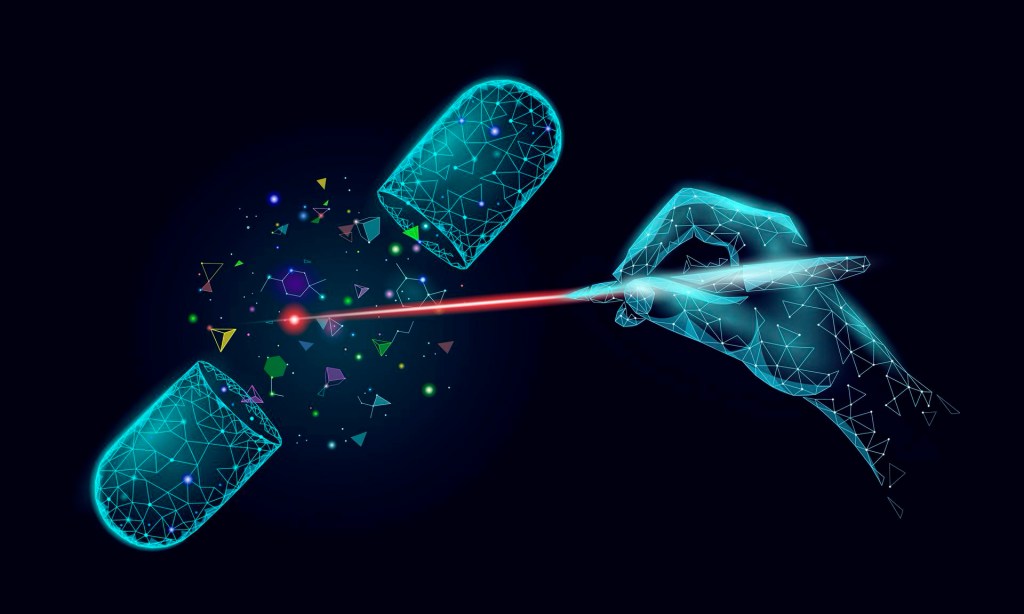
- Harder to detect
- Harder to regulate
- Easier to sell
They’re often sold as:
- Vape cartridges
- Edibles
- Pills that look like Xanax, Adderall, or Percocet
- “Herbal incense” (K2/Spice)
- “Bath salts”
- Powders labeled “not for human consumption”
The packaging looks harmless. The chemicals inside are anything but harmless. Most young people who encounter designer drugs don’t realize they’re using something synthetic. But designer drugs are often mixed into these products without the user’s knowledge. That’s why overdoses happen even when someone thinks they’re being careful.
Designer drugs can be more dangerous than the ones they’re attempting to mimic. According to the National Institute on Drug Abuse, these substances can be:
- More potent
- More unpredictable
- More toxic
Some new synthetic opioids (like nitazenes) are so strong that a few grains can be fatal. Some synthetic cannabinoids (fake weed) can cause:
- Seizures
- Heart attacks
- Extreme paranoia
- Violent agitation (What are nitazenes? Drug could make fentanyl look like ‘good old days’)
These reactions can happen on the first use, even in small amounts.
The 2024 Synthetic Cannabinoid/Designer Drug Listing identifies several new chemicals now appearing in toxicology screens, including:
- 3,4‑MDPHP
- ADB‑BINACA
- ADB‑5’Br‑BUTINACA
- 4‑fluoro MDMB‑BUTINACA (2024-SCDD-Online-Drug-List.pdf)
To the average person like myself, these letters are meant to confuse, not to inform. Parents don’t need to memorize the names. They just need to know new chemicals appear constantly, and they’re often more dangerous than the ones before. The signs of designer drug use aren’t always obvious. Because these drugs vary so much, symptoms can look like:
- Panic attacks
- Extreme anxiety
- Confusion
- Hallucinations
- Sudden aggression
- Passing out
- Seizures (Emerging Drug Trends | National Institute on Drug Abuse (NIDA))
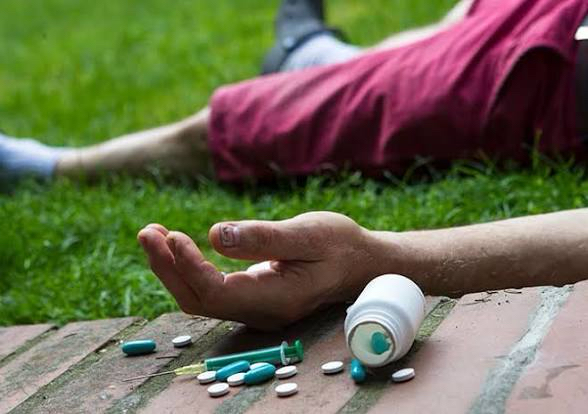
If something feels “off,” trust your instincts. Designer drugs don’t follow predictable patterns. And as parents, we must listen to our gut about our children and their behavior.
What Can Parents Do Right Now?
- Stay curious, not judgmental. Kids talk more when they feel safe.
- Learn the basics. You don’t need to be an expert only informed.
- Watch for sudden changes. Mood, sleep, appetite, or behavior shifts matter.
- Talk early and often. Not just during crises.
- Normalize asking questions. “If you ever see something weird, you can always ask me.”
You don’t need perfect answers. You just need presence. The goal isn’t fear. It’s awareness. You don’t have to lecture. You don’t have to scare. You don’t have to know every chemical name. What matters most is creating a space where your child feels safe saying:
- “I saw this at school.”
- “Someone offered me this.”
- “I don’t know what this is.”
Open conversations save lives. Shame and silence do the opposite.
At the end of the day, every conversation about designer drugs comes back to one simple truth: we’re all just trying to keep the people we love safe in a world that changes faster than any of us can track. These substances aren’t just chemical formulas or scary headlines. They’re real risks that touch real families, often without warning.
But knowledge is a kind of light. And when we shine that light into the shadows, fear loses its power.
If you’re a parent, a guardian, a mentor, or simply someone who loves a young person, your presence matters more than you know. You don’t have to be perfect. You don’t have to have all the answers. You just have to stay open, stay curious, and stay willing to talk about the hard things before they become emergencies. Because the truth is this: Connection protects. Conversation protects. Awareness protects.
And remember, you’re not alone. Every step you take toward understanding is a step toward safety, compassion, and a future where the people you love feel seen, supported, and empowered to make choices that honor their lives. Thanks for reading! Keep moving forward.
Affirmation: I am in control of my decisions.
***Don’t forget to watch the video!***
#Thispuzzledlife
 This Puzzled Life