This Puzzled Life is a mental health and recovery blog exploring addiction, trauma healing, LGBTQ experiences, humor, and the strange moments that shape us.
“Awareness is the first step toward healing. And healing is a community effort.”
-This Puzzled Life
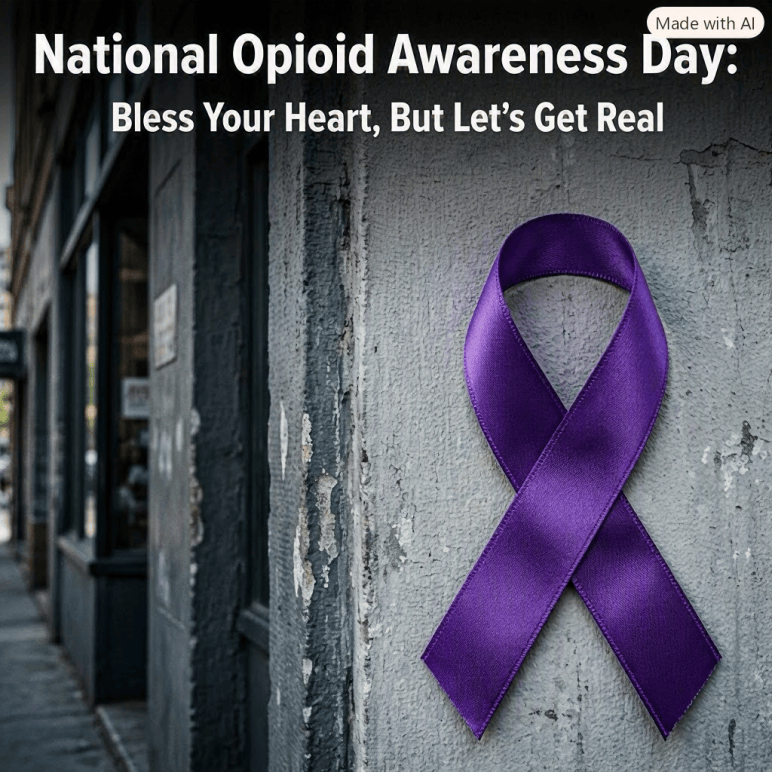
Light the charcoal. Sprinkle the sage. Call the ancestors. Today, we’re talking about National Opioid Awareness Day. And we’re doing it in full Southern-sass, porch‑swing truth‑telling mode. Grab your sweet tea, your emotional support cat, and maybe a biscuit for stability. Because this one’s gonna be equal parts hilarious, heartfelt, and holy‑ghost serious.
The truth is this. National Opioid Awareness Day exists because too many families have empty chairs at the dinner table. Too many mamas have cried into dish towels. Too many communities have buried dreams that should’ve lived.
This day is recognized to honor the lives lost. Uplift the ones still fighting. And remind the rest of us that addiction is not a moral failure. It’s a public health crisis that deserves compassion, resources, and loud, unapologetic awareness. But you know me. I can’t stay solemn for long. My ancestors didn’t raise me to be quiet or boring. Now let’s get sassy about it.
Let me tell you something. If the opioid epidemic were a person, it’d be that messy cousin who shows up uninvited. Eats all the potato salad. Steals your good Tupperware. And then has the nerve to ask for gas money. It’s rude. It’s destructive. And it’s been wreaking havoc across the nation like a raccoon with a grudge and access to your trash cans. This is the day we collectively say, “Not today, Satan. Not in my house. Not in my holler. And not in my county.”
It’s the day communities come together with churches, schools, aunties, cousins, and the neighbor who always knows everybody’s business. To learn. Support. And fight back with education, prevention, and love. Because love is louder than stigma. And community is stronger than crisis. And Southern women? We don’t play when it comes to protecting our people.
Addiction doesn’t care about zip codes. Because recovery is possible. Because shame kills. But awareness saves. Every life deserves a chance to come home. Sit at the table. And say, “I made it.” And if we don’t talk about it, we lose more than we can bear.
And so here we stand. Charcoal still glowing. Sage still swirling. Ancestors still humming that low in a knowing tune they save for moments when truth hits bone-deep. National Opioid Awareness Day isn’t just a date on a calendar. It’s a call to rise up like your grandma’s biscuits in a hot oven. It’s a reminder that we don’t get through hard things alone. And we sure don’t heal in silence.
Silence is a thief. Stigma is a liar. And shame? Shame is that dusty old cousin who shows up to the family reunion wearing flip-flops and bad decisions. While trying to tell everybody how to live. We don’t listen to shame in this house. We listen to compassion, community, and the ancestors who whisper, “Baby, keep going.”
We honor the ones we’ve lost. We uplift the ones still fighting. We stand guard over the ones who haven’t yet found their way home. And we do it with humor, heart, with Southern stubbornness. And with the kind of love that refuses to back down. It’s the kind of love that will fight a bear, a politician, and a malfunctioning church crockpot all before breakfast.
So today, light your charcoal. Sprinkle your sage. Call your ancestors. And then take one bold step toward awareness, healing, and being the kind of person who refuses to let crisis win. Because this story isn’t over. This fight isn’t finished. And this our community is louder, stronger, and more determined than any epidemic that ever tried to break us. Now excuse me while I drop this mic like it’s hotter than a Mississippi August sidewalk. We see you. We love you. We’re fighting with you. And we’re not done yet.
Affirmation: I honor the lives affected, uplift the ones still fighting, and choose compassion over judgment every single time.
“Shame has never saved a life. Compassion has. And still can.”
-This Puzzled Life
Light the charcoal. Sprinkle the sage. Today, we’re not just cleansing the house. We’re cleansing the collective delusion that addiction is a moral failing. The sage is smoking like it’s trying to file a worker’s comp claim. The charcoal is popping like it’s gossiping about the neighbors. And I’m standing in the kitchen with the kind of determination usually reserved for Southern women who’ve had enough.
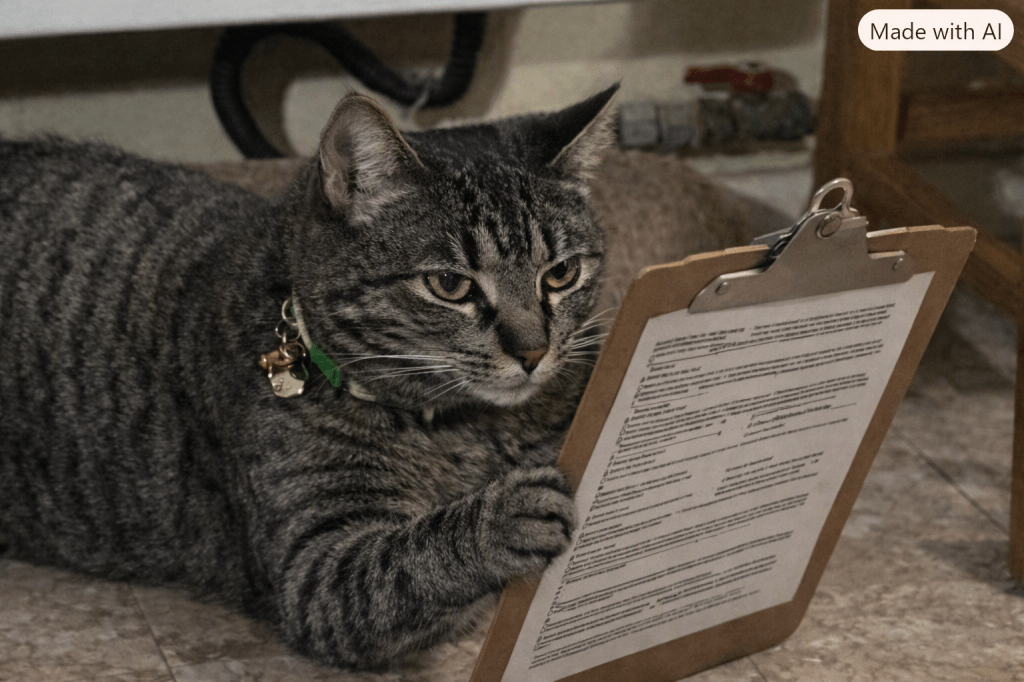
Piper struts in first.Tail high. Eyes narrowed. And a clipboard already out like she’s conducting a federal audit.
Piper: “Before we begin. I need to know if this is a cleansing ritual, a public dragging, or a memorial service. My paperwork differs.”
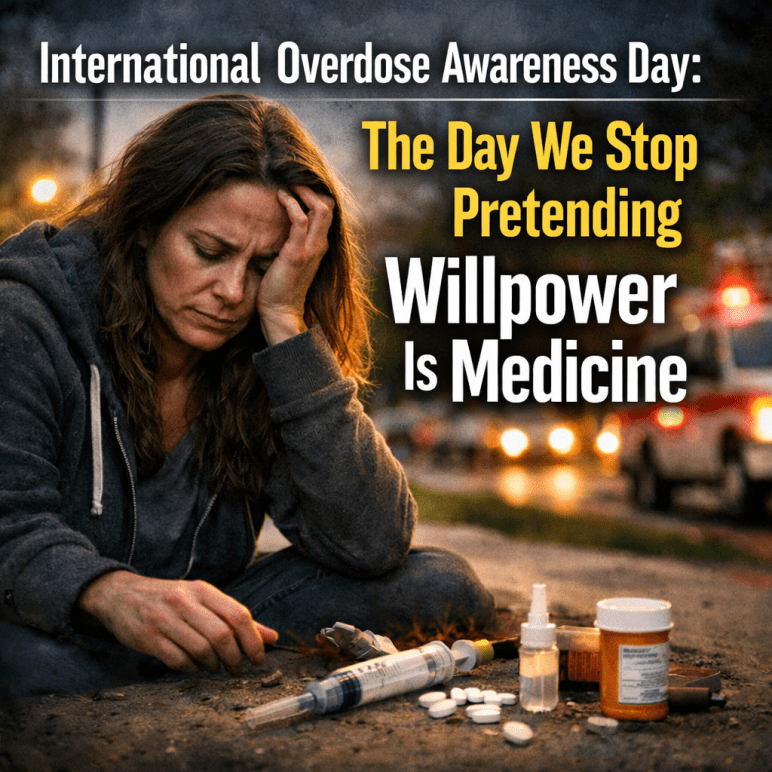
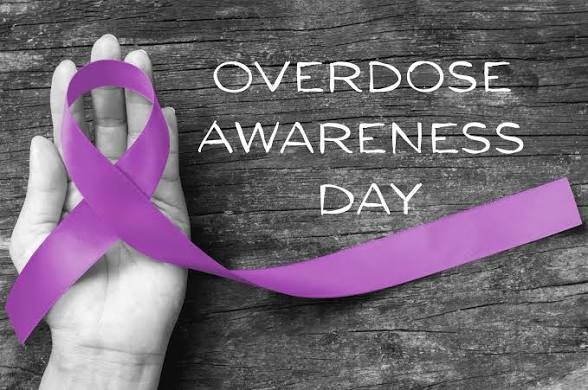
Me: “All three. It’s International Overdose Awareness Day. And I’m about to educate the masses.”
Coco barrels in next. She’s breathing heavily like she just ran a marathon but actually just walked from the living room.
Coco: “Is this about the humans who say addiction is willpower? And overdose is a moral collapse? I once ate an entire rotisserie chicken while sleepwalking. Explain that with willpower.”
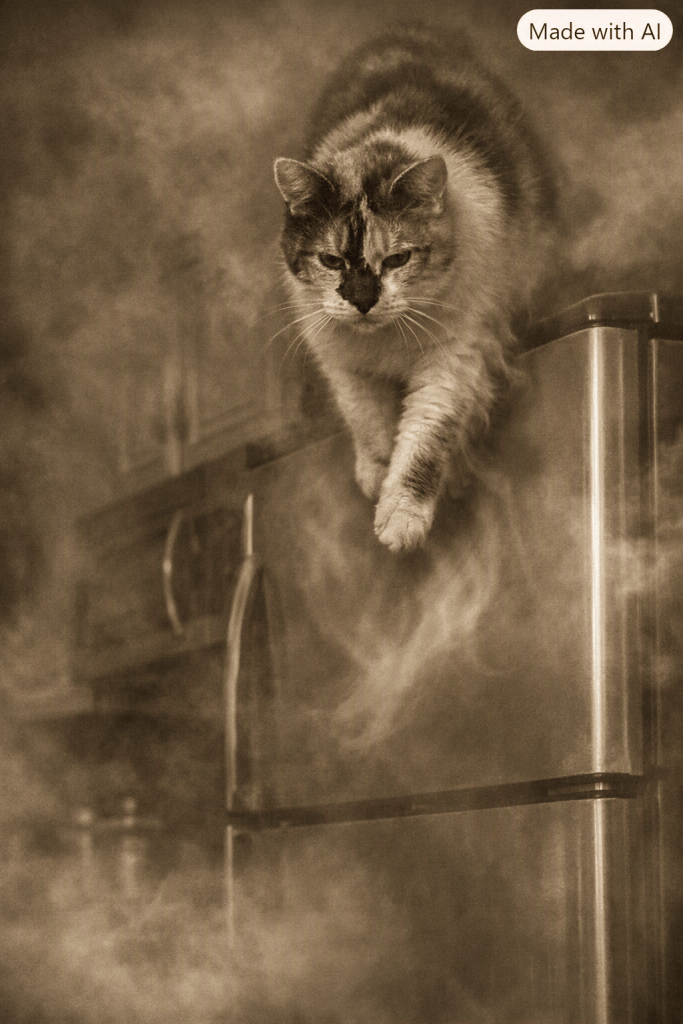
Tinkerbell descends from the top of the fridge like a Victorian ghost who died of judgment.
Tinkerbell: “If willpower cured anything, half this household would stop doomscrolling at 2 AM. And the other half would stop emotionally eating Cheez-Its.”
Me: “Exactly. We’re dragging ignorance today.”
Piper adjusts her glasses. The glasses she does not need and sighs.
Piper: “I’ll prepare the minutes. This meeting is already chaotic.”
International Overdose Awareness Day started in 2001 as a remembrance event at a Salvation Army needle exchange in Melbourne, Australia. It was created to honor those lost. Reduce stigma around overdose. And to push the world to stop treating overdose like a shameful secret instead of a public health crisis. And let me say this plainly, with all the Southern sweetness of a peach cobbler baked in righteous fury, “Addiction and overdose are not moral issues.” And it’s not about willpower.
The next time you have diarrhea, keep in mind that it’s just willpower. Sit there with a Bible verse and see if the situation resolves itself. Let me know how that works out. That’s how ludicrous that argument is.
People don’t become addicts because they’re weak, sinful, lazy, or lacking character. Many addicts die wanting anything in life other than to be an addict. They die fighting. They die trying. They die hoping. But some folks, including people in my own family, love to say, “Addiction is about willpower.” It never has been. It never will be.
I’ve been an addict. I’ve been a professional treating addicts. I’ve buried friends. I’ve buried family. Not once have I judged them for their struggle. But the hypocrites in my life? The ones who claim moral superiority while ingesting alcohol at a rate that Pete Hegseth and Kash Patel struggle to keep up with? Hypocrite, please.
Overdose is an unfortunate part of addiction. Whether it’s chemicals, behaviors, or the slow-motion self-destruction people pretend “doesn’t count.” Because it’s socially acceptable. So how about we stop demonizing people who overdose while absolving ourselves of our own harmful, numbing, escapist overdoses?
If we’re being honest, some folks overdose on alcohol, self-righteousness, denial, Amazon Prime, gossip, rage, food, religion, and control. But somehow that doesn’t get labeled as a moral failure. Funny how selective morality works.
And here’s the truth that makes some folks squirm like they sat on a church pew with a splinter. Overdose doesn’t happen because someone is weak. It happens because someone is human. Humans who loved. Humans who tried. Humans who fought battles most people couldn’t survive for five minutes. Humans who deserved compassion instead of commentary.
But every year, we lose more people. Not because they were broken. But because the world still treats addiction and overdose like a character flaw instead of a medical condition. We lose them because shame is louder than science. Because judgment is easier than empathy. Because some folks would rather cling to their superiority complex than admit they don’t know a damn thing about what they’re talking about.
So on International Overdose Awareness Day, I’m lighting this charcoal. Sprinkling this sage. And saying this with my whole chest, “Stop demonizing the people who are drowning while you’re out here drinking from your own poison well. Stop pretending your socially acceptable overdoses are any less destructive just because they come with a cute, monogrammed tumbler or a Bible verse slapped on top. Stop acting like overdose is a choice when half the people judging can’t even choose to drink water or go to bed on time. And most importantly, start honoring the people we’ve lost by refusing to let stigma bury the living.
The dead deserve dignity. The living deserve compassion. And the ignorant deserve education. Loud, unapologetic, Southern‑fried education. Today, I’m choosing truth over tradition. Compassion over comfort. And humanity over hypocrisy. If that makes some folks uncomfortable? Good. Growth never happens in comfort. And comfort has never saved a single life. But truth might. Compassion might. You might. Thanks for reading! Share this with others.
Affirmation: I honor the lives lost. Uplift the living. And refuse to let stigma speak louder than truth.
“Awareness isn’t comfortable, but neither is grief. Choose the discomfort that saves lives.”
-This Puzzled Life
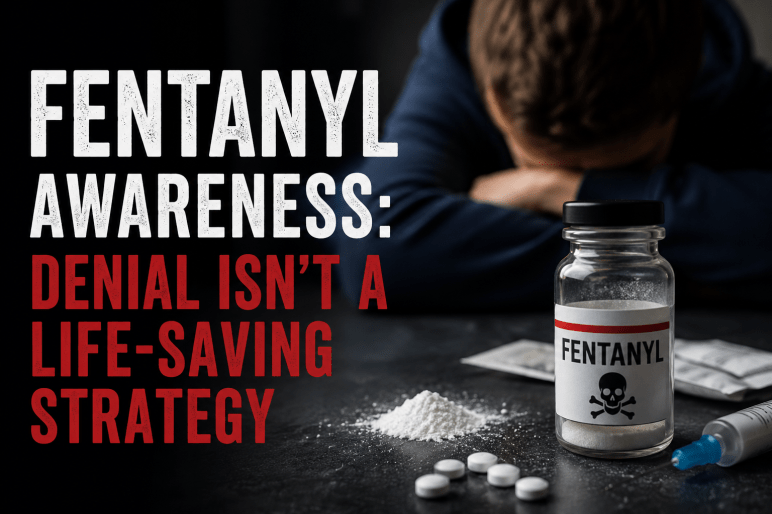
Light the charcoal. Sprinkle the sage. Today, we’re talking about Fentanyl Awareness. And Lord knows some folks need more than sage. They need a whole spiritual intervention. A PowerPoint and maybe a smack from an ancestor with a wooden spoon.
We’re still living in a world where people think fentanyl is something that happens to “other families,” “other communities,” or “those people over there.” Fentanyl doesn’t care about your zip code. Your Bible study attendance record. Or how many casseroles you’ve delivered to the church potluck. It is an equal-opportunity destroyer. And yet, some folks still clutch their pearls and say, “Well, if people didn’t do drugs.” Sweetheart, if ignorance burned calories, half this country would be runway-ready.
Fentanyl isn’t a moral issue. It’s a public health crisis. A grief generator. And a silent killer that slips into communities like humidity in Mississippi. It comes uninvited. Suffocating. And everywhere. But sure, let’s keep pretending it’s just a “bad choice” problem. And just for shits and giggles, I’ll say that bombing people in fishing boats that are clearly are not transporting this substance is not an answer to the problem.
Fentanyl doesn’t knock. It doesn’t ask permission. It doesn’t wait until you’re ready to have your life rearranged. It shows up like a tornado in the middle of a sunny day. It’s fast. Violent. And leaves you standing in the wreckage while wondering how the hell everything changed in seconds.
People aren’t overdosing because they’re weak. They’re overdosing because fentanyl is 50 times stronger than heroin. And 100 times stronger than morphine. They’re overdosing because it’s being mixed into substances without their knowledge. They’re overdosing because the world is heavy. Trauma is real. And coping mechanisms don’t magically appear with a bow on top.
But try telling that to the folks who think addiction is a “willpower issue.” These are the same people who can’t resist a clearance sale at Hobby Lobby. But somehow believe others should resist a chemically engineered substance designed to hijack the brain.
Addiction is not a character flaw. It’s not a spiritual failure. It’s not a lack of discipline. It’s a medical condition. A trauma response. And sometimes a desperate attempt to feel anything other than pain.
And fentanyl? It’s the predator waiting in the shadows. Families are burying children. Parents are burying parents. Communities are burying potential futures and dreams. And still some folks would rather cling to judgment than compassion. Because compassion requires effort. Judgment is free and easy like drive-thru theology.
So, here’s the truth that’s wrapped in Southern sass and tied with a bow of reality. Fentanyl doesn’t care about your opinions. It doesn’t care about your politics. It doesn’t care about your moral superiority complex. But we should care. We should care enough to talk about it. We should care enough to educate ourselves. We should care enough to stop pretending this crisis is happening in some faraway land to people we’ll never meet.
Fentanyl is already here. It’s in our towns, our schools, families, and our communities. And pretending otherwise won’t save a single life. And for the love of all things holy, open your eyes. Denial has never saved anyone. Awareness does. Compassion does. Action does. Try not to trip over it on your way back to reality. Thanks for reading! What are your thoughts?
Affirmation: I choose compassion over judgment. Truth over denial. And awareness over silence. My voice matters. And so does every life touched by this crisis.
“My healing isn’t linear. It’s a Southern backroad with potholes, detours, and at least one possum giving me side‑eye. But I’m still driving.”
-This Puzzled Life
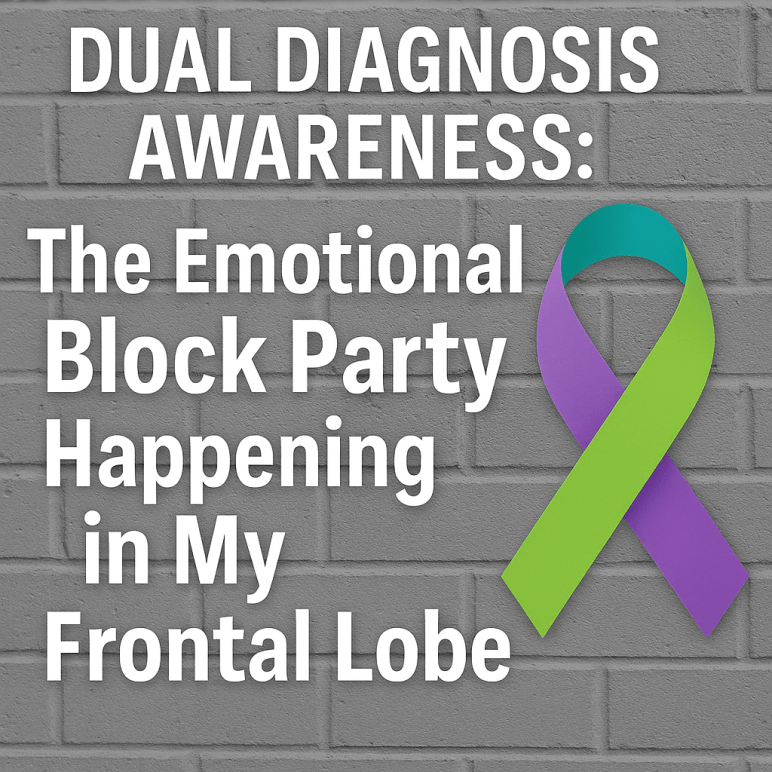
Light the charcoal. Sprinkle the sage. Today we’re not just cleansing the room. We’re cleansing the entire diagnostic chart that tried to play me like a two‑for‑one special at the Discount Trauma Mart. We’re also cleansing the medical chart, the family gossip line, and the entire Southern belief system that still thinks “nerves” is a diagnosis. And “just pray on it” is a treatment plan.
Dual diagnosis is that special Southern casserole of “mental health condition” baked together with “substance use disorder.” And it’s served piping hot with a side of unsolicited advice from people who haven’t been to therapy since Clinton was in office. It’s the moment life says, “Surprise! You’re not just juggling one thing. You’re juggling two flaming batons while the universe yells, ‘Smile, sweetheart!’”
Dual diagnosis is like waking up every day in a body that’s running both a Windows 95 operating system and a bootleg Sims expansion pack that keeps crashing. It’s trying to heal your brain while your brain is actively filing HR complaints against itself. It’s the emotional equivalent of trying to fix the roof while the house is still on fire. And the HOA is sending you letters about your grass height.
And it’s that moment when life looks at you and says, “Oh, you thought you were dealing with one thing? Hold my sweet tea.” It’s the psychiatric equivalent of a potluck where anxiety brings a casserole. Depression brings a Bundt cake. And addiction shows up empty-handed but somehow leaves with all the Tupperware.
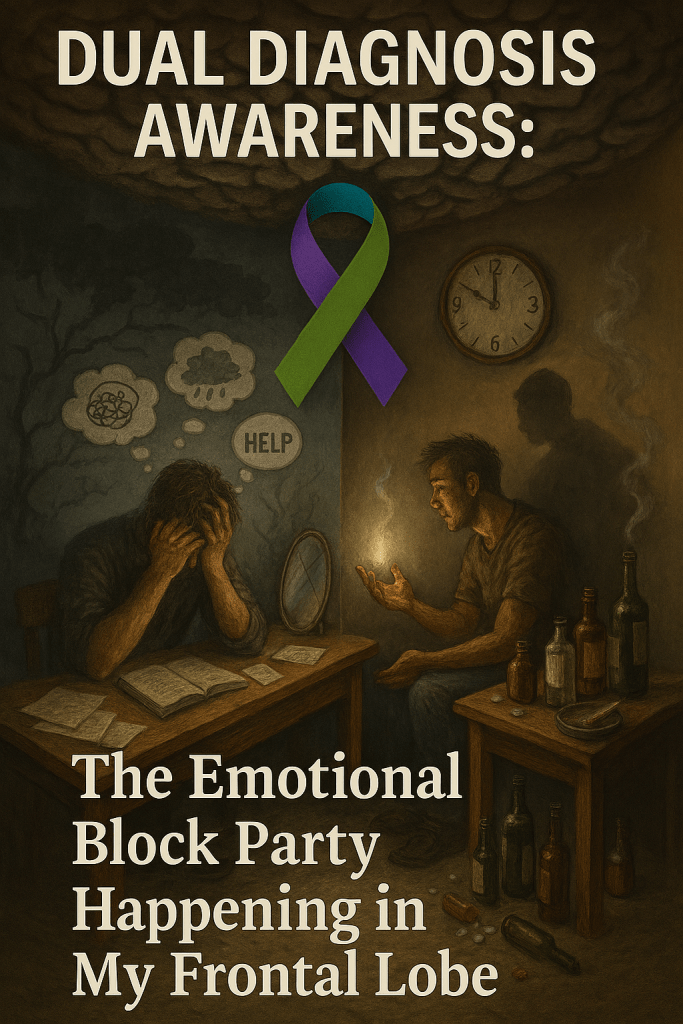
And the world? The world acts like you’re being dramatic. And the wild part? People act like you’re being dramatic. “Have you tried drinking more water?” Ma’am, I have two diagnoses doing synchronized swimming in my amygdala. Hydration is not the plot twist that’s going to fix this. “Have you tried yoga?” Ma’am, I have two diagnoses doing the electric slide in my frontal lobe. Yoga is not going to stop this internal block party.
Beneath the jokes, dual diagnosis is real, heavy, and often misunderstood. People think it’s chaos. But it’s actually survival. It’s resilience. It’s learning to hold two truths at once like “I’m struggling and I’m still here.” It’s learning to treat yourself with compassion even when your brain is acting like a committee meeting where everyone is yelling and nobody brought notes. It’s learning to say, “I deserve care.” “I deserve treatment.” “I deserve to be taken seriously.” And most importantly, “I am not a punchline. I’m the whole damn story.”
Down here in the Deep South, dual diagnosis gets wrapped in a layer of cultural seasoning nobody asked for. Aunt Linda whispers like you’re contagious. Cousin Ray offers you a beer because “you look stressed.” And the church ladies add you to the prayer list without asking. Right under “traveling mercies” and “unspoken.” Meanwhile, you’re just trying to survive the day without your brain throwing a surprise block party.
Dual diagnosis in the South also means navigating stigma with the grace of a cat on a freshly mopped floor. You’re trying to get help. Half the town thinks therapy is witchcraft. And the other half thinks medication is a moral failing. Meanwhile, you’re over here doing the emotional equivalent of rebuilding a transmission with a butter knife and a YouTube tutorial.
Dual diagnosis awareness is about reclaiming your narrative from the people who oversimplify it. Misunderstand it. Or try to shame you for it. It’s about saying, “Yes, I’m dealing with two things at once. And I’m still out here living. Healing. And occasionally thriving like the chaotic miracle I am.” And yet, here we are. Still showing up. Still healing. Still lighting the charcoal and sprinkling the sage like we’re about to summon the ancestors and the insurance company.
Dual diagnosis doesn’t make you broken. It makes you bilingual in battles most people will never understand. And if anyone tries to minimize your experience? Tell them this, “Baby, I’m not dealing with too much. You’re just underestimating my capacity.” Thanks for reading! And keep searching for answers.
Affirmation: I honor every part of my journey. The messy, the miraculous, and the medically complicated. All of it proves I’m stronger than the storms I’ve survived.
“The moment I admitted you could kill me was the moment I finally chose to live.”
-This Puzzled Life
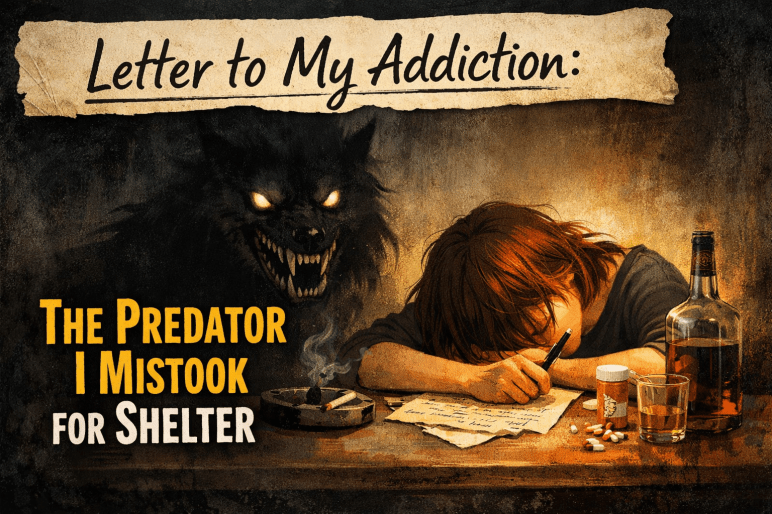
Light the charcoal. Let the first curl of smoke rise like a confession I’ve been swallowing for years. The kind that sits heavy in the chest because it’s finally time to stop pretending. This is me standing in the doorway of my own truth. Trembling but present. And ready to speak to the thing that once felt like comfort. You didn’t come into my life with claws out. You came soft. Familiar. You came disguised as relief, comfort, and as the one thing that could quiet the noise in my chest. Then you became a companion. I didn’t know you were studying me. Learning my wounds. Memorizing my weak spots. And waiting for the moment I’d confuse your hunger for affection.
And now you reveal yourself as the slow, patient danger I keep calling love. I can feel the ache of it. The grief of it. And the terrifying clarity that comes when you finally admit the thing you’ve been running from is the same predator that’s been hollowing me out from the inside. And today, with this smoke rising around me, I’m done whispering. I’m done softening the truth. I’m done pretending I don’t know what you are.
I’ve finally stopped running from the truth. And it hits me with a force that steals the air from my lungs. I keep letting you lead. And you won’t just ruin my life. You will end it. Not in some dramatic, cinematic way. But in the quiet, methodical way predators always finish their work. You’ll take my breath one day. And the world will keep spinning. The people who love me will stand in the wreckage wondering how something I once trusted became the thing that swallowed me whole.
That realization sits in my bones like a cold prophecy. I can feel how close the edge is. I can feel how thin the line has become. I can feel the way my body is starting to whisper warnings I used to ignore. And for the first time, I’m not pretending I’m stronger than you. I’m not pretending I can dance with you forever. I’m not pretending this ends any other way. The truth is simple and terrifying. I will die.
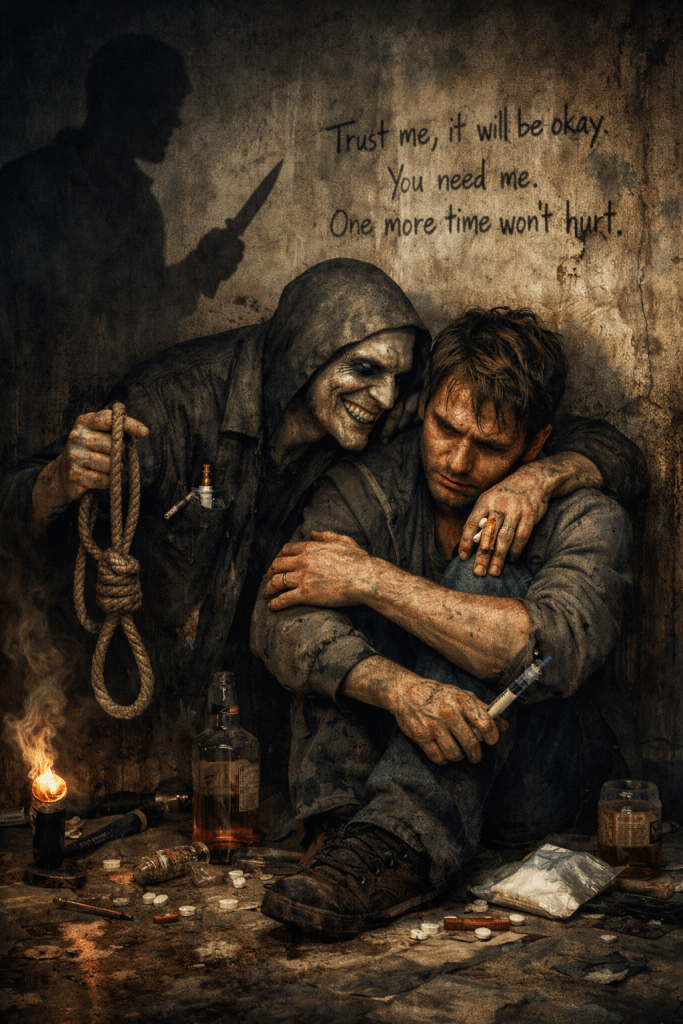
I let you close. Closer than anyone else. I let you wrap around me like safety. Like something I could trust. And for a long time, I believed you were saving me from the world, myself, and the ache I didn’t know how to carry. But predators don’t save. They circle. They stalk. They wait. And I see you for what you are.
You’ve been feeding on me piece by piece. Slow enough that I could pretend it wasn’t happening. And gentle enough that I could call it love. You made me believe I needed you to breathe, function, and to exist. You made me forget what life felt like before you sank your teeth in. But I’m not blind anymore. I can feel the way you’re hollowing me out. I can feel the way you’re tightening your grip. I can feel the truth I’ve been terrified to say, “My days are numbered.”
Not dramatically. Not suddenly. You’ll do it the way you’ve always done everything with patience and precision. With that quiet, familiar whisper that tells me I can’t live without you. Because loving you has become a slow death. And I’m finally admitting that the thing I thought was protecting me is the same thing dragging me under. You are the predator. I am the prey. And you will finish what you started. I’m done mistaking your teeth for tenderness. I’m done calling this love. Because when you take my life, it will be the last thing you’ll ever take from me. Please just make it quick.
Saying that out loud breaks something open in me. It’s not just fear. It’s grief for the version of me who thought I could love a predator into gentleness. Grief for the girl who thought she was in control. Grief for the woman who kept choosing you even as you carved pieces out of her.
But there’s something else under the grief. And this is where I stop lying to myself about what you are. This is where I look you in the eye and speak the truth you never wanted me to understand. I see the death you’re leading me toward. And, yet, I still can’t break free. Thanks for reading! And turn back before it’s too late.
“Some houses echo with laughter. The House of Addiction echoes with lessons. Loud, painful, and unforgettable lessons. And still, somehow, we walk out wiser than we ever meant to be.”
-This Puzzled Life
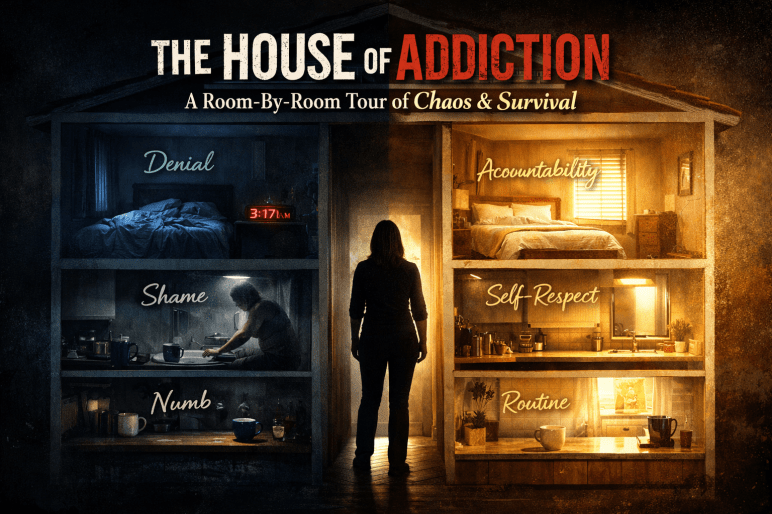
Light the charcoal. Sprinkle the sage. Let the smoke rise like it’s clocking in for a double shift. What we’re about to talk about requires spiritual PPE. It’s Addiction Awareness Month. And the House of Addiction doesn’t just haunt. It redecorates. It rearranges your memories. Steals your peace. And has the nerve to act offended when you notice.
From the outside, it looks like any other home on the block. But step inside, and you’ll find a floor plan designed by chaos itself. Complete with emotional booby traps and a staircase that creaks like it’s snitching on everybody.
The House of Addiction doesn’t creak when you walk in. It narrates. It knows your footsteps, fears, and soft spots. It knows you’re here for the truth. And it is already rearranging the furniture to make you doubt your own memory.
This house has the audacity of a Southern aunt who swears she “don’t gossip.” But somehow knows everybody’s business. Including the things you haven’t even done yet. Step inside. Keep your shoes on. This floor has seen some things. It will walk room to room with you, pretending it’s just “checking on things.” While it’s really dragging its mess across every surface like a toddler with a Sharpie.
The House of Addiction always looks normal from the outside. Fresh paint. Curtains that match. A porch light that pretends it’s welcoming you in. But the moment you cross that threshold, you realize this house has plans for you. None of them good. All of them messy. And every one of them delivered with the confidence of a demon wearing your grandmother’s pearls.
The Foyer: Where Denial Greets You Like a Nosy Aunt
You step inside and denial is already there. It’s leaning against the doorframe like it pays the mortgage. It’s smiling too big. Talking too fast. And insisting everything is fine. While the smoke alarm screams in the background. “No problem here,” Denial says. All while waving a broom at a fire like it’s a mosquito. The floorboards creak under the weight of secrets nobody wants to say out loud. The air smells like Febreze sprayed over a dumpster fire. This is the room where kids learn to tiptoe. Where silence becomes a second language. Where you learn to read moods like weather reports.
The Kitchen: Where Chaos Cooks Its Famous Disaster Casserole
Addiction loves the kitchen. It treats it like a stage. Pots banging. Cabinets slamming. Someone crying into a sink full of dishes that have been “soaking” since the Bush administration. This is where promises get burned to a crisp. Apologies get reheated for the 47th time. And kids learn to eat fast. Stay quiet. And watch the adults like they’re studying wildlife. The fridge is full of expired groceries and emotional leftovers nobody wants to deal with. And the table is where love tries to sit down. But keeps getting shoved aside by chaos wearing muddy boots.
The Living Room: Where Hope Sleeps on the Couch
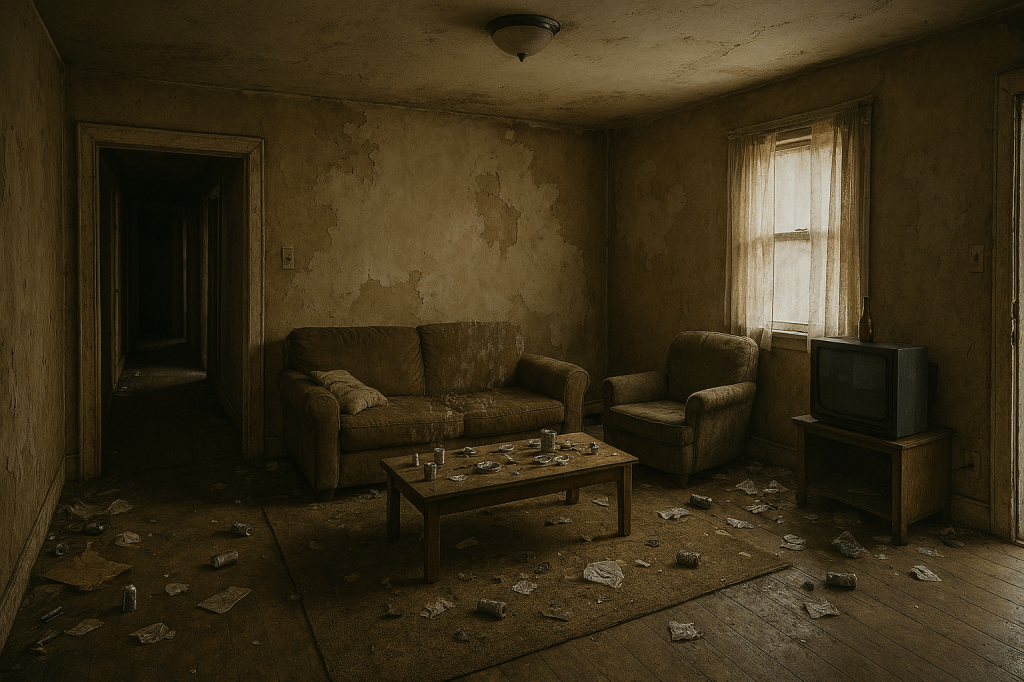
The living room used to be cozy. Now it’s a battlefield with throw pillows. Addiction drags its drama in here and spreads out like it pays rent. The TV is always too loud. The arguments are always too sharp. And the kids are always pretending they don’t hear what they hear. Hope still lives here. But it’s exhausted. It curls up on the couch under a blanket that smells like worry. It keeps whispering, “Maybe tomorrow.” Even though tomorrow keeps showing up drunk and late.
The Bedroom: Where Secrets Tuck Themselves In
This room is quiet. But not peaceful. It’s the kind of quiet that hums with tension. Addiction sits on the edge of the bed like a shadow with opinions. It whispers lies into the dark. It says, “You’re the problem,” “You can’t leave,” and “Nobody will believe you.” Kids learn to sleep lightly. To listen for footsteps. To brace for the door opening at 2 a.m. with the kind of energy that never means anything good.
The Laundry Room: Where Shame Hangs Itself Up to Dry
This room is where the truth piles up. Dirty clothes. Dirty secrets. Dirty looks from neighbors who pretend they don’t see what they see. Addiction loves this room because it knows shame thrives in small, cramped spaces. The washing machine is always running. But nothing ever feels clean. The dryer door squeaks like it’s tattling. And the air is thick with “Don’t tell anyone.”
The Bathroom: Where Tears Pretend They’re Just Steam
This is the only room with a lock. Which means it becomes a sanctuary for everyone including kids, partners, even the person struggling. People hide here to cry. Breathe. Or just exist without being needed. Addiction hates this room because it can’t control what happens behind a locked door. But it still bangs on it sometimes while demanding attention.
The Kids’ Room: Where Innocence Packs a Go-Bag
This room is the saddest part of the house. Toys on the floor. School papers on the wall. A bed that’s too small for the weight the child carries. Kids learn how to be invisible. How to be responsible for things they never caused. And how to grow up faster than their bones know how to handle. Addiction tiptoes in here sometimes. While pretending it’s not doing damage. But the cracks in the walls tell the truth.
The Basement: Where the Truth Lives
Nobody wants to go down here. Not even Addiction. But this is where the real story sits quiet, heavy, and waiting. This is where trauma stacks itself like old boxes. Memories hide under tarps. And kids grow up and realize the house wasn’t normal. The basement is the part of the house that never lies. It knows exactly what happened. And it remembers everything.
The Attic: Where the “Old Stories” Live
The attic is dusty, cramped, and full of boxes labeled “We Don’t Talk About That.” This is where Addiction stores the memories you tried to outgrow. The versions of yourself you’re ashamed of. And the lies you were told about who you are.
Every box rattles when you walk by, like it wants to be opened. But also wants to stay sealed forever. Addiction loves this room because it knows you’ll avoid it. It knows the dust will settle on your truth until you forget what it looked like. But the attic is also where the light sneaks in through the cracks. It’s where you eventually realize that some stories aren’t yours to carry anymore.
The Garage: Where “I’ll Fix It Later” Goes to Die
The garage is full of unfinished projects, abandoned hobbies, and promises you meant to keep. Addiction parks itself here like a broken-down car that still thinks it can make the trip. This is the room where dreams get postponed. Goals get dusty. And potential sits on cinder blocks. You keep telling yourself you’ll clean it out “when things calm down.” But Addiction keeps tossing more junk in, insisting you don’t have time, energy, or worthiness to finish anything. But one day, you find the light switch. And you realize the garage isn’t full of failures. It’s full of things waiting for you to come back to yourself.
The Office: Where Control Pretends to Live
This room is where Addiction tries to look responsible. Bills stacked. Calendars marked. To‑do lists half done. Everything looks organized until you touch it. And the whole pile collapses like a Jenga tower built by denial. This is the room where you try to manage the unmanageable. You convince yourself you’re “still functioning.” And you hide behind productivity to avoid the truth.
Addiction sits in the office chair spinning slowly, whispering, “You’re fine. Look how much you’re getting done.” Meanwhile, nothing is actually getting done. But this is also the room where you learn the difference between control and survival. And where you finally fire Addiction from its fake job.
The Guest Room: Where You Pretend Everything Is Fine
This room is spotless. Too spotless. It’s the room you keep ready for visitors. So that they never see the chaos in the rest of the house. Addiction loves this room because it’s the perfect illusion of clean sheets. Fluffed pillows. And fake peace. This is where you host people who say, “You’re so strong.” Without knowing you cried in the hallway before they arrived. But the guest room is also where you learn that pretending is exhausting. And that real connection only happens when you stop hiding the mess.
The Crawl Space: Where the Fear Lives
Low ceilings. No light. Hard to breathe. This is the room Addiction never talks about but always uses. It’s where the fear crawls. It’s the fear of leaving, staying, being alone, and of being seen. Addiction keeps this space damp and cold, so you’ll avoid it. But this is the room where the truth hums the loudest. And when you finally crawl in with a flashlight, you realize the monsters were smaller than the shadows made them look.
The Backyard: Where Healing Starts Growing
The backyard is wild. Overgrown. And neglected but alive. Addiction never cared about this space. It didn’t think you’d ever step outside long enough to notice it. But this is where you breathe again. You plant new habits. You feel sunlight without flinching. And you imagine a life beyond the front door. The backyard is the first place that belongs to you again. It’s where you realize the house doesn’t own you. And where healing doesn’t have to be pretty to be real.
The Front Door: Where Freedom Waits
Every child of addiction eventually finds themselves standing at this door. Their hand on the knob. Heart pounding. And wondering if they’re allowed to leave. The truth is you can. You’re allowed to walk out. You’re allowed to build a new house. One with open windows, soft floors, and rooms that don’t whisper threats in the dark. You’re allowed to create a home where laughter doesn’t flinch. Where love doesn’t hide. And where the only thing haunting the halls is the sound of peace finally settling in.
And that’s the truth about the House of Addiction. It thought it owned you. It thought you’d stay lost in its attic of old stories. Stuck in its garage of unfinished dreams. And trapped in its crawl space of fear. It thought you’d keep tiptoeing past the guest room. While pretending everything was fine. And where it rearranged your soul like mismatched furniture.
But you just didn’t survive that house. You walked through every room with the lights on. The sage burning. And the ancestors humming behind you like a choir that refuses to let you forget who you are. You learned the floorplan. You named the ghosts. You opened the windows. And then you did the one thing that house never expected. You walked out the front door. And didn’t look back.
Let the walls rot. Let the roof cave in. Let the lies echo in empty rooms. You’re busy building a new home now. One with sunlight, softness, boundaries, and peace that doesn’t apologize for taking up space. Door slammed. Keys dropped. Cycle broken. Story reclaimed. Thanks for reading! Now walk away like a boss.
Affirmation: I honor the child who survived that house. And I empower the adult who refuses to live in it ever again. My peace is mine. My story is mine. And my future is built with steady hands.”
“Addiction is a quiet predator. It’s patient. Calculated. Always hungry. And waiting for the moment you’re weakest to take the biggest bite out of your life.”
-This Puzzled Life
Light the charcoal. Sprinkle the sage. Because when we talk about addiction awareness, the air needs to be thick with truth, protection, and the kind of courage that makes your voice shake but keeps going anyway. This isn’t a pretty conversation. It’s not a gentle unveiling. It’s not polite. It’s not something you whisper behind closed doors like a family secret wrapped in shame. It’s the kind of truth that shakes the floorboards and rattles the bones of anyone who’s ever lived it. Loved someone through it. Or buried someone because of it. This is a front porch, bare soul, trembling‑hands kind of truth. And today, we’re telling it out loud.
Addiction doesn’t walk into a home quietly. It barges in like a storm. It tracks mud across every memory. It rearranges the furniture of your life. And convinces you that chaos is normal. It teaches you to apologize for things you didn’t break. To shrink yourself so its shadow can stretch across the room. And to pretend you’re fine when your insides feel like shattered glass. And the cruelest part? Addiction doesn’t just take from the person struggling. It takes from everyone who loves them.
Families learn to tiptoe. Children learn to decode moods like weather patterns. Partners learn to carry burdens that were never meant for one set of shoulders. And the person battling addiction, learns to hide their pain behind a smile that fools everyone except the people who know them best. Addiction awareness isn’t about statistics or slogans. It’s about the people who wake up every day fighting a war no one else can see.
There are the battles fought in bathrooms, parked cars, and bedrooms with the door locked. The battles fought in silence because shame is louder than the truth. The battles fought by people who are terrified to ask for help because they don’t want to be judged. Dismissed. Or treated like a problem instead of a person.
Addiction awareness means saying, “You are not alone. You are not broken beyond repair. You are not the worst thing you’ve ever done.” It means recognizing that recovery isn’t linear. It’s messy. It’s painful. It’s full of relapses, restarts, and revelations. But it is possible. I tasted that freedom many years ago, during a moment in life that now seems like it never existed.
Let’s talk about the people that love them too. The ones who hold the line when the person they love can’t. The ones who pray. Cry. Scream. Hope. And repeat. Addiction awareness means honoring their resilience. Their heartbreak. Their bravery. Loving someone through addiction is its own kind of battle that deserves to be seen.
Addiction is not a moral failure. It is not a character flaw. It is not a sign of weakness. It’s a neurological hijacking. And once it gets inside, it takes the controls and refuses to give them back. It’s a thief. A liar. And a weight that no one should carry alone.
Awareness is the first step toward compassion. Compassion is the first step toward healing. Healing is the first step toward freedom. And freedom? Freedom is the birthright of every single person touched by addiction. It doesn’t matter whether they’re fighting it. Surviving it. Or loving someone through it.
I have been an addict in one form or another since I was a very young teen. That’s the part people don’t see. The way it starts before you even understand what “coping” means. Before your brain is fully formed. Before you know that one decision can echo for decades. Some things I let go of and never touched again. But others? Others I’m still married to. Still controlled by. And still waking up beside like a partner I never meant to vow my life to. I’ve stood on every side of this issue. I’ve been a patient, professional, survivor, and witness. I’ve buried friends and family. And I’ve found the bodies of patients. I’ve even sat in classrooms learning the science. And I’ve sat on bathroom floors learning the consequences.
One of the biggest debates is whether addiction is a disease. And honestly? I see both sides. But I can attest to this. What I know in my bones is that addiction will pick up exactly where it left off. It doesn’t forget you. It doesn’t forgive you. And it doesn’t loosen its grip just because you got tired.
It progresses like a slow-moving fire. Consuming everything until it shuts down every functioning cell in your body. It’s the lover that kisses your forehead while holding a knife behind your back. And it’s like trying to pet a rattlesnake and hoping it suddenly cares about your well-being.
There are no social crack users. No social heroin users. No social meth, fentanyl, or “just once in a while” users of the things that hollow you out from the inside. I’ve known too many who didn’t make it. Too many funerals. Too many empty chairs. Too many stories cut short. And the truth is brutal. Addicts are not the type who typically live to be 80. The statistics confirm what our hearts already know. That many have died. And many more will die.
And process addictions? Eating disorders, self-harm, gambling, sex addiction, etc. are not softer versions. They are simply different roads to the same grave. Addiction doesn’t care about the method. It cares about the destruction. And it will be done in totality emotionally, socially, spiritually, and physically.
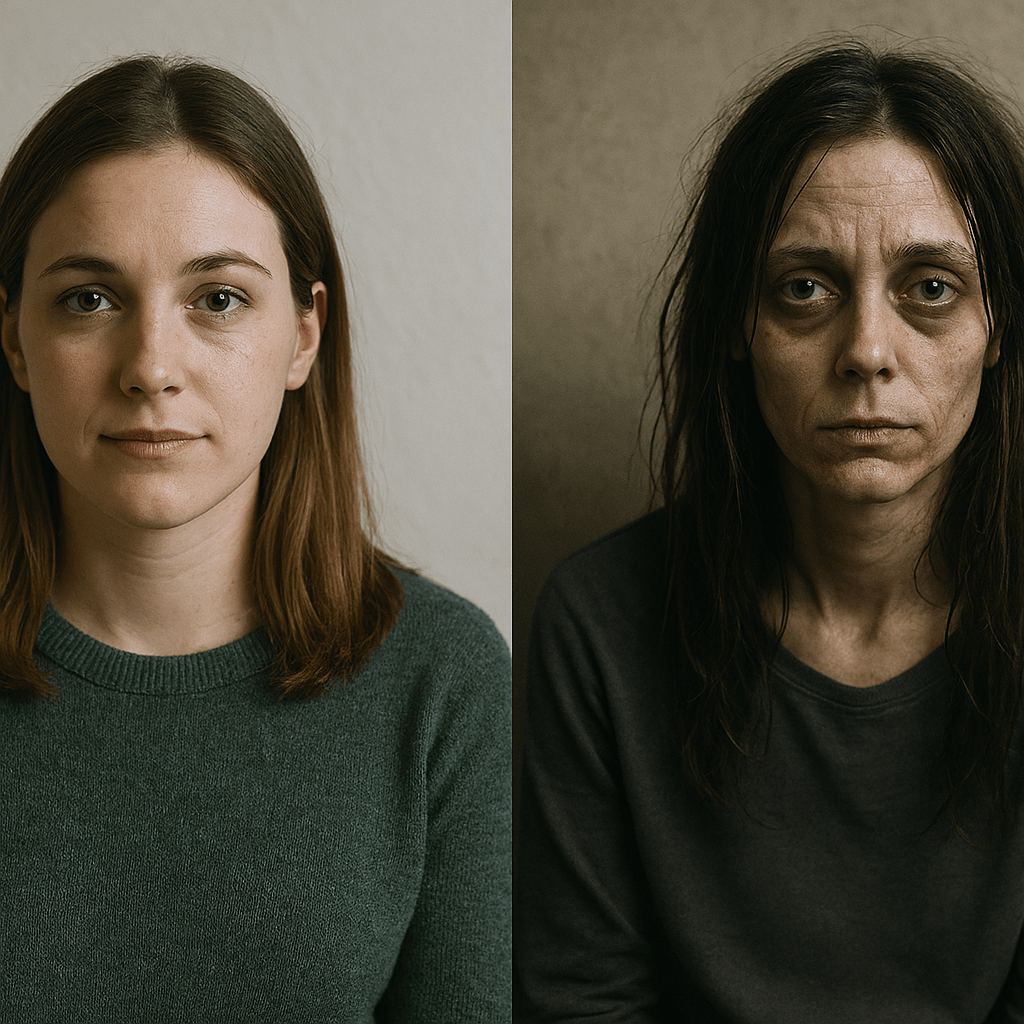
It strips you down until you’re a shell of what once resembled a human being. It destroys your life and the lives orbiting yours. That’s the goal. It wants no interference. And no one slowing its roll. It wants you wrapped around its finger in a relationship so co-dependent it feels cellular. It doesn’t care how many relationships are ruined as a result. Addiction is about the next fix. Whatever that fix is. And you will chase it until the line between living and dying blurs.
The saddest part is that you don’t know you’re susceptible until you’re already in it. Addiction does not discriminate. It shows no mercy to clergy, billionaires, politicians, Hollywood actors, musicians, doctors, lawyers, nurses, or the people just trying to keep the lights on and food on the table.
And the idea that you can outthink addiction? Outsmart the chemical, emotional, and neurological machinery it hijacks? That’s the thinking of fools. And I say that with compassion. Not judgment. There is nothing more heartbreaking than watching someone, yourself included, need their “drug” so badly that they would burn down every good thing in their life for another taste of something that is killing them.
Let the truth rise with the smoke. Addiction is not romance. It is not rebellion. It is not escape. It is suicide on an installment plan. And for every person who struggles, it has a bullet with their name on it. Even mine. Speaking the truth out loud is how we start breaking the cycle that wants us silent. Awareness is the first crack of light. Awareness is the first act of rebellion. Awareness is the first step toward choosing life. Even when the addiction whispers otherwise. It’s a story of survival in a world that doesn’t teach us how to hold our pain.
Your days of hiding in silence are over. We’re speaking your name. Shine light in your corners. And refusing to let shame be your shield. This is awareness. This is courage. This is the moment we stop whispering and start healing. And it’s for every soul who deserves a life bigger than their battle. Thanks for reading! And ask for what you need.
Affirmation: I honor the battles I’ve survived, and I refuse to let the shadows that once claimed me write the rest of my story. I rise with clarity, courage, and a spine made of truth.
“Facts don’t care about feelings, but feelings care deeply about snacks.”
— The Feline Public Health Department
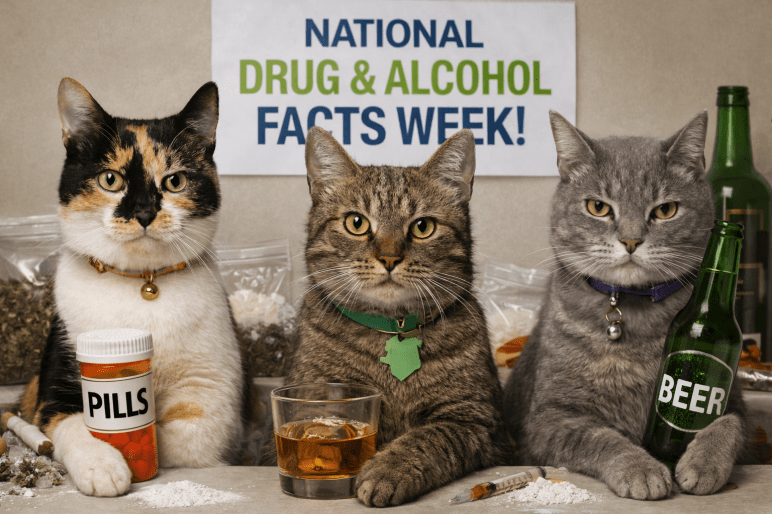
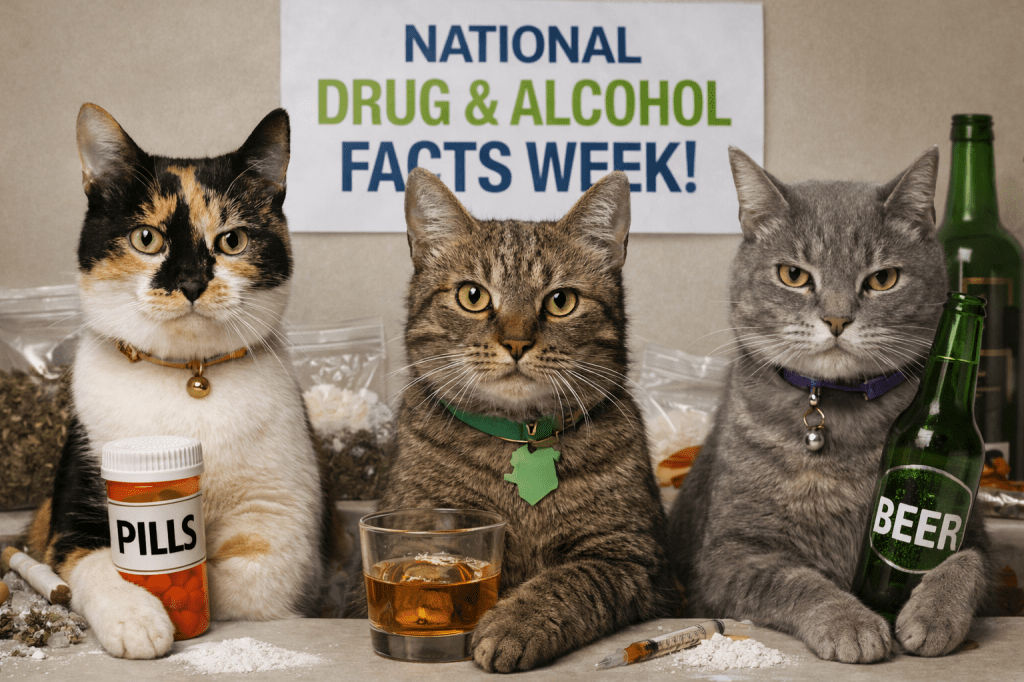
Light the charcoal. Sprinkle the sage. Negative energy go away.It’s National Drug & Alcohol Facts Week. My cats have decided they are the official spokes‑animals for science, safety, and whatever chaos they can stir up before breakfast.Welcome back to This Puzzled Life. Where the trauma is seasoned. The humor is medicinal. And the cats are convinced they’re running a public health campaign.
Piper busts into the room wearing a lab coat three sizes too big.
“Mother, did you know the National Institute on Drug Abuse says misinformation spreads faster than I can knock a cup off the counter?” (Which is fast. Very fast.)
Source: National Institute on Drug Abuse (NIDA) “National Drug & Alcohol Facts Week” https://nida.nih.gov.
Coco is dragging a bag of snacks like she’s smuggling contraband.
“I’m here to talk about addiction. But first, do we have chips? Because the National Institute on Alcohol Abuse and Alcoholism says alcohol affects judgment. And I’m about to make a bad decision if you don’t hand over the Doritos.”
Source: National Institute on Alcohol Abuse and Alcoholism (NIAAA) “Alcohol’s Effects on the Body” https://niaaa.nih.gov.
Tinkerbell is sitting on the highest shelf like a judgmental librarian.
“Actually, according to the CDC, substance use can affect brain development. Especially in teens. Which is why I supervise the boys. They need guidance. And snacks. Mostly snacks.”
Source: Centers for Disease Control and Prevention (CDC) “Substance Use and Youth” https://cdc.gov.
Here are a few clean, accurate, all‑ages‑appropriate facts from reputable organizations:
4. Addiction is a medical condition. Not a moral failure.
Source: Substance Abuse and Mental Health Services Administration (SAMHSA) https://samhsa.gov.
Piper’s Lesson: “Drugs don’t magically make problems disappear. That’s what naps are for.”
Coco’s Lesson: “Alcohol slows reaction time. Which is why I don’t drink. I must remain ready to sprint toward any dropped food.”
Tinkerbell’s Lesson: “Knowledge is power. And power is knowing where the treats are hidden.”
My household stays loud and educational. The cats insisted on adding this. Science supports people making informed choices. Science supports harm reduction. Science supports LGBTQIA+ folks having access to accurate, stigma‑free information. Science does NOT support Aunt Barbara’s Facebook posts. Piper said that last part. I’m just reporting.
Piper climbs onto the table wearing a tiny pair of reading glasses she stole from somewhere.
“According to NIDA, over 20% of 12th graders reported using an illicit drug in the past year. That’s too many. That’s also the percentage of times I listen when Mother says, ‘get off the counter.’”
Source: National Institute on Drug Abuse (NIDA) Monitoring the Future Survey https://nida.nih.gov.
She flips a page dramatically.
“And nicotine vaping among teens is still one of the most common forms of substance use. Which is wild because I can’t even get Mother to let me sniff the humidifier.”
Coco waddles in carrying a bag of treats like a briefcase.
“Listen up. The CDC says alcohol is the most commonly used substance among youth in the United States. Which explains why teenagers make decisions like climbing on roofs. And dating boys who wear Axe body spray.”
“And get this. About 1 in 5 high school students reported binge drinking. Meanwhile, I binge eat kibble and nobody gives me a national awareness week.”
Tinkerbell sits on her throne (the top of the fridge) and clears her throat like a disappointed professor.
“According to SAMHSA, over 46 million people in the U.S. met the criteria for a substance use disorder in 2021. That’s a lot of people needing support, compassion, and maybe a cat to sit on their chest and purr aggressively.”
Source: SAMHSA National Survey on Drug Use and Health https://samhsa.gov.
She adjusts her imaginary pearls.
“And here’s a big one. Only about 6% of people with a substance use disorder received treatment. 6%! That’s lower than the percentage of times Coco shares snacks.”
Source: SAMHSA Treatment Statistics https://samhsa.gov. As National Drug & Alcohol Facts wraps up, my cats would like to remind you to
Piper: “Stay curious, not chaotic.”
Coco: “Stay hydrated and snack‑positive.”
Tinkerbell: “Stay informed. Stay fabulous. And stop believing memes your cousin posted at 2 AM.”
And honestly? That’s the most scientifically accurate advice you’ll hear all week. Because the current administration doesn’t believe in science.
And that, my friends, concludes National Drug & Alcohol Facts Week as interpreted by three cats who have never paid taxes, never followed a rule, and yet somehow run this household like a federally funded research lab. Piper has knocked over every myth she could reach. Coco has eaten every statistic that wasn’t nailed down. Tinkerbell has judged the entire nation from the top of the fridge.
We’ve cited the CDC, NIDA, NIAAA, and SAMHSA. Because around here, we believe in facts, snacks, and queer‑centered harm‑reduction education. In that order. Take what you learned, Take what you laughed at. And take a deep breath. Because knowledge is power. Compassion is necessary. And humor is how we survive the South. Class dismissed. Sage extinguished. Cats victorious. Thanks for reading! Drop a comment about what you thought about the girls in this blog.
Affirmation:I choose knowledge over fear, compassion over judgment, and humor over everything else.
“People will continue to die. People will continue to have adverse reactions. People will continue to live with the consequences of their choices down the road.”
-Jan Rozga, a mother whose son committed suicide after smoking synthetic marijuana
Light the charcoal. Sprinkle the sage. Negative energy go away. Today, I want to dive into a subject that most have heard of but don’ t know a lot about. The topic is designer drugs.
You don’t need to be a scientist to understand designer drugs. You just need to know this. Designer drugs are chemicals made to look harmless, but they can be far more dangerous than the drugs they imitate. They show up in places parents don’t expect. They’re marketed in ways that feel safe. And they’re evolving faster than most families can keep up with. Designer drugs are created by changing the chemical structure of existing drugs just enough to make them.
Harder to detect
Harder to regulate
Easier to sell
They’re often sold as:
Vape cartridges
Edibles
Pills that look like Xanax, Adderall, or Percocet
“Herbal incense” (K2/Spice)
“Bath salts”
Powders labeled “not for human consumption”
The packaging looks harmless. The chemicals inside are anything but harmless. Most young people who encounter designer drugs don’t realize they’re using something synthetic. But designer drugs are often mixed into these products without the user’s knowledge. That’s why overdoses happen even when someone thinks they’re being careful.
Designer drugs can be more dangerous than the ones they’re attempting to mimic. According to the National Institute on Drug Abuse, these substances can be:
More potent
More unpredictable
More toxic
Some new synthetic opioids (like nitazenes) are so strong that a few grains can be fatal. Some synthetic cannabinoids (fake weed) can cause:
To the average person like myself, these letters are meant to confuse, not to inform. Parents don’t need to memorize the names. They just need to know new chemicals appear constantly, and they’re often more dangerous than the ones before. The signs of designer drug use aren’t always obvious.Because these drugs vary so much, symptoms can look like:
If something feels “off,” trust your instincts. Designer drugs don’t follow predictable patterns. And as parents, we must listen to our gut about our children and their behavior.
What Can Parents Do Right Now?
Stay curious, not judgmental. Kids talk more when they feel safe.
Learn the basics. You don’t need to be an expert only informed.
Watch for sudden changes. Mood, sleep, appetite, or behavior shifts matter.
Talk early and often. Not just during crises.
Normalize asking questions. “If you ever see something weird, you can always ask me.”
You don’t need perfect answers. You just need presence. The goal isn’t fear. It’s awareness. You don’t have to lecture. You don’t have to scare. You don’t have to know every chemical name. What matters most is creating a space where your child feels safe saying:
“I saw this at school.”
“Someone offered me this.”
“I don’t know what this is.”
Open conversations save lives. Shame and silence do the opposite.
At the end of the day, every conversation about designer drugs comes back to one simple truth: we’re all just trying to keep the people we love safe in a world that changes faster than any of us can track. These substances aren’t just chemical formulas or scary headlines. They’re real risks that touch real families, often without warning.
But knowledge is a kind of light. And when we shine that light into the shadows, fear loses its power.
If you’re a parent, a guardian, a mentor, or simply someone who loves a young person, your presence matters more than you know. You don’t have to be perfect. You don’t have to have all the answers. You just have to stay open, stay curious, and stay willing to talk about the hard things before they become emergencies. Because the truth is this: Connection protects. Conversation protects. Awareness protects.
And remember, you’re not alone. Every step you take toward understanding is a step toward safety, compassion, and a future where the people you love feel seen, supported, and empowered to make choices that honor their lives. Thanks for reading! Keep moving forward.
“What cannot be communicated to the mother cannot be communicated to the self.”
-John Bowlby
Light the charcoal. Sprinkle the sage. Negative energy go away.Some topics require us to slow down, breathe deeper, and open our hearts a little wider. Children of Addiction Awareness is one of those topics that are tender, urgent, and often hidden in plain sight. When we talk about addiction, the conversation usually centers on the person struggling. But in the quiet corners of those stories are children who carry the weight of what they cannot name.
They are not statistics. Not headlines. Not “someone else’s problem.” They are real kids. Real families. Real hearts trying to grow in soil that isn’t always steady. You don’t need a degree or special training to understand this. However, you just need to know this. When addiction lives in a home, children feel it in their bones. Even when they don’t have the words. Even when they pretend everything is fine.
Children growing up in homes affected by addiction often learn to read emotional weather patterns before they learn to read books. They become experts at sensing tension, anticipating conflict, and adjusting themselves to survive unpredictable environments.
They are the kids who:
Tiptoe around moods.
Become caretakers far too young.
Hide their fear behind perfection or silence.
Carry secrets that feel too heavy for their age.
Love their parents fiercely, even when life feels chaotic.
These children are not defined by the addiction around them. But they are shaped by it in ways that deserve understanding, compassion, and support.
Kids who grow up around addiction often learn to:
Stay quiet
Stay small
Stay out of the way
Stay “strong” even when they’re hurting
They become experts at reading moods, hiding feelings, and pretending everything is okay even when it’s not.
Growing up with addiction in the home can create emotional landscapes that are confusing and overwhelming. Many children experience:
Unpredictability: never knowing what version of a parent will appear.
Emotional neglect: not from lack of love, but from addiction’s consuming nature.
Role reversal: becoming the “adult” in the home.
Isolation: believing no one else lives this way.
Hypervigilance: always on alert for the next crisis.
And yet, these same children often develop extraordinary strengths: empathy, intuition, resilience, and emotional intelligence. They learn to survive in ways that would humble most adults.
But survival is different from thriving. Awareness is the bridge between the two. These children don’t need perfect parents. They don’t need someone to “fix” everything. They don’t need pity.
They need:
Consistency
Predictability
A safe adult who listens without judgment
Reassurance that none of this is their fault
Permission to feel their feelings — all of them
Sometimes the most healing words a child can hear are: “You didn’t cause this. You can’t control this. You are not alone.”
Whether you’re a teacher, neighbor, mentor, family member, or simply a caring human, you can make a meaningful difference.
Create safe spaces for conversation.
Model healthy coping skills.
Offer stability and routine.
Validate their emotions.
Connect them to supportive resources.
You don’t need a degree to change a child’s life. You just need to show up consistently, compassionately, and without judgment.
For the parents struggling with addiction, this conversation is not here to shame you. It’s here to remind you that healing is possible for you and for your child. Your effort matters. Your recovery matters. Your presence matters more than perfection ever could. Children don’t need flawless parents. They need honest ones. They need parents who try, who apologize, who grow, who keep coming back to love. Every step you take toward healing is a step toward breaking generational cycles.
Children of Addiction Awareness is not just a month, it’s a movement toward visibility, compassion, and collective responsibility. When we acknowledge these children, we give them language. When we give them language, we give them power. And when we give them power, we give them hope. So, take a breath and hold this truth close: Awareness opens the door. Connection keeps it open. Love walks a child through. Thanks for reading! Keep HOPE alive.
Affirmation: I didn’t cause it, I can’t control it, but I can take care of myself.