
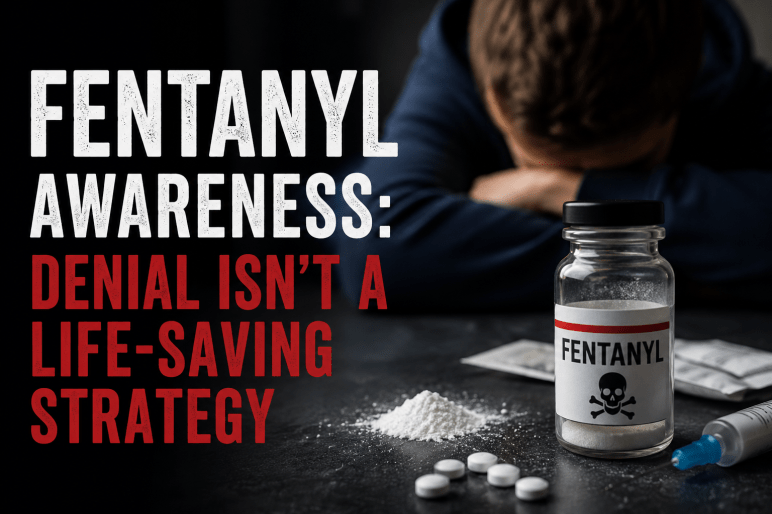
Fentanyl Awareness: Denial Isn’t a Life-Saving Strategy

“Awareness isn’t comfortable, but neither is grief. Choose the discomfort that saves lives.”

-This Puzzled Life

Light the charcoal. Sprinkle the sage. Today, we’re talking about Fentanyl Awareness. And Lord knows some folks need more than sage. They need a whole spiritual intervention. A PowerPoint and maybe a smack from an ancestor with a wooden spoon.

We’re still living in a world where people think fentanyl is something that happens to “other families,” “other communities,” or “those people over there.” Fentanyl doesn’t care about your zip code. Your Bible study attendance record. Or how many casseroles you’ve delivered to the church potluck. It is an equal-opportunity destroyer. And yet, some folks still clutch their pearls and say, “Well, if people didn’t do drugs.” Sweetheart, if ignorance burned calories, half this country would be runway-ready.
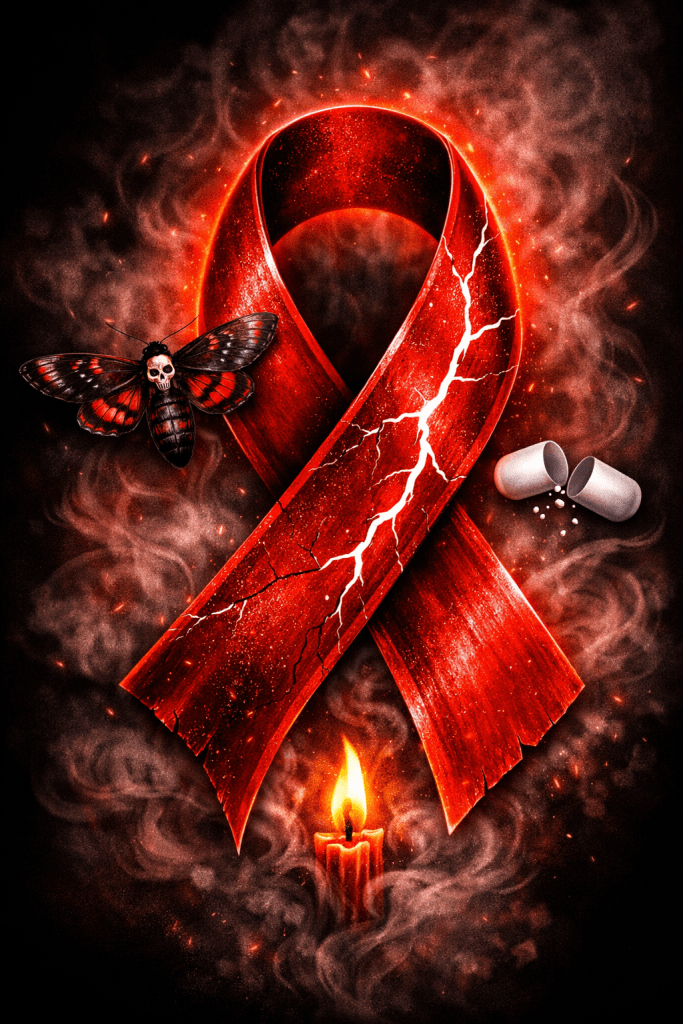
Fentanyl isn’t a moral issue. It’s a public health crisis. A grief generator. And a silent killer that slips into communities like humidity in Mississippi. It comes uninvited. Suffocating. And everywhere. But sure, let’s keep pretending it’s just a “bad choice” problem. And just for shits and giggles, I’ll say that bombing people in fishing boats that are clearly are not transporting this substance is not an answer to the problem.

Fentanyl doesn’t knock. It doesn’t ask permission. It doesn’t wait until you’re ready to have your life rearranged. It shows up like a tornado in the middle of a sunny day. It’s fast. Violent. And leaves you standing in the wreckage while wondering how the hell everything changed in seconds.

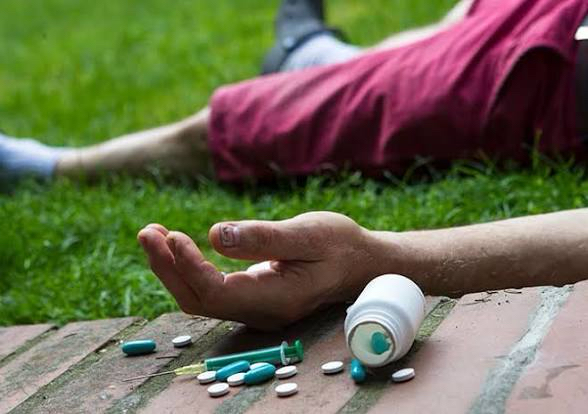
People aren’t overdosing because they’re weak. They’re overdosing because fentanyl is 50 times stronger than heroin. And 100 times stronger than morphine. They’re overdosing because it’s being mixed into substances without their knowledge. They’re overdosing because the world is heavy. Trauma is real. And coping mechanisms don’t magically appear with a bow on top.

But try telling that to the folks who think addiction is a “willpower issue.” These are the same people who can’t resist a clearance sale at Hobby Lobby. But somehow believe others should resist a chemically engineered substance designed to hijack the brain.

Addiction is not a character flaw. It’s not a spiritual failure. It’s not a lack of discipline. It’s a medical condition. A trauma response. And sometimes a desperate attempt to feel anything other than pain.

And fentanyl? It’s the predator waiting in the shadows. Families are burying children. Parents are burying parents. Communities are burying potential futures and dreams. And still some folks would rather cling to judgment than compassion. Because compassion requires effort. Judgment is free and easy like drive-thru theology.

So, here’s the truth that’s wrapped in Southern sass and tied with a bow of reality. Fentanyl doesn’t care about your opinions. It doesn’t care about your politics. It doesn’t care about your moral superiority complex. But we should care. We should care enough to talk about it. We should care enough to educate ourselves. We should care enough to stop pretending this crisis is happening in some faraway land to people we’ll never meet.

Fentanyl is already here. It’s in our towns, our schools, families, and our communities. And pretending otherwise won’t save a single life. And for the love of all things holy, open your eyes. Denial has never saved anyone. Awareness does. Compassion does. Action does. Try not to trip over it on your way back to reality. Thanks for reading! What are your thoughts?

Affirmation: I choose compassion over judgment. Truth over denial. And awareness over silence. My voice matters. And so does every life touched by this crisis.

***Don’t forget to watch the video!***

#ThisPuzzledLife
Designer Drugs: The Chemical Experiments

“People will continue to die. People will continue to have adverse reactions. People will continue to live with the consequences of their choices down the road.”

-Jan Rozga, a mother whose son committed suicide after smoking synthetic marijuana

Light the charcoal. Sprinkle the sage. Negative energy go away. Today, I want to dive into a subject that most have heard of but don’ t know a lot about. The topic is designer drugs.

You don’t need to be a scientist to understand designer drugs. You just need to know this. Designer drugs are chemicals made to look harmless, but they can be far more dangerous than the drugs they imitate. They show up in places parents don’t expect. They’re marketed in ways that feel safe. And they’re evolving faster than most families can keep up with. Designer drugs are created by changing the chemical structure of existing drugs just enough to make them.

  • Harder to detect
  • Harder to regulate
  • Easier to sell

They’re often sold as:

  • Vape cartridges
  • Edibles
  • Pills that look like Xanax, Adderall, or Percocet
  • “Herbal incense” (K2/Spice)
  • “Bath salts”
  • Powders labeled “not for human consumption”

The packaging looks harmless. The chemicals inside are anything but harmless. Most young people who encounter designer drugs don’t realize they’re using something synthetic. But designer drugs are often mixed into these products without the user’s knowledge. That’s why overdoses happen even when someone thinks they’re being careful.

Designer drugs can be more dangerous than the ones they’re attempting to mimic. According to the National Institute on Drug Abuse, these substances can be:

  • More potent
  • More unpredictable
  • More toxic

Some new synthetic opioids (like nitazenes) are so strong that a few grains can be fatal. Some synthetic cannabinoids (fake weed) can cause:

These reactions can happen on the first use, even in small amounts.

The 2024 Synthetic Cannabinoid/Designer Drug Listing identifies several new chemicals now appearing in toxicology screens, including:

To the average person like myself, these letters are meant to confuse, not to inform. Parents don’t need to memorize the names. They just need to know new chemicals appear constantly, and they’re often more dangerous than the ones before. The signs of designer drug use aren’t always obvious. Because these drugs vary so much, symptoms can look like:

If something feels “off,” trust your instincts. Designer drugs don’t follow predictable patterns. And as parents, we must listen to our gut about our children and their behavior.

What Can Parents Do Right Now?

  • Stay curious, not judgmental. Kids talk more when they feel safe.
  • Learn the basics. You don’t need to be an expert only informed.
  • Watch for sudden changes. Mood, sleep, appetite, or behavior shifts matter.
  • Talk early and often. Not just during crises.
  • Normalize asking questions. “If you ever see something weird, you can always ask me.”

You don’t need perfect answers. You just need presence. The goal isn’t fear. It’s awareness. You don’t have to lecture. You don’t have to scare. You don’t have to know every chemical name. What matters most is creating a space where your child feels safe saying:

  • “I saw this at school.”
  • “Someone offered me this.”
  • “I don’t know what this is.”

Open conversations save lives. Shame and silence do the opposite.

At the end of the day, every conversation about designer drugs comes back to one simple truth: we’re all just trying to keep the people we love safe in a world that changes faster than any of us can track. These substances aren’t just chemical formulas or scary headlines. They’re real risks that touch real families, often without warning.

But knowledge is a kind of light. And when we shine that light into the shadows, fear loses its power.

If you’re a parent, a guardian, a mentor, or simply someone who loves a young person, your presence matters more than you know. You don’t have to be perfect. You don’t have to have all the answers. You just have to stay open, stay curious, and stay willing to talk about the hard things before they become emergencies. Because the truth is this: Connection protects. Conversation protects. Awareness protects.

And remember, you’re not alone. Every step you take toward understanding is a step toward safety, compassion, and a future where the people you love feel seen, supported, and empowered to make choices that honor their lives. Thanks for reading! Keep moving forward. 

Affirmation: I am in control of my decisions.

***Don’t forget to watch the video!***

#Thispuzzledlife