
Types Of Domestic Violence: The Final Chapter

“Don’t play his game. Play yours.”

-Rachel Caine, Fall of Night (The Morgancille Campires, #41)

TECHNOLOGY-FACILITATED ABUSE

  • Monitoring text messages, phone records, social media activity, and internet search history.
  • Preventing or forbidding a person from owning or having access to a phone or computer.
  • Sending abusive messages through text, email, social media, or other online platforms.
  • Using technology to track a person’s movements without their permission.
  • Using technology to gather personal information about someone without their permission.
  • Accessing or ‘hacking’ a person’s online accounts without their permission.
  • Impersonating a person online.
  • Using technology to share personal and private images or videos without consent.

v  Luckily, social media and the internet were fairly new things at that time. However, once we separated, he was very threatened through email.

STALKING AND HARASSMENT

  • Following and watching someone, for example watching them from a parked car.

v  I was stalked constantly. And he even went as far as to sit outside my job for the entire shift to make sure I didn’t eat any food that he didn’t approve.

  • Using technology to monitor their movements; this is also called tech abuse.
  • Sending unwanted gifts to a person’s home or workplace.

v  This was done whenever the cycle rolled back around to “love bombing.” He always gave me gifts and the same speech. However, it would only take a couple of days until he was right back to the same thing starting with verbal and emotional abuse.

  • Repeatedly making unwanted contact through phone calls, text messages, emails, social media and other messaging or chat apps.
  • Turning up, uninvited, at the person’s home or workplace, or at social activities.

v  He would always justify his actions with some type of excuse for why he showed up. And he was always lying. He always had a more sinister reason.

  • Installing spyware on a person’s digital devices to get private information, or to secretly record or video them.

v  He and his brother went so far as to tap the phone lines at our house to monitor who I was having conversations with.

  • Using webcams and other forms of video surveillance without the person’s knowledge or consent.

REPRODUCTIVE ABUSE

  • Preventing a person from using birth control or forcing them to have unprotected sex.

v  This happened from the very beginning. I was lucky that I never got pregnant.

Abusers will justify and create new ways of cruelty covered with beautiful paper and a beautiful bow. And to unsuspecting victims, they have no idea what kind of damage is done until many years down the road, if and when they get out and into therapy emphasising on  “deprogramming.” For years, I’ve questioned if what I experienced was true. And that’s the precipous of their game. They teach you how to doubt your own reality,

I left that horrible 14-year relationship, in 2006, battered and broken. Many of the wounds are still evident, and others are in various stages of healing. What I don’t need a degree to diagnose is how deep some of the wounds run. Being conditioned to be someone who you aren’t. And the constant walking on eggshells still wreaks havoc on my nervous system. And I still get overwhelmed  to the point of not being able to make everyday decisions that most take for granted.

What is unseen benefit? For a long time, I never knew the answer to that question. What I did learn was different aspects of human behavior and their “red flags.” Not just physical. But also verbal. I watch how they talk about their other friends and family. I watch non-verbal cues. I watch how they are on both good and bad days. I watch how they communicate. I watch how superficial they are and their intentions. I watch to see, in what ways, they poke fun at another person. Are they being silly or cruel? I watch to see if my needs are considered or is it just “lip service?” But above all, I watch for congruency. I watch behavior with a fine-toothed comb. And for the most part, if I sense that something is off, I’m out. Most of the time, I have to watch them for a little while before deciding about whether or not to end a relationship.

I now listen to my gut. Something that I rarely ever did because he made every decision. And I do mean every decision. My master’s degree never taught me to listen to my gut. Surviving cruelty did. I know what I see. I know what I experience. And your validation is not needed. Thanks for reading! And reach out for HOPE.

Affirmation: I deserve peace.

***Don’t forget to watch the video!***

#Thispuzzledlife
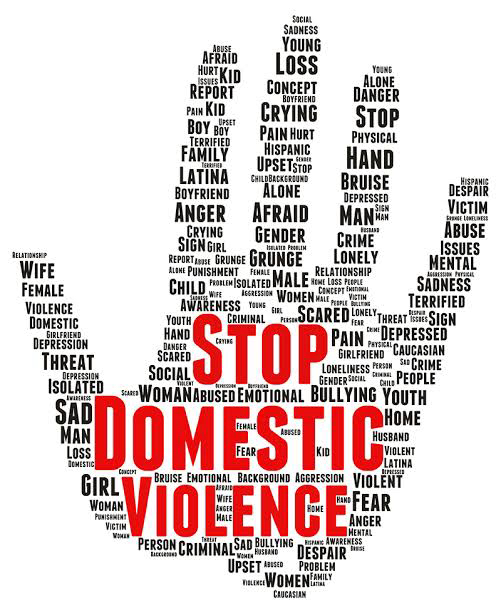
Types Of Domestic Violence Part 2

“An abuser can seem emotionally needy. You can get caught in a trap of catering to him, trying to fill a bottomless pit. But he’s not so much needy as entitled, so no matter how much you give him, it will never be enough. He will just keep producing more demands because he believes his needs are your responsibility, until you feel drained down to nothing.”

-Lundy Bancroft, Why Does He Do That? Inside the Minds of Angry and Controlling Men

Light the charcoal. Sprinkle the sage. Negative energy go away. Today I want to go over more types of domestic violence. I know that this topic is not an easy one to face. However, domestic abuse occurs in more homes than you realize. Maybe in your own home.

VERBAL ABUSE

·        Ridiculing or humiliating someone.

v  If he were alive and breathing, this would happen from the time I woke up until the time I went to bed.

·        Criticizing their appearance, intelligence, sexuality, religious beliefs, or ethnicity.

v  This happened all the time. I was constantly told that I was dumb and retarded.

·        Criticizing their actions as a partner or parent.

v  All day and every day. The worst was at night and on the weekends. I got blamed for his bad golf game. He had this idea that he was Tiger Woods. And he very clearly wasn’t. But it was always because of something I did that made him play bad. In reality, he just sucks at the game.

·        Using cruel or abusive nicknames.

v  He and his brother always had cruel nicknames for me.

·        Swearing at someone.

v  Most people cuss when they get mad. However, he and his brother were relentless in their attacks.

·        Yelling or screaming at someone.

v  Again, I think that a certain amount would be considered normal. However, screaming and hollering at me for everything little thing was how they both operated.

SOCIAL ABUSE

·       Stopping someone from seeing or contacting their friends and family.

v  He didn’t physically stop me. However, it was very clear that I was not leaving the house without specific information about where I was going and what I was doing. And if that wasn’t what he wanted, I was told not to go at all.

·       Stopping someone from going to social or community activities.

v  Unless he went with me, I was told, “No. You don’t need to go do that.”

·       Preventing someone from having contact with people who speak their language or share their culture.

·       Making someone move away from friends, family, or work opportunities.


·       Controlling a person’s use of phone or computers.

v On more than one occasion, when I went to call for help from police, he would unplug the phone so that I couldn’t use it.

·       Checking or stopping their mail, phone calls, text messages, emails, social media and other messaging or chat apps.

v  Luckily, there was not much of this that was available at the time. There was barely internet, and I better not have an email address. I had a Nokia cellphone which he checked constantly.

·       Telling lies or spreading false information to damage a person’s reputation.

v  This happened all the time. Especially when he talked to his family. The smear campaign was always in action.

·       Using someone’s intersex status, sexuality, gender expression, transgender, or HIV status against them.

v  He never knew that I was a lesbian. Hell, why would I tell him when the violence was bad enough.

·       Forced marriage

v  The day of my wedding, I knew that I was making the biggest mistake of my life. I was frozen with fear. But it was what he continually pushed for marriage. And I eventually gave in. Biggest mistake of my life!

·       Stalking

v  This happened every single day. If it wasn’t him, it was his friends and family who did the stalking. At the end of the day, I was questioned about everything that I had done and was told, “Well, what about when you were walking around in that store.” He knew every move that I made. It even got so bad that he knew what I had eaten during the day.

SPIRITUAL, RELIGIOUS OR CULTURAL ABUSE

  • Preventing someone from practicing and being connected to their culture.
  • Stopping someone from going to their place of worship.
  • Stopping someone from having contact with other people who share their beliefs.
  • Stopping someone from celebrating days of cultural or spiritual significance.
  • Stopping someone from sharing their beliefs and traditions with their children.
  • Stopping someone who is Aboriginal or Torres Strait Islander from returning to Country or having contact with kin.
  • Stopping someone who has family connections outside Australia from visiting or connecting with family or community overseas.
  • Ridiculing someone’s beliefs or traditions.
  • Forcing someone to do things that are against their beliefs, like eating certain foods or wearing certain clothes.
  • Forcing someone to marry.

The pressure was definitely applied when I was undecided.

  • Forcing someone to take part in spiritual practices in which they don’t believe.
  • Forcing someone to raise their children according to beliefs they don’t agree with.
  • Using or claiming to use spiritual or religious beliefs:

Let me just say this about him and his spiritual practices. He always went through the motions and played the part. He even pretended to get “saved” and was baptized. However, that was as far as it went. Because when we got home the abuse continued to happen. But now he had a Bible to justify his actions.

Thanks again for reading! I hope I was able to share a little lighter on the subject of domestic violence. There is help and hope after abuse. Reach out for the love and respect that you deserve. Keep moving forward!

Affirmation: I will not shrink.

***Don’t forget to watch the video!***

#Thispuzzledlife
Types of Domestic Violence

“If you aren’t silent about your pain, they’ll kill you and say you enjoyed it.”

-Zora Neale Hurston

Light the charcoal. Sprinkle the sage. Negative energy go away. Today, I want to talk to you about some of the behaviors that fit under the umbrella of domestic violence. It wasn’t until I  was out of the relationship for a while before I began to see  information validating  what I always knew. This is not comprehensive list by any means. 

COERCIVE CONTROL OR CONTROLLING BEHAVIOR

·        Control who a person sees, wears and where they go. 

v  This was considered normal in my relationship. He dictated everything that I wore. If I chose what I wanted to wear, he would tell me to,  “go change. You look ridiculous.” And I was afraid to go somewhere without asking his permission.

·        Monitor or track what a person does. 

v  This was also something that was done on a daily  basis. He would call me wherever I was supposed to be and verify it by employees.

·        Control a person’s finances, medicine, food, or exercise.

v  He always told me that I was not allowed food that he didn’t approve. And I was required to be at the gym at 5:30 am every morning. And he would call and speak with those employees about what type of exercise I was doing. I was also not allowed to spend any money without permission.

·        Force someone to have sex or do sexual things.

v  I was never given the option to make that choice. I was threatened if I even spoke about that.

PHYSICAL VIOLENCE

·        Hitting, punching, kicking, bashing, shoving, or pushing.

This happened more times than I can count. He did kick me in the face. But when he and his brother teamed up together, it was worse. The main reason is because my husband didn’t want to say that he participated. And because they always threatened and intimidated me into silence, I never said anything. His brother was his “yes man.” And my husband pulled the strings.

·        Spitting on someone or pulling hair.

·        Choking or suffocating.

v  This typically happened during forced sex. Or whenever his brother would get mad at me, he would choke me as a form of intimidation.

·        Throwing things at or near someone.

·        Using a weapon.

v  This was always pointed at me or laid out somewhere as a form of threats and intimidation.

·        Locking someone in or out of space.

v  This was often done to show control.

·        Stopping someone from eating, sleeping, or having medication they need.

v  Every piece of food had to be given an account. One of his favorite things he would allow me to have for a snack was ten olives and ten pistachios. He would come home from work and completely berate me if I weren’t already up. And it didn’t matter that I had just worked a 24-48 shift. He always told me that medication was a crutch. He got mad because I had been given muscle relaxers for a hurt back and proceeded to kick me in the face and throw my medication out into the rain. I was also not allowed to take any psychiatric meds for depression or mood stabilization because, “why do you need anti-depressants when I’m so good to you? And what if someone finds out that you’re taking this? I don’t want anyone knowing that my wife is crazy. Then it makes me look bad. Why don’t you care about that?”

·        Forcing someone to drink or take drugs.

v  I did this on my own to help deal with being under his crazy world of control.

SEXUAL VIOLENCE

·       Touching or kissing someone without their consent.

v I was made to accept his advances. 

·       Pressuring or forcing someone to have sex or do something sexual without their consent.

v  I was told, “Either you give it to me, or I’ll take it. Either way, I’m getting what I want. Make your decision.” Many times, I was bruised or bleeding by the time he was done with me. I had no voice in any matter. He was the “warden,” and I was his “prisoner.” My whole sexual relationship with him was simply RAPE.

·       Pressuring or forcing someone to have sex without protection such as a condom.

v I was told early on, “I’m not using protection because it burns my dick. If you really loved me, you wouldn’t  put stipulations on how I fuck you.”

*I know this is explicit. However, I want you to get an accurate description of the situation.*

IMAGE-BASED ABUSE

·        Sharing private images of a person without their consent, for example images of them undressing or showering.

·        Sharing culturally inappropriate images of a person, for example images in which they do not wear items of clothing that they would normally wear in public.

·        Sharing intimate or sexualized images of a person without their consent.

·        Producing and sharing images that have been digitally altered to suggest a person is nude or engaged in sexual activity.

·        Threatening to do any of these things.

        *I found out later on that his brother would secretly be filming or watching us having sex.*

EMOTIONAL OR PSYCHOLOGICAL ABUSE

·        Criticizing a person and their choices or actions.

v  In his mind, he thought that I was too stupid to make decisions that were considered “correct.” All he ever told me what how stupid and retarded I was.

·        Isolating a person form their friends or their family.

v  Some friendships I lost forever because they just thought that I abandoned them. What they failed to see was that I would get accused of all kinds of stuff if I disobeyed him. Those who have never been in an abusive situation can’t comprehend losing your power to stand up for yourself. It was just easier to do what he said. Some former friends haven’t even talked to me since that time. And that is about them not me.

·        Threatening to harm a person, their family, their friends, their pets, or their belongings.

v  He always made threats about things he would and could do with keepsakes or my innocent animals. And if he and his brother didn’t feel that I was getting the picture, they would show up at my parents’ house and start harassing them.

·        Threating them to share personal or private information, such as sexuality, gender identity, personal health, or visa status (https://www.act.gov.au/community/domestic-family-and-sexual-violence/types-of-domestic-and-family-violence, 2025).

This topic will be spread over a few blogs. As you can see, when I add personal experience, the blog gets much longer. Stay patient and learn from this. It’s a hell that most people can’t understand. And I’m telling you that it’s all true. I was living in a prison without visible bars. Thanks for reading! And watch for the second part in the coming days.

Affirmation: I remember that it is ok to ask for help and receive support.

***Don’t forget to watch the video!***

#Thispuzzledlife

Domestic Violence Myths

“Leaving is so hard because your confidence is destroyed. You feel trapped.”

-Unknown

Light the charcoal. Sprinkle the sage. Negative energy go away. Today, I want to talk to you about some common misconceptions about domestic violence. Sit tight. These myths and truths will help to dispel some of the things that you might have been told.

1.        Myth: Domestic abuse is a “family matter” and the community should not interfere.

Fact: Domestic abuse is against the law making it everyone’s business.

2.        Myth: Domestic abuse affects only a small percentage of the population.

Fact: One-third of American women report being physically or sexually abused by a partner.

3.        Myth: Only men abuse women.

Fact: Statistics show that 85% of domestic abuse victims are women and 95% of perpetrators are men. However, men are abused by women also. And the rate of  Gay, Lesbian, Bisexual and Transgender communities are at the same rate as heterosexual relationships.

4.        Myth: Only low-income families and minorities experience domestic abuse.

Fact: Domestic abuse in every area of society. Most previously recorded statistics are skewed due to the numbers coming from public agencies, city hospitals, police departments, social service agencies, and the courts.

5.        Myth: Abusers are violent in all their relationships.

Fact: Most abusers are only abusive to a targeted intimate partner. Some abusers are successful in their professions and are very charming. And this is how they maintain power and control. This was how my ex-husband introduced himself. In front of people, he appealed to many. It was once we were not in front of people that the abuse occurred.

6.        Myth: Domestic abuse is caused by mental illness.

Fact: Personality disorders, mental illness, poor impulse control, and generational abuse do not cause domestic abuse. Even in cases where a particular mental illness may cause a person to be abusive, the abuse is not specifically targeted at one person but to everyone around during the episode.

7.        Myth: Domestic abuse is caused by drugs and alcohol use.

Fact: Where drugs and alcohol are often associated with domestic abuse, they do not cause the violence. My ex-husband never used drugs and alcohol. He was just mean and very controlling.

8.        Myth: Abusers are violent because they cannot control their anger and frustration.

Fact: Abusers use anger as an excuse to rationalize or blame their abusive behavior: anger is not a cause of abuse; it is a conscious choice made by them. I was always told that “I was the cause of his anger.” So, in some way, I was made responsible for his behavior. When in actuality, he is responsible for his own behavior.

9.        Myth: Therapy will stop the violence. If he/she goes to therapy, it will be safe at home.

Fact: Referral of a batter to is one of the strongest predictors that a victim will return to violence. However, research on the effectiveness of treatment  for batters are inconclusive. What is known is that there’s a 50% drop out rate in these programs by those who do enroll.

10.   Myth: Boys in violent homes will grow up to be battered and girls will be victims.

Fact: Not all children who grow up in homes where there is domestic abuse are directly abused or grow up to  become victims or abusers. It is important to note that children from homes where domestic violence abuse occurs are at greater risk for all of these outcomes than children from homes where  there is no violence.

11.   Myth: Even if he/she is violent, it is better for the children to have both parents. Children aren’t negatively affected by domestic abuse unless they are actually abused.

Fact: Witnessing violence as a child is associated with adult reports of depression, trauma-related symptoms and low self-esteem among women, and trauma-related symptoms among men. Child witnesses of domestic abuse on average exhibit more aggressive and antisocial behaviors, fearful and inhibited behaviors, anxiety, depression, trauma symptoms, temperament problems, and lower social competence, than children who do not witness such violence. Youth who witness domestic abuse are more likely to attempt suicide, abuse drugs, and alcohol, run away from home, commit other delinquent behavior, engage in teenage prostitution, and commit sexual assault crimes (https://law.arizona.edu/sites/default/files/myths_and_realities_of_domestic_abuse.pdf, 2003).

I hope that you’ve been able to put some of these myths to rest. From someone who has gone through domestic violence, my perpetrator never though that he was doing anything wrong. And when I presented the need for therapy I was told, “I don’t need to go to therapy because you are the problem.” When the actual problem was that he didn’t want to look at the reality of his own actions and behaviors. And he continues to be that way. Keep reading and stay safe!

Affirmation: I forgive myself for believing I have to stay in the relationship until the person changes.

***Don’t forget to watch the video!***

#Thispuzzledlife
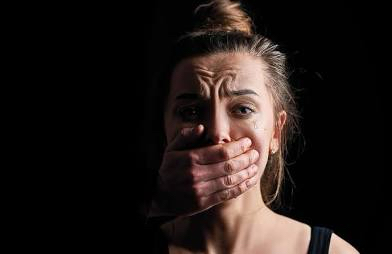
National Domestic Violence Awareness Month

“Never stop fighting for your freedom, you are worth it.”

-DA Survivor-Anon

Light the charcoal. Sprinkle the sage. Negativity energy, go away. Today is the beginning of Domestic Violence Awareness Month. This month is when our voices from all over the globe will be heard. We as victims, survivors and warriors bring to light the horrors of domestic violence and the impact that it leaves on our lives and those around us. Let’s take time out for a little education on a few of the topics surrounding domestic violence.

Domestic Violence is a topic that I know a lot about. Well, I know how to function in it. And I know how to get away from it. But living with the aftereffects reveal a whole other set of problems. Where domestic violence used to be seen as something that only happens to women and their partners. There is more awareness on the abuse of men by their partners. No matter how you identify. It also happens to the most innocent, children and pets. This happens in all forms of relationships. And the statistics are staggering.

Domestic violence is violence committed by someone in the victim’s domestic circle. Which include partners and ex-partners, immediate family members, and other relatives and family friends (https://www.UN.org, 2025). The behaviors can include such things as:

·        Physical

·        Sexual

·        Emotional

·        Financial

·        Psychological actions or threats of actions that influence another person.

This includes any behavior that intimidate, manipulate, humiliate, isolate, frighten, terrorize, coerce, threaten, blame, hurt, injure, or wound someone. The repetitive exposure to violence teaches children that violence is a normal way of life (https://dvcc.delaware.gov, 2025). And for those of us who leave, constant confusion and every minute of no knowing when something else will happen again, is our normal. And the many years of programming by our abusers takes years of therapy to de-program ourselves. But you will never be who you used to be.

Recovery is not for the faint of heart. It is hard and uncomfortable. And it takes years to undo the damage that was caused on so many levels. I was one of the lucky ones. Long story short, I survived. But the mental damage that was caused has left me crippled in some ways. And through the sleepless nights filled with tears, therapy, psychiatric medications, body memories, flashbacks, phobias, and panic attacks, I have learned that I have a voice that deserves to be heard. And no matter what people say or believe, I can validate my own story regardless of the opinions of others. Because I lived it. 

The main thing I want to say to other women and men across the globe who are still in their own processes, “YOU ARE NOT ALONE!” Because it happened to me too. Thanks for reading! Keep smiling and pushing forward.

Affirmation: My light shines even in the dark.

***Don’t forget to watch the video!***

#Thispuzzledlife
LGBTQ+ And Suicide

“Our country is grappling with a youth mental health crisis, and it is particularly pronounced for LGBTQ+ youth.”

-Ronita Nath

 Light the charcoal. Sprinkle the sage. Negative energy, go away. Today, keeping in line with the topic of suicide, I want to discuss suicide in the LGBTQ+ community. 

The prevalence of suicide in the LGBTQ+ community is nothing new. The risk for suicide attempts and suicidal ideation can be 3 to 6 times greater for lesbian, gay and bisexual adults according to the National Institutes of Health. But there are also other statistics to keep in mind.

In 2024, 39% of LGBTQ+ youth considered attempting suicide according to The Trevor Project’s national survey. 1 in 10 of LGBTQ+ youth attempted suicide in the past year. And LGBTQ+ youth are more than four times likely to attempt compared to heterosexual youth. I can tell you that personally, I’ve been suicidal many times because of rejection from my family as a lesbian woman.

Transgender and Nonbinary identified individuals are at an even higher rate of suicide. And almost half seriously considered suicide in the past year. In 2022, 80% of transgender people had considered suicide and 40% had attempted. These statistics while staggering are not surprising. These demographic struggles are way more than they should be with little compassion from society.

Bisexual identified individuals are 1.5 times more likely to report thoughts and attempts compared to gay and lesbian individuals. And 2.98 times more likely to have  a suicide-related event compared to heterosexuals according to a 2022 study. And  the LGBTQ+ youth of color report higher rates of suicidal ideation and attempts compared to white peers (www.therevorproject.org, 2025). And there are several contributing factors such as:

·        Discrimination and Prejudice:discrimination, harassment and violence due to sexual orientation or gender identity increases the risk of suicide.

·        Lack of Support Systems: Limited social support from family, peers and community exacerbates the mental health challenges. 

·        Mental Health Disparities: LGBTQ+ individuals are more likely to experience depression and may face barriers to accessing mental health services (https://mhanational.org, 2025).

For someone who is a member of the LGBTQ+ community, I can tell you that I’ve considered suicide many times. The rejection from family and friends are sometimes more than I can bare. And having worked with someone in therapy many years ago, who was not sensitive to the needs of someone in these communities, there was little progress made. Mainly, because I couldn’t trust her. And she was extremely judgmental.

Since collaborating with coach for almost a decade, I can tell you that I have been able to fully accept the fact that I’m gay, despite my family’s disapproval. And then the religious communities also seem to greet us with bible verses telling how many ways we are going to hell. We all know that “choosing” to be gay is such an easier way of life. There the secret is out. 

With the current political administration taking away the rights and freedoms that the Stonewall riots stood against, and the lack of funding for suicide hotlines for LGBTQ+ youth, these rates will only climb. Our families, friends, churches, and government should be ashamed of standing by people who are ok with the policies set in place. We are the same as we ever were. We just wear rainbows now. 

There are those beautiful allies out there who remain the strength and backbone of our continual fight for equality. We are youth, parents, aunts, uncles, cousins, husband, and wives who just want to be recognized as equals in the eyes of the law. But where reputations and political agendas are from the far right, we must be even more solidified as a community. If someone is for rights with some and not others, I have no room for them in my life. But it’s taken me years to come to this conclusion. 

Is it lonely? At times, yes. However, I want people in my life who not only support me but also my friends. The suicide hotline is something that our community not only wants but needs. Many of us have non-supporting families and mine is no different. But I do have a place to live currently. But that does not constitute me putting up with homophobia or fragile masculinity and femininity.

The very few “true” friends I have, understand that being gay is not a “choice.” It’s who I am. And if that’s too much for someone to manage, that’s just too damn bad. To my fellow allies and community members, keep up the good fight. We must take up the original Pride flag are carry on. I love our colors. And I’m proud to call myself a member of the LGBTQ+ community.

Keep smiling. Keep shining. Knowing you can always count on me, for sure. That’s what friends are for. We are seen. And we are heard. And….WE ARE FABULOUS! Thanks for reading. Take what you can use and leave the rest.

Affirmation: I am proud of myself and will continue to strive to do well.

***Don’t forget to watch the video!***

#Thispuzzledlife

Cyberbullying And Suicide

 “Be careful because cyberspace is a two way street those that hunt and stalk and troll can also become the hunted by those that they harass and attack. Cyberspace has a definite dark side.”

Don Holbrook

Light the charcoal. Sprinkle the sage. Negative energy, go away. Today, I want to talk about another reason that people are committing suicide. It’s the inevitable factor of cyberbullying.

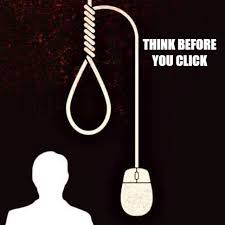
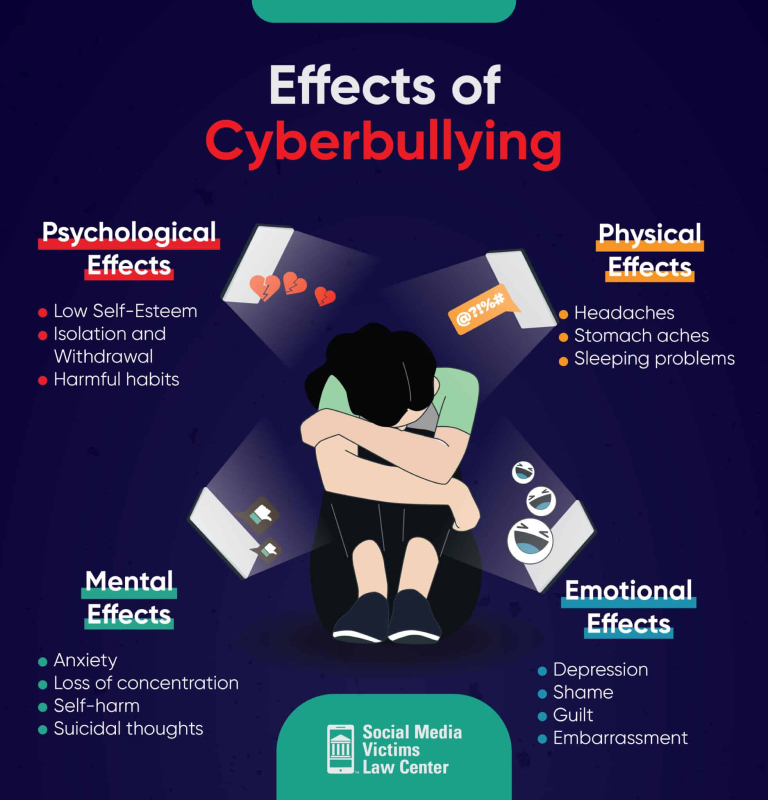
Cyberbullying is bullying with the use of digital technologies. Research consistently indicates that there is a strong correlation between being a victim of cyberbullying and increased suicidal ideations. In fact, once study showed that students who are subjected to cyberbullying are 4 times as likely to commit suicide. And a major increase occurred during the COVID-19 pandemic). Another study found that cyber bullying increases suicidal thoughts by 14.5% and suicide attempts by 8.7%. The limitations are since there is usually not just one factor that contribute to suicide (www.nih.gov, 2025).

I can tell you that as an 8th grader adult bullied me where I was supposed to be safe, at school. And though there was no cyberbullying at the time, due to lack of access to the internet, I quickly began having suicidal ideations that have plagued me ever since. When you’re a child, bullying is such a violation and betrayal. And for me there was no way out. So, I had to fight the best way I knew how. Sometimes it was quiet while escaping within my mind. And sometimes, it was through pure aggression. Sadly, aggression was the only thing to make it all stop even for a moment. But the colossal damage had already been done. 

That year of bullying set the precedence for how my life would turn out. I lost all confidence in myself and my abilities. My self-worth was destroyed. And I turned to the only thing that seemed to accept me no matter what my condition. It was addiction. By the time I started high school, I was a full-blown addict of drugs, alcohol, self-harm and eating disorders. And at almost 50 years old, I continue to struggle with them.

I learned that no one was a “safe” person. I learned that if anyone were going to protect me, it would have to be me. I learned that taking the first shot at someone was the safest way to live. I also concluded that no one that I saw as an “underdog” would ever have to fight their own battle again if I were there. I asked for help but was denied. And when I did, the abuse only got worse.

Cyberbullying takes on a whole new level of abuse. And the damage can be irreparable. It’s said and done by people who don’t have to look at you in the face. And typically, most people wouldn’t have the balls to say those same things if done in person. Since our national politics are so unstable, I would venture to say that the amount of cyberbullying would increase significantly. Below are a couple of the cases that I wanted to show you about. There is no way to list them all.

Megan Meier’s Case (2006): a 13-year-old American girl who committed suicide after being bullied on MySpace. The bullying was orchestrated by an adult neighbor, Lori Drew, posing as a teenage boy. The adult was the mother of a classmate. The mother was found guilty of cyberbullying in 2009. However, the conviction was later overturned.

Texas Child Suicide (2023): A child in Texas died by suicide during an online game due to alleged cyberbullying. The suspect lived in Michigan who eventually plead guilty to crimes related to aiding suicide and harassment causing death (www.nbcnews.com, 2023).

In the world that we live in, it is imperative for us parents to pay close attention as possible to what our kids are doing and with whom they are interacting. I do not live under the delusion that it is possible to know everything. I am not God. The only thing I know to do is to regularly talk to my children about the dangers of cyberbullying. And that just because someone is on your “friends list,” doesn’t mean that they are really friends. And that predators disguised as heaven will often put you through hell. And even with that knowledge, I know that I can’t protect every facet of their lives. The very essence of a predator is to go undetected. And to operate in the shadows, often in plain sight.

I hope that you have gained useful information on this topic. I continue to learn each time I blog. And maybe, it’s bringing some type of comfort as I look at these difficult topics. I write thinking, “What can I do to help other parents?” And then, BOOM! Another blog appears. Thanks for reading! As always, take what you can use and leave the rest. Keep smiling. And stay informed.

Affirmation: I forgive myself for believing when I’m bullied it’s my fault because I let it happen, or I was in the wrong place, or I should have known better.

***Don’t forget to watch the video!***

#Thispuzzledlife
Common Myths About Suicide

“When you feel like giving up, just remember why you held on for so long.”

-Hayley Williams

Light the charcoal. Sprinkle the sage. Negative energy go away. Today, I want to talk about some myths regarding the topic of suicide. I was first exposed to suicide at the age of thirteen. One of my friends and classmate committed suicide when we were in the eighth grade. As a child, how do you manage that? I can tell you that among all of the major events in my life that has changed me in some way, the day that I lost my friend to suicide will always rank high on my list. I think, though, that the biggest impact for me was how our teachers and school administrators dealt with the situation.

I grew up in the 1980’s when child and adolescent mental health was rarely recognized. And, honestly, my generation was sort of left with the attitude of “figure it out yourself.” Situations that left gaping wounds were merely glossed over. And so, me and other friends and classmates turned to a life of addiction and suicide. As a teen who was being abused daily by a teacher, and the complete lack of protection from the adults, I was forced to just “figure it out.” I did it in total “self-preservation mode.” The behaviors that I developed were not healthy, but they were there when no one else was.

In the 35 years since my friend’s suicide, I have lost a lot more friends. And sadly, I have built walls all throughout my life that continue to help me through my pain. The one thing that has seemed to resonate through the years is how religion constantly attacks those who have been through the most. And I grew up being marinated in the ideology that suicide was “selfish,” “a sin,” “immediate condemnation to hell,” “the easy way out” and the most “self-centered” act known to man. 

A lot of the “indoctrinating messages” I was raised to believe, life made me realize how very untrue and damaging they are and will continue to be. I have been on all sides of suicide. And from a personal standpoint, those beliefs couldn’t be any farther from the truth. Below are a few common myths regarding suicide.

Myth 1: Talking about suicide increases the chance a person will act on it.

Fact: Talking about suicide can reduce rather than increase suicidal ideations. It improves mental health related outcomes and increases the likelihood that someone will seek treatment.

Myth 2: People who talk about suicide are just seeking attention.

Fact: People that die from suicide have often told someone about not wanting to live anymore. And it’s always important to take it seriously. In my own family, these statements have rung true. Or most often, those statements are ignored.

Myth 3: Suicide can’t be prevented.

Fact: Suicide is preventable but unpredictable. Most people have experienced intense emotional pain, hopelessness and a negative view on life and the future. Suicide is a product of genes, mental illnesses and environmental risk factors. Intervention can and does save lives.

Myth 4: People who take their own lives are selfish, cowardly or weak.

Fact: People don’t die of suicide by choice. The emotional pain that they experience makes it difficult to consider different views. Have you ever turned a gun on yourself? I have.

Myth 5: Teenagers and college students are the most at risk of suicide.

Fact: Suicide rates for that age group is below the national average. The age groups with the highest rate of suicide in the U.S. are women 45-64 and men 75 and older. Suicide is a problem among all ages and groups.

Myth 6: Barriers on bridges, safe firearm storage and other actions that reduce access to lethal methods of suicide don’t work.

Fact: Limiting access to lethal means of harm is one of the most straightforward strategies to decrease the chances of suicide.

Myth 7: Suicide always occurs without warning. 

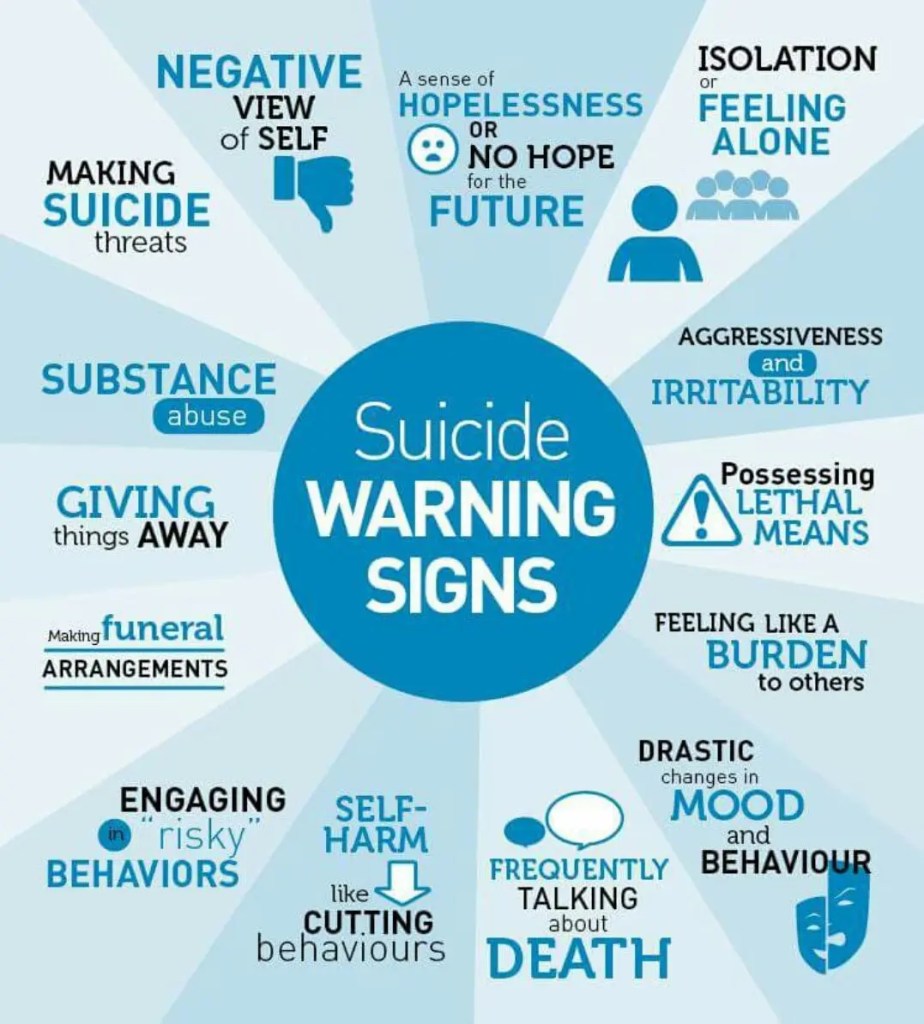
Fact: There are almost always warning signs before a suicide attempt.

Myth 8: Talk therapy and medications don’t work.

Fact: Treatment can and does work. I don’t agree with big pharma for many reasons. I guess, though, “life over limb.” Lives are saved with both therapy and medication. Therapy has saved my life for many years now. But finding the right one to work with can be taxing. Most people who are in the helping profession do help rather than harm (mayoclinichealthsystem.org, 2025).

Myth 9: You have to be mentally ill to think about suicide.

Fact: 1 in 5 people have thought about suicide at some time in their life. Not all people who die by suicide have mental illnesses at the time they die.

Myth 10: People who are suicidal want to die.

Fact: The majority of people feeling suicidal do not actually want to die; they just want the situation they’re in or the way they’re feeling to stop.

Myth 11: Most suicides happen in the winter months.

Fact: Suicide is complex and not just related to seasons or the climate. Suicide is more common in the spring and a noticeable peak on New Year’s Day.

Myth 12: You can’t ask someone if they’re suicidal.

Fact: Evidence shows that asking someone if they’re  suicidal could protect them (Samaritans.org, 2025).

Myth 13: Strong faith prevents suicidal thoughts.

Fact: Many deeply religious figures including biblical figures have experienced suicidal thoughts. The misconception that strong faith eradicates mental despair is false. Faith doesn’t guarantee protection from difficult emotions and struggles.

Myth 14: Suicide indicates a lack or abandonment of faith.

Fact: Suicidal ideation is viewed from different perspectives. Suicide does not inherently mean that someone has abandoned their faith.

Myth 15: Fear of religious repercussions is a sufficient deterrent for suicide.

Fact: For some maybe the fear of divine punishment can be a factor. However, many faith communities emphasize grace and forgiveness, even for those who die by suicide. And personally, I have rarely seen grace and forgiveness on this topic.

Myth 16: Religion or faith alone is enough to prevent suicide.

Fact: Studies show inconsistent findings regarding the protective effect of religious affiliation on suicide risk. It is crucial to understand that faith alone is not a guarantee against suicide and should not replace professional mental health interventions when needed (https://pmc.ncbi.nim.nih.gov, 2025).

I hope at the very least that some of the myths regarding suicide have been explained. My own personal suicidal feelings have been dismissed the majority of my life. And no amount of “bible beating” has ever helped. It has only made things much worse than they already are. And some of the statements made disguised as “help” by family members, are not help. The statements are just toxic. Saying that you have “x” amount of years living and never considered suicide isn’t helpful. Please don’t play therapist when you’re not one.

Put harmful judgments in the trash where they belong. Love and appreciate those that you love. Because it can all change in an instant. Quit making “their” suicidal feelings about “you.” Because it’s not. And always remember, “Just because someone has a smile on their face doesn’t mean that they’re not suicidal.” Thanks for reading! As always, take what you can use and leave the rest.

Affirmation: I am overcoming depression one step at a time.

***Don’t forget to watch the video!***

#Thispuzzledlife

Suicide Awareness And Prevention Month

“This life. This night. Your story. Your hope. It matters. All of it matters.”

-Jamie Tworkowski

Light the charcoal. Sprinkle the sage. Negative energy go away. Thank God, we have made it through most of the hottest months of the year. September is another sticky, humidity filled month before the beginning of the cool down. September is also Suicide Awareness and Prevention Month. I know, it’s another upbeat topic. I think that the topic of suicide shouldn’t be taboo. It’s an unfortunate dark part of nearly every culture. And, yes, it has also affected my life in many ways which I’ll share.

Suicide has always been referred to as “the easy way out,” “selfish action,” a  “total disregard for friends and family,” and the most hurtful “a sin.” And it’s really easy for people to throw out opinions that help no one when they are struggling. That is minimizing their pain and abuse.

Having been not only a patient in the mental health system for the majority of my life, and working in the mental health field as a professional, I have also seen and been on most sides of this problem. People are so quick to judge what they don’t understand. And, sadly, suicide is a topic that tends to be discussed in judgment versus with compassion.

I have been chronically suicidal since I was a teenager. I was being abused and put on display for others to see for an entire year in school. I was also locked in a closet in that same room while being verbally abused in any way imaginable. I tried to tell adults about what was going on. However, I was made to feel like it was my fault. This helped the teacher to further perpetrate her abuse. My parents also made me apologize to her for comments that I made to her. But as their child, I was not protected by them or the administration. I was in a difficult situation without the possibility of brighter days ahead for the future.

My suicidal feelings got the best of me one day at school when I took forty aspirin. I had no idea, at that time, that it wouldn’t work. But the thought of continuing one more day at the hands and mouth of s purely evil woman was more than I could deal with. My parents were called and made aware. Nothing was ever done. I was never provided with any kind of help. Maybe it was the “standard” of the late 1980s. I was not given the emotional support to sort out my trauma. 

What I did begin doing was self-harm. I had no idea what it all meant, at that time. But I knew that it made things better even if for just the moment. As I’ve stated about my family’s dysfunctional dynamics, I was told just to make it through the year and everything would be fine. It wasn’t. Yes, the abuse ended. But I was not fine.

By my freshman year in high school, I was “balls to the wall” in addiction. Addiction that presented itself in drugs, alcohol, eating disorders and self-harm. The strongest addiction being self-harm. And 35 years later, it continues.

The depression, anxiety and suicidal ideations never subsided as I was told. One day I finally told my mother that had I had access to a weapon, I was going to kill myself. Instead of offering help, of any kind, I was met with anger and told that I was being selfish. My thoughts were anything but selfish. I was hurting in ways that no one knew. And no one seemed to care. So, I suffered in silence for many years.

As a child/teenager when traumatic events occur, your mind goes directly to self-preservation. You do whatever you can to either tolerate the darkness or end the pain. Meanwhile, the trauma of life continued at a level that no one is capable of dealing with alone. My next real relationship was abuse that lasted 14 years. And again, I felt trapped.

If you don’t understand the concept of Pavlov’s dogs, then you don’t understand what it’s like to be held mentally captive while the world sees your situation with an easy out. And the sad part about it, is that they think that you deserve everything you get because you don’t just leave. My parents attributed all of the chaos of that relationship as being something that religion could fix. So, we got involved in church. If anything, the abuse got much worse because now his weapon was a Bible that he read and used as justification that I should be “submissive” to his every demands. Mentally, I was trapped again without any way out. And my self-harm was not about survival. It was about making the pain end. 

I would reach a mental breaking point and would stand out in the front yard where we lived and pointed a gun at my chest and pulled the trigger. The strange part was that I seemed to be witnessing rather than taking an active role. I watched that whole event as a spectator. I don’t expect you to understand the power of dissociation. Most people, in fact, are very ignorant about it. Again, I was met with anger from my mother. She kept saying, “Hush! Hush! Do you want to go back to Pine Grove?” That is the local mental health facility. And at that moment all I needed was compassion. But again, I faced anger and judgment. I wasn’t trying to “take the easy way out” or be “selfish.” I just wanted the pain to end. And everyone seemed to lose sight of that reality but me.

The bullet went into my shoulder only a few inches from my heart. And even hospital staff treated me as though I was taking up space much better suited for someone else. Self-harm became a way of life for me. It’s been there when people should’ve been there. But self-harm doesn’t always mean “suicide attempt.”  And this is a very sore subject among family members. But I sit as an outcast by my family who want nothing more than the family name to not be tainted by abnormality. They acknowledge that bad things happen. But they just want it to disappear and to quit bringing shame to the family name and instead just move on with life. But the biggest factor, is that they don’t want to be perceived as “parental failures.” It’s still all about the reputation of the family.

 People that is not how trauma works. And saying, “We just didn’t know how to help you” is “shit”of an excuse. I was a child when it began. You were in the position to help protect your daughter and you didn’t. Remember, the part of the story where I said, “Just make it out of the 8th grade and everything will be better.” It’s 35 years later and it’s not better. It has crippled me as an adult. And has stolen my hopes and dreams. And I still deal with suicidal ideations on a daily basis. Those never went away either. So, I guess feeling like a “burden” to those who say that they love me but treat me as such will forever be the unhealthy narrative. I’ve asked them to do therapy to help with our relationship. But again, it’s of no importance. And the unspoken belief that I’m unworthy continues.

I wrote this blog to say this, “Quit making someone’s struggle with suicidal thoughts and actions be all about you. You are not helping anything. You only make it worse.” Simply say to them, “Your thoughts and beliefs are valid. Let’s find some compassionate help that will help you thrive. Throwing Bible verses in their face is not helpful. Telling them that they will go to hell is not helpful. They are already living in an emotional hell. 

This is not rocket science! Just don’t be an asshole as a rule of thumb. I have been in the position of being the last one to talk to a person moments before they completed suicide. I can tell you this, “I’m not mad at that person. I don’t condemn their actions. I don’t say, “Well I guess they’re in hell now. How selfish of them.” I simply say, “I hate that they were in so much pain that nothing anyone said could break through the cloud of despair.”

Until you’ve been in that position, you have no idea how strong emotions and thoughts are. And if the person felt like they had exhausted all of their means of trying to end the pain in an acceptable fashion, then they see no other way out. Judgmental comments about, “well, they didn’t seek out every source of help” is you seeing in from your perspective only. If you can’t see it from their perspective, you’re one of the lucky ones. Thanks for reading! Take what you can use and leave the rest.

Affirmation: I’m always healing and never alone.

***Don’t forget to watch the video!***

#Thispuzzledlife

What Is Narcissism? Part 2

“The Narcissist wants the authority of a king while having the accountability of a toddler.”

-Haryo Aswicahyono

My ex-husband and his brother are both very narcissistic in the way that they manage everything. They are not men. They are boys with very fragile egos that were destroyed by their father. Nothing they ever did was good enough for him. And his explosive anger was the way that he maintained control.

Their was also raised by narcissistic uncles that taught him the only way to raise kids is to beat them into submission. That is also how his grown children operate. If they don’t get what they want, they abuse their victim until submission is achieved. And my ex-husband was that way in every area of his life. Because physically they’re both just broken-down old men who use threats and intimidation. Because they would get beaten physically in a fight. 

Where was their mother? Well, she was an uneducated homemaker for many years. And where was she to go or to do? Her circumstances didn’t allow her to take three children and leave. The services were just not available then. But what it caused was continuous trauma to others. If someone doesn’t put a stop to it then the abuse continues to multiply like cancer until it becomes the norm. Then, they become accustomed to what is now their normal life and anyone who challenges that must pay in whatever way they see fit. 

I finally got enough and left. But his brother’s wife continues to take emotional abuse. I went into my next relationship and the mark of his abuse also crept in. I decided that I was where the effects of his abuse would cease to continue. And it’s been an arduous process the last twenty or so years in therapy. The way I got though life was so distorted once I was able to step back and realize all the damage that he caused. The most difficult part of living through it is that the PTSD that I sustained from his emotional, financial, sexual and religious abuse continues to affect me today. And sometimes the simplest of things are monumental. 

I’m one person who has been through this. And there are millions more people, both men, women and children who are subjected to a malignant narcissist like I was. Will everyone get help that can be so beneficial? Absolutely not. And then the cycle will continue for another generation that are busy building more narcissists. 

Oh, the kids can grow up to be successful in spite of the narcissism. Just look at our president. He oozes with narcissism, and he has a cult of followers who don’t see it either. It is all about his personal gain that is disguised as “Making America Great Again.” Those of us who have been abused by a narcissist can identify the “gas lighting” and “manipulation” a hundred miles away. Because some of the same statements and attitudes came out of my ex-husband’s mouth. 

Narcissists rarely get help because they never see fault in themselves. They are great at dishing it out. But they absolutely cannot handle it being done to them. He very much wanted to be seen as some kind of a “big boy.” However, he had the emotional maturity of a toaster. My sons are already better men at 10 and 13 years old than he is at 68 years old.

So, I ask you, “How do I support someone like that? I’ve already been through its multiple times in my life. And if you really want to find out the total damage that has been caused to me by way of the narcissists in my life, I’ll let you talk to my therapist who continues to see me struggle years later.”  Thanks for reading! Stay educated. Stay safe. And keep smiling!

Affirmation: I resolve to walk away from situations where someone lies, refusing to engage with truth benders or gas lighters.

***Don’t forget to watch the video!***

#Thispuzzledlife