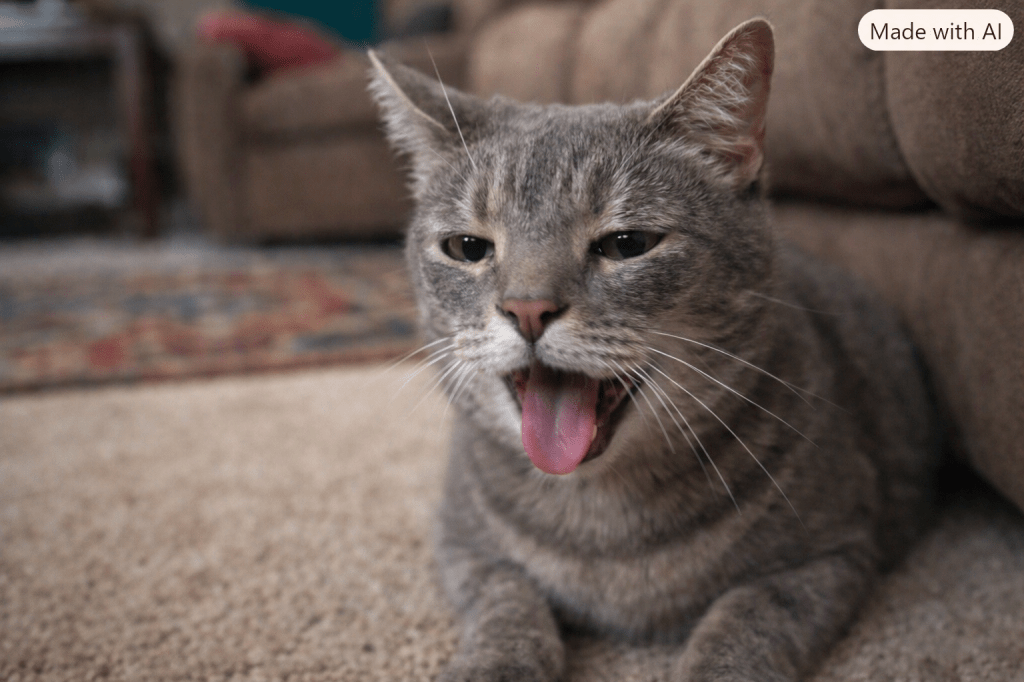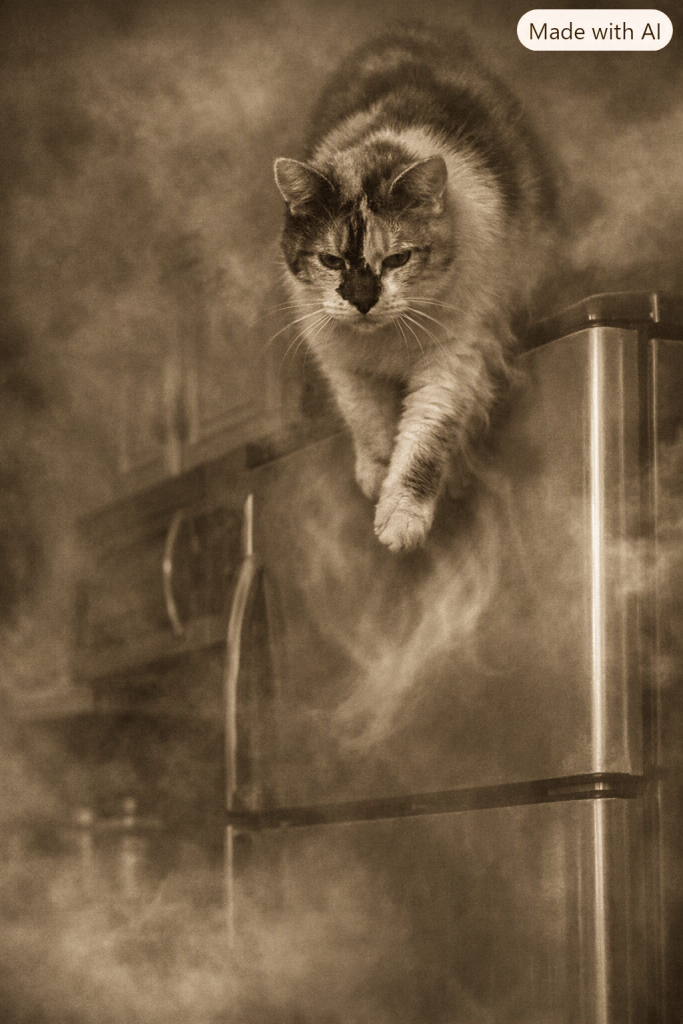

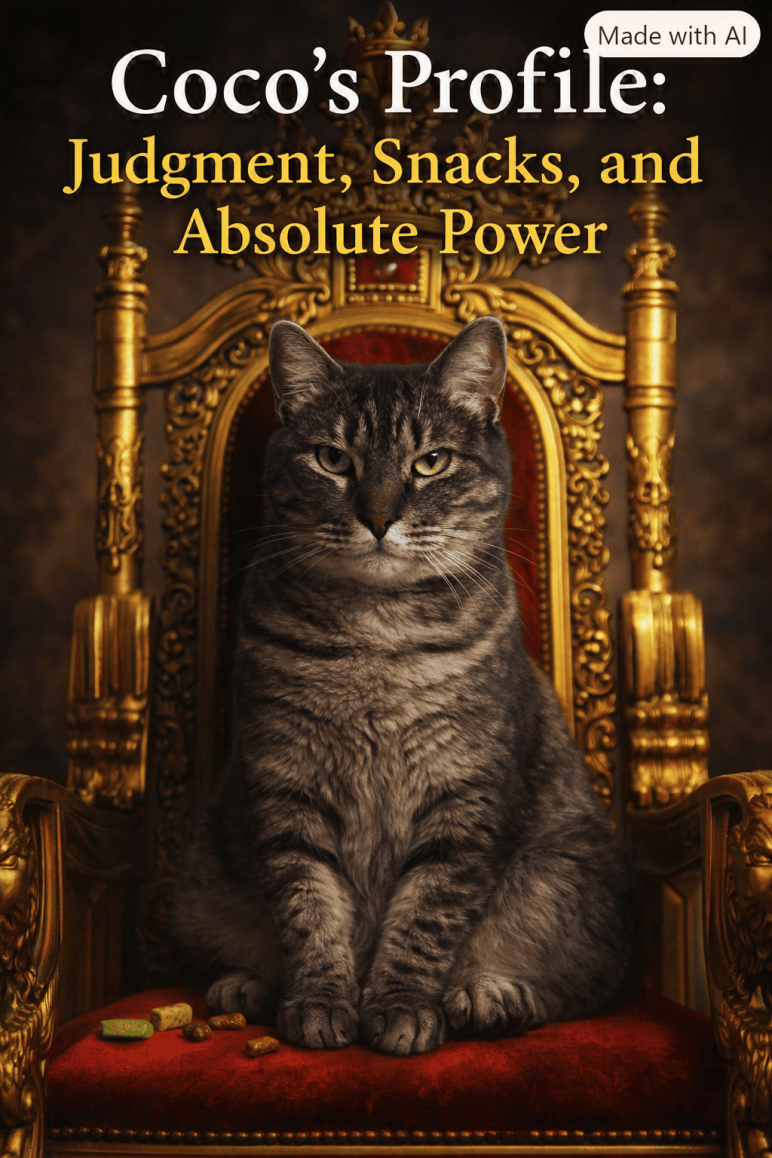
Coco’s Profile: Judgment, Snacks, and Absolute Power

“I don’t need your approval. I already judged you. Now give me snacks.”

 -Coco, probably

Light the charcoal. Sprinkle the sage. Today, we gather ’round the digital firepit to honor the most judgmental, snack‑loving, emotionally unavailable elected official this side of the Mississippi. We must cleanse the air before speaking her name, lest she appear behind us like a furry IRS auditor ready to collect emotional taxes. Coco, Mayor of the House, Duchess of Disdain, and Supreme Ruler of the Snack Cabinet. 

Coco does not walk into a room. She descends like a Victorian ghost who died of pettiness and refuses to move on. She is the only cat who can make you apologize for breathing too loudly. She is the only cat who can make you feel judged for eating a snack she wasn’t even interested in until she saw you enjoying it. She is the only cat who has ever filed a noise complaint against a bag of chips.
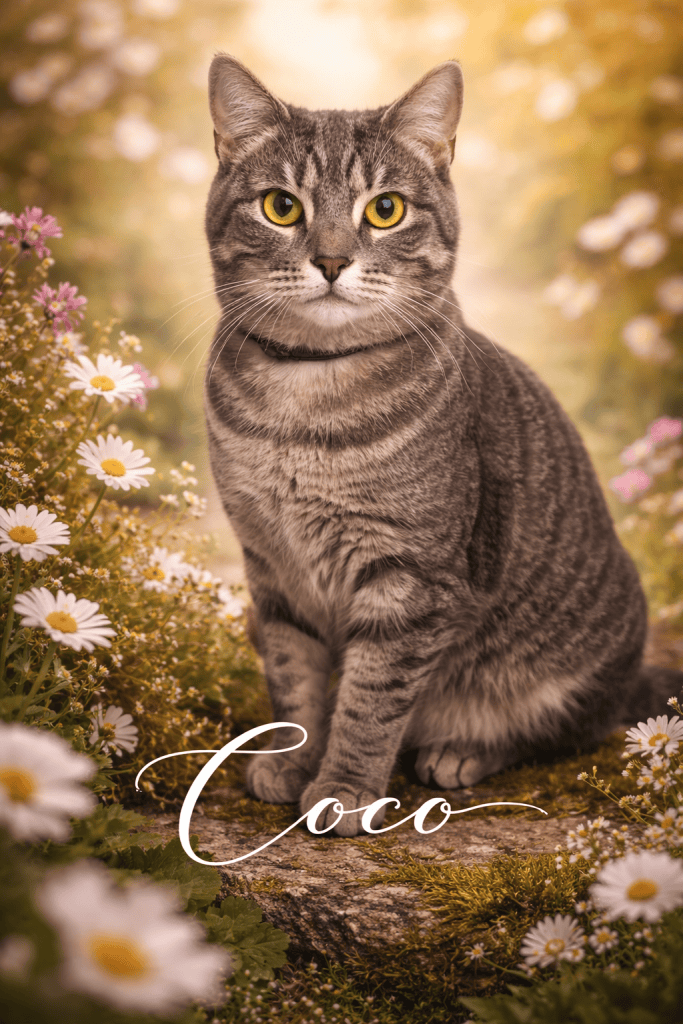
Coco’s Profile: A Scientific Breakdown

  • Species: Cat
  • Occupation: Mayor of the House (self‑appointed, never elected, refuses to leave office).
  • Political Party: Snacks First.
  • Personality Type: J for Judgmental, S for Snacks, P for Petty, T for “Try me and see what happens”
  • Favorite Hobby: Sitting on the highest perch and glaring like she’s narrating a true crime documentary about your life choices.

Coco doesn’t just hold grudges. She collects them like Pokémon cards. If you pet Piper first? She will stare at you like you just committed tax fraud. If you move her from your lap because your leg is numb? She will file a formal complaint with the Department of Emotional Suffering. If you give Tinkerbell a treat and forget Coco? She will sit three feet away while facing the wall like a Victorian child in timeout.

Coco has mastered the art of snack manipulation. She will pretend she doesn’t want your snack. She will wait until you’re mid‑bite. She’ll stare at you with the intensity of a church usher judging your skirt length. She’ll make you feel morally obligated to give her the snack. She’ll then reject the snack. And then cry because you didn’t offer it correctly. She is the only creature who can make you feel guilty for eating your own food. In your own house that you pay for with your own money.

Coco judges my outfit. My cooking. My parenting.  posture. Your tone. And your existence. She once looked at me for sneezing like she was about to call a priest. She once watched me fold laundry. And then shook her head like your ancestors were ashamed. She once saw me drop a cracker. And proceeded to sigh so loudly the ancestors heard it.

Coco is petty in ways that defy science. She will knock something off the counter slowly, so I have time to reconsider my choices. She will sit on my laptop and open 47 windows just to prove she can. She will meow at 3 AM. And then walk away when I get up. Because she enjoys the chaos. She will refuse to come when called. But sprint when you whisper “snack.” She is the Beyoncé of petty. She is the Shakespeare of snack‑based drama. She is the Supreme Court Justice of silent judgment. And she’s all mine.

So as the charcoal burns low. And the sage smoke curls into the night. We honor Coco. Our mayor, our menace, our snack‑seeking shadow. May her reign be long. May her judgment be swift. May her snacks be plentiful. And may we never forget that Coco doesn’t live in my house. I live in Coco’s jurisdiction. Mic dropped. Coco caught it. And judged how you dropped it. 

Affirmation: I honor Coco’s reign. I accept her judgment. And I release all fear of snack theft.

***Don’t forget to watch the video!***

#ThisPuzzledLife
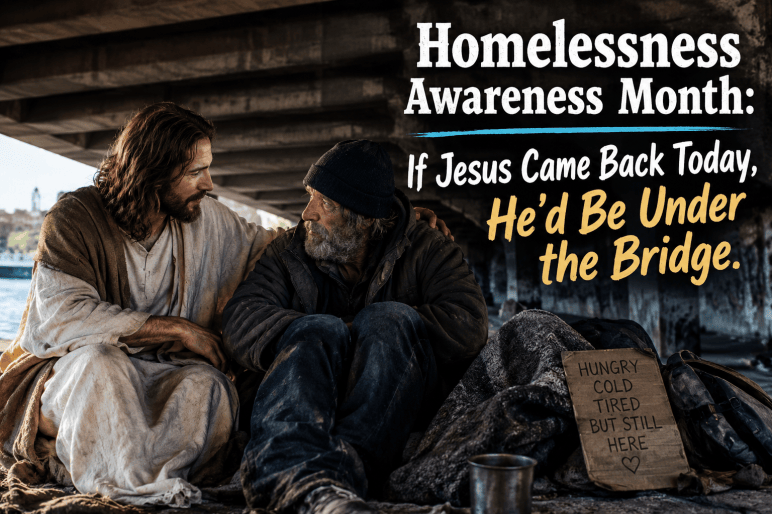
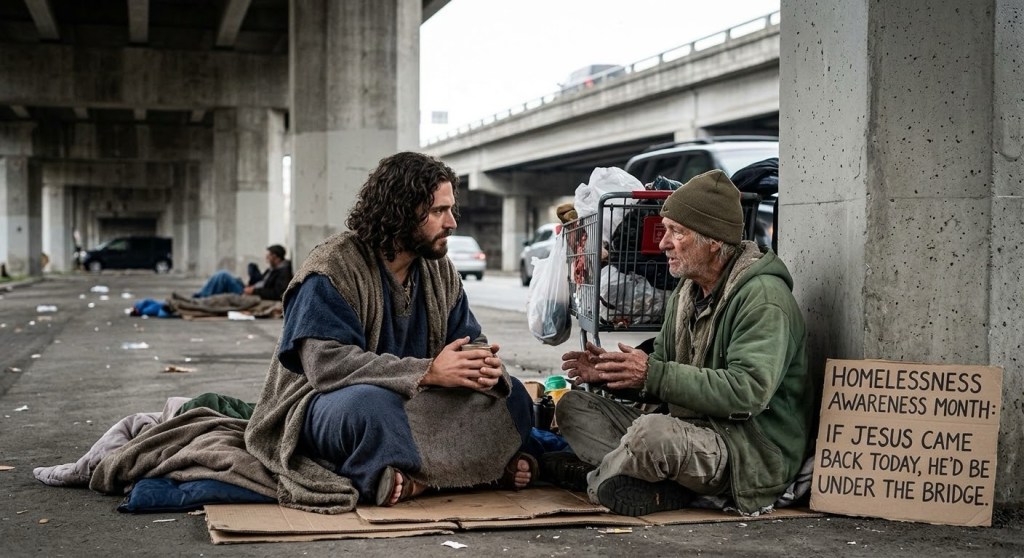
Homelessness Awareness Month: If Jesus Came Back Today, He’d Be Under the Bridge

“Homelessness doesn’t erase humanity. Judgment does. Compassion is the currency that never runs out.”

-This Puzzled Life

Light the charcoal, y’all. This topic needs heat, smoke, and a whole backyard‑level truth‑telling session. Pull up a lawn chair. Grab a sweet tea. And brace yourself. Because we’re about to talk about National Homelessness Awareness Month in a way that might make a few folks’ halos slip. And their Sunday‑school smiles twitch.

Let me paint the scene. The sun’s setting. The grill’s popping. Cicadas are screaming like they’re being paid by the decibel. And I’m standing there thinking about all the people society pretends not to see. The folks who sleep under bridges while others drive over them on the way to brunch. The ones who get judged harder than a contestant on America’s Got No Compassion. The ones who carry stories heavier than the cast‑iron skillet your grandma used to threaten people with.

And I’m thinking about how I’ve worked with the homeless professionally. Not from a distance. Not from a clipboard. But shoulder‑to‑shoulder and heart‑to‑heart. I’ve laughed with them. Cried with them. Listened to them. And learned from them. And I’ve been homeless myself. So, I know exactly what it feels like when society decides you’re suddenly “less than.” Like your humanity evaporated the moment your address did.

So yeah, light the charcoal. Because this conversation deserves the kind of slow‑cooked honesty that only comes from lived experience, southern sass, and the kind of truth that makes people stare at the floor and rethink their life choices. Let’s get into it.

There is a cruel, unfair, downright lazy stigma attached to homelessness. And it’s weaponized with Olympic‑level precision. People act like homelessness is a personality trait instead of a circumstance. They judge folks who are already hurting. Already fighting. And already carrying trauma that would fold most people like a Dollar General lawn chair. And they judge with the confidence of someone who thinks Jesus Himself is running an HR department and actively hiring new judges. Spoiler alert: He isn’t.

Homeless people are not broken. They are not dangerous. They are not “less than.” They are human beings navigating a world that often treats them like background scenery. And let me tell you something from experience that is both professional and personal. Homeless people are some of the most rewarding, honest, soul‑rich humans you will ever meet.

They don’t sugarcoat. They don’t pretend. They don’t hide behind fake politeness or performative kindness. Their opinions are real. Sometimes blunt enough to peel paint. But real in a world drowning in curated personas and judgmental whispers.

Meanwhile, society? Society will judge you faster than a church lady spotting someone wearing flip‑flops to service. They’ll weaponize stigma like it’s a spiritual gift. They’ll kick people who are already down and then ask why they don’t stand up straighter. And that is everything Jesus wasn’t.

Jesus didn’t avoid people because they were struggling. He didn’t cross the street to avoid someone who looked “rough.” He didn’t ask for a résumé, a credit score, or a background check before offering compassion. He sat with the people society threw away. He fed them. He healed them. He loved them. So why do we act like homelessness is contagious, but judgment isn’t? Why do we treat people like they’re invisible until they make us uncomfortable? Why do we pretend compassion is a luxury item instead of a basic human responsibility? Homelessness is not a moral failure. It’s a circumstance. And circumstances change. But humanity? Humanity stays.

And the homeless community? They are some of the strongest, funniest, most resilient people walking this earth. They carry hope in places most folks wouldn’t survive for five minutes.

So, as we honor National Homelessness Awareness Month, let’s stop acting like kindness is a coupon that expires. Let’s stop pretending people are invisible just because their struggles make us squirm. And let’s remember that if Jesus came back today, he wouldn’t be brunching with the HOA board or sipping mimosas with the “We Don’t Give Cash, Only Thoughts and Prayers” committee. He’d be under the overpass. Handing out food. Hugging people. And telling the rest of us to stop being ugly.

If you want to help? Start with your heart. If you want to judge? Go ahead and apply at Jesus’ HR department. But I hear the interview includes a pop quiz on humility. And a background check for compassion, so good luck. Charcoal still hot. Message delivered.

Affirmation: I choose compassion over stigma. Truth over assumptions. And humanity over judgment. In myself and in others.

***Don’t forget to watch the video!***’

#ThisPuzzledLife

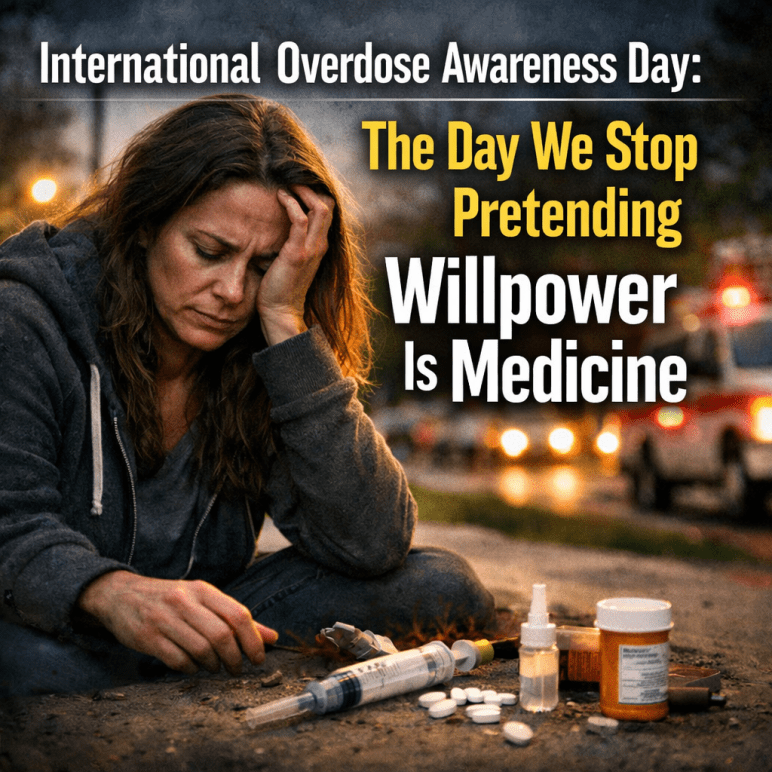
International Overdose Awareness Day: The Day We Stop Pretending Willpower Is Medicine

“Shame has never saved a life. Compassion has. And still can.”

-This Puzzled Life

Light the charcoal. Sprinkle the sage. Today, we’re not just cleansing the house. We’re cleansing the collective delusion that addiction is a moral failing. The sage is smoking like it’s trying to file a worker’s comp claim. The charcoal is popping like it’s gossiping about the neighbors. And I’m standing in the kitchen with the kind of determination usually reserved for Southern women who’ve had enough.

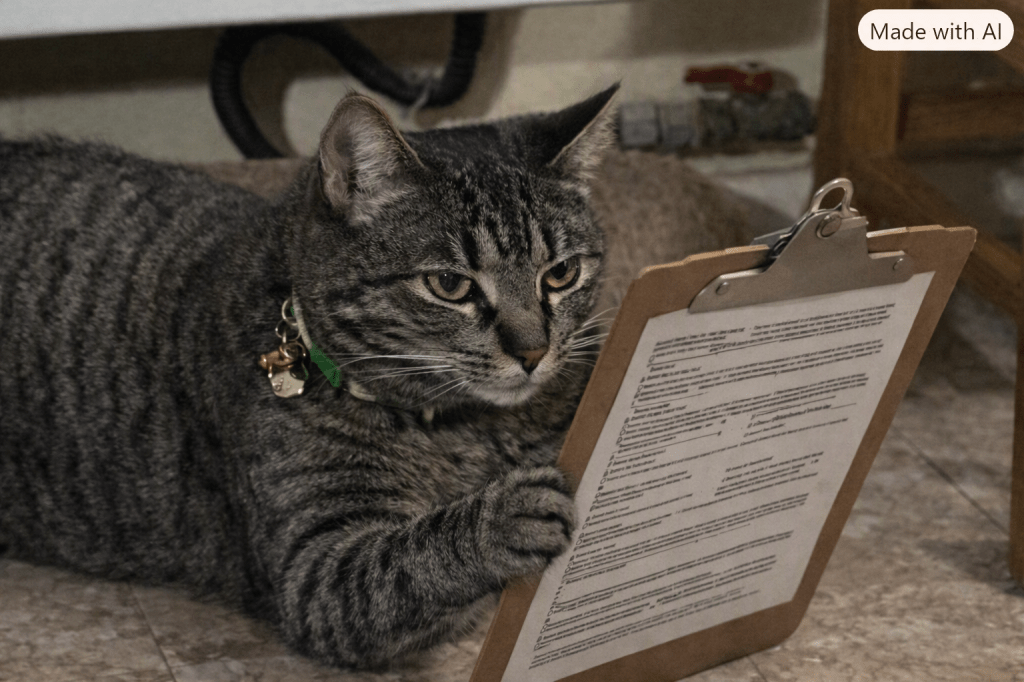
Piper struts in first.Tail high. Eyes narrowed. And a clipboard already out like she’s conducting a federal audit.

Piper: “Before we begin. I need to know if this is a cleansing ritual, a public dragging, or a memorial service. My paperwork differs.”

Me: “All three. It’s International Overdose Awareness Day. And I’m about to educate the masses.”

Coco barrels in next. She’s breathing heavily like she just ran a marathon but actually just walked from the living room.

Coco: “Is this about the humans who say addiction is willpower? And overdose is a moral collapse? I once ate an entire rotisserie chicken while sleepwalking. Explain that with willpower.”

Tinkerbell descends from the top of the fridge like a Victorian ghost who died of judgment.

Tinkerbell: “If willpower cured anything, half this household would stop doomscrolling at 2 AM. And the other half would stop emotionally eating Cheez-Its.”

Me: “Exactly. We’re dragging ignorance today.”

Piper adjusts her glasses. The glasses she does not need and sighs.

Piper: “I’ll prepare the minutes. This meeting is already chaotic.”

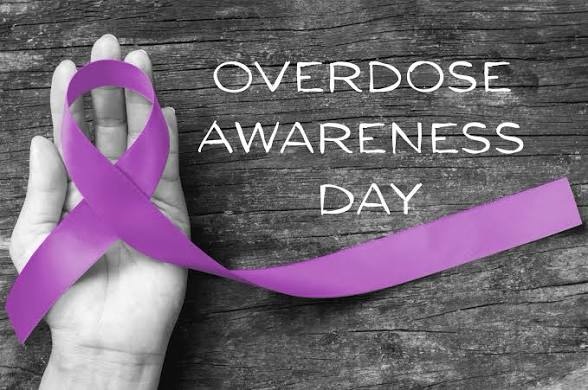
International Overdose Awareness Day started in 2001 as a remembrance event at a Salvation Army needle exchange in Melbourne, Australia. It was created to honor those lost. Reduce stigma around overdose. And to push the world to stop treating overdose like a shameful secret instead of a public health crisis. And let me say this plainly, with all the Southern sweetness of a peach cobbler baked in righteous fury, “Addiction and overdose are not moral issues.” And it’s not about willpower.

The next time you have diarrhea, keep in mind that it’s just willpower. Sit there with a Bible verse and see if the situation resolves itself. Let me know how that works out. That’s how ludicrous that argument is.

People don’t become addicts because they’re weak, sinful, lazy, or lacking character. Many addicts die wanting anything in life other than to be an addict. They die fighting. They die trying. They die hoping. But some folks, including people in my own family, love to say, “Addiction is about willpower.” It never has been. It never will be.

I’ve been an addict. I’ve been a professional treating addicts. I’ve buried friends. I’ve buried family. Not once have I judged them for their struggle. But the hypocrites in my life? The ones who claim moral superiority while ingesting alcohol at a rate that Pete Hegseth and Kash Patel struggle to keep up with? Hypocrite, please.

Overdose is an unfortunate part of addiction. Whether it’s chemicals, behaviors, or the slow-motion self-destruction people pretend “doesn’t count.” Because it’s socially acceptable. So how about we stop demonizing people who overdose while absolving ourselves of our own harmful, numbing, escapist overdoses?

If we’re being honest, some folks overdose on alcohol, self-righteousness, denial, Amazon Prime, gossip, rage, food, religion, and control. But somehow that doesn’t get labeled as a moral failure. Funny how selective morality works.

And here’s the truth that makes some folks squirm like they sat on a church pew with a splinter. Overdose doesn’t happen because someone is weak. It happens because someone is human. Humans who loved. Humans who tried. Humans who fought battles most people couldn’t survive for five minutes. Humans who deserved compassion instead of commentary.

But every year, we lose more people. Not because they were broken. But because the world still treats addiction and overdose like a character flaw instead of a medical condition. We lose them because shame is louder than science. Because judgment is easier than empathy. Because some folks would rather cling to their superiority complex than admit they don’t know a damn thing about what they’re talking about.

So on International Overdose Awareness Day, I’m lighting this charcoal. Sprinkling this sage. And saying this with my whole chest, “Stop demonizing the people who are drowning while you’re out here drinking from your own poison well. Stop pretending your socially acceptable overdoses are any less destructive just because they come with a cute, monogrammed tumbler or a Bible verse slapped on top. Stop acting like overdose is a choice when half the people judging can’t even choose to drink water or go to bed on time. And most importantly, start honoring the people we’ve lost by refusing to let stigma bury the living.

The dead deserve dignity. The living deserve compassion. And the ignorant deserve education. Loud, unapologetic, Southern‑fried education. Today, I’m choosing truth over tradition. Compassion over comfort. And humanity over hypocrisy. If that makes some folks uncomfortable? Good. Growth never happens in comfort. And comfort has never saved a single life. But truth might. Compassion might. You might. Thanks for reading! Share this with others.

 Affirmation: I honor the lives lost. Uplift the living. And refuse to let stigma speak louder than truth.

***Don’t forget to watch the video!***

#ThisPuzzledLife