

“If the smell of cannabis could kill you, half the country would’ve dropped dead at a Snoop Dogg concert.”
-This Puzzled Life
Light the charcoal. Pull up a lawn chair. And pour yourself a glass of sweet tea so strong it could dissolve a horseshoe. Today, we’re about to roast one of the biggest cultural catastrophes ever sold to the American public, Reefer Madness. This was the original “fake news tornado.” The 1936 panic‑propaganda film that convinced America, coast to coast, that cannabis was basically Satan doing the two‑step in your living room. A film so dramatic it made Pentecostal revivals look subtle. A film so unhinged it claimed one puff of cannabis would turn your teenager into a jazz‑addicted, piano‑smashing menace to society.
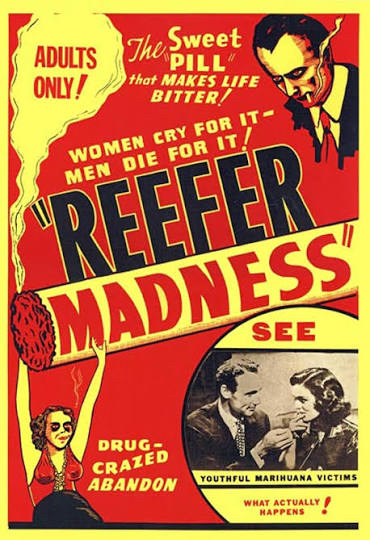
If Reefer Madness came out today, it would be labeled satire and streamed on Hulu between a cult documentary and a reality show about doomsday preppers. But back then? Folks ate it up like it was gospel. And while the whole country swallowed the hysteria, the South, with its love of moral order, church‑based authority, and “protect the children” politics, became one of the loudest amplifiers of the panic. And the smoke from that lie is still hanging in the air.
Reefer Madness didn’t just sprout up like a weed in the yard. It was engineered. And cooked up like a casserole nobody asked for.
1. Harry Anslinger needed a new villain
When alcohol prohibition ended, Harry Anslinger, head of the Federal Bureau of Narcotics, needed a new enemy to stay relevant. He chose cannabis and went full Broadway villain about it.
Source: U.S. National Archives; NPR reporting on Anslinger’s anti‑cannabis campaign. https://www.npr.org/sections/codeswitch/2013/07/14/201981025/the-racist-roots-of-marijuana-prohibition (npr.org in Bing).
2. Racist fearmongering was the secret ingredient
Anslinger pushed the idea that cannabis made Black and Mexican communities violent or “unpredictable,” and newspapers ran with it like it was scripture. Source:Smithsonian Magazine; Brookings Institution analysis of early cannabis criminalization. https://www.smithsonianmag.com/smart-news/brief-history-us-marijuana-laws-180967762/ (smithsonianmag.com in Bing)
Source: Brookings Institution analysis https://www.brookings.edu/articles/the-racist-origins-of-marijuana-prohibition/ (brookings.edu in Bing)
3. Zero science, maximum hysteria
Instead of research, they relied on headlines like
- “Marijuana: Assassin of Youth”
- “The Weed With Roots in Hell” Source: Library of Congress newspaper archives.
Reefer Madness became the 1930s version of a viral Facebook panic post. Except instead of your aunt sharing it, it was the federal government. Source:Library of Congress newspaper archives https://www.loc.gov/item/2016655020/
Reefer Madness didn’t start in the South. But the South sure knew how to run with it.
1. Moral panic fit neatly into “family values” politics
The messaging aligned perfectly with long‑standing cultural fears about pleasure, rebellion, and anything that might loosen the grip of social control.
2. Racist narratives aligned with Jim Crow politics
The film’s messaging reinforced the same racist stereotypes used to justify segregation and policing. Source: ACLU report on racial disparities in cannabis arrests. https://www.aclu.org/report/tale-two-countries-racially-targeted-arrests-era-marijuana-reform (aclu.orgin Bing)
3. Churches amplified the message
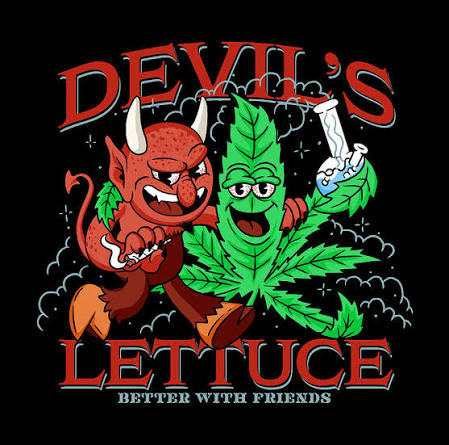
Pastors preached that cannabis was a gateway to sin, jazz, and loose behavior. Which, ironically, made it sound more fun.
4. But let’s be clear. The whole country bought the lie.
From California to New York, lawmakers, newspapers, and civic groups all joined the panic parade. The South wasn’t alone. It was just louder, more dramatic, and more committed to the bit.
How Reefer Madness Still Shapes the Cannabis Industry Today
1. Criminalization that lasted generations
Decades of arrests of overwhelmingly targeting Black and brown communities created barriers that still affect who gets to participate in the legal industry. Source:ACLU racial disparity data. https://www.aclu.org/report/tale-two-countries-racially-targeted-arrests-era-marijuana-reform (aclu.org in Bing).
2. Stigma that refuses to die
Even now, people across the country acted like the church bulletin just burst into flames at the word “cannabis” like it’s a demon trying to get on the church roll. Source: Pew Research Center surveys on cannabis attitudes. https://www.pewresearch.org/short-reads/2024/03/26/americans-say-marijuana-should-be-legal/ (pewresearch.org in Bing).
3. Regulatory chaos
Because the plant was demonized instead of studied, the modern industry is still fighting inconsistent state laws, banking restrictions, and research barriers. Source: Congressional Research Service on cannabis policy https://crsreports.congress.gov/product/pdf/R/R44782 (crsreports.congress.gov in Bing)
Source: FDA on research limitations https://www.fda.gov/news-events/public-health-focus/fda-and-cannabis-research-and-drug-approval-process (fda.govin Bing).
4. Misinformation still shapes public opinion
People trust alcohol, a literal toxin, more than a plant with thousands of years of medicinal use. Source: CDC alcohol toxicity data; NIH cannabis research summaries. https://www.cdc.gov/alcohol/fact-sheets/alcohol-use.htm(cdc.gov in Bing)
Source: NIH cannabis research summaries https://nida.nih.gov/publications/research-reports/marijuana/what-are-marijuanas-effects (nida.nih.gov in Bing)
Despite the chaos, the cannabis industry is doing what Americans do best. It’s taking something messy, misinformed, historically wrong and turning it into something useful. We now have terpene education, standardized dosing, medical research, legalization movements, and a whole generation saying, “Wait. Y’all lied to us?” Reefer Madness may have started the conversation, but it sure as hell won’t end it.
So, here’s to the end of Reefer Madness thinking. May it finally be laid to rest next to corsets, bloodletting, and the belief that margarine is healthier than butter. And may the next time someone Southern, Northern, coastal, or corn‑fed tries to warn you about the “dangers” of cannabis, you smile sweetly and say “Honey, the only madness here is believing a 1936 propaganda film over actual science.”
“Reefer Madness didn’t just misinform America. It became the blueprint for 80 years of bad policy, demonizing religious communities, and political theater. The only thing it ever got right was the jazz.”
And let’s end with this, loud enough for the folks in the back who still think the smell of cannabis is going to send them straight to glory. The scent of burning cannabis will not make you instantly die. It won’t stop your heart. It won’t melt your morals. It won’t summon jazz musicians to corrupt your children. It won’t even give you a contact high unless you’re basically hotboxing inside a broom closet with Snoop Dogg.
We have survived Reefer Madness, the propaganda, survived the sermons, survived the politicians who swore a whiff of weed would turn the whole country into a jazz‑fueled apocalypse. We survived the lies. So now? You can survive the smoke. Or if the smell of a plant sends you into a full spiritual crisis, you are absolutely free to march around town in a gas mask like you’re training for the CDC Olympics. That’s between you, your lungs, and your HOA. But the rest of us? We’re done pretending the air is dangerous just because the truth finally burned hot enough to rise.
And let’s be honest. Nobody throws a fit over the smell of cigarette smoke. You can walk through a parking lot littered with butts, past a bar that smells like regret and menthols, and not one person starts a moral crusade. Alcohol? Legal, glorified, and sold next to the Lunchables despite being a literal toxin that’s wrecked more lives than cannabis ever could. But one whiff of weed and suddenly folks are acting like they’ve been personally attacked by a cloud. If you can survive the scent of stale beer and your uncle’s Marlboro breath, you can survive a terpene breeze without filing a complaint to the HOA.
Affirmation: I am stronger than propaganda and calmer than a 1936 panic attack.
***Don’t forget to watch the video!***
#ThisPuzzledLife
 This Puzzled Life