
Designer Drugs: The Chemical Experiments

“People will continue to die. People will continue to have adverse reactions. People will continue to live with the consequences of their choices down the road.”

-Jan Rozga, a mother whose son committed suicide after smoking synthetic marijuana

Light the charcoal. Sprinkle the sage. Negative energy go away. Today, I want to dive into a subject that most have heard of but don’ t know a lot about. The topic is designer drugs.

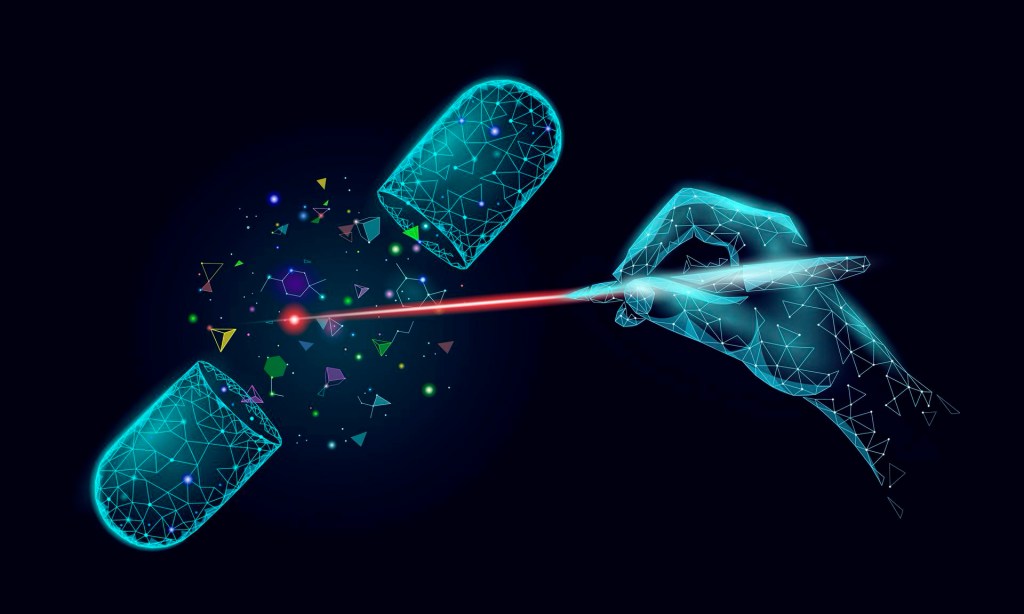
You don’t need to be a scientist to understand designer drugs. You just need to know this. Designer drugs are chemicals made to look harmless, but they can be far more dangerous than the drugs they imitate. They show up in places parents don’t expect. They’re marketed in ways that feel safe. And they’re evolving faster than most families can keep up with. Designer drugs are created by changing the chemical structure of existing drugs just enough to make them.
  • Harder to detect
  • Harder to regulate
  • Easier to sell

They’re often sold as:

  • Vape cartridges
  • Edibles
  • Pills that look like Xanax, Adderall, or Percocet
  • “Herbal incense” (K2/Spice)
  • “Bath salts”
  • Powders labeled “not for human consumption”

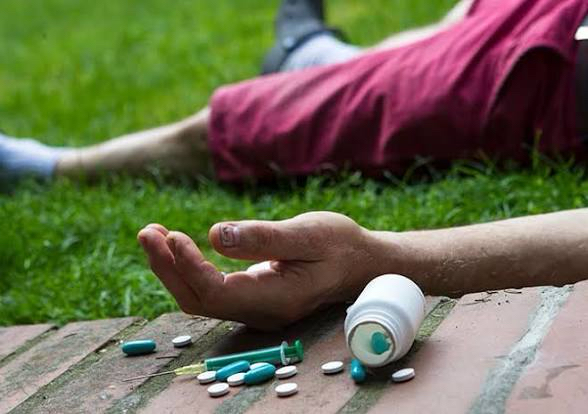
The packaging looks harmless. The chemicals inside are anything but harmless. Most young people who encounter designer drugs don’t realize they’re using something synthetic. But designer drugs are often mixed into these products without the user’s knowledge. That’s why overdoses happen even when someone thinks they’re being careful.

Designer drugs can be more dangerous than the ones they’re attempting to mimic. According to the National Institute on Drug Abuse, these substances can be:

  • More potent
  • More unpredictable
  • More toxic

Some new synthetic opioids (like nitazenes) are so strong that a few grains can be fatal. Some synthetic cannabinoids (fake weed) can cause:

These reactions can happen on the first use, even in small amounts.

The 2024 Synthetic Cannabinoid/Designer Drug Listing identifies several new chemicals now appearing in toxicology screens, including:

To the average person like myself, these letters are meant to confuse, not to inform. Parents don’t need to memorize the names. They just need to know new chemicals appear constantly, and they’re often more dangerous than the ones before. The signs of designer drug use aren’t always obvious. Because these drugs vary so much, symptoms can look like:

If something feels “off,” trust your instincts. Designer drugs don’t follow predictable patterns. And as parents, we must listen to our gut about our children and their behavior.

What Can Parents Do Right Now?

  • Stay curious, not judgmental. Kids talk more when they feel safe.
  • Learn the basics. You don’t need to be an expert only informed.
  • Watch for sudden changes. Mood, sleep, appetite, or behavior shifts matter.
  • Talk early and often. Not just during crises.
  • Normalize asking questions. “If you ever see something weird, you can always ask me.”

You don’t need perfect answers. You just need presence. The goal isn’t fear. It’s awareness. You don’t have to lecture. You don’t have to scare. You don’t have to know every chemical name. What matters most is creating a space where your child feels safe saying:

  • “I saw this at school.”
  • “Someone offered me this.”
  • “I don’t know what this is.”

Open conversations save lives. Shame and silence do the opposite.

At the end of the day, every conversation about designer drugs comes back to one simple truth: we’re all just trying to keep the people we love safe in a world that changes faster than any of us can track. These substances aren’t just chemical formulas or scary headlines. They’re real risks that touch real families, often without warning.

But knowledge is a kind of light. And when we shine that light into the shadows, fear loses its power.

If you’re a parent, a guardian, a mentor, or simply someone who loves a young person, your presence matters more than you know. You don’t have to be perfect. You don’t have to have all the answers. You just have to stay open, stay curious, and stay willing to talk about the hard things before they become emergencies. Because the truth is this: Connection protects. Conversation protects. Awareness protects.

And remember, you’re not alone. Every step you take toward understanding is a step toward safety, compassion, and a future where the people you love feel seen, supported, and empowered to make choices that honor their lives. Thanks for reading! Keep moving forward. 

Affirmation: I am in control of my decisions.

***Don’t forget to watch the video!***

#Thispuzzledlife
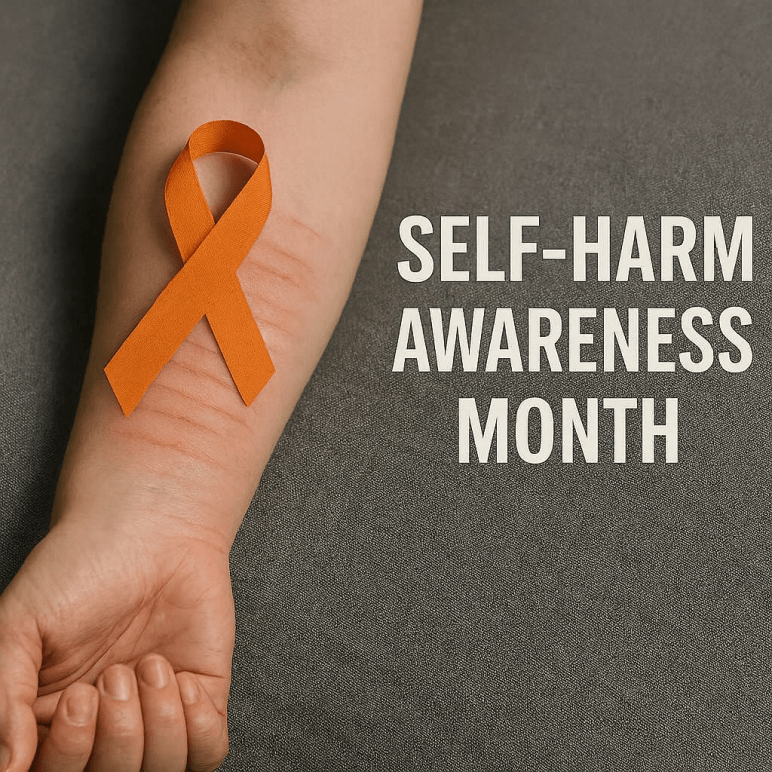
Self‑Harm Awareness Month: Where Growth Happens and My Nervous System Tries Its Best

“I didn’t choose the healing journey. The healing journey chose, dragged me and asked for gas money.”

-Unknown

Light the charcoal. Sprinkle the sage. Negative energy go away. It’s Self‑Harm Awareness Month, and if there’s one thing this month teaches us, it’s that healing is messy, sacred, and occasionally accompanied by a cat sitting on your chest like a furry emotional support paperweight.

Self‑harm is one of those topics people whisper about like it’s Voldemort, taxes, or the time they accidentally liked their ex’s Instagram post from 2014. But here? We talk about it with honesty, compassion, and the kind of humor that keeps us from spontaneously combusting. Self‑harm isn’t about attention. It’s about pain. And the people who say otherwise are usually the same ones who think essential oils can cure a broken femur.

Self‑harm doesn’t happen because someone is weak. It happens because someone is overwhelmed, hurting, or trying to survive emotions that feel too big for one body. It’s a coping mechanism. Not a character flaw. But the world loves to misunderstand what it doesn’t want to deal with. People will say things like, “Just think positive!,” “Have you tried yoga?,” “My cousin’s neighbor’s dog used to feel sad too.” Ma’am. Self‑harm is not cured by downward dog or inspirational throw pillows.

Let’s look at how the addiction occurs. The brain notices that shift and files it under: “This worked.” Not because it’s healthy. However, because it changed the emotional state quickly. The body reinforces it by sending a rush of endorphins, adrenaline, and dopamine. These chemicals temporarily reduce emotional pain or numbness. That relief, even if brief, can make the brain want to repeat the behavior. This is the same reinforcement loop seen in many addictions. Next, the cycle becomes automatic. And with overtime urgency , the brain starts linking stress → self‑harm, numbness → self‑harm, shame → self‑harm, and emotional overload → self‑harm. It becomes a reflex. A pattern, not a personality trait. A survival strategy, not a moral failing. And then shame strengthens the cycle. People who self‑harm often feel guilt, embarrassment, fear of being judged, or the pressure to hide. Those feelings can increase emotional distress. Which can then trigger the urge again. It becomes a loop that’s incredibly hard to break alone. And finally, it’s not about wanting to die. For many people, self‑harm is about wanting to feel something, wanting to feel less, wanting control, wanting relief, and wanting the emotional noise to stop. It’s a coping mechanism that becomes addictive because the pain underneath it is overwhelming. People don’t heal because they’re scolded. They heal because they’re understood.

What does help? Why don’t you try some compassion, support, safe conversations, professional care, people who don’t minimize your pain, and a community that refuses to let shame win. Some days you glide. Some days you wobble. Some days you crash into a display of discounted cereal and pretend it was part of your spiritual journey. Healing is allowed to be imperfect. You are allowed to be imperfect. You are allowed to take up space while you figure things out. “Keep going. Rest when you need to. And stop carrying pain alone.” You deserve support. You deserve compassion. You deserve to be here. And you deserve to heal without shame breathing down your neck like a judgmental church lady.

Self‑Harm Awareness Month isn’t about fear. It’s about understanding. It’s about breaking silence. It’s about reminding people they’re not alone. Not now, not ever. So, here’s to choosing growth even when it feels like a group project we didn’t sign up for, choosing compassion even when our patience is on backorder, choosing to stay when our brains are acting like and the whole system is like, “Ma’am, I was not built for this.”

Then light your sage, drink your water, moisturize your spirit, and strut into the rest of the month like a woman who has survived every plot twist life has thrown at her. Including the ones that arrived unannounced, barefoot, and holding a casserole of chaos. Because you’re still here. You’re still growing. And honestly? You’re doing better than half the people who think essential oils are a personality. 

And as we wrap up this emotional rollercoaster of a topic, complete with sage smoke, hydration, and my nervous system acting like it’s auditioning for a disaster movie. It is like trying to assemble IKEA furniture with no instructions, three missing screws, and a mysterious extra piece that definitely wasn’t in the box. I’ve also realized something important. And it is that healing is basically like trying to reboot a Wi‑Fi router from 2007. You unplug it, you wait, you pray, you bargain, you threaten it, you light a candle, and somehow it still blinks at you like, “Girl, I’m doing my best.” Same, router. 

Here’s to all of us out here choosing growth even when our brains are running on 3% battery. Choosing compassion even when our patience is on backorder. And choosing to keep going even when life feels like a Walmart parking lot at 2 a.m. You’re doing your best, you’re sweating, you’re questioning your life choices, and at some point you whisper, “If this thing collapses, I’m blaming Sweden.” Thanks for reading and remember, Healing is holy, humor is medicine, and you are too stubborn to give up now. But you keep going. Because that’s what we do. And if anyone tries to judge your healing journey, just smile sweetly and say, “Sweetheart, I’m busy becoming emotionally stable. I don’t have the bandwidth for your nonsense.” Thanks for reading! Get educated.

Affirmation: I honor my healing by choosing compassion over shame, boundaries over chaos, and growth over the nonsense that used to break me.

***Don’t forget to watch the video!***

#ThisPuzzledLife