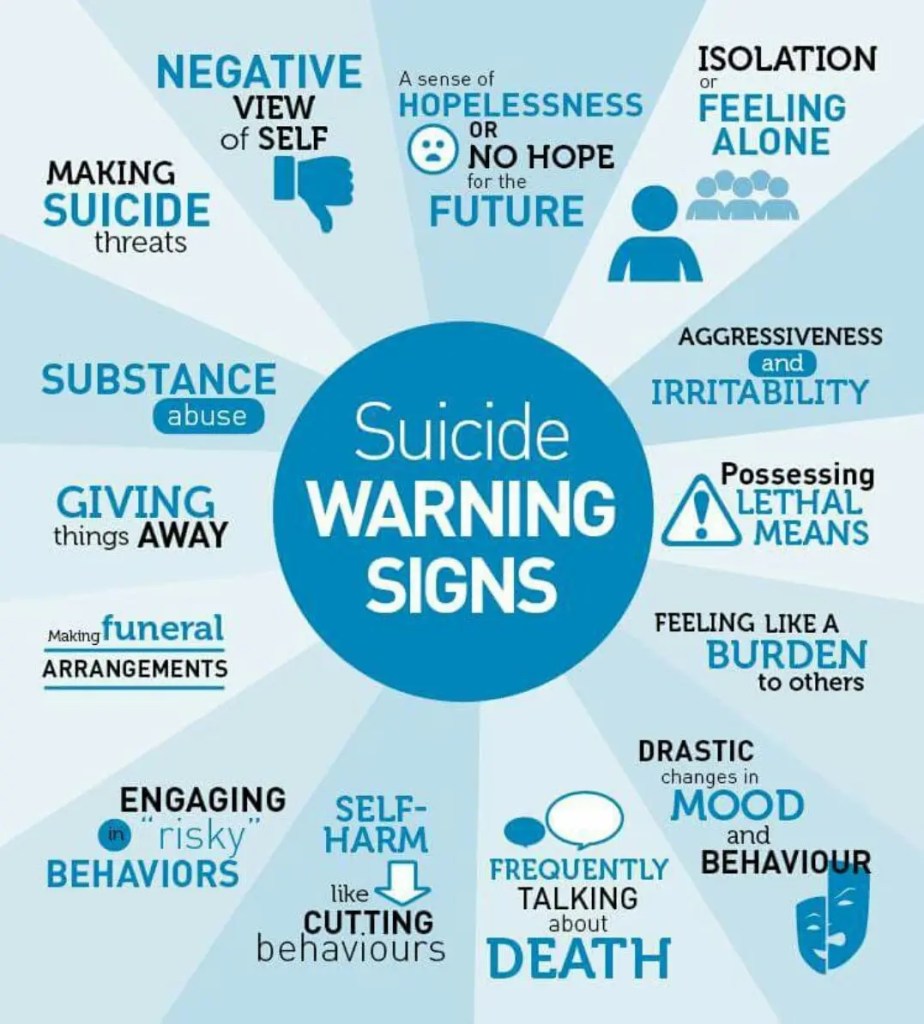

Domestic Violence And Animal Cruelty

“The connection between domestic violence and animal cruelty is so significant that it is commonly referred to simply as “the Link.” Perpetrators of domestic violence often threaten harm or bring actual harm to their victims’ pets in order to control them, keep victims from leaving, or to punish them for actually leaving or attempting to leave.”

-ASPCA.org

Light the charcoal. Sprinkle the sage. Negative energy go away. Today, I want to discuss domestic violence and pets. I won’t pretend that this topic is going to be easy to digest. However, it’s one that needs to be brought into the light.

Many of us sometimes love our animals more than people. I know, speaking only for myself, that my animals have always been a source of comfort, unconditional love, and understanding that many people can’t fully embody. They have never spoken a word as their compassion is in their eyes. And all they ask for is to be fed and also loved in return. That is, it. Nothing more. Nothing less.

My personal experience with domestic violence is knowing that absolutely nothing is off limits. And it is their cruelty that can always get worse. Do some abusers change? Yes. But if they are not willing to do self-reflection and to look at their own traumas and behaviors, then they will not change. And most blame their actions on the victim.

Please Read The Following:

     Up to 75% of women entering DV shelters report that their abuser threatened, harmed, or killed their pets in the presence of children (safehouse.org, 2024).

     Up to 65% of domestic violence victims and 48% of battered women remain in abusive homes out of fear for their pets.

     Only around 5% of U.S. shelters have any kind of housing for pets of domestic violence victims (https://www.drmartybecker.com, 2017).

Why Do Abuser Use Pets To Terrorize Their Human Partners?

·        Creating fear: Abusers may torture or kill a pet to demonstrate what they are capable of doing to their human victim or their children.

v  There were many times when I saw and heard my ex-husband’s violence against my animals. He would muzzle my outside dogs all night long most of the time. And he would beat my cats with a belt if they meowed at night. He also scared my cats so much with a broom that they began to have a very strong fear reaction for many years following me leaving him.

·        Leverage to prevent escape: Many women fear for their pet’s safety is the primary reason they delay leaving an abusive relationship.

v  One of his favorite things to say was, “One day you’re going to look up and all of your animals will be gone. You just might come home one day, and they will have vanished.”

·        Punishment and retaliation: Abusers may harm a pet as punishment for a perceived transgression or in retaliation for a partner trying to leave.

v  After 13 years of being in a domestic violence situation, and over a year of planning my departure, I left him hoping things would cool down enough to go back and get my animals as a way of saying, “I’m done.” Two weeks later, I went back to retrieve my animals, and most had been starved. There was no water. A few of the ones remaining had been eaten by other animals or were mysteriously cut in half. On that day, I was able to get out two cats and my African Grey parrot. Only three of the many that I owned. My cats were starving and had old, moldy food. My bird had moldy food and dirty water. My outside cats were nowhere to be found. And my dogs had been shot which was witnessed by a neighbor. And the sights and smells can never be undone.

·        Forcing participation: Some women survivors tell about how they were forced to participate in illegal acts under threat of harm to their pets.

v  Luckily, I was never forced to do this. Because they would’ve had to do something for me. Because I don’t have the capability to hurt my pets.

“Seeing her hurt was more than I could bear. 

I couldn’t and wouldn’t leave my pets.”

-Sarah, DV Victim

Women have reported:

“He kicked the dog repeatedly until it was howling in pain.”

“He put his hand into the goldfish bowl in front of my five-year-old daughter and squashed the goldfish, for no apparent reason.”

“I can remember an instance when he picked the cat up and with full force drop-kicked it from the back door. He did it because he saw the cat on the workshop. I thought the cat might die.”

“He would refuse to allow us to feed the dog-saying he was ugly.” (https://pmc.ncbi.nlm.nih.gov, 2008).

Resources for victims who want to leave with their pets:

·        National Domestic Violence Hotline 1-800-799-SAFE (7233).

·        The Purple Leash Project

o   Our goal: To see 25% of domestic violence shelters become pet-friendly by 2025.

·        Safe Havens for Pets

o   For pets are sheltering services that help individuals who are experiencing domestic violence or homelessness with a companion animal (https://www.safehavensforpets.org, 2023).

·        RedRover Relief

o   Mission is to “bring animals out of crisis and strengthen the bond between people and animals through emergency sheltering, disaster-relief services, financial assistance, and education.

·        URINYC PALS (New York City)

·        Paws for Safety (Rockland County, New York)

·        Praline’s Backyard (Snellville, Georgia)

·        Ahimsa House (Georgia)

·        Shelter our Pets (New Jersey)

·        Network for Pets of Domestic Violence Victims (www.npdvv.org).

·        This is a list of pet-friendly domestic violence shelters (https://saftprogram.org2025).

I completely and unapologetically understand the fear that abusers instill in victims about their victims and their pets. I encourage you to seek help by way of organizations that are listed here and the many others that I don’t have the space to acknowledge. Animal abuse is a crime in all 50 states. And  each state has anti-cruelty statutes that include felony-level provisions for acts of violence against animals. 

And they will “love bomb”  and abuse you until you concede. That is part of their “reign of terror.” They are master manipulators and will suck the soul from your mind and body. And then tell people that you enjoyed it. It is imperative for you and those you love, including your pets, to find a way out of that situation. I beg you to please continue searching for help in every way possible. Because they will do it again. And candy and flowers won’t make it better.

Thanks for reading even though difficult it may be. Please seek help for those you love even if that is for yourself. You and your pets are worth the love and compassion that is waiting for you all. Keep reading. Keep hope alive.

Affirmation: I forgive myself for believing all relationships are abusive and violent.

***Don’t forget to watch the video!***

#Thispuzzledlife


Domestic Violence Myths

“Leaving is so hard because your confidence is destroyed. You feel trapped.”

-Unknown

Light the charcoal. Sprinkle the sage. Negative energy go away. Today, I want to talk to you about some common misconceptions about domestic violence. Sit tight. These myths and truths will help to dispel some of the things that you might have been told.

1.        Myth: Domestic abuse is a “family matter” and the community should not interfere.

Fact: Domestic abuse is against the law making it everyone’s business.

2.        Myth: Domestic abuse affects only a small percentage of the population.

Fact: One-third of American women report being physically or sexually abused by a partner.

3.        Myth: Only men abuse women.

Fact: Statistics show that 85% of domestic abuse victims are women and 95% of perpetrators are men. However, men are abused by women also. And the rate of  Gay, Lesbian, Bisexual and Transgender communities are at the same rate as heterosexual relationships.

4.        Myth: Only low-income families and minorities experience domestic abuse.

Fact: Domestic abuse in every area of society. Most previously recorded statistics are skewed due to the numbers coming from public agencies, city hospitals, police departments, social service agencies, and the courts.

5.        Myth: Abusers are violent in all their relationships.

Fact: Most abusers are only abusive to a targeted intimate partner. Some abusers are successful in their professions and are very charming. And this is how they maintain power and control. This was how my ex-husband introduced himself. In front of people, he appealed to many. It was once we were not in front of people that the abuse occurred.

6.        Myth: Domestic abuse is caused by mental illness.

Fact: Personality disorders, mental illness, poor impulse control, and generational abuse do not cause domestic abuse. Even in cases where a particular mental illness may cause a person to be abusive, the abuse is not specifically targeted at one person but to everyone around during the episode.

7.        Myth: Domestic abuse is caused by drugs and alcohol use.

Fact: Where drugs and alcohol are often associated with domestic abuse, they do not cause the violence. My ex-husband never used drugs and alcohol. He was just mean and very controlling.

8.        Myth: Abusers are violent because they cannot control their anger and frustration.

Fact: Abusers use anger as an excuse to rationalize or blame their abusive behavior: anger is not a cause of abuse; it is a conscious choice made by them. I was always told that “I was the cause of his anger.” So, in some way, I was made responsible for his behavior. When in actuality, he is responsible for his own behavior.

9.        Myth: Therapy will stop the violence. If he/she goes to therapy, it will be safe at home.

Fact: Referral of a batter to is one of the strongest predictors that a victim will return to violence. However, research on the effectiveness of treatment  for batters are inconclusive. What is known is that there’s a 50% drop out rate in these programs by those who do enroll.

10.   Myth: Boys in violent homes will grow up to be battered and girls will be victims.

Fact: Not all children who grow up in homes where there is domestic abuse are directly abused or grow up to  become victims or abusers. It is important to note that children from homes where domestic violence abuse occurs are at greater risk for all of these outcomes than children from homes where  there is no violence.

11.   Myth: Even if he/she is violent, it is better for the children to have both parents. Children aren’t negatively affected by domestic abuse unless they are actually abused.

Fact: Witnessing violence as a child is associated with adult reports of depression, trauma-related symptoms and low self-esteem among women, and trauma-related symptoms among men. Child witnesses of domestic abuse on average exhibit more aggressive and antisocial behaviors, fearful and inhibited behaviors, anxiety, depression, trauma symptoms, temperament problems, and lower social competence, than children who do not witness such violence. Youth who witness domestic abuse are more likely to attempt suicide, abuse drugs, and alcohol, run away from home, commit other delinquent behavior, engage in teenage prostitution, and commit sexual assault crimes (https://law.arizona.edu/sites/default/files/myths_and_realities_of_domestic_abuse.pdf, 2003).

I hope that you’ve been able to put some of these myths to rest. From someone who has gone through domestic violence, my perpetrator never though that he was doing anything wrong. And when I presented the need for therapy I was told, “I don’t need to go to therapy because you are the problem.” When the actual problem was that he didn’t want to look at the reality of his own actions and behaviors. And he continues to be that way. Keep reading and stay safe!

Affirmation: I forgive myself for believing I have to stay in the relationship until the person changes.

***Don’t forget to watch the video!***

#Thispuzzledlife
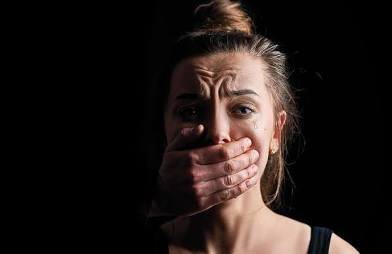
National Domestic Violence Awareness Month

“Never stop fighting for your freedom, you are worth it.”

-DA Survivor-Anon

Light the charcoal. Sprinkle the sage. Negativity energy, go away. Today is the beginning of Domestic Violence Awareness Month. This month is when our voices from all over the globe will be heard. We as victims, survivors and warriors bring to light the horrors of domestic violence and the impact that it leaves on our lives and those around us. Let’s take time out for a little education on a few of the topics surrounding domestic violence.

Domestic Violence is a topic that I know a lot about. Well, I know how to function in it. And I know how to get away from it. But living with the aftereffects reveal a whole other set of problems. Where domestic violence used to be seen as something that only happens to women and their partners. There is more awareness on the abuse of men by their partners. No matter how you identify. It also happens to the most innocent, children and pets. This happens in all forms of relationships. And the statistics are staggering.

Domestic violence is violence committed by someone in the victim’s domestic circle. Which include partners and ex-partners, immediate family members, and other relatives and family friends (https://www.UN.org, 2025). The behaviors can include such things as:

·        Physical

·        Sexual

·        Emotional

·        Financial

·        Psychological actions or threats of actions that influence another person.

This includes any behavior that intimidate, manipulate, humiliate, isolate, frighten, terrorize, coerce, threaten, blame, hurt, injure, or wound someone. The repetitive exposure to violence teaches children that violence is a normal way of life (https://dvcc.delaware.gov, 2025). And for those of us who leave, constant confusion and every minute of no knowing when something else will happen again, is our normal. And the many years of programming by our abusers takes years of therapy to de-program ourselves. But you will never be who you used to be.

Recovery is not for the faint of heart. It is hard and uncomfortable. And it takes years to undo the damage that was caused on so many levels. I was one of the lucky ones. Long story short, I survived. But the mental damage that was caused has left me crippled in some ways. And through the sleepless nights filled with tears, therapy, psychiatric medications, body memories, flashbacks, phobias, and panic attacks, I have learned that I have a voice that deserves to be heard. And no matter what people say or believe, I can validate my own story regardless of the opinions of others. Because I lived it. 

The main thing I want to say to other women and men across the globe who are still in their own processes, “YOU ARE NOT ALONE!” Because it happened to me too. Thanks for reading! Keep smiling and pushing forward.

Affirmation: My light shines even in the dark.

***Don’t forget to watch the video!***

#Thispuzzledlife
SUICDE AWARENESS AND PREVENTION GROUPS PART 2

“I had gotten to the point where I was suicidal every day for six straight years…On that day, I made a choice. The choice to live, the choice to get better for me.”

-Justin

Light the charcoal. Sprinkle the sage. Negative energy, go away. Today, I want to tell you about a couple more suicide awareness and prevention groups. I wish I could cover them all. Unfortunately, there are just way too many. Please familiarize yourself and those you love and are affected.

Stop Soldier Suicide 

This is the only national nonprofit focused on solving the issue of suicide among U.S. veterans and service members. They have an aggressive goal of reducing the suicide rate by 40% by 2030. Veterans are at a 58% higher risk of suicide than those who haven’t served.

Other statistics about veteran suicide:

·       6,407 veteran suicides in 2022.

·       22 consecutive years with 6000+ veteran suicides.

·       140K+ veterans have died by suicide since 2001.

·       Second leading cause of death in veterans under age 45.

·       The rate of veteran firearm suicide has increased by 65%.

·       The suicide rate among veterans ages 18-34 has more than doubled.

·       Western states have experienced the greatest increase in veteran suicide rate, increasing by 55%.

·       31% Depending on branch, up to 31% of service members develop PTSD after returning from combat.

·       7x the rated of suicide for veterans in the LGBTQ+ community is up 7x higher that for non-LGBTQ+ veterans.

The organization’s impact on veteran suicide.

·       90%+ of our most at-risk clients completed a crisis response plan in 2023, giving them tools and resources to cope in moments of crisis.

·       73% of clients experienced a decrease in thoughts of suicide over the course of treatment.

·       92% of clients who were meaningfully engaged in our care showed some improvement in mental wellbeing by the end of treatment (www.stopsoldiersuicide.org, 2025).

The Trevor Project

The Trevor Project was founded in August 1998 by the creators, James Lecesne, Peggy Rajski, and Randy Stone, of the Academy Award-winning short film “Trevor.” The film was about a gay teen who attempted suicide. The filmmakers then established a crisis hotline for LGBTQ+ youth after realizing that there was not a resource available. They have since expanded services to include text and chat support and resources for parents, schools and others seeking support for LGBTQ+ support (https://obamawhitehouse.archives.gov, 2025).

Crisis Services: Providing counseling support services for LGBTQ+ young people 24/7 all year around.

Peer Support: Providing  an affirming international community for LGBTQ+ youth.

Advocacy: Working to change hearts, minds, and laws in support of LGBTQ+ lives.

Research: We conduct research studies to equip policymakers and other LGBTQ+ youth providing professionals.

The Mission

To end suicide among LGBTQ+ youth by providing crisis support, suicide prevention resources, and educational programs (www.thetrevorproject.org, 2025).

Thanks again for reading. The more education and resources we can provide each other with, the better the outcomes for us all. Please pass this information along to anyone who could benefit. I am one of those who suicide has affected my life in epic proportions. I am also one who continues to fight for understanding and compassion in a world that is lacking.

Affirmation: I am not alone, and others care about me.

***Don’t forget to watch the video!***

#Thispuzzledlife

Suicide Awareness And Prevention Groups

“Grit your teeth and let it hurt. Don’t deny it. Don’t be overwhelmed by it. It will not last forever.”

-Harold Kushner

Light the charcoal. Sprinkle the sage. Negative energy go away. Keeping in line with suicide awareness, I thought I would talk about a couple of groups that reflect awareness and prevention. There are so many groups out there that stay along these same lines. And I wish that I could spotlight them all.

To Write Love On Her Arms

This group is a nonprofit group dedicated to presenting hope and finding help for people struggling with depression, addiction, self-injury, and suicide. Jamie Tworkowski set out only to help a friend and to tell her story. When he met Renee Yohe, she was struggling with addiction, self-injury, and suicidal thoughts. He wrote about spending five days with her prior to her entering a treatment facility. And he began selling t-shirts to help fund her treatment by posting them on Myspace. Soon people from all over the world began contacting him and telling him about their struggles and heartbreaks. And in 2007, TWLOHA became an official organization. 

Here are some numbers associated with their organization:

·       210,000 messages from individuals in over 100 countries.

·       3.8 million miles have been traveled to meet people in their communities.

·       1,100+ blog posts and launched a podcast.

·       56,000 find help tool searches.

·       27,000 fulfilled merch orders

·       $3 million donated to treatment and recovery.

WE BELIEVE:

You were created to love and be loved.

People need other people.

Your story is important.

Better days are ahead.

Hope and help are real.

(www.twloha.com, 2025).

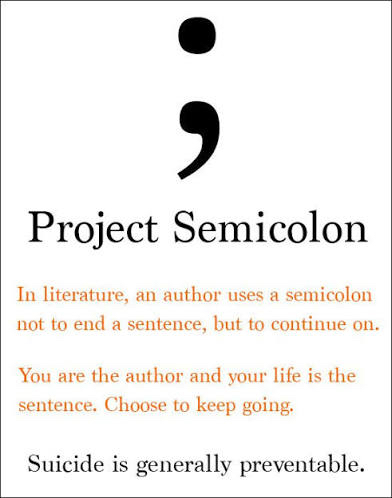
The Semicolon Project

It is an online community that began in 2013, when Amy Bleuel created it to honor her father, who died by suicide. The organization centers around mental health awareness and suicide prevention. The World Health Organization (WHO) reports a 25% increase in anxiety and depression during the first year of COVID-19. That combined with the nation’s political instability characterized by protectionism and unilateralism has led to strained international relations. And the stress funnels down to our families and personal stories. 

The semicolon represents a continuance of life where a period could have easily ended the story. There have currently been over 89,000 assessments completed. 5,336 journal entries shared. And have provided direct support to 214 individuals. Semicolon badges in Apex Legends and Call of Duty has reached over 1.3 million gamers and additionally 50 new chapters. And 84% of Project Semicolon members report that the organization has saved with lives in times of crisis (www.projectsemicolon.com, 2025). 

Mission Statement

Our mission is to empower individuals with mental health experiences to embrace their journey and recognize that their story is far from over.

I hope that you can take something from this information. Please take what you can use and leave the rest. And please pass along the information to someone who can benefit. Even if that someone is you. Keep smiling! And do not be afraid to reach out for help.

Affirmation: There are other ways to end my pain, even if I cannot see them right now.

***Don’t forget to watch the video!***

#Thispuzzledlife
Veteran Suicide

“The soldier above all others prays for peace, for it is the soldier who must suffer and bear the deepest wounds and scars of war.

-Douglas McArthur

Light the charcoal. Sprinkle the sage. Negativity energy, go away. Today, I want to discuss veteran suicide. I know that this topic has seemed to get old and fast. However, I believe that the more we talk about the harshness of life, the more the stigmas will begin to disappear.

In 2022, the most recent year for the current data, 6,407 veterans and 41,484 nonveteran adults died by suicide. The rate among veterans was 34.7 per 100,000 compared to 17.1 per 100,000 for nonveterans. Since 2005, veteran suicide has risen faster than any other group. And these rates are unacceptable.

The veterans who died by suicide in that year, 40% were under the care of the Veterans Health Administration. Among those patients, who were also diagnosed with a mental health disorder or substance abuse disorder, there were 56.4 per 100,000, which was twice the rate of those without a diagnosis. And among 1,548 veterans who died by suicide 64% were diagnosed with depression, 43% had an anxiety disorder, 40% had PTSD, and 32% had an alcohol use disorder. However, the highest suicide rates were associated with veterans who had sedative use disorder which include benzodiazepines, barbiturates, and opiates (www.rand.org, 2025). And the stigma about mental health in the military further increase this problem.

Aspects of Veteran Mental Health stigma:

·       Fear of judgment and perception:  Veterans worry about how seeking help will affect all areas of their lives and especially on career repercussions.

·       Military culture: The “warrior ethos” which emphasizes self-reliance and stoicism create barriers to seeking help.

·       Loss of security clearance: Some fear that seeking mental health treatment will lead to revocation of security clearances.

·       Impact on treatment: stigmas can lead to untreated mental health conditions, substance abuse and increased risk of suicide.

·       Self-stigma: Veterans may internalize negative societal views about mental health which can lead to shame, self-blame, and more reluctance to seek help (https://oxfordtreatment.com, 2025).

As an advocate for medical cannabis, I believe that our veterans should be given an ounce of cannabis the minute their feet hit US soil upon returning from active duty. As I personally deal with PTSD, there is not another medication on the planet that can bring me relief like cannabis can. And it’s such a safer alternative to alcohol, opiates, and benzodiazepine medications.

Currently,  the Safe Healing Act, which was introduced on February 4, 2025,  is designed to prohibit the Secretary of Veterans Affairs from denying a veteran benefit administered by the Secretary by reason of the veteran  participating in a State-approved marijuana program and other purposes. But unfortunately, there is only a 3% chance of being enacted (www.govtrack.us, 2025). And I consider this utterly ridiculous. There is an unmistakable problem with veteran suicide. It appears Big Pharma is still in the way of progress. I wonder how many people who oppose this bill must suffer, daily, with the horrible effects of PTSD, anxiety, and chronic pain that “Big Pharma” can’t seem to help?

Our returning soldiers are faced with horrors that no one understands until they’ve been there. And though I have never served our country, I can tell you that the above-mentioned mental health disorders have also almost taken my life many times. The symptoms are horrific in nature. Put chronic pain in the mix and suicide often seems like the only answer to have a break, though it be permanent, for even a moment of peace.

Veterans, in my eyes, should be held to the utmost respect. They should be the highest paid employees before professional athletes. And we as a country should make sure that the best treatment is available to them for the rest of their lives. Some have paid the price of their lives on the battlefield. And a high percentage of others pay with their lives when they return home. But instead of treating them like the heroes like they are, they are often discarded by the government that they so proudly serve. 

Is cannabis the only answer? Not at all. However, while they find the modality that works for them, I think that cannabis could lighten the load and make their futures seem a little brighter. Discarding them along with all the judgmental stigmas only adds to the problem. And until this is rectified, we will continue to lose those beautiful people who are willing, at any moment, to lay down their lives for our freedoms. Shame on the United States of America for treating them like that!

I know reading this is not easy. But we as a nation must stand up for these individuals who continue to pay the price every time, they open their eyes. Let’s get past the “reefer madness” ignorance and allow our veterans the opportunity to extend their lives at home. A special thanks and salute to one of my favorite veterans who I’ll call Joe. Thanks for reading! And God Bless America!

Affirmation: Bring out your inner warrior

***Don’t forget to watch the video!***

#Thispuzzledlife

Common Myths About Suicide

“When you feel like giving up, just remember why you held on for so long.”

-Hayley Williams

Light the charcoal. Sprinkle the sage. Negative energy go away. Today, I want to talk about some myths regarding the topic of suicide. I was first exposed to suicide at the age of thirteen. One of my friends and classmate committed suicide when we were in the eighth grade. As a child, how do you manage that? I can tell you that among all of the major events in my life that has changed me in some way, the day that I lost my friend to suicide will always rank high on my list. I think, though, that the biggest impact for me was how our teachers and school administrators dealt with the situation.

I grew up in the 1980’s when child and adolescent mental health was rarely recognized. And, honestly, my generation was sort of left with the attitude of “figure it out yourself.” Situations that left gaping wounds were merely glossed over. And so, me and other friends and classmates turned to a life of addiction and suicide. As a teen who was being abused daily by a teacher, and the complete lack of protection from the adults, I was forced to just “figure it out.” I did it in total “self-preservation mode.” The behaviors that I developed were not healthy, but they were there when no one else was.

In the 35 years since my friend’s suicide, I have lost a lot more friends. And sadly, I have built walls all throughout my life that continue to help me through my pain. The one thing that has seemed to resonate through the years is how religion constantly attacks those who have been through the most. And I grew up being marinated in the ideology that suicide was “selfish,” “a sin,” “immediate condemnation to hell,” “the easy way out” and the most “self-centered” act known to man. 

A lot of the “indoctrinating messages” I was raised to believe, life made me realize how very untrue and damaging they are and will continue to be. I have been on all sides of suicide. And from a personal standpoint, those beliefs couldn’t be any farther from the truth. Below are a few common myths regarding suicide.

Myth 1: Talking about suicide increases the chance a person will act on it.

Fact: Talking about suicide can reduce rather than increase suicidal ideations. It improves mental health related outcomes and increases the likelihood that someone will seek treatment.

Myth 2: People who talk about suicide are just seeking attention.

Fact: People that die from suicide have often told someone about not wanting to live anymore. And it’s always important to take it seriously. In my own family, these statements have rung true. Or most often, those statements are ignored.

Myth 3: Suicide can’t be prevented.

Fact: Suicide is preventable but unpredictable. Most people have experienced intense emotional pain, hopelessness and a negative view on life and the future. Suicide is a product of genes, mental illnesses and environmental risk factors. Intervention can and does save lives.

Myth 4: People who take their own lives are selfish, cowardly or weak.

Fact: People don’t die of suicide by choice. The emotional pain that they experience makes it difficult to consider different views. Have you ever turned a gun on yourself? I have.

Myth 5: Teenagers and college students are the most at risk of suicide.

Fact: Suicide rates for that age group is below the national average. The age groups with the highest rate of suicide in the U.S. are women 45-64 and men 75 and older. Suicide is a problem among all ages and groups.

Myth 6: Barriers on bridges, safe firearm storage and other actions that reduce access to lethal methods of suicide don’t work.

Fact: Limiting access to lethal means of harm is one of the most straightforward strategies to decrease the chances of suicide.

Myth 7: Suicide always occurs without warning. 

Fact: There are almost always warning signs before a suicide attempt.

Myth 8: Talk therapy and medications don’t work.

Fact: Treatment can and does work. I don’t agree with big pharma for many reasons. I guess, though, “life over limb.” Lives are saved with both therapy and medication. Therapy has saved my life for many years now. But finding the right one to work with can be taxing. Most people who are in the helping profession do help rather than harm (mayoclinichealthsystem.org, 2025).

Myth 9: You have to be mentally ill to think about suicide.

Fact: 1 in 5 people have thought about suicide at some time in their life. Not all people who die by suicide have mental illnesses at the time they die.

Myth 10: People who are suicidal want to die.

Fact: The majority of people feeling suicidal do not actually want to die; they just want the situation they’re in or the way they’re feeling to stop.

Myth 11: Most suicides happen in the winter months.

Fact: Suicide is complex and not just related to seasons or the climate. Suicide is more common in the spring and a noticeable peak on New Year’s Day.

Myth 12: You can’t ask someone if they’re suicidal.

Fact: Evidence shows that asking someone if they’re  suicidal could protect them (Samaritans.org, 2025).

Myth 13: Strong faith prevents suicidal thoughts.

Fact: Many deeply religious figures including biblical figures have experienced suicidal thoughts. The misconception that strong faith eradicates mental despair is false. Faith doesn’t guarantee protection from difficult emotions and struggles.

Myth 14: Suicide indicates a lack or abandonment of faith.

Fact: Suicidal ideation is viewed from different perspectives. Suicide does not inherently mean that someone has abandoned their faith.

Myth 15: Fear of religious repercussions is a sufficient deterrent for suicide.

Fact: For some maybe the fear of divine punishment can be a factor. However, many faith communities emphasize grace and forgiveness, even for those who die by suicide. And personally, I have rarely seen grace and forgiveness on this topic.

Myth 16: Religion or faith alone is enough to prevent suicide.

Fact: Studies show inconsistent findings regarding the protective effect of religious affiliation on suicide risk. It is crucial to understand that faith alone is not a guarantee against suicide and should not replace professional mental health interventions when needed (https://pmc.ncbi.nim.nih.gov, 2025).

I hope at the very least that some of the myths regarding suicide have been explained. My own personal suicidal feelings have been dismissed the majority of my life. And no amount of “bible beating” has ever helped. It has only made things much worse than they already are. And some of the statements made disguised as “help” by family members, are not help. The statements are just toxic. Saying that you have “x” amount of years living and never considered suicide isn’t helpful. Please don’t play therapist when you’re not one.

Put harmful judgments in the trash where they belong. Love and appreciate those that you love. Because it can all change in an instant. Quit making “their” suicidal feelings about “you.” Because it’s not. And always remember, “Just because someone has a smile on their face doesn’t mean that they’re not suicidal.” Thanks for reading! As always, take what you can use and leave the rest.

Affirmation: I am overcoming depression one step at a time.

***Don’t forget to watch the video!***

#Thispuzzledlife

What Are The Streets Saying? Inhalants

“The National Institute on Drug Abuse states, “The brain of a chronic toluene abuser is smaller compared to someone with no history of inhalant abuse.”

-Neil Rosenberg, M.D., NIDA Research Report

Light the charcoal. Sprinkle the sage. Negativity energy, go away. Today, I want to discuss something that many teenagers experiment with, inhalants. Abusing inhalants isn’t a new thing. As it was very popular 35 years ago. And when you’re a kid without access to money, getting “high” is just a short walk away to the family utility shed. I’ll give you some facts. And then I’ll tell my story.

First, let me describe what “huffing” is even though it’s self-explanatory. Huffing is the act of inhaling chemical vapors from common household products to get high. And it’s a dangerous form of substance abuse. Even though it might seem less risky, huffing can be even more dangerous with potentially severe and fatal consequences (https://evokewellnessoh.com, 2024).

The primary chemical in many dusters is HFC-134a, which act as propellant and refrigerant. Inhaling duster fumes can be dangerous. It can lead to serious side effects such as liver problems, breathing problems and death. Duster and other inhalants aren’t considered control substances and can be bought most anywhere.

Air dusters also contain other ingredients such as:

·        Difluoroethane can cause heart issues and loss of consciousness.

·        Nitrous Oxide can cause dizziness, vomiting and nausea.

·        Alkyl Nitrites can cause increased heart rate or vomiting.

·        Butane can affect the heart leading to sudden death.

·        Propane which can cause convulsions and loss of consciousness.

Other possible side effects are:

·        heart irregularities

·        unconsciousness

·        irritation of the nose, throat, and lungs

·        coughing

·        difficulty breathing

·        shortness of breath

·        irregular pulse

·        palpitations

·        inadequate circulation

·        abnormal kidney function

·        frostbite of the nasal cavity

·        breakdown of muscle tissue

·        liver damage

·        suffocation due to displacement of air inside the lungs

·        coma

·        convulsions

·        brain or nerve damage

·        bone marrow damage

·        choking on vomit after using an inhalant

·        sudden sniffing death, which is when a person dies suddenly after breathing in an inhalant due to cardiac arrest (https://medicalnewstoday.com, 2025).

Over a fifteen-year period, teens in the US abused more than 3,400 products through inhalation. The age range was from 6 to over 50 years old. Teen boys accounted for 73.5% of cases. Of those with known outcomes from emergency room visits, 208 died and more than 1,000 experienced life-threatening or permanent disabilities (www.poison.org, 2025).

·        More than 22.98 million Americans have abused inhalants at least once in their lifetime.

·        And over the past two decades, less than 1% of individuals aged 12 and older report past year use in 2023. 

·        Inhalants are typically used by younger adolescents, with 4% 8th graders having used in the last year. The peak age is 14 years old.

·        Inhalant abuse is less common in adults but does occur, especially among those with access to chemicals (https://www2.courtinfor.ca.gov, 2025).

·        Only 25% of inhalant abusers tested in emergency rooms had no effects. Most had serious effects or died (www.poison.org, 2025).

Toluene is a chemical found in common products including nail polish, paint thinners, adhesives. It is also used to aid in the production of benzene, other chemicals, pharmaceuticals, and dyes. Toluene can also be found in printing inks, varnishes, lacquers, and some types of glues (www.OSHA.gov, 2025).

Another product that is popular among teens, which can be bought at any “head shop” is “whip-its.” It is nitrous oxide which cuts off oxygen to the brain, creating a euphoric high that lowers mental and physical pain. And it is used to make whipped cream. Using nitrous for recreational purposes is illegal. And you can be fined or jailed for violating inhalant laws (www.webmd.com, 2025). Lock me up!

I’ll be the first to admit that “huffing” was always one of my favorite ways to get “high.” Second, only to pills. It began when I started sniffing White Out. I would cover the page with it and then roll it up and start sniffing the fumes. Same thing went for gasoline. I would put a little on a rag when I filled up with gas. And then held it to my nose and inhaled deeply. All while I was driving. I know. Safety scores are totally negative. And for many years I would quit. Always heavily involved in other types of addictions.

Once the stress of my life engulfed me while I was in undergraduate and beginning graduate school, I would start huffing again. And I found my “main squeeze” in computer duster. Mainly, because it was much cheaper than other things. I was in therapy at the time. And the stress of life and the ever-hovering PTSD symptoms had me huffing every chance I got, especially after therapy. And one day I had left therapy, grabbed my can of duster from underneath the seat and started huffing as fast as I could to get the “incorrect” EMDR effects out of my brain. And when the chemicals hit, they hit hard. Suddenly, I couldn’t figure out how to work my steering wheel. I ran up on the curb and over corrected and spun across four lanes of traffic. Luckily, there were no cars coming. I sit for a second and realized that everything was ok. Still much higher than I should’ve been to drive, I cranked my Honda CRV and headed in the direction of a potential future employer. But during my stupor I forgot to look for vehicles coming from the right as I was about to make a left turn. And the next thing I remember is hearing the horrible sound of glass breaking and a loud boom. My luck had just run out. I had inadvertently pulled out into the back wheels of an eighteen-wheeler. And for a split second I thought, “Wow! This is it. Jesus, I’m on the way!” The next thing I remember is feeling intense pain but unsure where. An ambulance picked me up from the scene. What I didn’t realize at the time was that the eighteen-wheeler had gone over the top of the cab and crashed it in. Nevertheless, I was terrified that I would be getting a DUI. But there was no way to test for an aerosol. So, I vowed to keep my mouth shut. They did do a toxicology test, but an aerosol is from the lungs not the blood. And I would live with battle wounds. I vowed to never touch that stuff again. But I would always carry that little behavior not as a first choice. But still a choice I would always have for private viewing. I thought that I was finally scared of addiction and the dark forces that surround it.

After many of doing without it while engaging in self-harm, illicit drugs, and alcohol, I would begin again while living in Texas for a couple of years. But this time, it was spray paint. They both get you “high,” however, duster can give you a very panicky “high.” If it do it too much, it becomes downright scary. To this day, I still deal with huffing. I know that it’s typically done in teenage years. But that’s when one of my biggest traumas occur day after day. And in many ways, I am still that same rebellious and very hurt teen.

If you know of someone who is “huffing,” help them stop NOW! Because years later they will look up and realize they’re an adult who’s still “huffing,” if not dead. It might seem harmless, but it’s not. I hope some of this educational material will bring more attention to a very common problem with inhalants. Thanks for reading! Take what you can use and leave the rest.

Affirmation: You are not your mistakes

***Don’t forget to watch the video!***

#Thispuzzledlife
Most Dangerous Internet Challenges Part 3

“Getting information from the Internet is like taking a drink from a fire hydrant.”

-Mitchell Kapor

Thanks for coming back to read the final blog about the Most Dangerous Internet Challenges. I have saved the most dangerous of all the challenges I’ve talked about until now. That does not mean that I’m being insensitive to the destruction that the previous ones have caused. However, for varied reasons these last four challenges go down as my top for being some of the most dangerous. Let’s continue…

Skull Breaker Challenge

This is a dangerous challenge that first made its mark on Tik Tok in 2020. I’m not saying that the behavior itself has never been conducted before. Because I’m fairly sure that when I was a teen, we did something similar. The participants work as a group of three. One person stands in the middle, while the other two stand on either side. They tell the middle person to jump up and then very swiftly use a sweeping kick so that the middle person falls to the ground and hits their head. Injuries that have been associated with this challenge include concussion, neck, head and spinal injuries. Skull fractures and paralysis are also known to be associated with this challenge. Tik Tok very quickly took down any videos related to the challenge.

Benadryl Challenge

This is a challenge where it involves taking massive amounts of Benadryl in order to get high and hallucinate. Ok, stop for a second. We didn’t even have internet challenges much less this one. Hell, I did this just to escape my own horrible reality. But you can only take so much before the “high” isn’t a really pleasant experience. However, when you don’t have access to money, as a young teen, you go to the next best place, the parents’ medicine cabinet. 

I’m not trying to glorify this. What I am saying is that there are many varied reasons why someone would do something like this. While this can be deadly, I never considered those dangers as a teen. The overconsumption of this medication can lead to confusion, delirium, psychosis, organ damage, hyperthermia, convulsions coma and death. And sadly, there have been children and teens who did not live to see the next internet challenge.

Blackout Challenge

Ok. This one right here has been known to be my poison. The Blackout Challenge also called the “Choking Game” are another one of those things that have thrill seekers mouths watering with anticipation. I had no idea that this had a formal name for behavior until I started seeing this in news reports. The challenge formally began to gain widespread attention on Tik Tok in 2021. It’s a challenge that deprives the brain of oxygen and blocks blood from entering the brain.

Oxygen deprivation of the brain has the potential to cause moderate to severe brain cell death. And because fatalities are often ruled as suicides, it makes the statistics unreliable. I think we all can agree that this can be dangerous. One of the reasons that it’s so popular is because it costs zero dollars to try. As dangerous as it can be, I don’t see this behavior being eradicated. 

My personal beginning with this behavior was born out of a very traumatic situation. And I can tell you that the longer kids get their needs met in this way, the more difficult it is to stop. And just like any type of self-harm that serves a purpose for the individual, the results can be deadly.

I completely understand that not every child looks for some type of emotional need to be met with these behaviors. Either way no one can deny the facts about the statistics showing that it can be deadly. I can admit that this isn’t “brain food” and is still considered very stupid to most people. The main thing is for parents to be aware of the signs that are related to this behavior which include discussion of the game, bloodshot eyes, marks on the neck, severe headaches, disorientation after spending time alone, ropes, scarves and belts tied to bedroom furniture or doorknobs or knotted on the floor and unexplained presence of things like dog leashes, choke collars and bungee cords.

Blue Whale Challenge

The Blue Whale Challenge is one that I consider to be very insidious. If you’ve read my recent blog about the online predatory group 764, this is one that’s eerily reminiscent. It was an online social phenomenon in 2016 that began in Russia and claimed to exist in many countries. The game consists of a series of tasks to players over a 50-day period. 

In its start, the creator who was a former Russian psychology student, got expelled from the university. He said that he originally created the game in 2013 in order to “clean society of biological wastes.” The tasks begin with things like “get up at 4:30 am”  or “watch a horror movie” before moving into self-harm. And the end of the game involves committing suicide. The administrators were found to be children aged between 12 and 14 years of age. 

In June 2018, Russian financial analyst, Nikita Nearonov was arrested for masterminding the game. Nearonov is suspected of grooming ten underage girls in order for them to commit suicide. The game has been reported to be banned in countries including Egypt, Kenya and Pakistan. However, experts agree that it’s almost impossible to ban the game.

I hope this series has been informative on some of the dangerous internet challenges. For all the ones that have diminished, there are new challenges in ten-fold waiting to take their place. Remembering how naïve I was as a teen helps me to realize that had the internet been as big then as it is now, I would’ve surely gotten hurt at the very least. I was incredibly impulsive and searching for something to distract me from life as it was. Thanks for reading! 

***Don’t forget to watch the video***

#Thispuzzledlife