This Puzzled Life is a mental health and recovery blog exploring addiction, trauma healing, LGBTQ experiences, humor, and the strange moments that shape us.
“You cannot look away when human beings are bought and sold.”
— Unknown
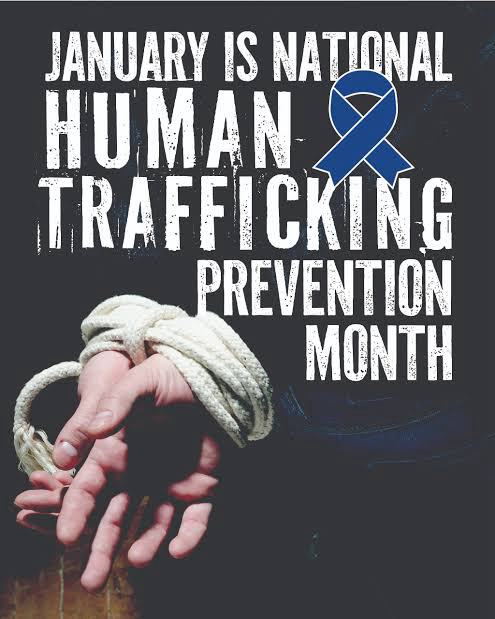
Light the charcoal. Sprinkle the sage. Negative energy go away. Today, I want to talk to you about human trafficking prevention month.
Human trafficking is a serious crime and a violation of human rights. It involves the use of force, fraud, or coercion to exploit a person for profit.
It most commonly takes two forms:
Sex trafficking: When a person is forced, tricked, or coerced into performing commercial sex acts. Any minor involved in commercial sex is considered trafficked, regardless of force or coercion.
Labor trafficking: When a person is forced to work through threats, debt, or manipulation in jobs such as agriculture, construction, domestic work, factories, or hospitality.
Human trafficking can happen anywhere homes, workplaces, online, and across borders. Traffickers often target vulnerable individuals, including children, migrants, people experiencing poverty, and those facing abuse or instability. There are several myths that circulate about this type of crime.
Myth: It happens only overseas. Reality: Trafficking occurs in all 50 U.S. states and U.S. territories. (Department of Homeland Security).
Myth: Victims will simply ask for help. Reality: Fear, debt, threats, or trauma may prevent victims from seeking assistance.
Who Are the Most At Risk?
Human trafficking can happen to anyone regardless of age, gender, nationality, or background. But certain factors can increase vulnerability, including:
There’s no single indicator, but the FBI and other authorities list red flags such as:
Victims lacking control over their own identification or finances
Restricted freedom of movement
Excessive work hours with little or no pay
Signs of fear, control, or physical abuse
Living where they work or in isolated conditions
Limited ability to speak for themselves or interact freely with others FBI
Not all victims will show obvious signs, and every situation is different. It is not the same as human smuggling. Smuggling involves consent and ends once a border is crossed, while trafficking is about ongoing exploitation and does not require movement. If you or someone you know may be at risk in the U.S., the National Human Trafficking Hotline is available 24/7 at 1-888-373-7888 or by texting 233733 (BEFREE).
I have personally spent time with women who survived sex trafficking. I have listened to their stories, and the cruelty they endured is beyond words. No one should ever have to survive what they are forced to do. This must be a top priority for law enforcement and our communities. While rescues do happen, freedom is only the beginning. The wounds both visible and unseen run deep, and the scars left behind are so profound they leave you stunned, struggling to comprehend the depth of what was taken from them. Thanks for reading!
Affirmation: Every person deserves safety, autonomy, and acceptance.
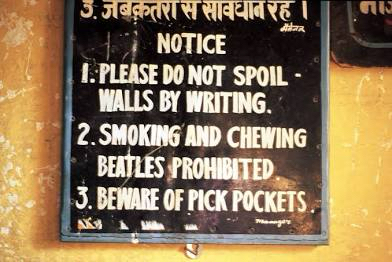
“That is what I call open, honest and direct communication.”
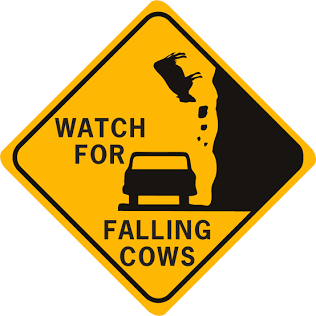
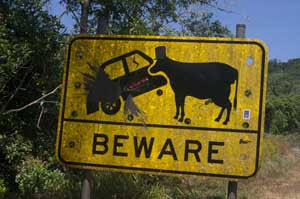
“Where in the world do random cows fall off cliffs?”
“Really?! They needed a sign to remind E.T. to buckle up?”
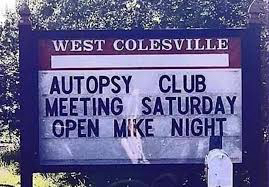
“Seriously? Why are you advertising this? Are there that many people who want to join?”
“Apparently, the Mississippi state bird has been busy.”
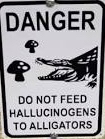
“What is it with alligators?! They don’t need mushrooms. They need weed to help with that aggression.
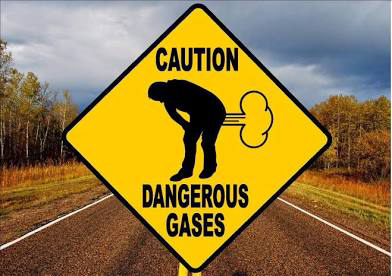
“Thanks for the warning!”
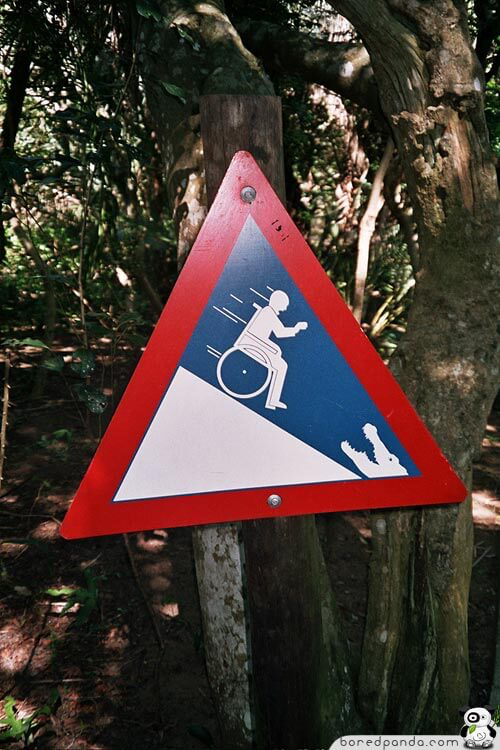
“So does this mean what if you go down the ramp in a scooter you would be safe? Gators be like, “Can’t eat them, it’s not a wheelchair.”
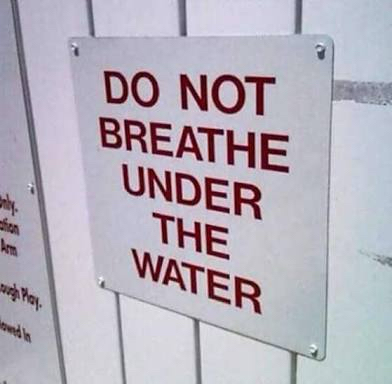
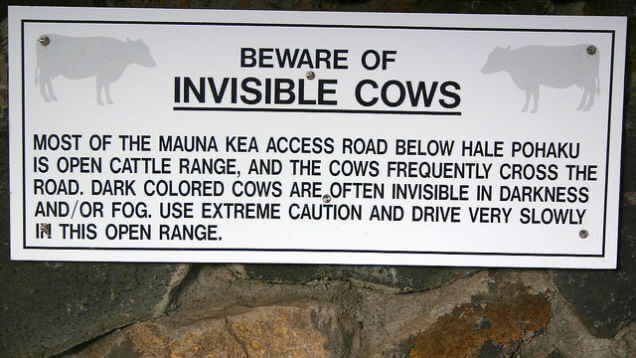
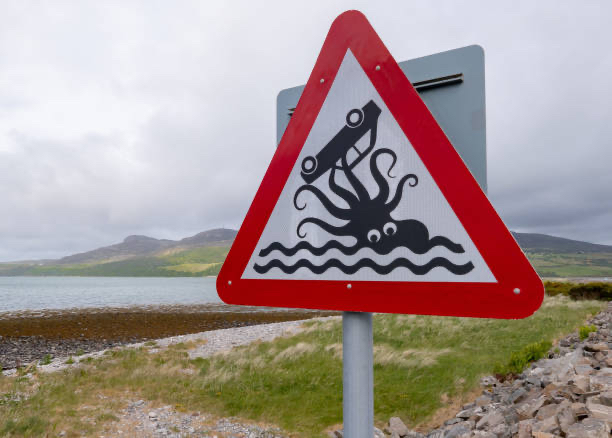
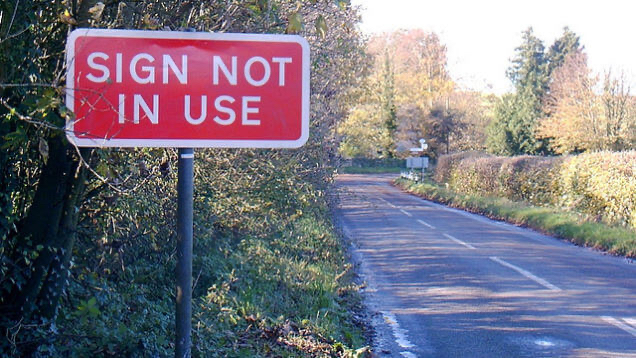
“Umm why can’t I breathe under the water?”“Ha! I’ll be on the lookout for invisible cows.”I can’t decide if the octopus wants to continue playing or needs my help. It’s looking at me. But i have no idea what it’s trying to say.”“Aw man! There goes my fun time at the festival. Who does this?!”“I need to put this on my front door for when the boys come to visit.”“Ok right before I die, I’ll do that.”“Ok well that’s the most visible, non-working sign I’ve ever seen.”
“I’m not sure why that animal attacks vehicles at random. But I do know that it needs to go out on some pants. Mr Animal I see your too-lo-li.”
“Some of the best comedy available.”
“Best caption ever!”
“Most Accurate Sign Of The Year!”
I hope you’ve enjoyed some laughs like I have. Sometimes you have to take timeout to laugh. Thanks for reading! And please share with a friend.
Affirmation: I allow myself to laugh often and without guilt.
“If puking is punctuation, scromiting is writing in all caps.”
-Unknown
Light the charcoal. Sprinkle the sage. Negative energy go away. Today, I want to talk to you about the some of the latest news in cannabis. There is a condition that is linked to chronic cannabis use known as “scromiting.” Let’s look at the latest news surrounding this unpleasant condition.
This condition has become more common with the rising potency of THC in today’s cannabis market. And surprisingly, patients report that they find relief in a very hot shower or bath. The reasons why this seems to help is still unknown. This is not a reaction due to a single use. And not all heavy users develop the condition. Patients who develop CHS often report large daily amounts of THC with as much as 2,000 milligrams in a day. And it’s typically seen in heavy concentrate users in which THC levels are around 60%-90% (https://www.cnn.com/2025/12/02/health/scromiting-marijuana-vomiting-syndrome-wellness#:~:text=Still%2C%20why%20would%20the%20same,weed%20are%20affected%20by%20CHS.)
Cannabis Hyperemesis Syndrome occurs in phases:
§ Prodromal Phase: Early morning nausea and mild abdominal discomfort without actually vomiting. This phase can last for months or years.
§ Hyperemetic Phase: This is the phase where “scromiting” occurs. Recurrent bouts of severe nausea, intense abdominal pain, and frequent vomiting that can last for hour or days.
§ Recovery Phase: Symptoms resolve completely after the individual stops using cannabis.
The state of Mississippi, where I live, has a limit of 60% on concentrates. But there are some people that need the higher percentages to maintain a therapeutic dose for their conditions. I don’t know if this research is specifically related to bingeing or not. And I have also read where CBD can also cause “scromiting.” Unfortunately, you do not know if you’re susceptible to this condition until it begins happening. And no matter how much time goes by from cessation, the minute someone uses cannabis again, these terrible symptoms will continue.
I think that this is a horrible thing as cannabis has saved millions of lives. And for me cannabis will a be a part of my life for as long as possible. In the information that you have just read, 2,000 milligrams a day is an extreme about of cannabis. And I would be willing to bet that this high of a dose are related to edibles as many don’t understand how powerful they are and can be. So, at this point, I’m still willing to take my chances. Thanks for reading!
Affirmation: Everything will be okay. Not great but okay.
“Never stop fighting for your freedom, you are worth it.”
-DA Survivor-Anon
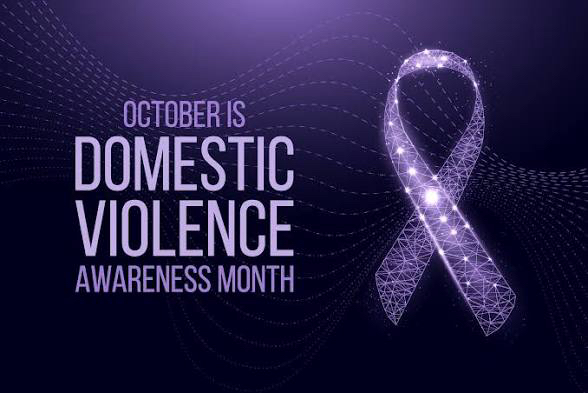
Light the charcoal. Sprinkle the sage. Negativity energy, go away. Today is the beginning of Domestic Violence Awareness Month. This month is when our voices from all over the globe will be heard. We as victims, survivors and warriors bring to light the horrors of domestic violence and the impact that it leaves on our lives and those around us. Let’s take time out for a little education on a few of the topics surrounding domestic violence.
Domestic Violence is a topic that I know a lot about. Well, I know how to function in it. And I know how to get away from it. But living with the aftereffects reveal a whole other set of problems. Where domestic violence used to be seen as something that only happens to women and their partners. There is more awareness on the abuse of men by their partners. No matter how you identify. It also happens to the most innocent, children and pets. This happens in all forms of relationships. And the statistics are staggering.
Domestic violence is violence committed by someone in the victim’s domestic circle. Which include partners and ex-partners, immediate family members, and other relatives and family friends (https://www.UN.org, 2025). The behaviors can include such things as:
· Physical
· Sexual
· Emotional
· Financial
· Psychological actions or threats of actions that influence another person.
This includes any behavior that intimidate, manipulate, humiliate, isolate, frighten, terrorize, coerce, threaten, blame, hurt, injure, or wound someone. The repetitive exposure to violence teaches children that violence is a normal way of life (https://dvcc.delaware.gov, 2025). And for those of us who leave, constant confusion and every minute of no knowing when something else will happen again, is our normal. And the many years of programming by our abusers takes years of therapy to de-program ourselves. But you will never be who you used to be.
Recovery is not for the faint of heart. It is hard and uncomfortable. And it takes years to undo the damage that was caused on so many levels. I was one of the lucky ones. Long story short, I survived. But the mental damage that was caused has left me crippled in some ways. And through the sleepless nights filled with tears, therapy, psychiatric medications, body memories, flashbacks, phobias, and panic attacks, I have learned that I have a voice that deserves to be heard. And no matter what people say or believe, I can validate my own story regardless of the opinions of others. Because I lived it.
The main thing I want to say to other women and men across the globe who are still in their own processes, “YOU ARE NOT ALONE!” Because it happened to me too. Thanks for reading! Keep smiling and pushing forward.
“Be careful because cyberspace is a two way street those that hunt and stalk and troll can also become the hunted by those that they harass and attack. Cyberspace has a definite dark side.”
Don Holbrook
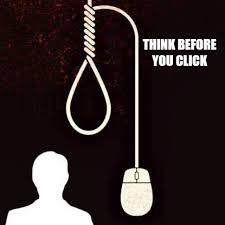
Light the charcoal. Sprinkle the sage. Negative energy, go away. Today, I want to talk about another reason that people are committing suicide. It’s the inevitable factor of cyberbullying.
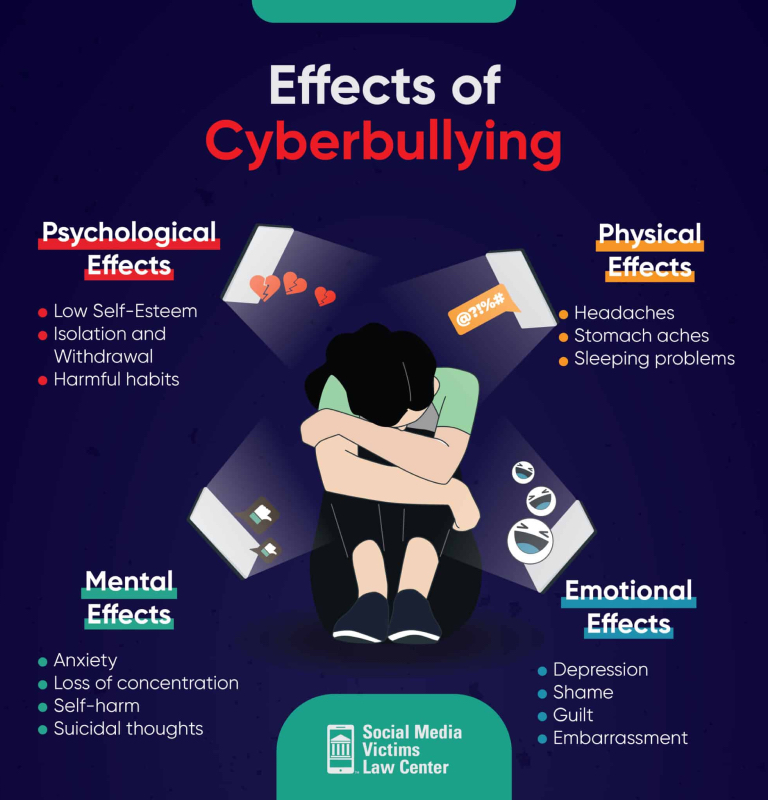
Cyberbullying is bullying with the use of digital technologies. Research consistently indicates that there is a strong correlation between being a victim of cyberbullying and increased suicidal ideations. In fact, once study showed that students who are subjected to cyberbullying are 4 times as likely to commit suicide. And a major increase occurred during the COVID-19 pandemic). Another study found that cyber bullying increases suicidal thoughts by 14.5% and suicide attempts by 8.7%. The limitations are since there is usually not just one factor that contribute to suicide (www.nih.gov, 2025).
I can tell you that as an 8th grader adult bullied me where I was supposed to be safe, at school. And though there was no cyberbullying at the time, due to lack of access to the internet, I quickly began having suicidal ideations that have plagued me ever since. When you’re a child, bullying is such a violation and betrayal. And for me there was no way out. So, I had to fight the best way I knew how. Sometimes it was quiet while escaping within my mind. And sometimes, it was through pure aggression. Sadly, aggression was the only thing to make it all stop even for a moment. But the colossal damage had already been done.
That year of bullying set the precedence for how my life would turn out. I lost all confidence in myself and my abilities. My self-worth was destroyed. And I turned to the only thing that seemed to accept me no matter what my condition. It was addiction. By the time I started high school, I was a full-blown addict of drugs, alcohol, self-harm and eating disorders. And at almost 50 years old, I continue to struggle with them.
I learned that no one was a “safe” person. I learned that if anyone were going to protect me, it would have to be me. I learned that taking the first shot at someone was the safest way to live. I also concluded that no one that I saw as an “underdog” would ever have to fight their own battle again if I were there. I asked for help but was denied. And when I did, the abuse only got worse.
Cyberbullying takes on a whole new level of abuse. And the damage can be irreparable. It’s said and done by people who don’t have to look at you in the face. And typically, most people wouldn’t have the balls to say those same things if done in person. Since our national politics are so unstable, I would venture to say that the amount of cyberbullying would increase significantly. Below are a couple of the cases that I wanted to show you about. There is no way to list them all.
Megan Meier’s Case (2006): a 13-year-old American girl who committed suicide after being bullied on MySpace. The bullying was orchestrated by an adult neighbor, Lori Drew, posing as a teenage boy. The adult was the mother of a classmate. The mother was found guilty of cyberbullying in 2009. However, the conviction was later overturned.
Texas Child Suicide (2023): A child in Texas died by suicide during an online game due to alleged cyberbullying. The suspect lived in Michigan who eventually plead guilty to crimes related to aiding suicide and harassment causing death (www.nbcnews.com, 2023).
In the world that we live in, it is imperative for us parents to pay close attention as possible to what our kids are doing and with whom they are interacting. I do not live under the delusion that it is possible to know everything. I am not God. The only thing I know to do is to regularly talk to my children about the dangers of cyberbullying. And that just because someone is on your “friends list,” doesn’t mean that they are really friends. And that predators disguised as heaven will often put you through hell. And even with that knowledge, I know that I can’t protect every facet of their lives. The very essence of a predator is to go undetected. And to operate in the shadows, often in plain sight.
I hope that you have gained useful information on this topic. I continue to learn each time I blog. And maybe, it’s bringing some type of comfort as I look at these difficult topics. I write thinking, “What can I do to help other parents?” And then, BOOM! Another blog appears. Thanks for reading! As always, take what you can use and leave the rest. Keep smiling. And stay informed.
Affirmation: I forgive myself for believing when I’m bullied it’s my fault because I let it happen, or I was in the wrong place, or I should have known better.
“When you feel like giving up, just remember why you held on for so long.”
-Hayley Williams
Light the charcoal. Sprinkle the sage. Negative energy go away. Today, I want to talk about some myths regarding the topic of suicide. I was first exposed to suicide at the age of thirteen. One of my friends and classmate committed suicide when we were in the eighth grade. As a child, how do you manage that? I can tell you that among all of the major events in my life that has changed me in some way, the day that I lost my friend to suicide will always rank high on my list. I think, though, that the biggest impact for me was how our teachers and school administrators dealt with the situation.
I grew up in the 1980’s when child and adolescent mental health was rarely recognized. And, honestly, my generation was sort of left with the attitude of “figure it out yourself.” Situations that left gaping wounds were merely glossed over. And so, me and other friends and classmates turned to a life of addiction and suicide. As a teen who was being abused daily by a teacher, and the complete lack of protection from the adults, I was forced to just “figure it out.” I did it in total “self-preservation mode.” The behaviors that I developed were not healthy, but they were there when no one else was.
In the 35 years since my friend’s suicide, I have lost a lot more friends. And sadly, I have built walls all throughout my life that continue to help me through my pain. The one thing that has seemed to resonate through the years is how religion constantly attacks those who have been through the most. And I grew up being marinated in the ideology that suicide was “selfish,” “a sin,” “immediate condemnation to hell,” “the easy way out” and the most “self-centered” act known to man.
A lot of the “indoctrinating messages” I was raised to believe, life made me realize how very untrue and damaging they are and will continue to be. I have been on all sides of suicide. And from a personal standpoint, those beliefs couldn’t be any farther from the truth. Below are a few common myths regarding suicide.
Myth 1: Talking about suicide increases the chance a person will act on it.
Fact: Talking about suicide can reduce rather than increase suicidal ideations. It improves mental health related outcomes and increases the likelihood that someone will seek treatment.
Myth 2: People who talk about suicide are just seeking attention.
Fact: People that die from suicide have often told someone about not wanting to live anymore. And it’s always important to take it seriously. In my own family, these statements have rung true. Or most often, those statements are ignored.
Myth 3: Suicide can’t be prevented.
Fact: Suicide is preventable but unpredictable. Most people have experienced intense emotional pain, hopelessness and a negative view on life and the future. Suicide is a product of genes, mental illnesses and environmental risk factors. Intervention can and does save lives.
Myth 4: People who take their own lives are selfish, cowardly or weak.
Fact: People don’t die of suicide by choice. The emotional pain that they experience makes it difficult to consider different views. Have you ever turned a gun on yourself? I have.
Myth 5: Teenagers and college students are the most at risk of suicide.
Fact: Suicide rates for that age group is below the national average. The age groups with the highest rate of suicide in the U.S. are women 45-64 and men 75 and older. Suicide is a problem among all ages and groups.
Myth 6: Barriers on bridges, safe firearm storage and other actions that reduce access to lethal methods of suicide don’t work.
Fact: Limiting access to lethal means of harm is one of the most straightforward strategies to decrease the chances of suicide.
Myth 7: Suicide always occurs without warning.
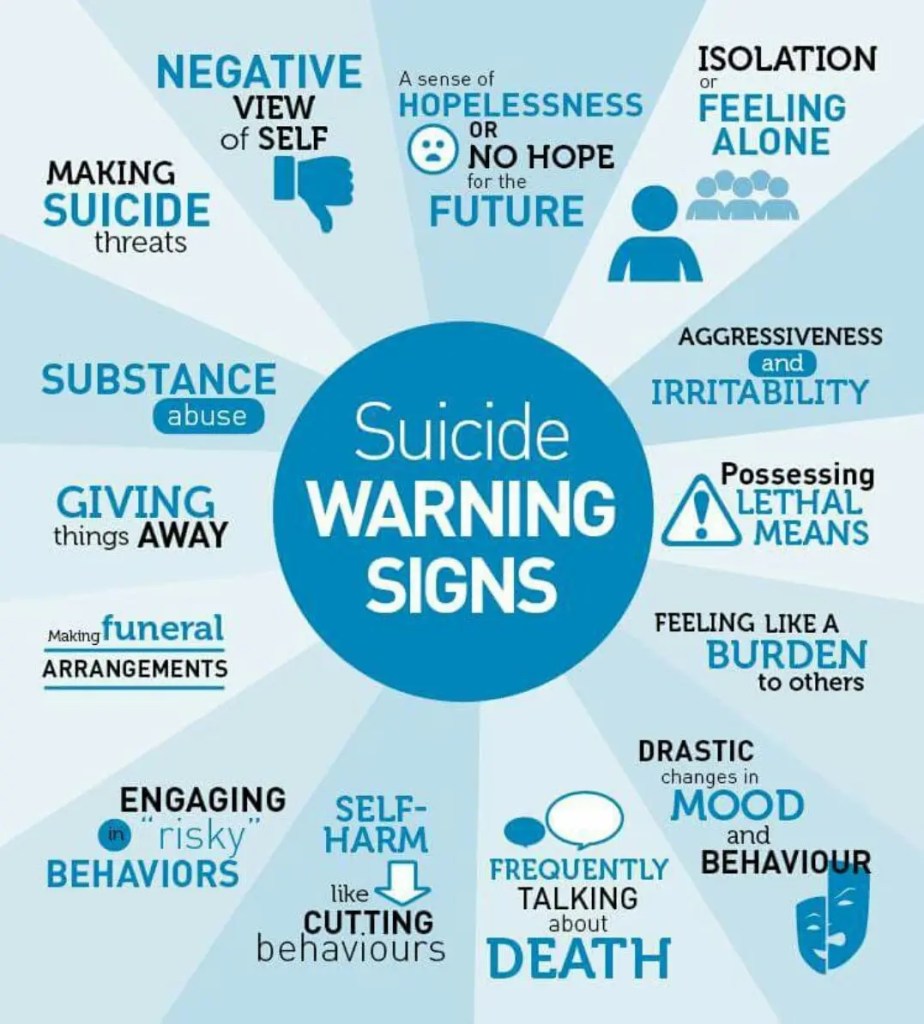
Fact: There are almost always warning signs before a suicide attempt.
Myth 8: Talk therapy and medications don’t work.
Fact: Treatment can and does work. I don’t agree with big pharma for many reasons. I guess, though, “life over limb.” Lives are saved with both therapy and medication. Therapy has saved my life for many years now. But finding the right one to work with can be taxing. Most people who are in the helping profession do help rather than harm (mayoclinichealthsystem.org, 2025).
Myth 9: You have to be mentally ill to think about suicide.
Fact: 1 in 5 people have thought about suicide at some time in their life. Not all people who die by suicide have mental illnesses at the time they die.
Myth 10: People who are suicidal want to die.
Fact: The majority of people feeling suicidal do not actually want to die; they just want the situation they’re in or the way they’re feeling to stop.
Myth 11: Most suicides happen in the winter months.
Fact: Suicide is complex and not just related to seasons or the climate. Suicide is more common in the spring and a noticeable peak on New Year’s Day.
Myth 12: You can’t ask someone if they’re suicidal.
Fact: Evidence shows that asking someone if they’re suicidal could protect them (Samaritans.org, 2025).
Myth 13: Strong faith prevents suicidal thoughts.
Fact: Many deeply religious figures including biblical figures have experienced suicidal thoughts. The misconception that strong faith eradicates mental despair is false. Faith doesn’t guarantee protection from difficult emotions and struggles.
Myth 14: Suicide indicates a lack or abandonment of faith.
Fact: Suicidal ideation is viewed from different perspectives. Suicide does not inherently mean that someone has abandoned their faith.
Myth 15: Fear of religious repercussions is a sufficient deterrent for suicide.
Fact: For some maybe the fear of divine punishment can be a factor. However, many faith communities emphasize grace and forgiveness, even for those who die by suicide. And personally, I have rarely seen grace and forgiveness on this topic.
Myth 16: Religion or faith alone is enough to prevent suicide.
Fact: Studies show inconsistent findings regarding the protective effect of religious affiliation on suicide risk. It is crucial to understand that faith alone is not a guarantee against suicide and should not replace professional mental health interventions when needed (https://pmc.ncbi.nim.nih.gov, 2025).
I hope at the very least that some of the myths regarding suicide have been explained. My own personal suicidal feelings have been dismissed the majority of my life. And no amount of “bible beating” has ever helped. It has only made things much worse than they already are. And some of the statements made disguised as “help” by family members, are not help. The statements are just toxic. Saying that you have “x” amount of years living and never considered suicide isn’t helpful. Please don’t play therapist when you’re not one.
Put harmful judgments in the trash where they belong. Love and appreciate those that you love. Because it can all change in an instant. Quit making “their” suicidal feelings about “you.” Because it’s not. And always remember, “Just because someone has a smile on their face doesn’t mean that they’re not suicidal.” Thanks for reading! As always, take what you can use and leave the rest.
Affirmation: I am overcoming depression one step at a time.
“This life. This night. Your story. Your hope. It matters. All of it matters.”
-Jamie Tworkowski
Light the charcoal. Sprinkle the sage. Negative energy go away. Thank God, we have made it through most of the hottest months of the year. September is another sticky, humidity filled month before the beginning of the cool down. September is also Suicide Awareness and Prevention Month. I know, it’s another upbeat topic. I think that the topic of suicide shouldn’t be taboo. It’s an unfortunate dark part of nearly every culture. And, yes, it has also affected my life in many ways which I’ll share.
Suicide has always been referred to as “the easy way out,” “selfish action,” a “total disregard for friends and family,” and the most hurtful “a sin.” And it’s really easy for people to throw out opinions that help no one when they are struggling. That is minimizing their pain and abuse.
Having been not only a patient in the mental health system for the majority of my life, and working in the mental health field as a professional, I have also seen and been on most sides of this problem. People are so quick to judge what they don’t understand. And, sadly, suicide is a topic that tends to be discussed in judgment versus with compassion.
I have been chronically suicidal since I was a teenager. I was being abused and put on display for others to see for an entire year in school. I was also locked in a closet in that same room while being verbally abused in any way imaginable. I tried to tell adults about what was going on. However, I was made to feel like it was my fault. This helped the teacher to further perpetrate her abuse. My parents also made me apologize to her for comments that I made to her. But as their child, I was not protected by them or the administration. I was in a difficult situation without the possibility of brighter days ahead for the future.
My suicidal feelings got the best of me one day at school when I took forty aspirin. I had no idea, at that time, that it wouldn’t work. But the thought of continuing one more day at the hands and mouth of s purely evil woman was more than I could deal with. My parents were called and made aware. Nothing was ever done. I was never provided with any kind of help. Maybe it was the “standard” of the late 1980s. I was not given the emotional support to sort out my trauma.
What I did begin doing was self-harm. I had no idea what it all meant, at that time. But I knew that it made things better even if for just the moment. As I’ve stated about my family’s dysfunctional dynamics, I was told just to make it through the year and everything would be fine. It wasn’t. Yes, the abuse ended. But I was not fine.
By my freshman year in high school, I was “balls to the wall” in addiction. Addiction that presented itself in drugs, alcohol, eating disorders and self-harm. The strongest addiction being self-harm. And 35 years later, it continues.
The depression, anxiety and suicidal ideations never subsided as I was told. One day I finally told my mother that had I had access to a weapon, I was going to kill myself. Instead of offering help, of any kind, I was met with anger and told that I was being selfish. My thoughts were anything but selfish. I was hurting in ways that no one knew. And no one seemed to care. So, I suffered in silence for many years.
As a child/teenager when traumatic events occur, your mind goes directly to self-preservation. You do whatever you can to either tolerate the darkness or end the pain. Meanwhile, the trauma of life continued at a level that no one is capable of dealing with alone. My next real relationship was abuse that lasted 14 years. And again, I felt trapped.
If you don’t understand the concept of Pavlov’s dogs, then you don’t understand what it’s like to be held mentally captive while the world sees your situation with an easy out. And the sad part about it, is that they think that you deserve everything you get because you don’t just leave. My parents attributed all of the chaos of that relationship as being something that religion could fix. So, we got involved in church. If anything, the abuse got much worse because now his weapon was a Bible that he read and used as justification that I should be “submissive” to his every demands. Mentally, I was trapped again without any way out. And my self-harm was not about survival. It was about making the pain end.
I would reach a mental breaking point and would stand out in the front yard where we lived and pointed a gun at my chest and pulled the trigger. The strange part was that I seemed to be witnessing rather than taking an active role. I watched that whole event as a spectator. I don’t expect you to understand the power of dissociation. Most people, in fact, are very ignorant about it. Again, I was met with anger from my mother. She kept saying, “Hush! Hush! Do you want to go back to Pine Grove?” That is the local mental health facility. And at that moment all I needed was compassion. But again, I faced anger and judgment. I wasn’t trying to “take the easy way out” or be “selfish.” I just wanted the pain to end. And everyone seemed to lose sight of that reality but me.
The bullet went into my shoulder only a few inches from my heart. And even hospital staff treated me as though I was taking up space much better suited for someone else. Self-harm became a way of life for me. It’s been there when people should’ve been there. But self-harm doesn’t always mean “suicide attempt.” And this is a very sore subject among family members. But I sit as an outcast by my family who want nothing more than the family name to not be tainted by abnormality. They acknowledge that bad things happen. But they just want it to disappear and to quit bringing shame to the family name and instead just move on with life. But the biggest factor, is that they don’t want to be perceived as “parental failures.” It’s still all about the reputation of the family.
People that is not how trauma works. And saying, “We just didn’t know how to help you” is “shit”of an excuse. I was a child when it began. You were in the position to help protect your daughter and you didn’t. Remember, the part of the story where I said, “Just make it out of the 8th grade and everything will be better.” It’s 35 years later and it’s not better. It has crippled me as an adult. And has stolen my hopes and dreams. And I still deal with suicidal ideations on a daily basis. Those never went away either. So, I guess feeling like a “burden” to those who say that they love me but treat me as such will forever be the unhealthy narrative. I’ve asked them to do therapy to help with our relationship. But again, it’s of no importance. And the unspoken belief that I’m unworthy continues.
I wrote this blog to say this, “Quit making someone’s struggle with suicidal thoughts and actions be all about you. You are not helping anything. You only make it worse.” Simply say to them, “Your thoughts and beliefs are valid. Let’s find some compassionate help that will help you thrive. Throwing Bible verses in their face is not helpful. Telling them that they will go to hell is not helpful. They are already living in an emotional hell.
This is not rocket science! Just don’t be an asshole as a rule of thumb. I have been in the position of being the last one to talk to a person moments before they completed suicide. I can tell you this, “I’m not mad at that person. I don’t condemn their actions. I don’t say, “Well I guess they’re in hell now. How selfish of them.” I simply say, “I hate that they were in so much pain that nothing anyone said could break through the cloud of despair.”
Until you’ve been in that position, you have no idea how strong emotions and thoughts are. And if the person felt like they had exhausted all of their means of trying to end the pain in an acceptable fashion, then they see no other way out. Judgmental comments about, “well, they didn’t seek out every source of help” is you seeing in from your perspective only. If you can’t see it from their perspective, you’re one of the lucky ones. Thanks for reading! Take what you can use and leave the rest.
“If you laugh, you think, and you cry, that’s a full day. That’s a heck of a day. You do that seven days a week, you’re going to have something special.”
-Jim Valvano
Light the charcoal. Sprinkle the sage. Negative energy go away. Today, I want to provide a little bit of laughter. I have always enjoyed laughing even in the worst of times. And honestly, most people never have a clue what I face every day.
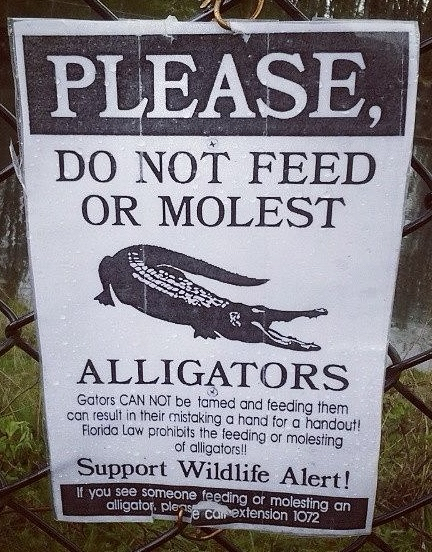
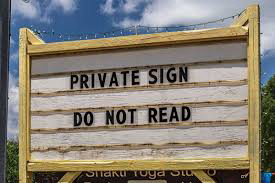
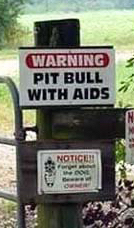
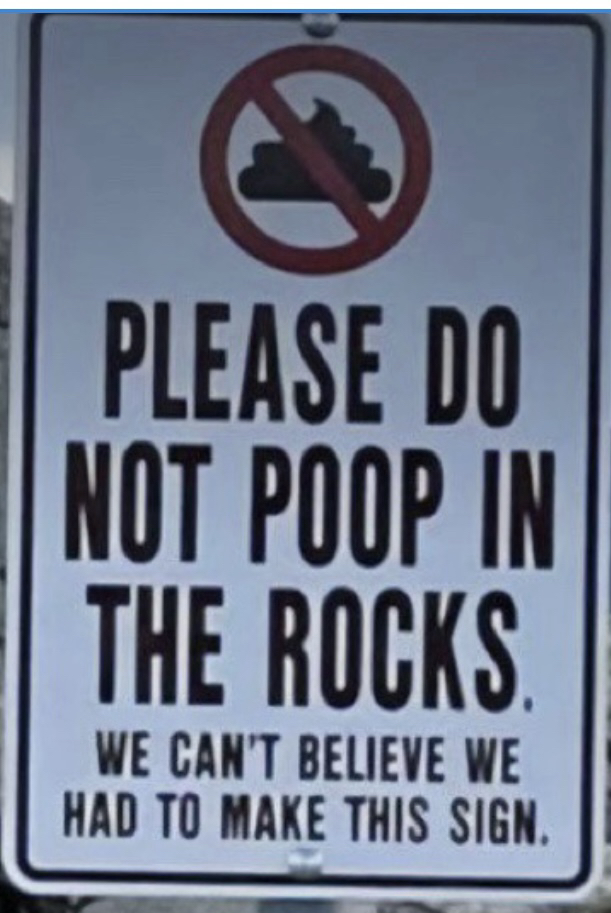
I first saw this type of humor several years ago on the Ellen Degeneres Show. And I absolutely loved it! So, I set out looking on the internet for some of the funniest signs that people post. Enjoy these!
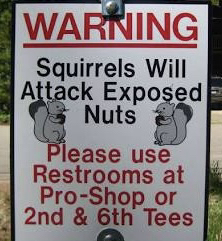
“No worries. I will have mine tucked and secured.”
“Apparently, I was unaware of this trend.”
“At least Sherrill warns you. Thanks for the heads up.”
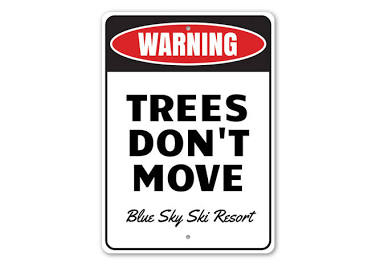
“Truly, I have never seen a free roaming tree.”
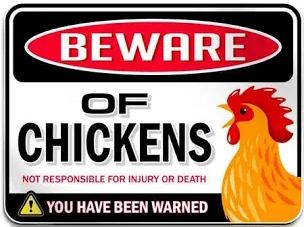
“Why wasn’t I aware that chickens had become so angry?”
“Ummm..I think they misspelled things you grow in a garden.”
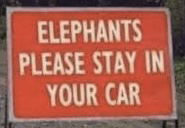
“Where was Fox News when the world was told that elephants are now driving?!”
“Ok. Why do we need this sign? Really?! Who’s going around molesting alligators?Next on Dateline’s To Catch A Predator, we will talk to Roger who spends his days and night grooming alligators for lustful purposes.”
“Kevin you told me you didn’t have warrants!”
“Hmmmmm.”
“Thanks but I’ve never had that compulsion.”
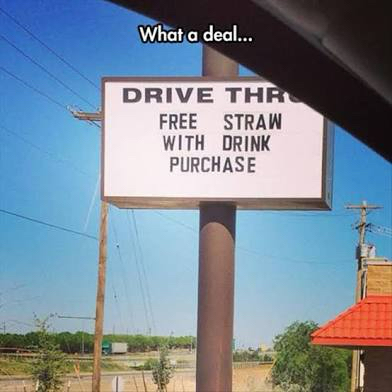
“Nope. Not in my pooper.”
“That Must be how Willie Nelson made it to 90.”
“No comment.”
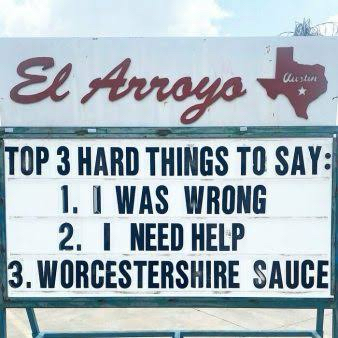
“I can’t either.”
I hope you’ve enjoyed some laughs as I have. If you are capable of being a literal thinker, life becomes so much fun. Stay safe!
“Always remember, if you have been diagnosed with PTSD, it is not a sign of weakness; rather, if is proof of your strength, because you have survived!”
-Unknown
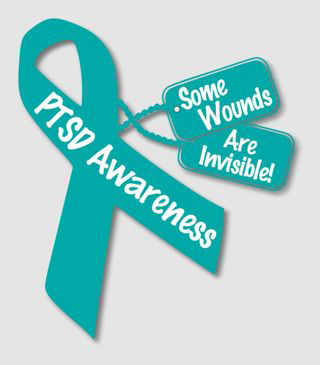
Light the charcoal. Sprinkle the sage. Negative energy go away. Today, I want to take time out from celebrating Pride, to give light to National PTSD Awareness Day. This one hit hard as I’ve lived with PTSD longer than I’ve lived without it. And there are so many of us who don’t make it to the other end of the tunnel. It’s an incredibly dark place to wake up to and go to sleep with every night.
Post Traumatic Stress Disorder (PTSD) dates back to ancient civilizations and military conflicts. Terms used early on included “combat-related stress,” “shellshock,” “combat fatigue,” and “railway spine.” In the 1800s and early 1900s, the “talking cure: was popularized by Sigmund Freud and introduced in medical literature. And the treatment went from psychoanalysis to electric shock treatment. By the 1950s, the treatments had become more humane. However, now people would not admit to any traumatic symptoms due to the stigma. So, group therapy and psychotropic medications were introduced (blackbearrehab.com, 2025).
In the 1970s Vietnam veterans began experiencing a lot of psychological problems that persisted even after returning home. And survivors of domestic abuse were also included. In the 1980s, PTSD was officially recognized as a mental health problem. Diagnostic and Statistical Manual of Mental Disorders adopted the diagnosis where it has remained (blackbearrehab.com, 2025).
PTSD is a developed from a traumatic event. C- PTSD when a traumatic event continues for months and years or multiple events occur. The intrusive thoughts, flashbacks, insomnia, avoidance, memory problems, detachment from friends and family, feeling emotionally numb, hyper startle, irritability, trouble concentrating, impulsive behavior, paranoia, severe anxiety, nightmares, suicidal ideations and actions and uncontrollable thoughts about the event. And over time, these symptoms completely devour who you once were (MayoClinic.org, 2025).
I know that PTSD is typically related to soldiers. I am here to tell you that I never went into the military. But the PTSD that I deal with, as a result of domestic violence, grabbed hold of me and has never let go. It has completely stripped me of everything that I used to enjoy. I don’t care about relationships. I question people about their intentions, even if they’re pure and good. I’m constantly waiting for the next shoe to drop. I don’t have typical reactions to being scared. I could see a moth out, of the corner of my peripheral vision, and then jump and scream like Jeffery Dahmer was staring at me and about to take the first bite. I face the stigmas of both friends and family mainly due to a lack of understanding. However, the reasearch information is everywhere. Sometimes others just need to their own leg work. I have come to realize that instead of trying to find out how PTSD affects someone that you love, it’s “the easy way out” to just to be dismissive, embarrassed and judgmental instead. The attitude is “just change X behavior.” Without having a solution, the resounding message of “just make it go away” further ostracizes the person that you say you care about. And so the anticipated glimmer of hope dissipates further isolating the individual. And sadly, can lead to suicide.
PTSD is not about you, it’s about them. It’s just a diagnosis until it’s “you” that experiences it every day. It has taken me down to the point of putting a gun in my mouth. And because living in the abuse was so severe, I actually pulled the trigger after pointing the gun at my torso. It missed my heart by only a few centimeters. Nothing was messed up to the point of needing surgery. But self-harm is something that I’ve dealt with since I was a 13-year-old child. And I had no idea how to deal with all the overwhelming emotions of abuse. In that cold, dark closet where I began to self-harm, and as maladaptive as the behavior is, it worked. It was the only thing that worked to bring me back to complete balance. But the problem is that it became a true addiction issue that I continue to struggle with. And before you ask, yes I’ve done a lot of therapy. It’s not that the therapy doesn’t. It’s that the addiction is that strong.
PTSD is a true injury on the brain. The brain’s job is to help you survive in any way possible. So, we reach for anything to help calm the barrage of intrusive thoughts, memories, smells and sounds. And once it’s been damaged through a traumatic event, it creates a “work around” solution. What typically works? Self-harm and substance abuse creates almost instant comfort. You don’t have to wait for 6-8 weeks to reach your therapeutic dose efficacy to begin working. It’s an immediate fix that some of have to use just to stay alive.
Cannabis was recommended when all other “Big Pharma” medications failed. And it has saved my life on a daily basis ever since. Cannabis seems to put a cloud over my brain saying, “Settle just for a moment.” And for that moment, I can take a break from the constant paranoia and overstimulation of a brain that wanted to do nothing more than survive. And that, is my battlefield. It wasn’t in Iraq, Afghanistan or Vietnam. My battlefield is everywhere I go. I fear people and social situations in a way that most cannot understand.
It literally takes me about a week in advance to start prepping to leave my house just to go to pick up medications,that I,unfortunately have to take. But I don’t take anymore psych meds. I was extremely sick, coming off all the meds that I had been begging for over two years to be tapered off. And I got tired of waiting, so I did it myself. I don’t advise this way because it was a really miserable process. However, I was at a point of desperation. And now about 6 months later, I feel like a new human being after the toxic feeling of all the medications. All of my true feelings and emotions have awakened, and I really like feeling somewhat comfortable at times.
My personal opinion is that anyone returning home from the active duty should be handed an ounce of weed the minute they step off the plane to do with as they wish. And it would be perfectly ok if they gave it away. That’s like paying it forward in “Weed-O-Nomics.” As it stands, soldiers come home from a war that never ends. And they are committing suicide at a rate of 22 soldiers a day. And that is less than unacceptable.
As the topic of cannabis continues to circulate among social circles and national politics, I hope that veterans from our military will step out against the shame that is felt from social stigmas. And reach for the plant that can “help take the gun out of your mouth.” Cannabis doesn’t cure PTSD because it wasn’t the one who caused it. But it does make things much more tolerable.
Thanks for reading! Happy Pride everyone!
Affirmation: I am resilient and capable of healing.
“Getting information from the Internet is like taking a drink from a fire hydrant.”
-Mitchell Kapor
Thanks for coming back to read the final blog about the Most Dangerous Internet Challenges. I have saved the most dangerous of all the challenges I’ve talked about until now. That does not mean that I’m being insensitive to the destruction that the previous ones have caused. However, for varied reasons these last four challenges go down as my top for being some of the most dangerous. Let’s continue…
Skull Breaker Challenge
This is a dangerous challenge that first made its mark on Tik Tok in 2020. I’m not saying that the behavior itself has never been conducted before. Because I’m fairly sure that when I was a teen, we did something similar. The participants work as a group of three. One person stands in the middle, while the other two stand on either side. They tell the middle person to jump up and then very swiftly use a sweeping kick so that the middle person falls to the ground and hits their head. Injuries that have been associated with this challenge include concussion, neck, head and spinal injuries. Skull fractures and paralysis are also known to be associated with this challenge. Tik Tok very quickly took down any videos related to the challenge.
Benadryl Challenge
This is a challenge where it involves taking massive amounts of Benadryl in order to get high and hallucinate. Ok, stop for a second. We didn’t even have internet challenges much less this one. Hell, I did this just to escape my own horrible reality. But you can only take so much before the “high” isn’t a really pleasant experience. However, when you don’t have access to money, as a young teen, you go to the next best place, the parents’ medicine cabinet.
I’m not trying to glorify this. What I am saying is that there are many varied reasons why someone would do something like this. While this can be deadly, I never considered those dangers as a teen. The overconsumption of this medication can lead to confusion, delirium, psychosis, organ damage, hyperthermia, convulsions coma and death. And sadly, there have been children and teens who did not live to see the next internet challenge.
Blackout Challenge
Ok. This one right here has been known to be my poison. The Blackout Challenge also called the “Choking Game” are another one of those things that have thrill seekers mouths watering with anticipation. I had no idea that this had a formal name for behavior until I started seeing this in news reports. The challenge formally began to gain widespread attention on Tik Tok in 2021. It’s a challenge that deprives the brain of oxygen and blocks blood from entering the brain.
Oxygen deprivation of the brain has the potential to cause moderate to severe brain cell death. And because fatalities are often ruled as suicides, it makes the statistics unreliable. I think we all can agree that this can be dangerous. One of the reasons that it’s so popular is because it costs zero dollars to try. As dangerous as it can be, I don’t see this behavior being eradicated.
My personal beginning with this behavior was born out of a very traumatic situation. And I can tell you that the longer kids get their needs met in this way, the more difficult it is to stop. And just like any type of self-harm that serves a purpose for the individual, the results can be deadly.
I completely understand that not every child looks for some type of emotional need to be met with these behaviors. Either way no one can deny the facts about the statistics showing that it can be deadly. I can admit that this isn’t “brain food” and is still considered very stupid to most people. The main thing is for parents to be aware of the signs that are related to this behavior which include discussion of the game, bloodshot eyes, marks on the neck, severe headaches, disorientation after spending time alone, ropes, scarves and belts tied to bedroom furniture or doorknobs or knotted on the floor and unexplained presence of things like dog leashes, choke collars and bungee cords.
Blue Whale Challenge
The Blue Whale Challenge is one that I consider to be very insidious. If you’ve read my recent blog about the online predatory group 764, this is one that’s eerily reminiscent. It was an online social phenomenon in 2016 that began in Russia and claimed to exist in many countries. The game consists of a series of tasks to players over a 50-day period.
In its start, the creator who was a former Russian psychology student, got expelled from the university. He said that he originally created the game in 2013 in order to “clean society of biological wastes.” The tasks begin with things like “get up at 4:30 am” or “watch a horror movie” before moving into self-harm. And the end of the game involves committing suicide. The administrators were found to be children aged between 12 and 14 years of age.
In June 2018, Russian financial analyst, Nikita Nearonov was arrested for masterminding the game. Nearonov is suspected of grooming ten underage girls in order for them to commit suicide. The game has been reported to be banned in countries including Egypt, Kenya and Pakistan. However, experts agree that it’s almost impossible to ban the game.
I hope this series has been informative on some of the dangerous internet challenges. For all the ones that have diminished, there are new challenges in ten-fold waiting to take their place. Remembering how naïve I was as a teen helps me to realize that had the internet been as big then as it is now, I would’ve surely gotten hurt at the very least. I was incredibly impulsive and searching for something to distract me from life as it was. Thanks for reading!





















 This Puzzled Life