
Children of Addiction: The Invisible Story

“What cannot be communicated to the mother cannot be communicated to the self.”

     -John Bowlby

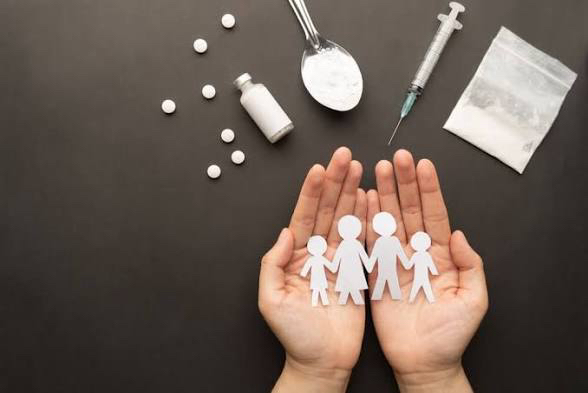
Light the charcoal. Sprinkle the sage. Negative energy go away. Some topics require us to slow down, breathe deeper, and open our hearts a little wider. Children of Addiction Awareness is one of those topics that are tender, urgent, and often hidden in plain sight. When we talk about addiction, the conversation usually centers on the person struggling. But in the quiet corners of those stories are children who carry the weight of what they cannot name.

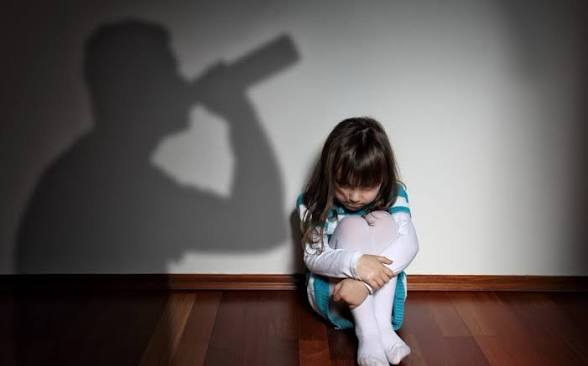
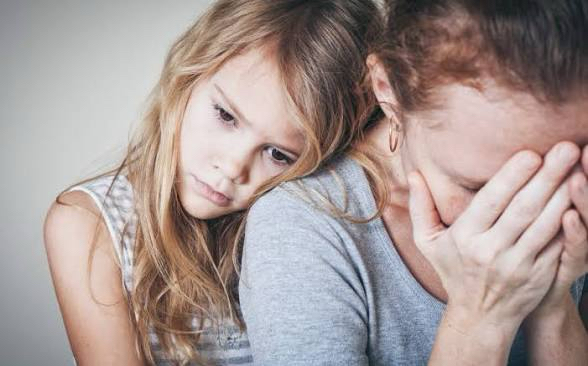
They are not statistics. Not headlines. Not “someone else’s problem.” They are real kids. Real families. Real hearts trying to grow in soil that isn’t always steady. You don’t need a degree or special training to understand this. However, you just need to know this. When addiction lives in a home, children feel it in their bones. Even when they don’t have the words. Even when they pretend everything is fine.

Children growing up in homes affected by addiction often learn to read emotional weather patterns before they learn to read books. They become experts at sensing tension, anticipating conflict, and adjusting themselves to survive unpredictable environments.

They are the kids who:

  • Tiptoe around moods.
  • Become caretakers far too young.
  • Hide their fear behind perfection or silence.
  • Carry secrets that feel too heavy for their age.
  • Love their parents fiercely, even when life feels chaotic.

These children are not defined by the addiction around them. But they are shaped by it in ways that deserve understanding, compassion, and support.

Kids who grow up around addiction often learn to:

  • Stay quiet
  • Stay small
  • Stay out of the way
  • Stay “strong” even when they’re hurting

They become experts at reading moods, hiding feelings, and pretending everything is okay even when it’s not.

Growing up with addiction in the home can create emotional landscapes that are confusing and overwhelming. Many children experience:

  • Unpredictability: never knowing what version of a parent will appear.
  • Emotional neglect: not from lack of love, but from addiction’s consuming nature.
  • Role reversal: becoming the “adult” in the home.
  • Isolation: believing no one else lives this way.
  • Hypervigilance: always on alert for the next crisis.

And yet, these same children often develop extraordinary strengths: empathy, intuition, resilience, and emotional intelligence. They learn to survive in ways that would humble most adults.

But survival is different from thriving. Awareness is the bridge between the two. These children don’t need perfect parents. They don’t need someone to “fix” everything. They don’t need pity.

They need:

  • Consistency
  • Predictability
  • A safe adult who listens without judgment
  • Reassurance that none of this is their fault
  • Permission to feel their feelings — all of them

Sometimes the most healing words a child can hear are: “You didn’t cause this. You can’t control this. You are not alone.”

Whether you’re a teacher, neighbor, mentor, family member, or simply a caring human, you can make a meaningful difference.

  • Create safe spaces for conversation.
  • Model healthy coping skills.
  • Offer stability and routine.
  • Validate their emotions.
  • Connect them to supportive resources.

You don’t need a degree to change a child’s life. You just need to show up consistently, compassionately, and without judgment.

For the parents struggling with addiction, this conversation is not here to shame you. It’s here to remind you that healing is possible for you and for your child. Your effort matters. Your recovery matters. Your presence matters more than perfection ever could. Children don’t need flawless parents. They need honest ones. They need parents who try, who apologize, who grow, who keep coming back to love. Every step you take toward healing is a step toward breaking generational cycles.

Children of Addiction Awareness is not just a month, it’s a movement toward visibility, compassion, and collective responsibility. When we acknowledge these children, we give them language. When we give them language, we give them power. And when we give them power, we give them hope. So, take a breath and hold this truth close: Awareness opens the door. Connection keeps it open. Love walks a child through. Thanks for reading! Keep HOPE alive.

Affirmation: I didn’t cause it, I can’t control it, but I can take care of myself.

***Don’t forget to watch the video!***

#Thispuzzledlife
It’s Mental Health Awareness Month

“What mental health needs is more sunlight, more candor, and more unashamed conversation.”

-Glenn Close

Light the charcoal. Sprinkle the sage. Negative energy go away. Okie dokie! Today is the first day of the month of May, which is also Mental Health Awareness Month. And unfortunately, the topic of mental health is often skirted or disregarded as something that isn’t acknowledged because of the “shame factor.” However, it is not a topic to be ashamed about. Mental health is such an integral part of being human and is something that must be discussed.

What are the issues surrounding the topic of mental health? Well, part of the problem involves societal stigmas, fear of judgment, and a lack of understanding. And the stigma usually surrounds negative stereotypes, incorrect information and cultural beliefs or a sign of personal failure. Give me a second to go a little more in depth about these issues.

1. Lack of Understanding-most people have little knowledge about mental health conditions which can lead to misconceptions and fear. And this includes immediate family, friends, co-workers, medical personnel and acquaintances. I have tried in my own ways to educate people about mental illness, as my daily living has revolved around the mental health system for the majority of my life. But no matter how much you try to explain things to people, they just can’t seem to let go of old ideas and opinions.

2. Negative stereotypes-Thanks to social media, mental illness is portrait in the media that mental illness is considered a sign of weakness, dangerous or violent. This further solidifies negative attitudes. While some of this is true regarding violent individuals, the majority of us are not dangerous people. And religious affiliation can also be another source of negative stereotypes. You wouldn’t believe some of the nasty and fearful looks that I get from simply wearing a baseball cap about PTSD. Sometimes I get asked, “What branch of the military were you in?” I simply tell them, “I didn’t serve our country. I developed PTSD because I’ve been abused for a large majority of my life. So, technically, I’ve been fighting a war my entire life.” They usually silently turn around and back away. Some have asked, “Why do you tell people?” And my answer is always, “Because I’m not ashamed of having a mental illness. It is what it is. And I’m not responsible for other’s ignorance. I simply state the true facts and give the shame back to where it belongs. 

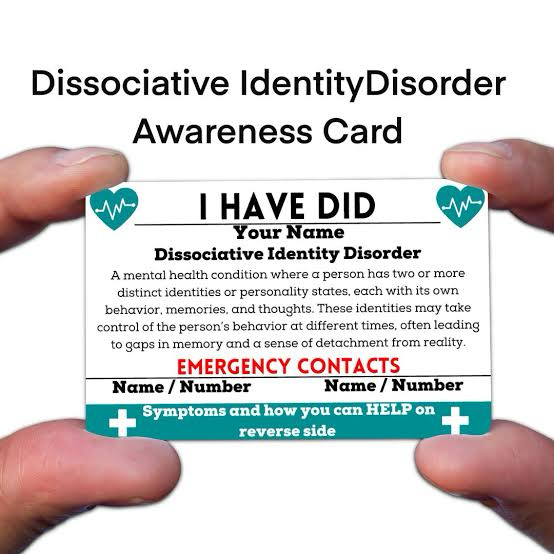
3. Fear of judgment-many people fear judgment for their mental illness. One thing you have to understand is that people are usually their own worst critic. So, your judgment will never be as potent and the person with the mental illness. In my case, telling someone that I have Multiple Personality Disorder makes people retract, mainly because their only source of reference is through Hollywood. And we all know that Hollywood never really tells a story accurately. It induces the “fear factor” in most people. And when I speak this truth, most people are also taken aback because I’m so forth coming with my own  struggles. You might notice my quirkiness at times. However, you would never know when my other parts switch out unless you are around me and I explain who they are and their function. I don’t fear judgment from people. I embrace their ignorance and do my best to “stomp out stupidity.”

4. Fear of discrimination-people fear losing jobs, housing or other opportunities due to their condition. Look, I have lived under a cloud of discrimination since the day I was born. I’m gay. I have a mental illness. And I love to smoke weed. But I’m also very educated. And somehow when you are “out and proud” that automatically puts a label on you. And well, that’s their problem not mine. Even within my own family, I face discrimination. And when I speak about mental health topics, I’m revered as not being nearly as intelligent as others. Even though I have a master’s degree in counseling psychology which qualifies me to be able to diagnose. Make no mistake, I might’ve done a lot of stupid things in my life, but I am in no way dumb. And I face discrimination head on. 

I completely understand that everyone isn’t at the same level of progress with these issues. And it has taken years of therapy to bring me to the point where I am. Mental illness is nothing to be ashamed of. And most people have mental illness in varying degrees. However, a lot of it has never been diagnosed. Individuals hide and suffer in silence because of the shame that they carry regarding this topic. And you absolutely shouldn’t be. Mental health is just as important and maybe more so than physical health. Because poor mental health can also cause physical discomfort.

Embrace what is and be responsible enough to get in therapy. You will be glad you did. Cannabis has increased my quality of life much better than pharmaceuticals. And this is another topic that is shame based. There are those still who are “closeted” cannabis users who also reap the benefits of the plant. And as someone who lived in a closet for many years, I can tell you that no one is meant to be smothered and silenced. Everyone deals with mental illness and fears the repercussion of others differently and at their own pace. I can’t speak for anyone else, but with me, you will always be accepted. 

Educate yourself about your own mental illness not based on movies, other people’s subjective opinions, but on the scientific research and real truth. Face your fears and get involved in therapy and do the challenging work that will benefit you overall. And let the opinions of others roll off your back like water on a duck. Their opinions are just that. They are not facts. It is purely unadulterated ignorance. But that can change if they are willing to do so.

If you are an ally on the topic of mental illness but still have questions, we won’t cook you or eat you. Respectfully ask for some clarification. It is a horrible feeling to suffer in silence over half truths and out right lies regarding mental illness. And sadly, I have had friends who refused to go to therapy for those reasons. And they are now dead from suicide. But everyone is entitled to love, care and compassion. And, yes, that also includes you. Thanks for reading! Stay healthy. Stay happy. Keep smiling. And keep reading this blog.

Affirmation: I trust myself  to make decisions that align with my values and goals.

***Don’t forget to watch the video!***

#Thispuzzledlife