
Children of Addiction: The Invisible Story

“What cannot be communicated to the mother cannot be communicated to the self.”

     -John Bowlby

Light the charcoal. Sprinkle the sage. Negative energy go away. Some topics require us to slow down, breathe deeper, and open our hearts a little wider. Children of Addiction Awareness is one of those topics that are tender, urgent, and often hidden in plain sight. When we talk about addiction, the conversation usually centers on the person struggling. But in the quiet corners of those stories are children who carry the weight of what they cannot name.

They are not statistics. Not headlines. Not “someone else’s problem.” They are real kids. Real families. Real hearts trying to grow in soil that isn’t always steady. You don’t need a degree or special training to understand this. However, you just need to know this. When addiction lives in a home, children feel it in their bones. Even when they don’t have the words. Even when they pretend everything is fine.
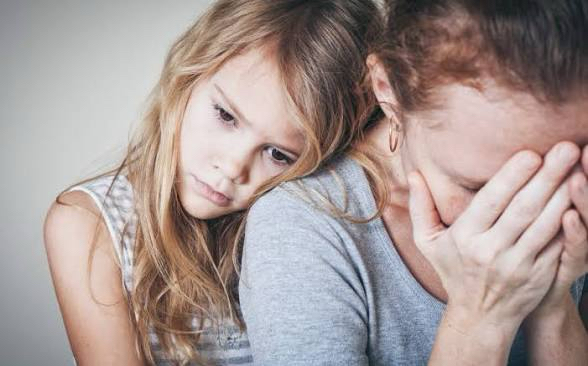
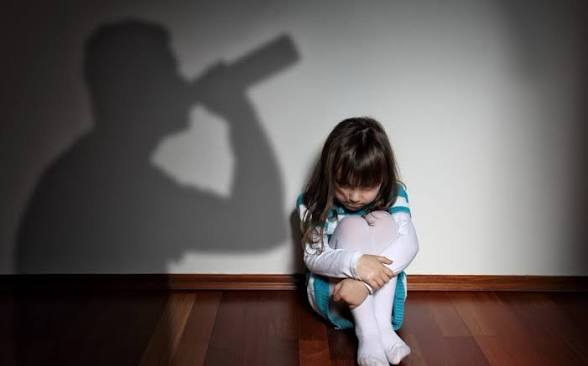
Children growing up in homes affected by addiction often learn to read emotional weather patterns before they learn to read books. They become experts at sensing tension, anticipating conflict, and adjusting themselves to survive unpredictable environments.

They are the kids who:

  • Tiptoe around moods.
  • Become caretakers far too young.
  • Hide their fear behind perfection or silence.
  • Carry secrets that feel too heavy for their age.
  • Love their parents fiercely, even when life feels chaotic.

These children are not defined by the addiction around them. But they are shaped by it in ways that deserve understanding, compassion, and support.

Kids who grow up around addiction often learn to:

  • Stay quiet
  • Stay small
  • Stay out of the way
  • Stay “strong” even when they’re hurting

They become experts at reading moods, hiding feelings, and pretending everything is okay even when it’s not.

Growing up with addiction in the home can create emotional landscapes that are confusing and overwhelming. Many children experience:

  • Unpredictability: never knowing what version of a parent will appear.
  • Emotional neglect: not from lack of love, but from addiction’s consuming nature.
  • Role reversal: becoming the “adult” in the home.
  • Isolation: believing no one else lives this way.
  • Hypervigilance: always on alert for the next crisis.

And yet, these same children often develop extraordinary strengths: empathy, intuition, resilience, and emotional intelligence. They learn to survive in ways that would humble most adults.

But survival is different from thriving. Awareness is the bridge between the two. These children don’t need perfect parents. They don’t need someone to “fix” everything. They don’t need pity.

They need:

  • Consistency
  • Predictability
  • A safe adult who listens without judgment
  • Reassurance that none of this is their fault
  • Permission to feel their feelings — all of them

Sometimes the most healing words a child can hear are: “You didn’t cause this. You can’t control this. You are not alone.”
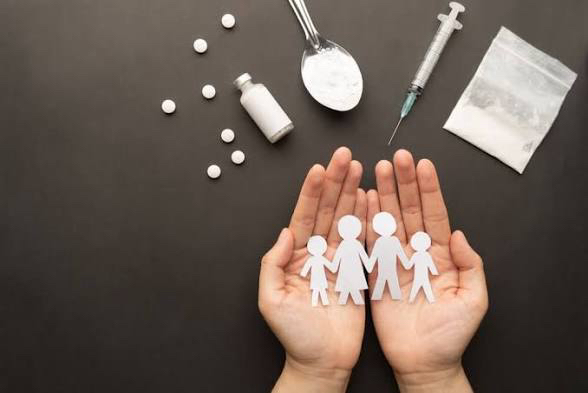
Whether you’re a teacher, neighbor, mentor, family member, or simply a caring human, you can make a meaningful difference.

  • Create safe spaces for conversation.
  • Model healthy coping skills.
  • Offer stability and routine.
  • Validate their emotions.
  • Connect them to supportive resources.

You don’t need a degree to change a child’s life. You just need to show up consistently, compassionately, and without judgment.

For the parents struggling with addiction, this conversation is not here to shame you. It’s here to remind you that healing is possible for you and for your child. Your effort matters. Your recovery matters. Your presence matters more than perfection ever could. Children don’t need flawless parents. They need honest ones. They need parents who try, who apologize, who grow, who keep coming back to love. Every step you take toward healing is a step toward breaking generational cycles.

Children of Addiction Awareness is not just a month, it’s a movement toward visibility, compassion, and collective responsibility. When we acknowledge these children, we give them language. When we give them language, we give them power. And when we give them power, we give them hope. So, take a breath and hold this truth close: Awareness opens the door. Connection keeps it open. Love walks a child through. Thanks for reading! Keep HOPE alive.

Affirmation: I didn’t cause it, I can’t control it, but I can take care of myself.

***Don’t forget to watch the video!***

#Thispuzzledlife
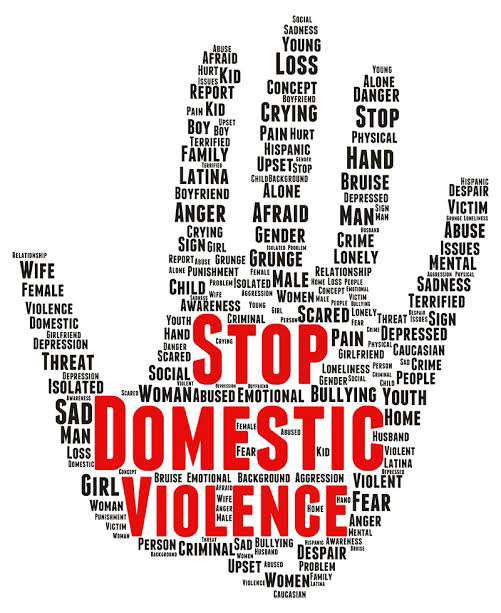
Types Of Domestic Violence Part 2

“An abuser can seem emotionally needy. You can get caught in a trap of catering to him, trying to fill a bottomless pit. But he’s not so much needy as entitled, so no matter how much you give him, it will never be enough. He will just keep producing more demands because he believes his needs are your responsibility, until you feel drained down to nothing.”

-Lundy Bancroft, Why Does He Do That? Inside the Minds of Angry and Controlling Men

Light the charcoal. Sprinkle the sage. Negative energy go away. Today I want to go over more types of domestic violence. I know that this topic is not an easy one to face. However, domestic abuse occurs in more homes than you realize. Maybe in your own home.

VERBAL ABUSE

·        Ridiculing or humiliating someone.

v  If he were alive and breathing, this would happen from the time I woke up until the time I went to bed.

·        Criticizing their appearance, intelligence, sexuality, religious beliefs, or ethnicity.

v  This happened all the time. I was constantly told that I was dumb and retarded.

·        Criticizing their actions as a partner or parent.

v  All day and every day. The worst was at night and on the weekends. I got blamed for his bad golf game. He had this idea that he was Tiger Woods. And he very clearly wasn’t. But it was always because of something I did that made him play bad. In reality, he just sucks at the game.

·        Using cruel or abusive nicknames.

v  He and his brother always had cruel nicknames for me.

·        Swearing at someone.

v  Most people cuss when they get mad. However, he and his brother were relentless in their attacks.

·        Yelling or screaming at someone.

v  Again, I think that a certain amount would be considered normal. However, screaming and hollering at me for everything little thing was how they both operated.

SOCIAL ABUSE

·       Stopping someone from seeing or contacting their friends and family.

v  He didn’t physically stop me. However, it was very clear that I was not leaving the house without specific information about where I was going and what I was doing. And if that wasn’t what he wanted, I was told not to go at all.

·       Stopping someone from going to social or community activities.

v  Unless he went with me, I was told, “No. You don’t need to go do that.”

·       Preventing someone from having contact with people who speak their language or share their culture.

·       Making someone move away from friends, family, or work opportunities.


·       Controlling a person’s use of phone or computers.

On more than one occasion, when I went to call for help from police, he would unplug the phone so that I couldn’t use it.

·       Checking or stopping their mail, phone calls, text messages, emails, social media and other messaging or chat apps.

v  Luckily, there was not much of this that was available at the time. There was barely internet, and I better not have an email address. I had a Nokia cellphone which he checked constantly.

·       Telling lies or spreading false information to damage a person’s reputation.

v  This happened all the time. Especially when he talked to his family. The smear campaign was always in action.

·       Using someone’s intersex status, sexuality, gender expression, transgender, or HIV status against them.

v  He never knew that I was a lesbian. Hell, why would I tell him when the violence was bad enough.

·       Forced marriage

v  The day of my wedding, I knew that I was making the biggest mistake of my life. I was frozen with fear. But it was what he continually pushed for marriage. And I eventually gave in. Biggest mistake of my life!

·       Stalking

v  This happened every single day. If it wasn’t him, it was his friends and family who did the stalking. At the end of the day, I was questioned about everything that I had done and was told, “Well, what about when you were walking around in that store.” He knew every move that I made. It even got so bad that he knew what I had eaten during the day.

SPIRITUAL, RELIGIOUS OR CULTURAL ABUSE

  • Preventing someone from practicing and being connected to their culture.
  • Stopping someone from going to their place of worship.
  • Stopping someone from having contact with other people who share their beliefs.
  • Stopping someone from celebrating days of cultural or spiritual significance.
  • Stopping someone from sharing their beliefs and traditions with their children.
  • Stopping someone who is Aboriginal or Torres Strait Islander from returning to Country or having contact with kin.
  • Stopping someone who has family connections outside Australia from visiting or connecting with family or community overseas.
  • Ridiculing someone’s beliefs or traditions.
  • Forcing someone to do things that are against their beliefs, like eating certain foods or wearing certain clothes.
  • Forcing someone to marry.

The pressure was definitely applied when I was undecided.

  • Forcing someone to take part in spiritual practices in which they don’t believe.
  • Forcing someone to raise their children according to beliefs they don’t agree with.
  • Using or claiming to use spiritual or religious beliefs:

Let me just say this about him and his spiritual practices. He always went through the motions and played the part. He even pretended to get “saved” and was baptized. However, that was as far as it went. Because when we got home the abuse continued to happen. But now he had a Bible to justify his actions.

Thanks again for reading! I hope I was able to share a little lighter on the subject of domestic violence. There is help and hope after abuse. Reach out for the love and respect that you deserve. Keep moving forward!

Affirmation: I will not shrink.

***Don’t forget to watch the video!***

#Thispuzzledlife