This Puzzled Life is a mental health and recovery blog exploring addiction, trauma healing, LGBTQ experiences, humor, and the strange moments that shape us.
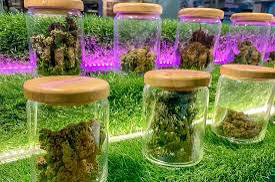
Light the charcoal. Sprinkle the sage. Negative energy go away. Today, I want to give you a list of the stop cannabis strains of 2025. I know. I have smoked acres of weed this year. And I always enjoy seeing the top weed strains of the year.
It’s that time of year where we find out top strains from across the country. I manage my healthcare by researching strains that work best on my symptoms. And then, I look to see if any of the strains are found locally. See if you recognize any of these strains.
1. Blue Dream: a hybrid that gives you that nice balanced high. This strain works very well for PTSD.
2. Gelato 41: Abalanced hybrid known for sweet flavoring.
3. Cocolato: A daytime use with chocolate and coconut flavoring.
4. Sour Diesel: This is a classic sativa-dominant hybrid strain used to help with anxiety and fatigue.
5. Lemon Cherry Gelato: An uplifting hybrid popular for citrus and berry flavors.
6. White Runtz: A good strain to help with both relaxation and mental clarity.
7. Pink Certz: Uplifting hybrid that I tried recently that is very impressive with its balanced effects.
8. Godfather OG: A potent indica-dominant strain that has the potential to grant you a “couch lock” session.
9. Ice Cream Cake: I love this strain! It works well on pain, stress, anxiety, and insomnia. And it will make sure you drift off into a nice little cannabis coma.
10. OG Kush: Another classic blend of indica-dominance. This is just a good all-around strain.
11. Permanent Marker: I tried this indica-dominant strain this year. It definitely has the potency and stink that aims to please.
12. South Diesel: Classic sativa-dominant hybrid that is sure to give you some “get-up-and-go” effects while putting a the sour and stink flavors in one luscious bud.
13. Biscotti: This is an indica-dominant hybrid that is known as a “dessert strain” flavoring.
14. Super Boof: This is a stain that is sativa-dominant that didn’t push my anxiety into a panic attack. But use sparingly if you’re really sensitive to sativa strains. Just a “WOW” strain in my opinion.
15. Cereal Milk: This strain is known for its sweet and creamy taste profile. It’s said to be sativa leaning. However, it feels like a balanced hybrid. A must try for anyone!
16. Blueberry: A classic indica dominant strain that is known as a suppressor for many conditions and rich berry flavoring. This strain is often crossbred to many different strains. And a big genetic factor for strains that work is known to work well on PTSD.
I can say with certainty that these are not the only strains that have been spotlighted for 2025. But it is a list that maybe you have tried and can attest to the power of their medicine. Thanks for reading! Keep blazin.”
Affirmation: Love flows to me, through me, and around me.
“When I look back at the 1980s I pinch myself. Did I really do all that?”
-Cynthia Payne
Light the charcoal. Sprinkle the sage. Negative energy go away. Today, I want to talk to you about Halloween in the 1980’s. I have always said that the 1980s was the best decade ever. And I still stand by that statement. To get a good laugh about that decade just ask me about Halloween.
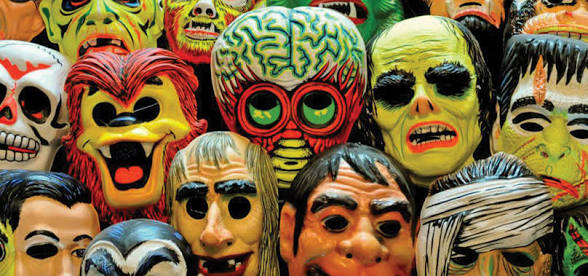
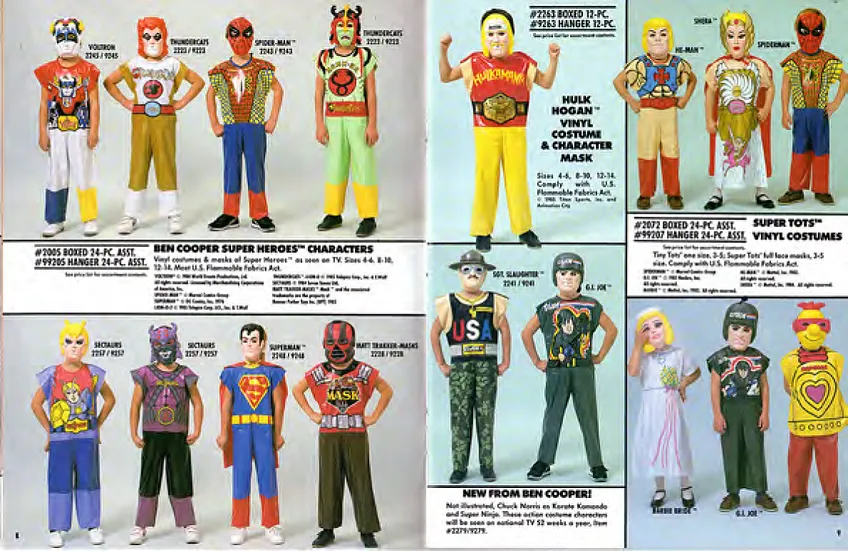
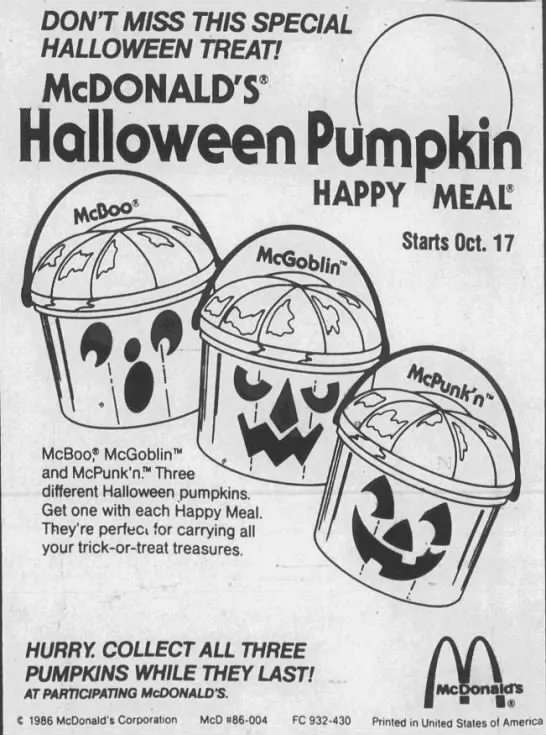
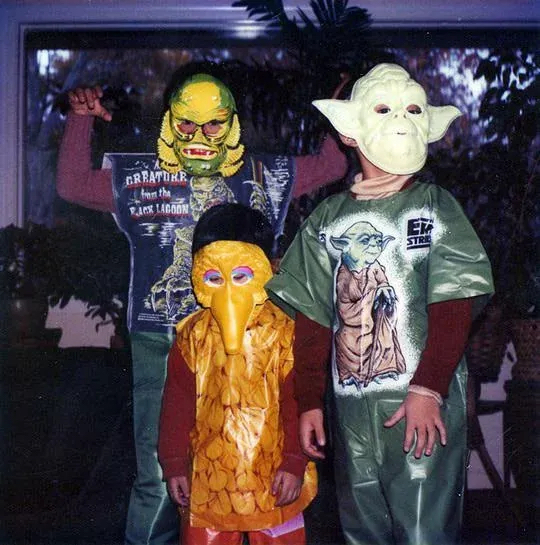
First let’s look at the costumes. The popular choices of the plastic costumes were He-Man, She-Ra, Teenage Mutant Ninja Turtles, and Ghostbusters. For girls, it was Madonna inspired looks with lace gloves and teased hair. And boys were any type of monster costumes. Ben Cooper, Inc. became synonymous with Halloween for generations. The costumes were a plastic masked paired with a vinyl smock. Let’s not forget that the only thing that held the mask on our faces, and what we rested our faith in pending a disaster, consisted of two staples and a rubber band. We, also, always had that asshole friend or sibling who would walk up from behind you and pull that rubber band back and let go with it feeling like you had just been beheaded. Not to mention the tiny hold at the mouth that allowed for only a small amount of air and space to stick the tip of your tongue through that would lead to a sore or a cut by the end of the night. Yes, I wore these as well. Or for some of us costumes consisted of wearing your dad’s oversized clothes representing a hobo. And no costume was complete without using a pillowcase to hold all of our candy. Or the plastic Halloween buckets from McDonald’s in three different options such as “McBoo,” “McPunk’n,” and “McGoblin.”
Halloween decorations at home were not as intricate as they are today. Most homes consisted of carved pumpkins on the porch. And they were accompanied by grinning skeletons or stuffed scarecrows. Inside our homes paper skeletons or stings of pumpkin lights. And the beloved bowls of candy corn on coffee tables.
The Halloween craze each year began at school with black and orange streamers, paper jack-o-lanterns, and spooky window clings. And then, there were the class parties where we would all parade around school in our costumes and eat cupcakes decorated with plastic spider rings and candy corn. There were even games that still existed like bobbing for apples and pin the nose on the pumpkin. And after all the sugar, the teachers still wanted us all to sit in our desks and be quiet. If you were lucky your school would put on a Halloween event where there was always some type of haunted house in the gym. Communities would also have fall festivals with arts and crafts, games and one thing I always remember was the local Kiwanis Club’s pancake breakfast that is no longer in existence.
Let us also not forget the “Great Candy Scare.” The 80s and 90s peaked with parental concerns about razor blades in apples and poisoned treats. And, yes, our parents checked our treats for such things. The fear led to the rise of “trunk-or-treat” events and parties at community centers offering a perceived “safer” way of celebrating. But the thrill of door-to-door candy collection could never be replaced. At the end of the night, it was customary to dump all your gathered candy into the middle of the floor and begin separating it into piles in order to inventory our candy loot.
Another thing that helped to accentuate the entire Halloween experience were the songs and movies of the time. Michael Jackson’s “Triller” was at every dance. And “The Monster Mash” was the top favorite. Movies such as “Hocus Pocus, “ “The Addams Family,” and “Beetlejuice” were always in rotation. And then for the brave were the low budget movies such as “Halloween” and “A Nightmare on Elm Street” “Friday the 13th” The Texas Chainsaw Massacre” (https://www.that80sdude.com/p/trick-or-treat-a-nostalgic-journey-into-80s-and-90s-halloween, 2024).
I was never allowed to watch those movies. Half of the fun was being able to scream at the television for the intended naked, female actor to RUN! While also screaming, “Don’t go check out the unknown sound, you idiot!”
The major change in this holiday began with the “Satanic Panic” and all out “War on Halloween” which began with conservative Christian groups viewing Halloween as a celebration of the occult and evil. This is when they began the change with alternatives like “Fall Festivals” to discourage participation in the holiday’s perceived demonic themes (https://christopheroxley.substack.com,2024). The panic was about alleged satanic crimes, not the commercialized secular celebration of trick-or-treating and costumes (https://www.cnn.com, 2019). These accusations were largely unfounded, leading to trials, imprisonment, and the destruction of lives with no basis in reality. Christian extremists continue warning people about Halloween being “Satan’s Birthday” which continue to denounce costumes and candy as the gateway to the devil. And they continue to try and convince us to celebrate “Jesus-ween” (https://www.satanictemplewashington.com, 2025).
I, personally, have never sacrificed a goat or a child in a satanic ritual from celebrating Halloween. And starting October 1st every year, I watch horror movies for the entire month. Maybe it’s like the ability to be defiant against restrictions as a minor who grew up in a conservative Christian household. Whatever the reasons, I’ve loved Halloween for the majority of my life. And for many years prior to the development of PTSD from my own trauma, I was a haunted house junkie who went to every “booger house,” haunted maze, and haunted hayride that I could find.
I don’t believe that celebrating this holiday as something that will keep you from entering the kingdom of heaven. I believe that it’s another holiday to make memories as a child or now with my own children. I think that it’s just a holiday of having fun accompanied by fear of the unknown. And for these reasons Halloween will always be something that I celebrate. Thanks for reading. And to you I say, “Happy Halloween!”
Affirmation: I embrace the magic of this season with an open heart.
Light the charcoal. Sprinkle the sage. Negative energy go away. Today, I want to tell you about a strain called Soul Assassin. As domestic violence awareness month winds down and seeing the damage that abuse can do to someone, I thought that the cannabis strain for today was absolutely perfect. Because of being trapped mentally or physically from seeking freedom, often times for years, it feels like the perpetrator has literally assassinated your soul.
Soul Assassin is a heavy indica-dominant hybrid. Domestic violence is something heavy that is like a wrecking ball in the victim’s life. But this strain is heavy in regard to healing. It’s just what the doctor order for the overstimulation of PTSD. The genetics of this strain is a cross between OG Kush x Sour Diesel. Most like myself, who have been in the cannabis community for many years, know that these are a couple strains that many would consider staples. OG Kush is a cross between Hindu Kush x Lemon Thai x Chemdawg. Sour Diesel is a cross between Northern Lights x Chemdawg.
The medical benefits associated with this strain include relief from insomnia, anxiety, mood disorders, stress, chronic pain, depression, and inflammation. The top terpenes are B-myrcene, terpinolene, B-Pinene. I got a lot of relief with this strain. I would also encourage you to plan on not going anywhere. As “couchlock” can be a reality. Thanks for reading! Keep blazin.’
Affirmation: I smoke my weed and mind my business.
“Trauma Bonding is like being a hostage who has developed an irrational affection for your captor. They can abuse you, torture you, even threaten to kill you, and you’ll remain inexplicably and disturbingly loyal.”
– Ann Clendening.
I posted this today to help give you a voice to your own abuser/abusers. I have been in therapy for many years, and sometimes, I even doubt these words. The problem is that we were so indoctrinated with their beliefs, comments, gas lighting, manipulation, and co-dependency that we formed a something called “trauma bonding.”
Trauma Bonding is an unhealthy emotional attachment that develops between a victim and their abuser. It is a complex issue that occurs in different abusive situations that include physical, sexual, and emotional abuse. But it’s also important to note that not everyone who goes through abuse forms a trauma bond. However, some people may be more prone to forming a trauma bond due to the early experiences as a form of repetition compulsion https://www.attachementproject.com, 2025). This can happen in domestic abuse, child abuse, elder abuse, exploitative employment, kidnapping or hostage-taking, human trafficking, and religious extremism or cults (https://medicalnewstoday.com, 2023).
Characteristics of Trauma Bonding:
· Intermittent Reinforcement: The abuser cycles between periods of abuse and kindness creating a sense of hope and dependence in the victim. Victims of abuse may be waiting for that next “feel-good moment” in the relationship that also keeps them trapped in a cycle of abuse and relief (https://www.domesticshelters.org, 2021).
v This is also how many addictions keep you stuck. If everything were bad all of the time, you would grow tired and leave. But the intermittent reinforcement is how they maintain control.
· Isolation: The abuser often isolates the victim from their support system, making them more vulnerable and reliant on the abuser ((https://medicalnewstoday.com, 2023).
v I was not completely isolated physically from my support systems. But emotionally I was very isolated. He constantly told me that my friends and family didn’t have my best interest at hand. He would make up lies about things they said and assassinate their character behind their backs.
· Fear and Insecurity: The victim experiences constant fear and insecurity, leading them to believe that they cannot escape the abusive situation (https://www.savantcare.com,2023).
v The constant fear and insecurity that I experienced was, in fact, my prison cell. And I was afraid to leave even when the door was wide open.
· Justification: The victim may rationalize the abuser’s actions or blame themselves for the abuse (https://thriveworks.com, 2024).
v I was conditioned to believe that everything I did that made him angry was my fault. And it wasn’t. Now, I can see that his actions were because of his behavior, not mine.
· Emotional Manipulation: The abuser uses emotional manipulation to control the victim’s thoughts, feelings, and behaviors (https://wondermind.com, 2023).
v This right here was the #1 key factor for why I wouldn’t leave. He even told me, “No other man would ever put up with the things that I have to deal with in you. All of the good things about you, which aren’t many, are because of me. You are useless without me. I have given you everything you wanted. And disobeying me is the thanks that I get? Why do you need anti-depressants when there is no reason that you should be depressed.
Trauma bonding kept me trapped in an abusive situation. People have said, “Why didn’t you just leave?” The problem lies in the way they you manipulate you into believing that everything bad that happens, no matter how minor, is the victim’s fault. And day after day, their hold strengths without you even realizing it. And in my case, I felt as though I was responsible for their thoughts and feelings. I constantly strived to be “good enough” or “well deserving enough” to see the person that he told and showed me he could be when we met. And quite frankly, it was always just a game. Their abusive self is “the real them.” Believe your instincts and the colors in which they present themselves. For that is who they truly are.
If you have read through this and have never been in a situation where everything you do is being controlled, consider yourself lucky. But don’t you dare sit there and say, “It was their own fault that they didn’t leave.” That is one of the most callous things that you can say to someone who is currently trying to survive and those that have survived finally leaving that situation no matter how long it took.
You have absolutely no right to tell me or anyone else how we should feel simply because you have not experienced it. I stayed much longer than I should’ve. And there are times when I still beat myself up for it. Now though, I give myself some grace for not knowing how to leave or recognizing what was going on in plain sight. It’s not just one event that causes this. It’s something that happens every single day methodically planned and executed by the warden in the relationship.
Once you leave, I highly recommend getting into therapy. Just because you think that no damage has occurred, doesn’t mean that it hasn’t happened. Even now, 19 years later since I left him, I have phobias, anxiety, depression, difficulty concentrating, and difficulty making decisions. He has left a mark that will last a lifetime. And some of the things that he did I’ll never recover from. He once told me, “You’ll never be without me no matter what you do!” And the truth is that, while he still doesn’t have total control over me, I still allow parts of him to live rent free in my head.
The next post will be something that represents those of us who have managed to leave and have an understanding through therapy how and where to put the responsibility where it truly belongs, on them.
To those who are still in these types of relationships, I see you even when you don’t openly identify yourself. To those who have left and still live in fear, I see you and you’re not alone. To those of us who continue to strive to change those hard-core beliefs that were instilled by way of threats, intimidation, and violence, I see you as well. None of you are alone. And not all relationships are like this.
Find a therapist that you trust and open your soul to them. Coach has been a lifeline of compassion and understanding for me that I’ve rarely experienced. And she has never made fun of or questioned why I didn’t leave. Unconditional support and her teachings have made life possible for me many lonely nights. I will probably always struggle with some things and that’s ok. This process is certainly a marathon instead of a sprint. And there is no time limit for healing. The whole point is to continue showing up and moving forward in whatever way that might take shape. You are not on an island like you think. There are millions of us both male and female who struggle with the effects and consequences of domestic violence and abuse.
You are loved. You are wanted. And you deserve the good things that life has to offer. Thanks for reading! And I hope you look for the next blog in a couple of days that I post that will help you begin to find your voice. The power to heal is now and ours.
Affirmation: My story has power and inspiration through it.
“If you aren’t silent about your pain, they’ll kill you and say you enjoyed it.”
-Zora Neale Hurston
Light the charcoal. Sprinkle the sage. Negative energy go away. Today, I want to talk to you about some of the behaviors that fit under the umbrella of domestic violence. It wasn’t until I was out of the relationship for a while before I began to see information validating what I always knew. This is not comprehensive list by any means.
COERCIVE CONTROL OR CONTROLLING BEHAVIOR
· Control who a person sees, wears and where they go.
v This was considered normal in my relationship. He dictated everything that I wore. If I chose what I wanted to wear, he would tell me to, “go change. You look ridiculous.” And I was afraid to go somewhere without asking his permission.
· Monitor or track what a person does.
v This was also something that was done on a daily basis. He would call me wherever I was supposed to be and verify it by employees.
· Control a person’s finances, medicine, food, or exercise.
v He always told me that I was not allowed food that he didn’t approve. And I was required to be at the gym at 5:30 am every morning. And he would call and speak with those employees about what type of exercise I was doing. I was also not allowed to spend any money without permission.
· Force someone to have sex or do sexual things.
v I was never given the option to make that choice. I was threatened if I even spoke about that.
PHYSICAL VIOLENCE
· Hitting, punching, kicking, bashing, shoving, or pushing.
Thishappened more times than I can count. He did kick me in the face. But when he and his brother teamed up together, it was worse. The main reason is because my husband didn’t want to say that he participated. And because they always threatened and intimidated me into silence, I never said anything. His brother was his “yes man.” And my husband pulled the strings.
· Spitting on someone or pulling hair.
· Choking or suffocating.
v This typically happened during forced sex. Or whenever his brother would get mad at me, he would choke me as a form of intimidation.
· Throwing things at or near someone.
· Using a weapon.
v This was always pointed at me or laid out somewhere as a form of threats and intimidation.
· Locking someone in or out of space.
v This was often done to show control.
· Stopping someone from eating, sleeping, or having medication they need.
v Every piece of food had to be given an account. One of his favorite things he would allow me to have for a snack was ten olives and ten pistachios. He would come home from work and completely berate me if I weren’t already up. And it didn’t matter that I had just worked a 24-48 shift. He always told me that medication was a crutch. He got mad because I had been given muscle relaxers for a hurt back and proceeded to kick me in the face and throw my medication out into the rain. I was also not allowed to take any psychiatric meds for depression or mood stabilization because, “why do you need anti-depressants when I’m so good to you? And what if someone finds out that you’re taking this? I don’t want anyone knowing that my wife is crazy. Then it makes me look bad. Why don’t you care about that?”
· Forcing someone to drink or take drugs.
v I did this on my own to help deal with being under his crazy world of control.
SEXUAL VIOLENCE
· Touching or kissing someone without their consent.
v I was made to accept his advances.
· Pressuring or forcing someone to have sex or do something sexual without their consent.
v I was told, “Either you give it to me, or I’ll take it. Either way, I’m getting what I want. Make your decision.” Many times, I was bruised or bleeding by the time he was done with me. I had no voice in any matter. He was the “warden,” and I was his “prisoner.” My whole sexual relationship with him was simply RAPE.
· Pressuring or forcing someone to have sex without protection such as a condom.
v I was told early on, “I’m not using protection because it burns my dick. If you really loved me, you wouldn’t put stipulations on how I fuck you.”
*I know this is explicit. However, I want you to get an accurate description of the situation.*
IMAGE-BASED ABUSE
· Sharing private images of a person without their consent, for example images of them undressing or showering.
· Sharing culturally inappropriate images of a person, for example images in which they do not wear items of clothing that they would normally wear in public.
· Sharing intimate or sexualized images of a person without their consent.
· Producing and sharing images that have been digitally altered to suggest a person is nude or engaged in sexual activity.
· Threatening to do any of these things.
*I found out later on that his brother would secretly be filming or watching us having sex.*
EMOTIONAL OR PSYCHOLOGICAL ABUSE
· Criticizing a person and their choices or actions.
v In his mind, he thought that I was too stupid to make decisions that were considered “correct.” All he ever told me what how stupid and retarded I was.
· Isolating a person form their friends or their family.
v Some friendships I lost forever because they just thought that I abandoned them. What they failed to see was that I would get accused of all kinds of stuff if I disobeyed him. Those who have never been in an abusive situation can’t comprehend losing your power to stand up for yourself. It was just easier to do what he said. Some former friends haven’t even talked to me since that time. And that is about them not me.
· Threatening to harm a person, their family, their friends, their pets, or their belongings.
v He always made threats about things he would and could do with keepsakes or my innocent animals. And if he and his brother didn’t feel that I was getting the picture, they would show up at my parents’ house and start harassing them.
This topic will be spread over a few blogs. As you can see, when I add personal experience, the blog gets much longer. Stay patient and learn from this. It’s a hell that most people can’t understand. And I’m telling you that it’s all true. I was living in a prison without visible bars. Thanks for reading! And watch for the second part in the coming days.
Affirmation: I remember that it is ok to ask for help and receive support.
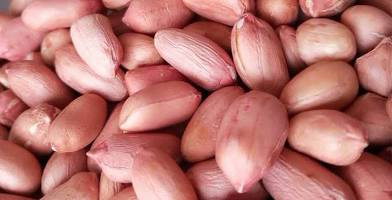
Light the charcoal. Sprinkle the sage. Negative energy go away. Okie dokie! Today, I’m going to review strains that go along with Breast Cancer Awareness Month. Locally a strain called Pink Peanut.
This strain has a long linage of Runtz. We know that it’s probably going to have a sweet candy taste initially. But then that little speck of gas trails behind come in and give it a sour ending. The genetics are Pink Runtz x Peanut Butter Runtz. Just those names says sweet sativa. Pink Runtz has origins of Gelato x Zkittlez or Pink Panties and Rainbow Sherbert. Peanut Butter Runtz aka Butter Runtz has origins as an indica-dominant hybrid by crossing Runtz x Peanut Butter Breath.
I know that is a long of linage information for the strain. I wanted to give you some things to investigate further about this strain. It is a great hybrid with linage strains that were award winners. So, champions are not anything knew to this flower. It’s totally a strain that you can “Wake n’ Bake” and continue to be productive. The indica is nice and not too heavy. This strain would be good for anyone on the cannabis continuum. For a hybrid, the total package is how you explain this strain. Good taste. Good medicine. And Good Blazin’!
Affirmation: Being a stoner has taught me that I can problem solve, build new things, and give old things new life.
“Never stop fighting for your freedom, you are worth it.”
-DA Survivor-Anon
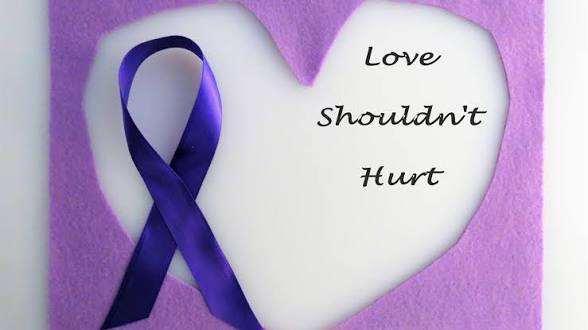
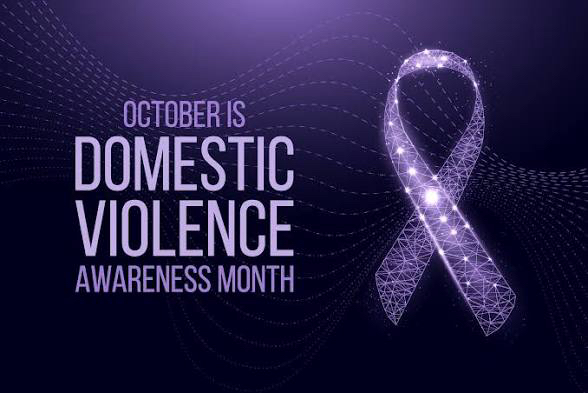
Light the charcoal. Sprinkle the sage. Negativity energy, go away. Today is the beginning of Domestic Violence Awareness Month. This month is when our voices from all over the globe will be heard. We as victims, survivors and warriors bring to light the horrors of domestic violence and the impact that it leaves on our lives and those around us. Let’s take time out for a little education on a few of the topics surrounding domestic violence.
Domestic Violence is a topic that I know a lot about. Well, I know how to function in it. And I know how to get away from it. But living with the aftereffects reveal a whole other set of problems. Where domestic violence used to be seen as something that only happens to women and their partners. There is more awareness on the abuse of men by their partners. No matter how you identify. It also happens to the most innocent, children and pets. This happens in all forms of relationships. And the statistics are staggering.
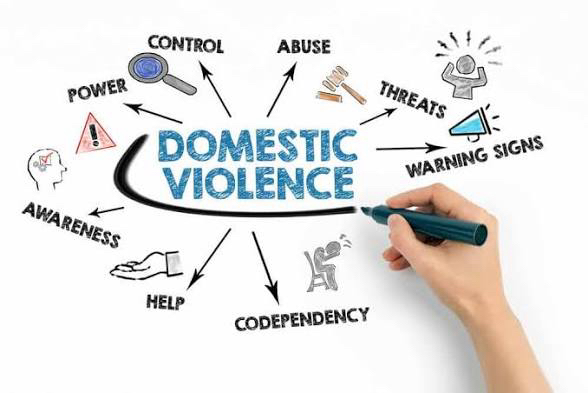
Domestic violence is violence committed by someone in the victim’s domestic circle. Which include partners and ex-partners, immediate family members, and other relatives and family friends (https://www.UN.org, 2025). The behaviors can include such things as:
· Physical
· Sexual
· Emotional
· Financial
· Psychological actions or threats of actions that influence another person.
This includes any behavior that intimidate, manipulate, humiliate, isolate, frighten, terrorize, coerce, threaten, blame, hurt, injure, or wound someone. The repetitive exposure to violence teaches children that violence is a normal way of life (https://dvcc.delaware.gov, 2025). And for those of us who leave, constant confusion and every minute of no knowing when something else will happen again, is our normal. And the many years of programming by our abusers takes years of therapy to de-program ourselves. But you will never be who you used to be.
Recovery is not for the faint of heart. It is hard and uncomfortable. And it takes years to undo the damage that was caused on so many levels. I was one of the lucky ones. Long story short, I survived. But the mental damage that was caused has left me crippled in some ways. And through the sleepless nights filled with tears, therapy, psychiatric medications, body memories, flashbacks, phobias, and panic attacks, I have learned that I have a voice that deserves to be heard. And no matter what people say or believe, I can validate my own story regardless of the opinions of others. Because I lived it.
The main thing I want to say to other women and men across the globe who are still in their own processes, “YOU ARE NOT ALONE!” Because it happened to me too. Thanks for reading! Keep smiling and pushing forward.
“I had gotten to the point where I was suicidal every day for six straight years…On that day, I made a choice. The choice to live, the choice to get better for me.”
-Justin
Light the charcoal. Sprinkle the sage. Negative energy, go away. Today, I want to tell you about a couple more suicide awareness and prevention groups. I wish I could cover them all. Unfortunately, there are just way too many. Please familiarize yourself and those you love and are affected.
Stop Soldier Suicide
This is the only national nonprofit focused on solving the issue of suicide among U.S. veterans and service members. They have an aggressive goal of reducing the suicide rate by 40% by 2030. Veterans are at a 58% higher risk of suicide than those who haven’t served.
Other statistics about veteran suicide:
· 6,407 veteran suicides in 2022.
· 22 consecutive years with 6000+ veteran suicides.
· 140K+ veterans have died by suicide since 2001.
· Second leading cause of death in veterans under age 45.
· The rate of veteran firearm suicide has increased by 65%.
· The suicide rate among veterans ages 18-34 has more than doubled.
· Western states have experienced the greatest increase in veteran suicide rate, increasing by 55%.
· 31% Depending on branch, up to 31% of service members develop PTSD after returning from combat.
· 7x the rated of suicide for veterans in the LGBTQ+ community is up 7x higher that for non-LGBTQ+ veterans.
The organization’s impact on veteran suicide.
· 90%+ of our most at-risk clients completed a crisis response plan in 2023, giving them tools and resources to cope in moments of crisis.
· 73% of clients experienced a decrease in thoughts of suicide over the course of treatment.
· 92% of clients who were meaningfully engaged in our care showed some improvement in mental wellbeing by the end of treatment (www.stopsoldiersuicide.org, 2025).
The Trevor Project
The Trevor Project was founded in August 1998 by the creators, James Lecesne, Peggy Rajski, and Randy Stone, of the Academy Award-winning short film “Trevor.” The film was about a gay teen who attempted suicide. The filmmakers then established a crisis hotline for LGBTQ+ youth after realizing that there was not a resource available. They have since expanded services to include text and chat support and resources for parents, schools and others seeking support for LGBTQ+ support (https://obamawhitehouse.archives.gov, 2025).
Crisis Services: Providing counseling support services for LGBTQ+ young people 24/7 all year around.
Peer Support: Providing an affirming international community for LGBTQ+ youth.
Advocacy: Working to change hearts, minds, and laws in support of LGBTQ+ lives.
Research: We conduct research studies to equip policymakers and other LGBTQ+ youth providing professionals.
The Mission
To end suicide among LGBTQ+ youth by providing crisis support, suicide prevention resources, and educational programs (www.thetrevorproject.org, 2025).
Thanks again for reading. The more education and resources we can provide each other with, the better the outcomes for us all. Please pass this information along to anyone who could benefit. I am one of those who suicide has affected my life in epic proportions. I am also one who continues to fight for understanding and compassion in a world that is lacking.
Affirmation: I am not alone, and others care about me.
“Our country is grappling with a youth mental health crisis, and it is particularly pronounced for LGBTQ+ youth.”
-Ronita Nath
Light the charcoal. Sprinkle the sage. Negative energy, go away. Today, keeping in line with the topic of suicide, I want to discuss suicide in the LGBTQ+ community.
The prevalence of suicide in the LGBTQ+ community is nothing new. The risk for suicide attempts and suicidal ideation can be 3 to 6 times greater for lesbian, gay and bisexual adults according to the National Institutes of Health. But there are also other statistics to keep in mind.
In 2024, 39% of LGBTQ+ youth considered attempting suicide according to The Trevor Project’s national survey. 1 in 10 of LGBTQ+ youth attempted suicide in the past year. And LGBTQ+ youth are more than four times likely to attempt compared to heterosexual youth. I can tell you that personally, I’ve been suicidal many times because of rejection from my family as a lesbian woman.
Transgender and Nonbinary identified individuals are at an even higher rate of suicide. And almost half seriously considered suicide in the past year. In 2022, 80% of transgender people had considered suicide and 40% had attempted. These statistics while staggering are not surprising. These demographic struggles are way more than they should be with little compassion from society.
Bisexual identified individuals are 1.5 times more likely to report thoughts and attempts compared to gay and lesbian individuals. And 2.98 times more likely to have a suicide-related event compared to heterosexuals according to a 2022 study. And the LGBTQ+ youth of color report higher rates of suicidal ideation and attempts compared to white peers (www.therevorproject.org, 2025). And there are several contributing factors such as:
· Discrimination and Prejudice:discrimination, harassment and violence due to sexual orientation or gender identity increases the risk of suicide.
· Lack of Support Systems: Limited social support from family, peers and community exacerbates the mental health challenges.
· Mental Health Disparities: LGBTQ+ individuals are more likely to experience depression and may face barriers to accessing mental health services (https://mhanational.org, 2025).
For someone who is a member of the LGBTQ+ community, I can tell you that I’ve considered suicide many times. The rejection from family and friends are sometimes more than I can bare. And having worked with someone in therapy many years ago, who was not sensitive to the needs of someone in these communities, there was little progress made. Mainly, because I couldn’t trust her. And she was extremely judgmental.
Since collaborating with coach for almost a decade, I can tell you that I have been able to fully accept the fact that I’m gay, despite my family’s disapproval. And then the religious communities also seem to greet us with bible verses telling how many ways we are going to hell. We all know that “choosing” to be gay is such an easier way of life. There the secret is out.
With the current political administration taking away the rights and freedoms that the Stonewall riots stood against, and the lack of funding for suicide hotlines for LGBTQ+ youth, these rates will only climb. Our families, friends, churches, and government should be ashamed of standing by people who are ok with the policies set in place. We are the same as we ever were. We just wear rainbows now.
There are those beautiful allies out there who remain the strength and backbone of our continual fight for equality. We are youth, parents, aunts, uncles, cousins, husband, and wives who just want to be recognized as equals in the eyes of the law. But where reputations and political agendas are from the far right, we must be even more solidified as a community. If someone is for rights with some and not others, I have no room for them in my life. But it’s taken me years to come to this conclusion.
Is it lonely? At times, yes. However, I want people in my life who not only support me but also my friends. The suicide hotline is something that our community not only wants but needs. Many of us have non-supporting families and mine is no different. But I do have a place to live currently. But that does not constitute me putting up with homophobia or fragile masculinity and femininity.
The very few “true” friends I have, understand that being gay is not a “choice.” It’s who I am. And if that’s too much for someone to manage, that’s just too damn bad. To my fellow allies and community members, keep up the good fight. We must take up the original Pride flag are carry on. I love our colors. And I’m proud to call myself a member of the LGBTQ+ community.
Keep smiling. Keep shining. Knowing you can always count on me, for sure. That’s what friends are for. We are seen. And we are heard. And….WE ARE FABULOUS! Thanks for reading. Take what you can use and leave the rest.
Affirmation: I am proud of myself and will continue to strive to do well.
“Real heroes don’t wear capes. Real superheroes wear uniforms and badges and stethoscopes! Real superheroes are members of our military, law enforcement, and first responders. Pretend superheroes wear capes.”
-Dean Cain
Light the charcoal. Sprinkle the sage. Negativity energy, go away. Today, I want to talk about first responder suicide. This is another group that seems to be looked over when discussing this topic. Having worked in the EMS field, I can tell you that sometimes I saw things that continue to haunt me to this day.
Individuals, who have also worked in the field, have told me, “they just left work at work.” And it was simple. In that case, “Congrats! You are the winner! And you were much stronger mentally, I guess.” But in my situation, I was trapped in a domestic violence situation where emotional abuse was normal. So, working myself to death while experiencing trauma in both my private and professional life, my mind was so overloaded that I developed PTSD from both situations.
Maybe it was the 7-year-old who was hit by a drunk driver and left for dead. Maybe it was the car wreck where sister and boyfriend we both killed. And older sister’s face was ripped off in the wreck. Maybe it was the murder that left a body with half a head from a shotgun blast. Maybe it was the screaming mother, who I had to tell that her child was dead. Maybe it was the mother on Mother’s Day that was told that her law enforcement son was killed in a drunk driving accident. Maybe it was the woman who was ejected from a vehicle after falling asleep behind the wheel, whose legs were pinned behind her head. Maybe it was the suicide scenes. Maybe it was putting a child in a body bag in front of a mother. Maybe it was the person hit by a train where chunks of meat were the only thing that remained. Maybe it was the disabled individual in a wheelchair who was raped by her cousin. Maybe it was the woman who was cut from ear to ear, because she was cheating on her boyfriend with a white man. Maybe it was working hard on a grandmother, in front of the family, begging for us to save her when we couldn’t. Maybe it was the male body that was found in a house that had been dead for several days. And the only way the neighbors knew something was wrong was because they smelled him through the walls. Maybe it was the little girl who innocently climbed up in her daddy’s pickup truck only to find a loaded gun and accidentally pulled the trigger leaving one of the bullets lodged in her brain. Maybe it was the little boy who was handed to a good Samaritan from inside his father’s eighteen-wheeler, only for the truck to explode because the jaws of life were not available. Maybe it was the car wreck where I had to sit in the dead passenger’s lap to work on the dying driver. Maybe it was the mother who died from a seizure and her little girl was left in the home alone for over 8 hours before the body was found. Maybe it’s the smells of decaying bodies that I continue to smell almost 30 years later. Maybe it was telling my boss that I was having flashbacks from a gruesome scene only to be told, “If you can’t handle it, pick a different profession. Maybe it’s the incessant scenes that I continue to replay beyond my control with questions about if we did enough. Maybe, Maybe, Maybe.
In the time that I worked, I saw enough trauma to last me a lifetime. There was no one to talk to about anything. Like I was told that there would be. Getting shifts covered was more important than the safety and well-being of employees. And somehow, sexual harassment and a near rape by a co-worker was viewed as though I brought it on myself. And eventually, trying to survive by living in my car and attempting to distance myself from the domestic violence situation led me to a level of depression and despair that was somehow new to me. I was forced to keep unethical secrets which was “normalized behavior.”
A lot of people that I worked with were dealing with problems through narcotic diversion, sex with random partners, alcohol and drugs were seen as “off-day or working” coping skills. And the level of compassion for another human being “hitting the skids” to a level that was disturbing. There was not just one reason that I was having suicidal thoughts. But I had nowhere to turn for help that was “safe.” And the work environment was just as toxic.
Life said, “Here are the pieces. Figure it out.” And I tried to bury them so far down that I never wanted to revisit those fears and feelings again. For a long while, I was able to do just that. But when you have unresolved trauma there’s only one thing that you can be sure of, it will surface again. And almost 20 years later it would come forth vigorously. And it almost killed me.
First responders include police officers, firefighters, paramedics, EMTs, and telecommunicators. Due to the unique occupational stressors, the risk for mental health issues and suicide are at a much higher rates of depression, PTSD, suicidal ideations, and behaviors (www.cdc.gov, 2021). And due to consistent exposure to traumatic events can impact the brain’s ability to process the experiences.
The Impact on Mental Health:
· PTSD, depression, and anxiety: first responders are at a significantly higher risk of developing these.
· Cognitive Issues: Trauma can lead to difficulties with memory, attention, planning, problem solving, which can affect daily functioning and relationships.
· Secondary Traumatic Stress (STS) and Vicarious Trauma (VT): first responders can experience emotional and/or psychological distress from observing or hearing about the trauma of others. And can lead to the symptoms of emotional numbness, irritability, sleep disturbances, and physical complaints.
· Burnout and Compassion Fatigue: Demanding nature of the job and frequent exposure to suffering can lead to emotional exhaustion and reduce capacity for empathy (https//extension.usu.edu, 2025).
It has been said too many times, “Well you chose the profession.” And to that I respond, “Yes, I did. Who else would’ve done it? You?!” And then, of course, the sound of crickets followed. To this day I can say that I loved working in the field of EMS. But my brain took a beating. The trauma of the event doesn’t happen at that exact moment. It creeps. And if you are running back-to-back traumatic calls, then the brain never has a chance to recover. Also, when therapeutic help is seen as shameful or weak, this further ostracizes the employee to thinking that there is no way out. There are those “trauma junkies” as they are called that seem to enjoy the trauma. However, from working with those types of individuals, I have found that there is also a higher rate of alcohol and drug use.
Reducing the stigma will only happen when senior management are supportive of mental health efforts to keep all employees safe. And in the environment where I worked, the stigma couldn’t have been any stronger. People were allowed to work an extreme amount hours without sleep, which was very dangerous. In fact, an EMT who was in paramedic school, was allowed to work without adequate sleep and he wrecked an ambulance with a patient on board, because he fell asleep at the wheel striking a telephone pole. And sadly, there are currently no federal laws that regulate this. This problem is still left up to the digression of private companies.
A national organization known as the National Association of Emergency Medical Technicians have issued guidelines for managing fatigue in EMS personnel. This sets guidelines such as limiting shifts to less than 24 hours in duration and providing access to caffeine to help counteract fatigue. And offering naps. However, I can tell you that the only “nap” I was offered was during the time it took for a red light to change to green. And there is a recognized concern about EMS worker fatigue for both workers and the public. Research also shows that more than half of EMS workers report severe mental and physical fatigue, poor sleep quality, and inadequate recovery between shifts (www.ems.gov, 2019).
I can only hope that those entities that have an ambulance or some other type of EMS service abides by this. However, I can almost guarantee that senior administrators are more concerned with the dollar amount that is acquired at the end of the month. Because the low pay rate of EMS workers makes the individual “a dime a dozen.” And they will just be replaced if they can’t handle the stress. And this attitude combined with the difficult nature of the job is why I would still consider this working environment dangerous for the worker, as well as patients.
If you are or know someone in this profession, it is imperative that you and they both know the importance of “healthy” self-care. Asking for help is not a weakness. It’s the personal responsibility of the employee and the companies that employ them. Please make use of services that are provided. Thanks for reading! Stay safe.








 This Puzzled Life