This Puzzled Life is a mental health and recovery blog exploring addiction, trauma healing, LGBTQ experiences, humor, and the strange moments that shape us.
“Never stop fighting for your freedom, you are worth it.”
-DA Survivor-Anon
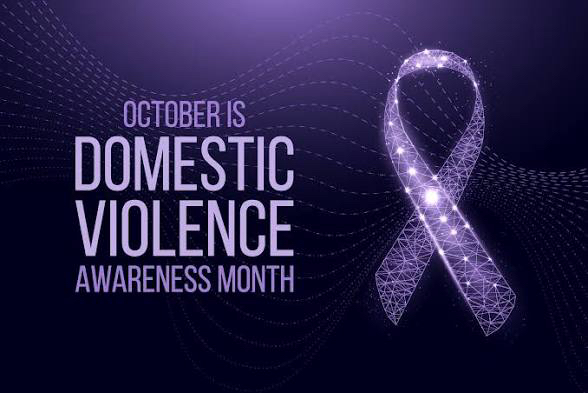
Light the charcoal. Sprinkle the sage. Negativity energy, go away. Today is the beginning of Domestic Violence Awareness Month. This month is when our voices from all over the globe will be heard. We as victims, survivors and warriors bring to light the horrors of domestic violence and the impact that it leaves on our lives and those around us. Let’s take time out for a little education on a few of the topics surrounding domestic violence.
Domestic Violence is a topic that I know a lot about. Well, I know how to function in it. And I know how to get away from it. But living with the aftereffects reveal a whole other set of problems. Where domestic violence used to be seen as something that only happens to women and their partners. There is more awareness on the abuse of men by their partners. No matter how you identify. It also happens to the most innocent, children and pets. This happens in all forms of relationships. And the statistics are staggering.
Domestic violence is violence committed by someone in the victim’s domestic circle. Which include partners and ex-partners, immediate family members, and other relatives and family friends (https://www.UN.org, 2025). The behaviors can include such things as:
· Physical
· Sexual
· Emotional
· Financial
· Psychological actions or threats of actions that influence another person.
This includes any behavior that intimidate, manipulate, humiliate, isolate, frighten, terrorize, coerce, threaten, blame, hurt, injure, or wound someone. The repetitive exposure to violence teaches children that violence is a normal way of life (https://dvcc.delaware.gov, 2025). And for those of us who leave, constant confusion and every minute of no knowing when something else will happen again, is our normal. And the many years of programming by our abusers takes years of therapy to de-program ourselves. But you will never be who you used to be.
Recovery is not for the faint of heart. It is hard and uncomfortable. And it takes years to undo the damage that was caused on so many levels. I was one of the lucky ones. Long story short, I survived. But the mental damage that was caused has left me crippled in some ways. And through the sleepless nights filled with tears, therapy, psychiatric medications, body memories, flashbacks, phobias, and panic attacks, I have learned that I have a voice that deserves to be heard. And no matter what people say or believe, I can validate my own story regardless of the opinions of others. Because I lived it.
The main thing I want to say to other women and men across the globe who are still in their own processes, “YOU ARE NOT ALONE!” Because it happened to me too. Thanks for reading! Keep smiling and pushing forward.
“Our country is grappling with a youth mental health crisis, and it is particularly pronounced for LGBTQ+ youth.”
-Ronita Nath
Light the charcoal. Sprinkle the sage. Negative energy, go away. Today, keeping in line with the topic of suicide, I want to discuss suicide in the LGBTQ+ community.
The prevalence of suicide in the LGBTQ+ community is nothing new. The risk for suicide attempts and suicidal ideation can be 3 to 6 times greater for lesbian, gay and bisexual adults according to the National Institutes of Health. But there are also other statistics to keep in mind.
In 2024, 39% of LGBTQ+ youth considered attempting suicide according to The Trevor Project’s national survey. 1 in 10 of LGBTQ+ youth attempted suicide in the past year. And LGBTQ+ youth are more than four times likely to attempt compared to heterosexual youth. I can tell you that personally, I’ve been suicidal many times because of rejection from my family as a lesbian woman.
Transgender and Nonbinary identified individuals are at an even higher rate of suicide. And almost half seriously considered suicide in the past year. In 2022, 80% of transgender people had considered suicide and 40% had attempted. These statistics while staggering are not surprising. These demographic struggles are way more than they should be with little compassion from society.
Bisexual identified individuals are 1.5 times more likely to report thoughts and attempts compared to gay and lesbian individuals. And 2.98 times more likely to have a suicide-related event compared to heterosexuals according to a 2022 study. And the LGBTQ+ youth of color report higher rates of suicidal ideation and attempts compared to white peers (www.therevorproject.org, 2025). And there are several contributing factors such as:
· Discrimination and Prejudice:discrimination, harassment and violence due to sexual orientation or gender identity increases the risk of suicide.
· Lack of Support Systems: Limited social support from family, peers and community exacerbates the mental health challenges.
· Mental Health Disparities: LGBTQ+ individuals are more likely to experience depression and may face barriers to accessing mental health services (https://mhanational.org, 2025).
For someone who is a member of the LGBTQ+ community, I can tell you that I’ve considered suicide many times. The rejection from family and friends are sometimes more than I can bare. And having worked with someone in therapy many years ago, who was not sensitive to the needs of someone in these communities, there was little progress made. Mainly, because I couldn’t trust her. And she was extremely judgmental.
Since collaborating with coach for almost a decade, I can tell you that I have been able to fully accept the fact that I’m gay, despite my family’s disapproval. And then the religious communities also seem to greet us with bible verses telling how many ways we are going to hell. We all know that “choosing” to be gay is such an easier way of life. There the secret is out.
With the current political administration taking away the rights and freedoms that the Stonewall riots stood against, and the lack of funding for suicide hotlines for LGBTQ+ youth, these rates will only climb. Our families, friends, churches, and government should be ashamed of standing by people who are ok with the policies set in place. We are the same as we ever were. We just wear rainbows now.
There are those beautiful allies out there who remain the strength and backbone of our continual fight for equality. We are youth, parents, aunts, uncles, cousins, husband, and wives who just want to be recognized as equals in the eyes of the law. But where reputations and political agendas are from the far right, we must be even more solidified as a community. If someone is for rights with some and not others, I have no room for them in my life. But it’s taken me years to come to this conclusion.
Is it lonely? At times, yes. However, I want people in my life who not only support me but also my friends. The suicide hotline is something that our community not only wants but needs. Many of us have non-supporting families and mine is no different. But I do have a place to live currently. But that does not constitute me putting up with homophobia or fragile masculinity and femininity.
The very few “true” friends I have, understand that being gay is not a “choice.” It’s who I am. And if that’s too much for someone to manage, that’s just too damn bad. To my fellow allies and community members, keep up the good fight. We must take up the original Pride flag are carry on. I love our colors. And I’m proud to call myself a member of the LGBTQ+ community.
Keep smiling. Keep shining. Knowing you can always count on me, for sure. That’s what friends are for. We are seen. And we are heard. And….WE ARE FABULOUS! Thanks for reading. Take what you can use and leave the rest.
Affirmation: I am proud of myself and will continue to strive to do well.
“Real heroes don’t wear capes. Real superheroes wear uniforms and badges and stethoscopes! Real superheroes are members of our military, law enforcement, and first responders. Pretend superheroes wear capes.”
-Dean Cain
Light the charcoal. Sprinkle the sage. Negativity energy, go away. Today, I want to talk about first responder suicide. This is another group that seems to be looked over when discussing this topic. Having worked in the EMS field, I can tell you that sometimes I saw things that continue to haunt me to this day.
Individuals, who have also worked in the field, have told me, “they just left work at work.” And it was simple. In that case, “Congrats! You are the winner! And you were much stronger mentally, I guess.” But in my situation, I was trapped in a domestic violence situation where emotional abuse was normal. So, working myself to death while experiencing trauma in both my private and professional life, my mind was so overloaded that I developed PTSD from both situations.
Maybe it was the 7-year-old who was hit by a drunk driver and left for dead. Maybe it was the car wreck where sister and boyfriend we both killed. And older sister’s face was ripped off in the wreck. Maybe it was the murder that left a body with half a head from a shotgun blast. Maybe it was the screaming mother, who I had to tell that her child was dead. Maybe it was the mother on Mother’s Day that was told that her law enforcement son was killed in a drunk driving accident. Maybe it was the woman who was ejected from a vehicle after falling asleep behind the wheel, whose legs were pinned behind her head. Maybe it was the suicide scenes. Maybe it was putting a child in a body bag in front of a mother. Maybe it was the person hit by a train where chunks of meat were the only thing that remained. Maybe it was the disabled individual in a wheelchair who was raped by her cousin. Maybe it was the woman who was cut from ear to ear, because she was cheating on her boyfriend with a white man. Maybe it was working hard on a grandmother, in front of the family, begging for us to save her when we couldn’t. Maybe it was the male body that was found in a house that had been dead for several days. And the only way the neighbors knew something was wrong was because they smelled him through the walls. Maybe it was the little girl who innocently climbed up in her daddy’s pickup truck only to find a loaded gun and accidentally pulled the trigger leaving one of the bullets lodged in her brain. Maybe it was the little boy who was handed to a good Samaritan from inside his father’s eighteen-wheeler, only for the truck to explode because the jaws of life were not available. Maybe it was the car wreck where I had to sit in the dead passenger’s lap to work on the dying driver. Maybe it was the mother who died from a seizure and her little girl was left in the home alone for over 8 hours before the body was found. Maybe it’s the smells of decaying bodies that I continue to smell almost 30 years later. Maybe it was telling my boss that I was having flashbacks from a gruesome scene only to be told, “If you can’t handle it, pick a different profession. Maybe it’s the incessant scenes that I continue to replay beyond my control with questions about if we did enough. Maybe, Maybe, Maybe.
In the time that I worked, I saw enough trauma to last me a lifetime. There was no one to talk to about anything. Like I was told that there would be. Getting shifts covered was more important than the safety and well-being of employees. And somehow, sexual harassment and a near rape by a co-worker was viewed as though I brought it on myself. And eventually, trying to survive by living in my car and attempting to distance myself from the domestic violence situation led me to a level of depression and despair that was somehow new to me. I was forced to keep unethical secrets which was “normalized behavior.”
A lot of people that I worked with were dealing with problems through narcotic diversion, sex with random partners, alcohol and drugs were seen as “off-day or working” coping skills. And the level of compassion for another human being “hitting the skids” to a level that was disturbing. There was not just one reason that I was having suicidal thoughts. But I had nowhere to turn for help that was “safe.” And the work environment was just as toxic.
Life said, “Here are the pieces. Figure it out.” And I tried to bury them so far down that I never wanted to revisit those fears and feelings again. For a long while, I was able to do just that. But when you have unresolved trauma there’s only one thing that you can be sure of, it will surface again. And almost 20 years later it would come forth vigorously. And it almost killed me.
First responders include police officers, firefighters, paramedics, EMTs, and telecommunicators. Due to the unique occupational stressors, the risk for mental health issues and suicide are at a much higher rates of depression, PTSD, suicidal ideations, and behaviors (www.cdc.gov, 2021). And due to consistent exposure to traumatic events can impact the brain’s ability to process the experiences.
The Impact on Mental Health:
· PTSD, depression, and anxiety: first responders are at a significantly higher risk of developing these.
· Cognitive Issues: Trauma can lead to difficulties with memory, attention, planning, problem solving, which can affect daily functioning and relationships.
· Secondary Traumatic Stress (STS) and Vicarious Trauma (VT): first responders can experience emotional and/or psychological distress from observing or hearing about the trauma of others. And can lead to the symptoms of emotional numbness, irritability, sleep disturbances, and physical complaints.
· Burnout and Compassion Fatigue: Demanding nature of the job and frequent exposure to suffering can lead to emotional exhaustion and reduce capacity for empathy (https//extension.usu.edu, 2025).
It has been said too many times, “Well you chose the profession.” And to that I respond, “Yes, I did. Who else would’ve done it? You?!” And then, of course, the sound of crickets followed. To this day I can say that I loved working in the field of EMS. But my brain took a beating. The trauma of the event doesn’t happen at that exact moment. It creeps. And if you are running back-to-back traumatic calls, then the brain never has a chance to recover. Also, when therapeutic help is seen as shameful or weak, this further ostracizes the employee to thinking that there is no way out. There are those “trauma junkies” as they are called that seem to enjoy the trauma. However, from working with those types of individuals, I have found that there is also a higher rate of alcohol and drug use.
Reducing the stigma will only happen when senior management are supportive of mental health efforts to keep all employees safe. And in the environment where I worked, the stigma couldn’t have been any stronger. People were allowed to work an extreme amount hours without sleep, which was very dangerous. In fact, an EMT who was in paramedic school, was allowed to work without adequate sleep and he wrecked an ambulance with a patient on board, because he fell asleep at the wheel striking a telephone pole. And sadly, there are currently no federal laws that regulate this. This problem is still left up to the digression of private companies.
A national organization known as the National Association of Emergency Medical Technicians have issued guidelines for managing fatigue in EMS personnel. This sets guidelines such as limiting shifts to less than 24 hours in duration and providing access to caffeine to help counteract fatigue. And offering naps. However, I can tell you that the only “nap” I was offered was during the time it took for a red light to change to green. And there is a recognized concern about EMS worker fatigue for both workers and the public. Research also shows that more than half of EMS workers report severe mental and physical fatigue, poor sleep quality, and inadequate recovery between shifts (www.ems.gov, 2019).
I can only hope that those entities that have an ambulance or some other type of EMS service abides by this. However, I can almost guarantee that senior administrators are more concerned with the dollar amount that is acquired at the end of the month. Because the low pay rate of EMS workers makes the individual “a dime a dozen.” And they will just be replaced if they can’t handle the stress. And this attitude combined with the difficult nature of the job is why I would still consider this working environment dangerous for the worker, as well as patients.
If you are or know someone in this profession, it is imperative that you and they both know the importance of “healthy” self-care. Asking for help is not a weakness. It’s the personal responsibility of the employee and the companies that employ them. Please make use of services that are provided. Thanks for reading! Stay safe.
“Weed is from the earth. God put this here for me and you. Take advantage, man, take advantage.”
-Smokey (Chris Tucker), Friday
Light the charcoal. Sprinkle the sage. Negative energy go away. With part of the awareness colors for suicide awareness being purple, you know I had to represent with a purple strain. Sit back for a few minutes and allow me to educate you on this little beauty.
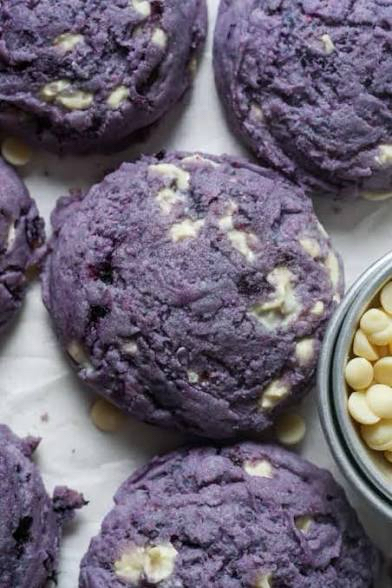
Purple Cookies is a 50/50 hybrid. It’s a cross between Cookie F2 x Purple Caper. You initially get that “hazy” strain taste which is also very earthy. And I’ll be honest; I had to smoke almost an entire bowl before I felt anything. Part of that could be that I smoke very heavy indicas to manage my medical needs.
Patients report relief from stress, anxiety and depression. It’s also used to help with chronic pain, insomnia and muscle spasms. I can tell you that I have a lot of the same issues. This strain didn’t do much for me in regard to chronic pain or insomnia. And that’s probably due to the sativa half of the hybrid.
The main terpene is myrcene. And it’s a strain that would be perfect for inexperienced users. You won’t get “couch lock.” And it would be perfect to use it during a lunch break. Overall, it’s not strong, but I can’t say that it’s bad medicine. It could be perfect for your individual needs. Thanks for reading! And keep blazing!
Affirmation: I won’t share blunts with people who won’t share roaches with me.
“The soldier above all others prays for peace, for it is the soldier who must suffer and bear the deepest wounds and scars of war.”
-Douglas McArthur
Light the charcoal. Sprinkle the sage. Negativity energy, go away. Today, I want to discuss veteran suicide. I know that this topic has seemed to get old and fast. However, I believe that the more we talk about the harshness of life, the more the stigmas will begin to disappear.
In 2022, the most recent year for the current data, 6,407 veterans and 41,484 nonveteran adults died by suicide. The rate among veterans was 34.7 per 100,000 compared to 17.1 per 100,000 for nonveterans. Since 2005, veteran suicide has risen faster than any other group. And these rates are unacceptable.
The veterans who died by suicide in that year, 40% were under the care of the Veterans Health Administration. Among those patients, who were also diagnosed with a mental health disorder or substance abuse disorder, there were 56.4 per 100,000, which was twice the rate of those without a diagnosis. And among 1,548 veterans who died by suicide 64% were diagnosed with depression, 43% had an anxiety disorder, 40% had PTSD, and 32% had an alcohol use disorder. However, the highest suicide rates were associated with veterans who had sedative use disorder which include benzodiazepines, barbiturates, and opiates (www.rand.org, 2025). And the stigma about mental health in the military further increase this problem.
Aspects of Veteran Mental Health stigma:
· Fear of judgment and perception: Veterans worry about how seeking help will affect all areas of their lives and especially on career repercussions.
· Military culture: The “warrior ethos” which emphasizes self-reliance and stoicism create barriers to seeking help.
· Loss of security clearance: Some fear that seeking mental health treatment will lead to revocation of security clearances.
· Impact on treatment: stigmas can lead to untreated mental health conditions, substance abuse and increased risk of suicide.
· Self-stigma: Veterans may internalize negative societal views about mental health which can lead to shame, self-blame, and more reluctance to seek help (https://oxfordtreatment.com, 2025).
As an advocate for medical cannabis, I believe that our veterans should be given an ounce of cannabis the minute their feet hit US soil upon returning from active duty. As I personally deal with PTSD, there is not another medication on the planet that can bring me relief like cannabis can. And it’s such a safer alternative to alcohol, opiates, and benzodiazepine medications.
Currently, the Safe Healing Act, which was introduced on February 4, 2025, is designed to prohibit the Secretary of Veterans Affairs from denying a veteran benefit administered by the Secretary by reason of the veteran participating in a State-approved marijuana program and other purposes. But unfortunately, there is only a 3% chance of being enacted (www.govtrack.us, 2025). And I consider this utterly ridiculous. There is an unmistakable problem with veteran suicide. It appears Big Pharma is still in the way of progress. I wonder how many people who oppose this bill must suffer, daily, with the horrible effects of PTSD, anxiety, and chronic pain that “Big Pharma” can’t seem to help?
Our returning soldiers are faced with horrors that no one understands until they’ve been there. And though I have never served our country, I can tell you that the above-mentioned mental health disorders have also almost taken my life many times. The symptoms are horrific in nature. Put chronic pain in the mix and suicide often seems like the only answer to have a break, though it be permanent, for even a moment of peace.
Veterans, in my eyes, should be held to the utmost respect. They should be the highest paid employees before professional athletes. And we as a country should make sure that the best treatment is available to them for the rest of their lives. Some have paid the price of their lives on the battlefield. And a high percentage of others pay with their lives when they return home. But instead of treating them like the heroes like they are, they are often discarded by the government that they so proudly serve.
Is cannabis the only answer? Not at all. However, while they find the modality that works for them, I think that cannabis could lighten the load and make their futures seem a little brighter. Discarding them along with all the judgmental stigmas only adds to the problem. And until this is rectified, we will continue to lose those beautiful people who are willing, at any moment, to lay down their lives for our freedoms. Shame on the United States of America for treating them like that!
I know reading this is not easy. But we as a nation must stand up for these individuals who continue to pay the price every time, they open their eyes. Let’s get past the “reefer madness” ignorance and allow our veterans the opportunity to extend their lives at home. A special thanks and salute to one of my favorite veterans who I’ll call Joe. Thanks for reading! And God Bless America!
“Always remember, if you have been diagnosed with PTSD, it is not a sign of weakness; rather, if is proof of your strength, because you have survived!”
-Unknown
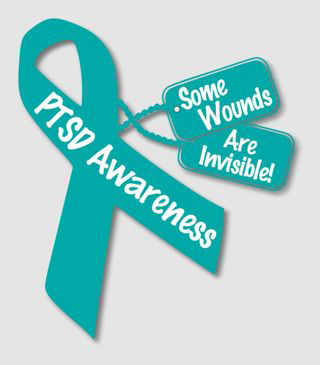
Light the charcoal. Sprinkle the sage. Negative energy go away. Today, I want to take time out from celebrating Pride, to give light to National PTSD Awareness Day. This one hit hard as I’ve lived with PTSD longer than I’ve lived without it. And there are so many of us who don’t make it to the other end of the tunnel. It’s an incredibly dark place to wake up to and go to sleep with every night.
Post Traumatic Stress Disorder (PTSD) dates back to ancient civilizations and military conflicts. Terms used early on included “combat-related stress,” “shellshock,” “combat fatigue,” and “railway spine.” In the 1800s and early 1900s, the “talking cure: was popularized by Sigmund Freud and introduced in medical literature. And the treatment went from psychoanalysis to electric shock treatment. By the 1950s, the treatments had become more humane. However, now people would not admit to any traumatic symptoms due to the stigma. So, group therapy and psychotropic medications were introduced (blackbearrehab.com, 2025).
In the 1970s Vietnam veterans began experiencing a lot of psychological problems that persisted even after returning home. And survivors of domestic abuse were also included. In the 1980s, PTSD was officially recognized as a mental health problem. Diagnostic and Statistical Manual of Mental Disorders adopted the diagnosis where it has remained (blackbearrehab.com, 2025).
PTSD is a developed from a traumatic event. C- PTSD when a traumatic event continues for months and years or multiple events occur. The intrusive thoughts, flashbacks, insomnia, avoidance, memory problems, detachment from friends and family, feeling emotionally numb, hyper startle, irritability, trouble concentrating, impulsive behavior, paranoia, severe anxiety, nightmares, suicidal ideations and actions and uncontrollable thoughts about the event. And over time, these symptoms completely devour who you once were (MayoClinic.org, 2025).
I know that PTSD is typically related to soldiers. I am here to tell you that I never went into the military. But the PTSD that I deal with, as a result of domestic violence, grabbed hold of me and has never let go. It has completely stripped me of everything that I used to enjoy. I don’t care about relationships. I question people about their intentions, even if they’re pure and good. I’m constantly waiting for the next shoe to drop. I don’t have typical reactions to being scared. I could see a moth out, of the corner of my peripheral vision, and then jump and scream like Jeffery Dahmer was staring at me and about to take the first bite. I face the stigmas of both friends and family mainly due to a lack of understanding. However, the reasearch information is everywhere. Sometimes others just need to their own leg work. I have come to realize that instead of trying to find out how PTSD affects someone that you love, it’s “the easy way out” to just to be dismissive, embarrassed and judgmental instead. The attitude is “just change X behavior.” Without having a solution, the resounding message of “just make it go away” further ostracizes the person that you say you care about. And so the anticipated glimmer of hope dissipates further isolating the individual. And sadly, can lead to suicide.
PTSD is not about you, it’s about them. It’s just a diagnosis until it’s “you” that experiences it every day. It has taken me down to the point of putting a gun in my mouth. And because living in the abuse was so severe, I actually pulled the trigger after pointing the gun at my torso. It missed my heart by only a few centimeters. Nothing was messed up to the point of needing surgery. But self-harm is something that I’ve dealt with since I was a 13-year-old child. And I had no idea how to deal with all the overwhelming emotions of abuse. In that cold, dark closet where I began to self-harm, and as maladaptive as the behavior is, it worked. It was the only thing that worked to bring me back to complete balance. But the problem is that it became a true addiction issue that I continue to struggle with. And before you ask, yes I’ve done a lot of therapy. It’s not that the therapy doesn’t. It’s that the addiction is that strong.
PTSD is a true injury on the brain. The brain’s job is to help you survive in any way possible. So, we reach for anything to help calm the barrage of intrusive thoughts, memories, smells and sounds. And once it’s been damaged through a traumatic event, it creates a “work around” solution. What typically works? Self-harm and substance abuse creates almost instant comfort. You don’t have to wait for 6-8 weeks to reach your therapeutic dose efficacy to begin working. It’s an immediate fix that some of have to use just to stay alive.
Cannabis was recommended when all other “Big Pharma” medications failed. And it has saved my life on a daily basis ever since. Cannabis seems to put a cloud over my brain saying, “Settle just for a moment.” And for that moment, I can take a break from the constant paranoia and overstimulation of a brain that wanted to do nothing more than survive. And that, is my battlefield. It wasn’t in Iraq, Afghanistan or Vietnam. My battlefield is everywhere I go. I fear people and social situations in a way that most cannot understand.
It literally takes me about a week in advance to start prepping to leave my house just to go to pick up medications,that I,unfortunately have to take. But I don’t take anymore psych meds. I was extremely sick, coming off all the meds that I had been begging for over two years to be tapered off. And I got tired of waiting, so I did it myself. I don’t advise this way because it was a really miserable process. However, I was at a point of desperation. And now about 6 months later, I feel like a new human being after the toxic feeling of all the medications. All of my true feelings and emotions have awakened, and I really like feeling somewhat comfortable at times.
My personal opinion is that anyone returning home from the active duty should be handed an ounce of weed the minute they step off the plane to do with as they wish. And it would be perfectly ok if they gave it away. That’s like paying it forward in “Weed-O-Nomics.” As it stands, soldiers come home from a war that never ends. And they are committing suicide at a rate of 22 soldiers a day. And that is less than unacceptable.
As the topic of cannabis continues to circulate among social circles and national politics, I hope that veterans from our military will step out against the shame that is felt from social stigmas. And reach for the plant that can “help take the gun out of your mouth.” Cannabis doesn’t cure PTSD because it wasn’t the one who caused it. But it does make things much more tolerable.
Thanks for reading! Happy Pride everyone!
Affirmation: I am resilient and capable of healing.






 This Puzzled Life